Ford is reevaluating its strategy in the electric truck market, specifically regarding its investment in big-battery electric trucks. This shift comes amid rising production costs and changing consumer preferences, prompting the automotive giant to consider alternative approaches.
Current Market Landscape
The electric truck market has seen remarkable growth over the past few years, driven by a surge in consumer interest and advancements in technology. Key players like Tesla, Rivian, and General Motors have made significant strides in this sector, offering models that appeal to environmentally conscious consumers and traditional truck enthusiasts alike. Tesla’s Cybertruck, for instance, has garnered massive attention with its futuristic design and impressive specifications, while Rivian’s R1T has been well-received for its off-road capabilities and robust performance.
Consumer demand for electric vehicles (EVs) is shifting, with buyers increasingly seeking trucks that balance power, efficiency, and practicality. According to recent data, the demand for electric trucks has outpaced that of traditional gasoline models in certain demographics, particularly among younger consumers. This trend suggests that manufacturers may need to rethink truck designs, focusing not only on larger battery capacities but also on features that enhance usability and convenience, such as advanced infotainment systems and integrated charging solutions.
Government regulations and incentives play a crucial role in shaping this market. The Biden administration’s push for electric vehicles aims to have 50% of all new vehicles sold in the U.S. be electric by 2030. This initiative includes tax credits, grants, and investments in charging infrastructure, making it easier for consumers to transition to electric trucks. As a result, automakers are under pressure to innovate and produce vehicles that meet these new standards while remaining financially viable.
Challenges Facing Big-Battery Trucks
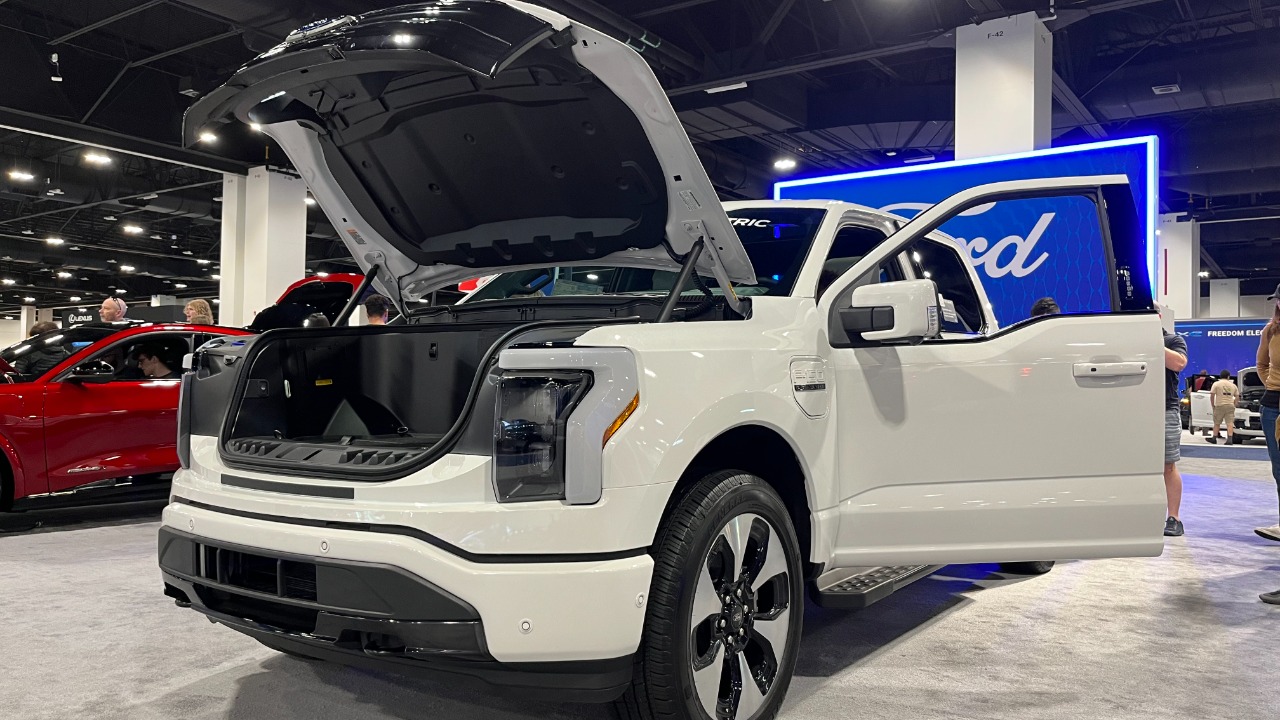
Despite the growing interest in electric trucks, there are significant challenges that Ford and other manufacturers face in developing big-battery models. One of the primary hurdles is the high production costs associated with these vehicles. The expenses related to sourcing raw materials for batteries, such as lithium and cobalt, have skyrocketed, leading to increased retail prices. For instance, the starting price for the Ford F-150 Lightning has already reached around $40,000, and as production costs continue to rise, it may become difficult to maintain competitive pricing without sacrificing profitability.
Additionally, the battery supply chain is under strain, with potential shortages affecting large-scale production. Companies like Tesla have faced delays in battery production due to disruptions in the supply chain, highlighting how dependent the industry is on a few key suppliers. This situation poses a risk not only to production timelines but also to the overall availability of electric trucks in the market. As Ford contemplates its next steps, these supply chain issues will be a crucial factor in determining the viability of continued investment in big-battery models.
Consumer concerns about range anxiety and charging infrastructure limitations also pose challenges for big-battery trucks. While advancements have been made in charging technology, many consumers still worry about the availability of charging stations, especially in rural areas. The average range of electric trucks, such as the Ford F-150 Lightning’s estimated 300 miles, may not be sufficient for all potential buyers, particularly those who need the capability for long-haul transport. Addressing these concerns will be essential for Ford if they choose to continue pursuing big-battery electric trucks.
Ford’s Strategic Options
As Ford reassesses its position in the electric truck market, there are several strategic options the company could consider. One possibility is to pivot toward hybrid models or smaller battery options that cater to a broader range of consumers. By offering a hybrid version of its trucks, Ford could appeal to those who are hesitant to fully commit to electric vehicles while still benefiting from improved fuel efficiency and reduced emissions. For example, the Ford Maverick has already demonstrated success as a compact hybrid truck, suggesting that there is a market for smaller, more versatile electric options.
Exploring partnerships or collaborations with technology companies could also enhance Ford’s capabilities in the electric truck space. Collaborations with battery manufacturers or software developers could lead to innovations that reduce production costs and improve vehicle performance. For instance, Ford’s partnership with Rivian for an electric vehicle platform shows a willingness to explore new avenues for technological advancement, which could be crucial for maintaining competitiveness in a rapidly evolving market.
Moreover, Ford could focus on developing alternative energy sources, such as hydrogen fuel cells, as part of its long-term strategy. While still in the early stages of development, hydrogen technology presents an intriguing option for powering trucks without the same range anxiety associated with battery electric vehicles. Companies like Nikola are already exploring hydrogen fuel cell technology, and Ford could position itself as a leader in this space by investing in research and development.
Implications for Ford’s Brand and Future
A shift away from big-battery trucks could have significant implications for Ford’s market position and brand identity. As one of the most recognized names in the truck segment, Ford has built a reputation around its powerful and durable vehicles. If Ford decides to pivot towards smaller battery options or hybrid models, it may risk alienating a segment of its traditional customer base that values performance and towing capacity. However, embracing a more diverse range of electrified options could also attract new customers who prioritize sustainability and advanced technology.
Consumer perception and brand loyalty will play a critical role in this transition. As more consumers express interest in sustainable transportation options, Ford must ensure that its offerings resonate with evolving expectations. The company’s ability to adapt to changing market dynamics will ultimately determine its success in the electric truck landscape. Maintaining transparency about its strategies and engaging with consumers will be vital in fostering trust and loyalty.
Looking ahead, Ford’s long-term vision in the evolving automotive landscape will likely hinge on its ability to innovate and respond to market demands. While big-battery electric trucks currently capture significant attention, the future may belong to a more diversified approach that includes hybrids and alternative energy sources. Ford’s adaptability will be key as it navigates this complex and rapidly changing market.
Industry Reactions and Expert Opinions
The automotive industry is closely watching Ford’s potential decision to walk away from big-battery trucks. Automotive analysts have mixed opinions on the implications of such a shift. Some view it as a pragmatic response to economic realities, arguing that the high costs associated with big-battery trucks could hinder Ford’s overall profitability. Others express concern that stepping back from this segment might give competitors an advantage, allowing them to capture market share while Ford recalibrates its strategy.
Competitors are already adjusting their strategies in light of Ford’s considerations. For instance, Rivian has announced plans to expand production of its R1T truck and is focusing on enhancing its charging infrastructure to alleviate range anxiety. Similarly, Tesla is ramping up its production capabilities to meet the growing demand for its electric vehicles. These moves suggest that the competition will not wait for Ford to finalize its strategy, further emphasizing the urgency for the company to act decisively.
Consumer feedback is another critical factor in this evolving landscape. Many potential buyers are eager for electric trucks but express concerns about performance and charging capabilities. Surveys indicate that consumers are increasingly looking for manufacturers to offer a mix of electric and hybrid options, suggesting that Ford’s potential pivot towards smaller battery models could align with market expectations. Engaging with customers through surveys and focus groups could provide valuable insights that help Ford tailor its offerings effectively.