The 1977 Ford F-250 Ranger on this list comes from the year the F-Series passed Chevrolet to become America’s best-selling truck. Two decades later, Ford split its heavy haulers into a separate Super Duty line for the 1999 model year. Between and beyond those dates sit the three-quarter-ton and one-ton trucks that did the real work on farms, job sites and campgrounds.
Not every big pickup earned a tough reputation, though. Some were simply half-tons with stiffer springs. Others were overbuilt from the frame up, with diesel engines designed with commercial duty in mind and gas engines that loafed along at low revs.
These are our picks, and the verdict is our opinion: 12 heavy-duty pickups that seem nearly impossible to kill. We kept the specs to what the record shows and left out mileage claims, because a tough reputation shouldn’t rest on stories nobody can check.
1. 1977 Ford F-250 Ranger
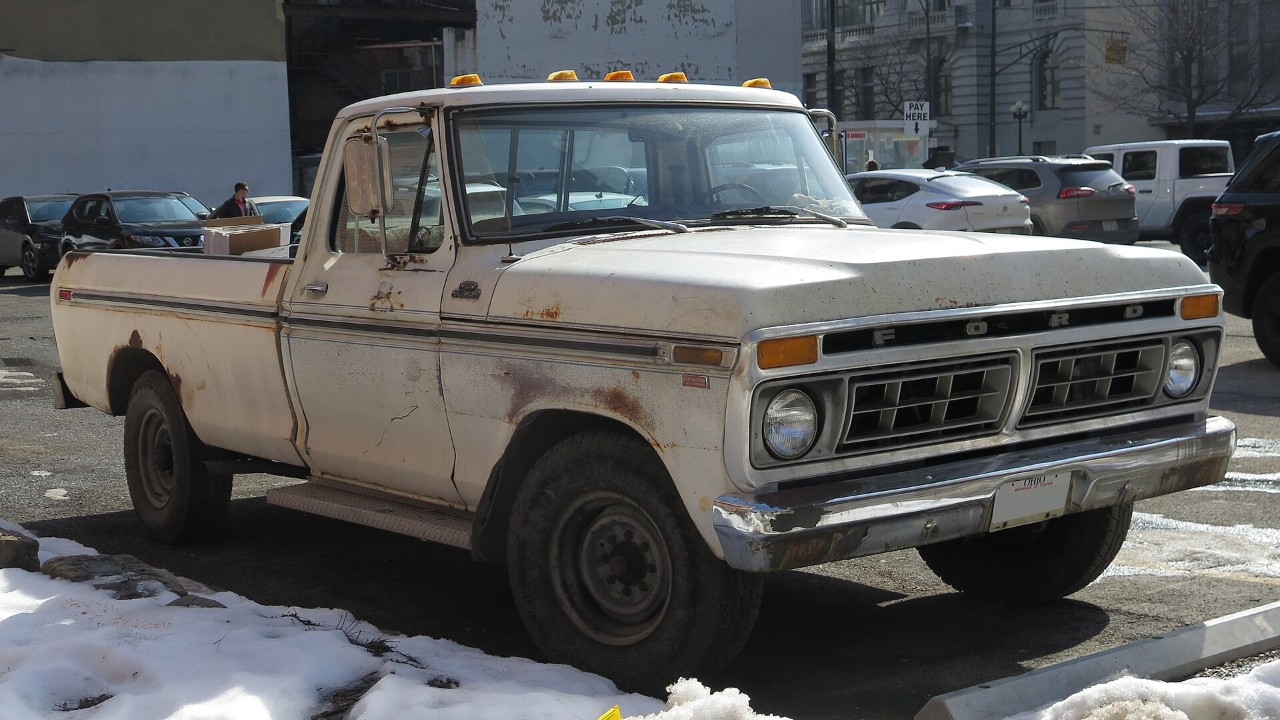
The 1977 model year was a big one for Ford trucks. That year the F-Series passed the Chevrolet C/K as the best-selling truck in the United States, and it has held that spot since. The F-250 was the three-quarter-ton member of the family. Ranger, meanwhile, was a dressed-up trim level that returned with this sixth generation, so buyers could get nicer cabins on a truck rated for real loads.
Under the hood, 1977 brought a change. Ford replaced the 360 FE V8 in four-wheel-drive F-250s with the new 351M and 400 V8s, rated at 156 and 169 horsepower in SAE net terms. Those numbers look modest today. However, these were heavy-iron engines that did their work low in the rev range, and that kind of engine tends to tolerate a lot of neglect in our view.
Our take: a 1977 Ranger is the sweet spot of the square-fender Fords. It offers enough comfort to drive every day and simple enough hardware that almost any shop can fix it. If you find one, we’d check the cab corners and bed floor before anything else, because the metal on a truck this old usually needs more attention than the drivetrain.
2. 1989 Dodge Power Ram W250 Cummins diesel
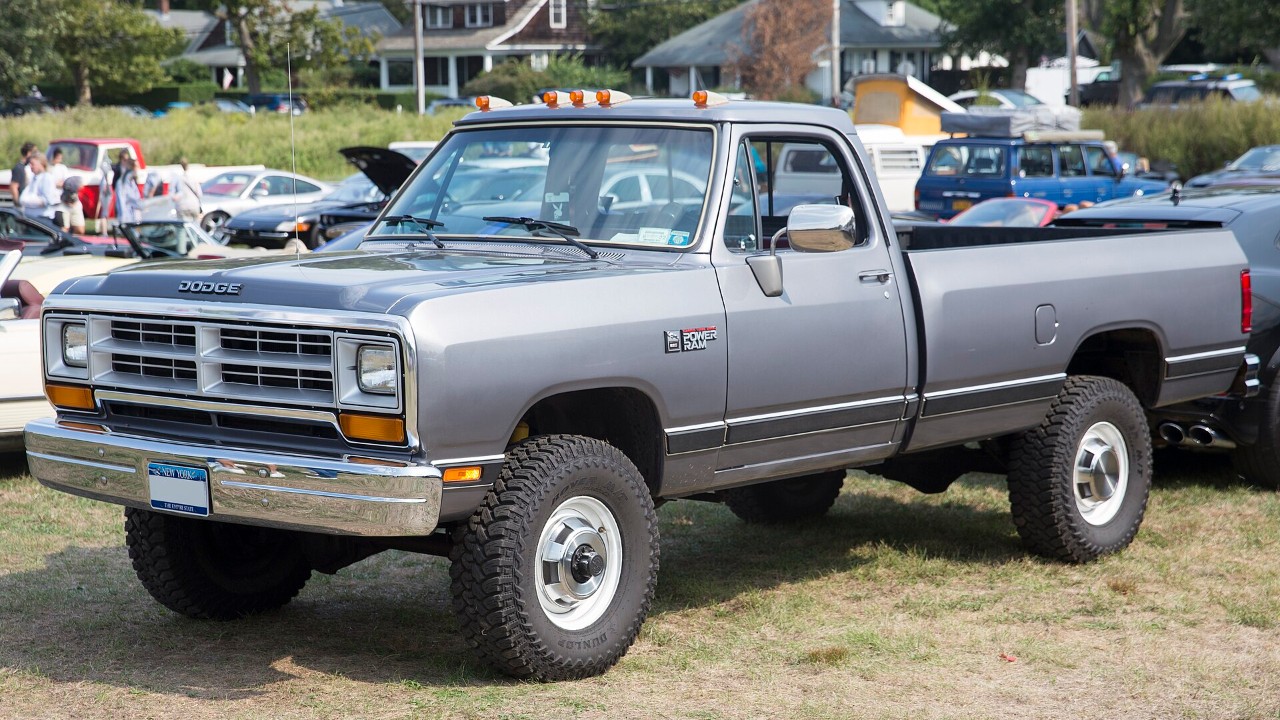
Before 1989, Dodge had tried diesel power once and come up short. According to SlashGear’s history of the switch, its earlier Mitsubishi-built 4.0-liter six made just 105 horsepower and 169 lb-ft, too little for a full-size pickup. Then the 1989 model year brought the Cummins 5.9-liter turbodiesel inline-six to the D/W250 and D/W350 trucks.
That first 12-valve engine made 160 horsepower and 400 lb-ft of torque. Dodge’s gas 5.9 V8 made more horsepower that year, at 190, yet the diesel’s low-rev torque is what owners felt with a trailer hooked up. The design explains the reputation, too. The B Series used a gear-driven camshaft, a forged steel crankshaft and seven main bearings, and its direct injection meant it needed no glow plugs.
In fact, the Cummins arrival coincided with the first sales increase for Ram trucks in several years. Our take: a first-generation Cummins W250 is the truck that put Dodge back in the heavy-duty conversation. The boxy body looks its age, but the six under the hood is the reason we’d chase one. Expect a stiff ride and plenty of diesel clatter, though, because comfort was never the point.
3. 1994–2002 Dodge Ram 2500 Cummins 5.9
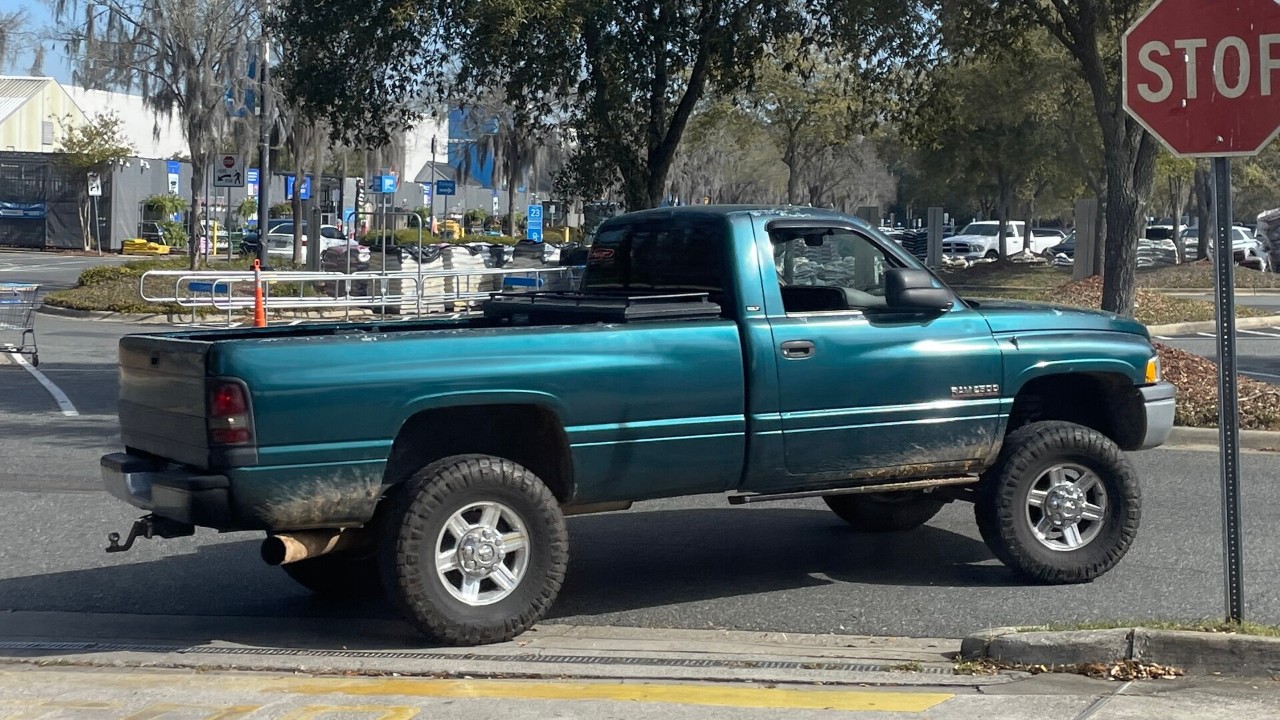
The second-generation Ram arrived for 1994 with a big-rig face, and Motor Trend named it Truck of the Year. Sales jumped from 95,542 units in 1993 to 232,092 in 1994. As a result, Ram went from an also-ran to a real rival for Ford and Chevrolet. Much of the heavy-duty appeal came from the same Cummins six, now in a cab that finally felt modern.
The engine changed during this run. The 12-valve version lasted until midway through the 1998 model year, when emissions rules brought the 24-valve ISB. By 2001, the high-output 24-valve made 245 horsepower and 505 lb-ft, though only with the NV5600 six-speed manual. Meanwhile, the all-iron block, forged steel rods and gear-driven cam carried over. We’ve told the fuller story of how Dodge turned the Cummins into a truck legend elsewhere.
There is one known weak spot, however. The Bosch VP44 injection pump on 24-valve trucks had higher failure rates than the earlier P7100 pump. Our take: the 1994–1998 12-valve trucks are the ones we’d buy for sheer simplicity. A 24-valve is a fine pick too, as long as the pump has been checked or replaced.
4. 1999–2004 Ford F-250 Super Duty V10 crew cab
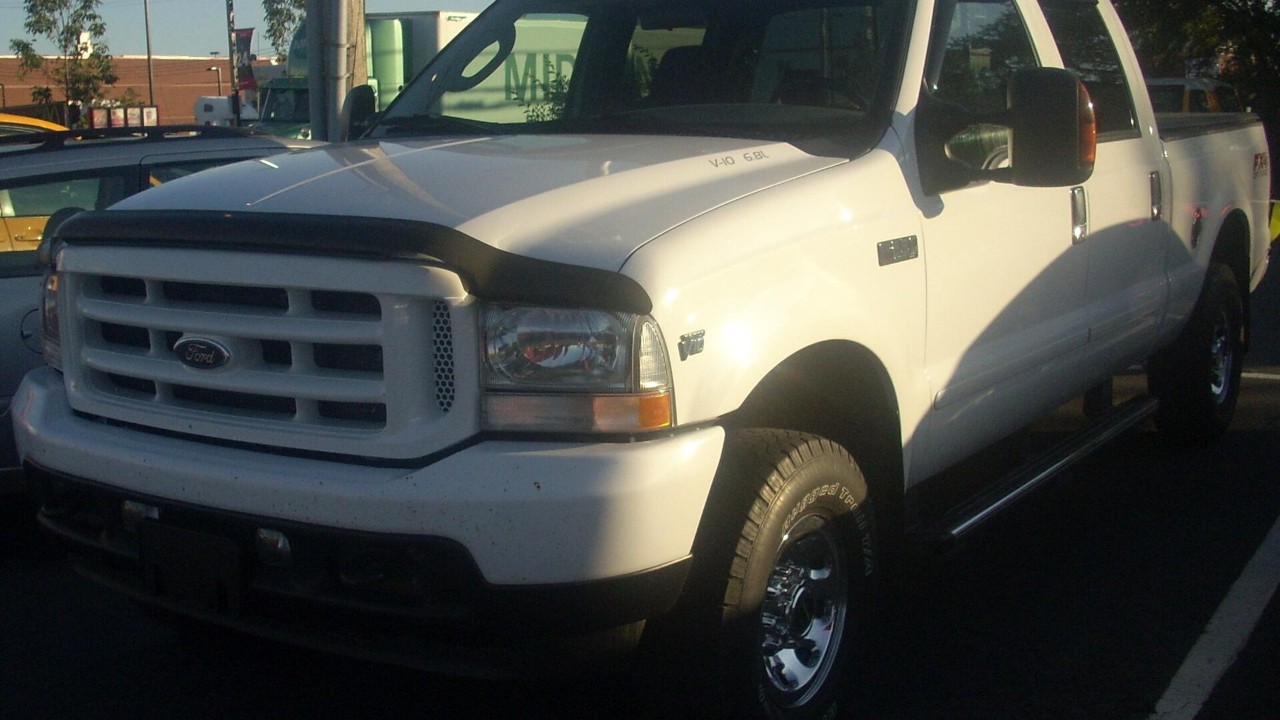
Ford split its heavy trucks off from the F-150 for the 1999 model year, and Super Duty production began in January 1998. The new line came as a regular cab, a SuperCab or a four-door crew cab. As a result, a contractor could carry a full crew and a full load in one truck.
Most buyers remember the diesel, which we covered in why Ford’s 7.3 Power Stroke became one of diesel history’s most respected engines. Yet the gas option deserves credit as well. The 6.8-liter Triton V10 made 310 horsepower and 425 lb-ft from 1999 to 2004. In effect, it was a big, unstressed gas engine with two extra cylinders sharing the work. Meanwhile, the crew cab’s long wheelbase makes it a calm, stable tow vehicle in our view.
Our take: a V10 crew cab is the budget way into a first-generation Super Duty. Fuel economy will never be its strong suit. On the other hand, there is no diesel turbo or high-pressure injection pump to fret over. For a weekend trailer truck, that’s a trade we’d make, so look for a clean, rust-free example with service records.
5. 1984 Chevrolet K30 Scottsdale crew cab
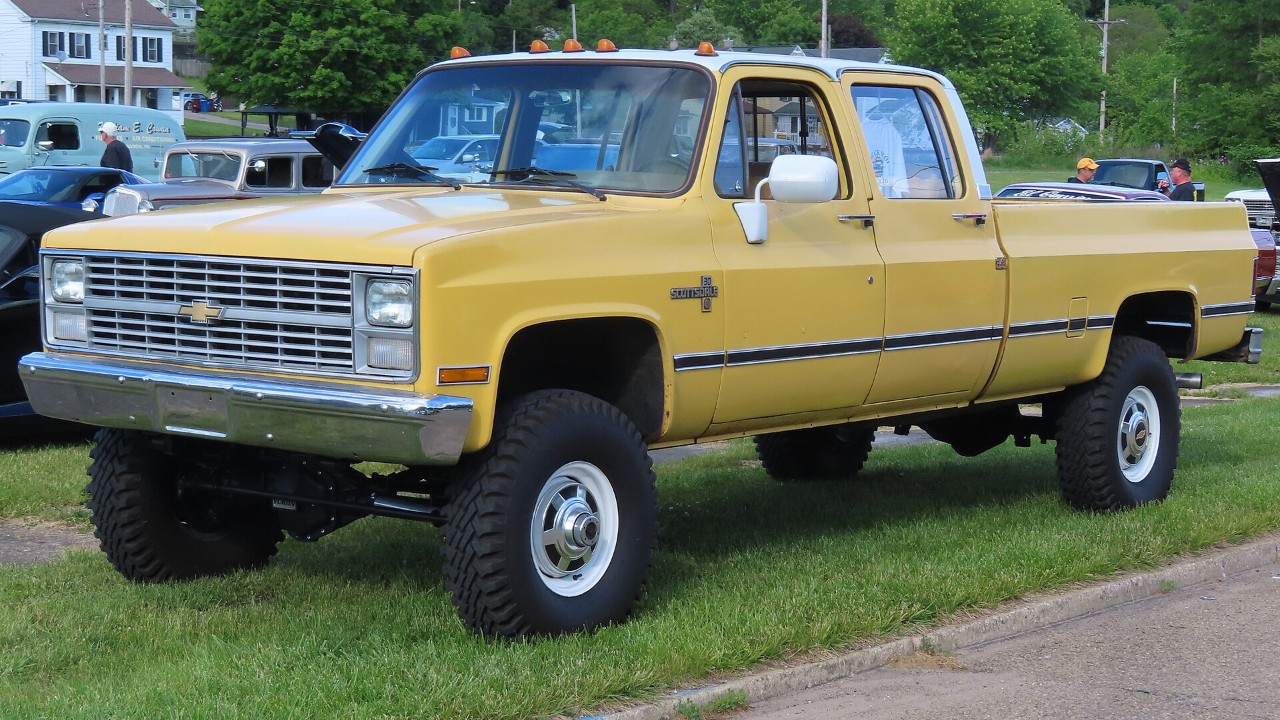
Chevrolet’s third-generation C/K trucks ran for 18 model years, and fans nicknamed them square-bodies for their straight, boxy lines. This generation also brought the first four-door crew cab with six-passenger seating. Alongside it came the dual-rear-wheel pickup nicknamed the Big Dooley. A 1984 K30 crew cab puts those ideas together in a four-wheel-drive truck.
By 1984, buyers had choices that earlier square-bodies lacked. Shift-on-the-fly four-wheel drive arrived for 1981, and a 6.2-liter diesel V8 joined the C/K lineup for 1982. Before that, for 1978, the C/K had become the first American full-size pickup sold with a diesel, an Oldsmobile 5.7-liter V8. Every truck in the line also used leaf springs at the rear.
Our take: few trucks look as purposeful as a square-body crew cab on its tall four-wheel-drive stance. Its simple ladder-frame layout keeps it within reach of a home mechanic, which is a big part of why we rate it so highly. We also like that so many years of one basic design keep parts sharing simple. If you shop for one, inspect the frame and the floors before you fall for the paint.
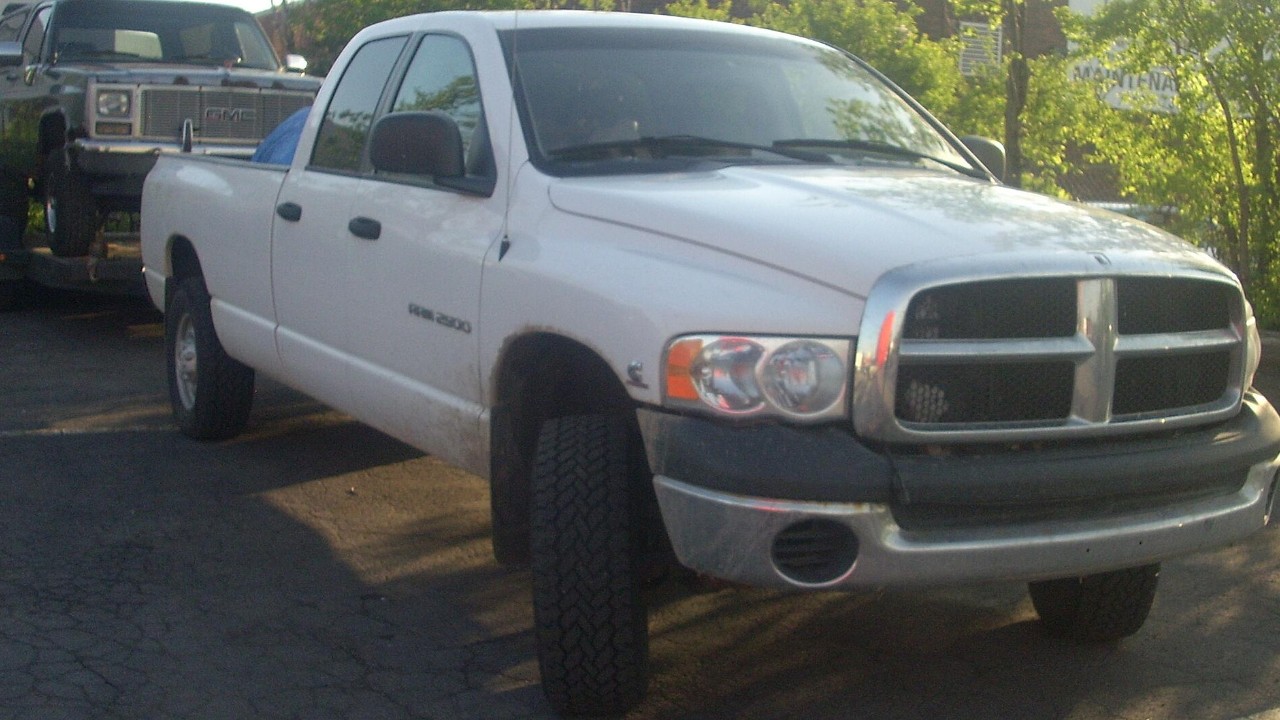
6. 2003–05 Dodge Ram 2500 Quad Cab
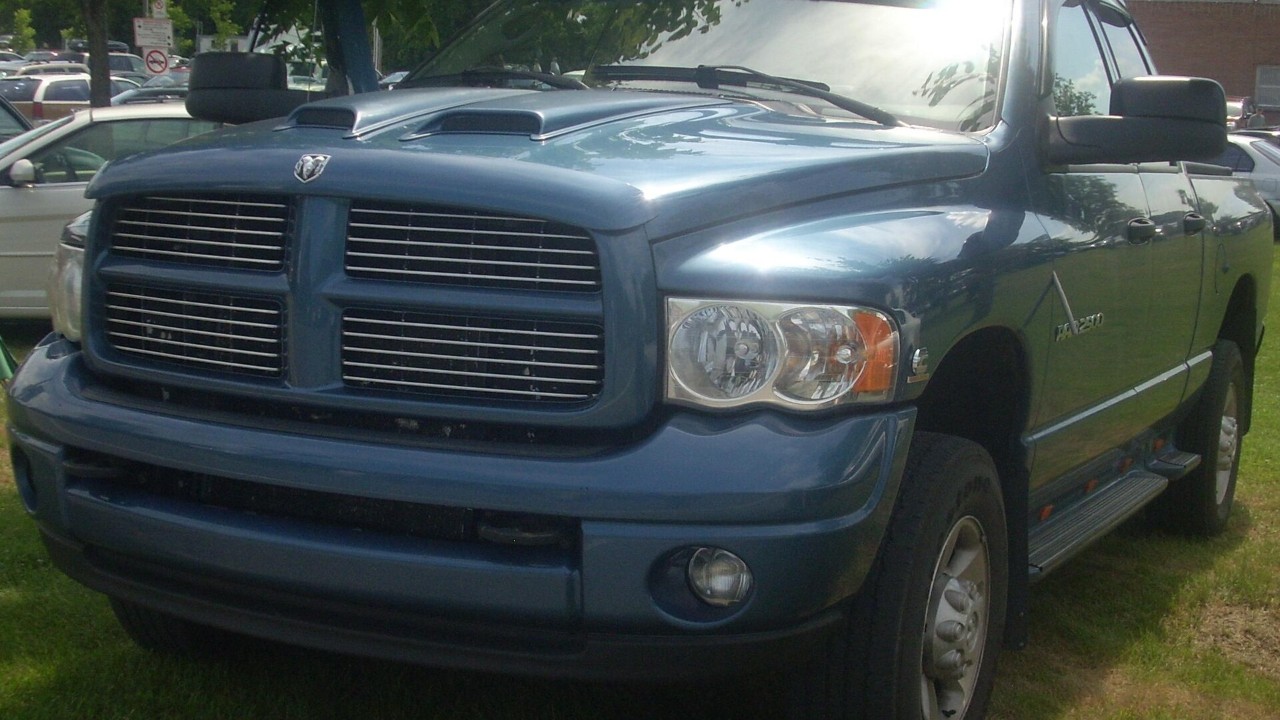
The third-generation heavy-duty Ram arrived for 2003 with a major Cummins upgrade. Bosch high-pressure common-rail injection replaced the old pump system, and Dodge rated the high-output engine at 305 horsepower and 555 lb-ft. Then, in mid-2004, the Cummins 600 pushed that to 325 horsepower and 600 lb-ft. That was a big leap from the 160-horsepower engine of 1989, and it came only 15 years later.
The cab mattered too. Ram’s four-door trucks in this generation were Quad Cabs, with rear doors that made the back seat genuinely usable. Buyers who preferred gasoline could pick the 5.7-liter Hemi V8, rated at 345 horsepower. Notably, the 5.9 common-rail Cummins was the last Ram diesel that did not need dedicated emissions technology.
Our take: this is the Cummins Ram we’d pick for towing today. It keeps the proven 5.9 block and adds modern injection, but it predates the emissions hardware of later trucks. Before you buy, have a diesel shop look over the injectors and check for signs of hard towing. On top of that, make sure the rear doors open and latch cleanly, since a family will use them daily.
7. 2016 Nissan Titan XD
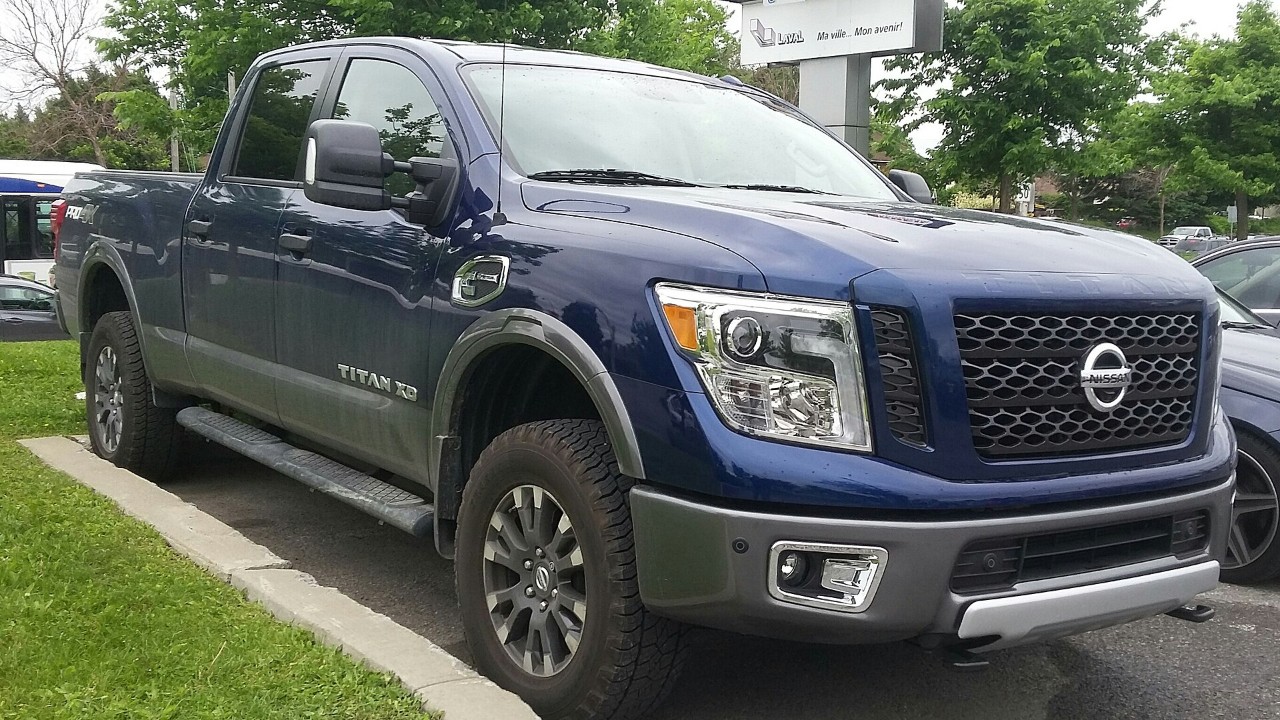
Nissan took its first serious swing at the heavy-duty market with the Titan XD, which debuted at the 2015 North American International Auto Show in Detroit. Its optional engine came from Cummins, a Nissan partner since 2007. According to Nissan’s launch announcement, the truck went through more than a million test miles before production.
That Indiana-made 5.0-liter turbodiesel V8 delivered 310 horsepower and 555 lb-ft of torque. Its block was compacted graphite iron, and it used a forged steel crankshaft and a two-stage turbocharger. Nissan also fitted ceramic glow plugs designed to last the life of the engine with no maintenance.
The diesel didn’t last long, however. The XD was a crew cab built on a heavy-duty frame, and the Cummins option ended after 2019. Our take: that short run makes a diesel XD an odd, overbuilt bargain. It sits between the half-ton and three-quarter-ton classes, and its engine spec sheet reads like a commercial truck’s. Even so, it’s one of the more interesting heavy-duty pickups of its decade, at least in our eyes. Buy one with records, because parts knowledge for this engine is thinner than for a Ram or Ford.
8. 2011 Ford F-250 Super Duty 6.2 V8
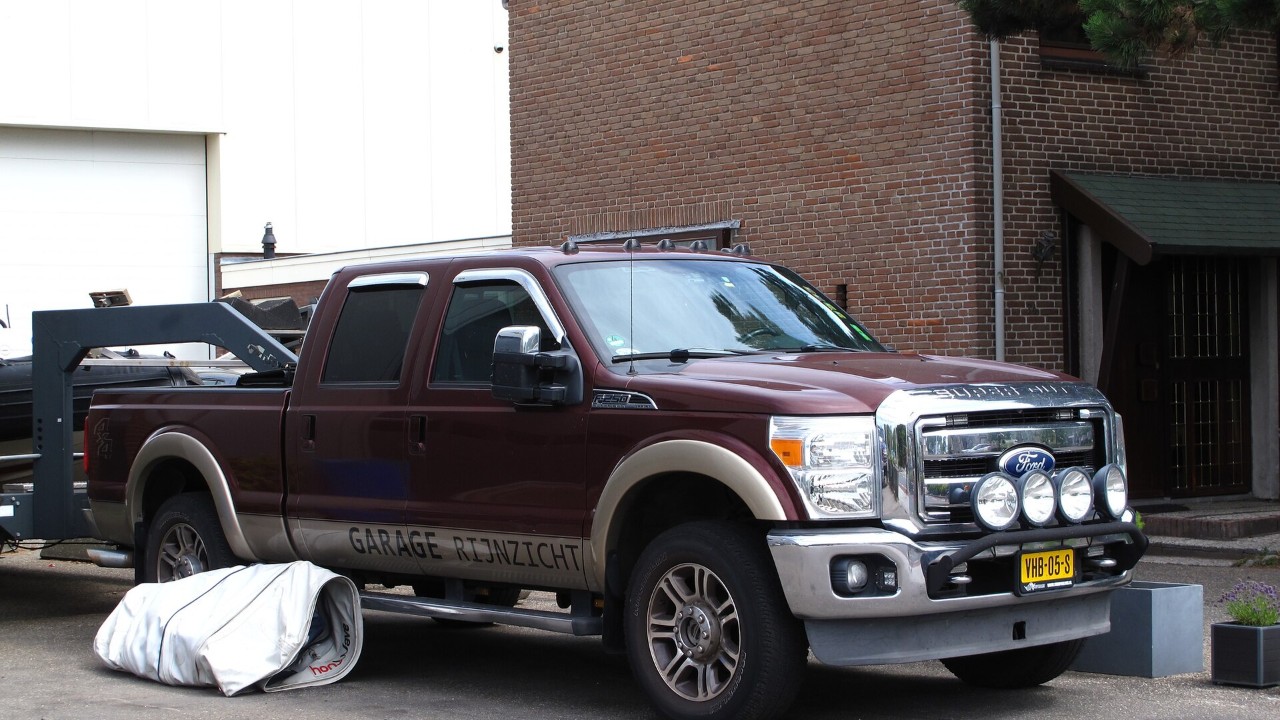
For 2011, Ford launched two new engines for the Super Duty. The headliner was the 6.7-liter Power Stroke diesel, rated at 390 horsepower and 735 lb-ft at launch. That was a lot of torque for 2011, but the diesel also brought extra cost and complexity. Even so, the gas engine is the one we’d point budget shoppers toward.
The new 6.2-liter Boss V8 made 385 horsepower and 405 lb-ft in trucks under 10,000 pounds GVWR. That’s a big jump from the first-generation V10’s 310 horsepower. Ford gave the 6.2 two valves per cylinder, which keeps the top end relatively simple for an engine this size. In other words, the new gas V8 replaced the old V10’s work with two fewer cylinders and 75 more horsepower.
Our take: a 2011 F-250 6.2 is the heavy-duty truck for owners who tow now and then and drive empty most days. It skips the turbocharger and the pricier service of a modern diesel. Change the oil on schedule and keep the cooling system healthy, and we think it will reward you for years. If you tow heavy every weekend, though, the diesel makes more sense.
9. 2003–06 GMC Sierra 2500HD extended cab
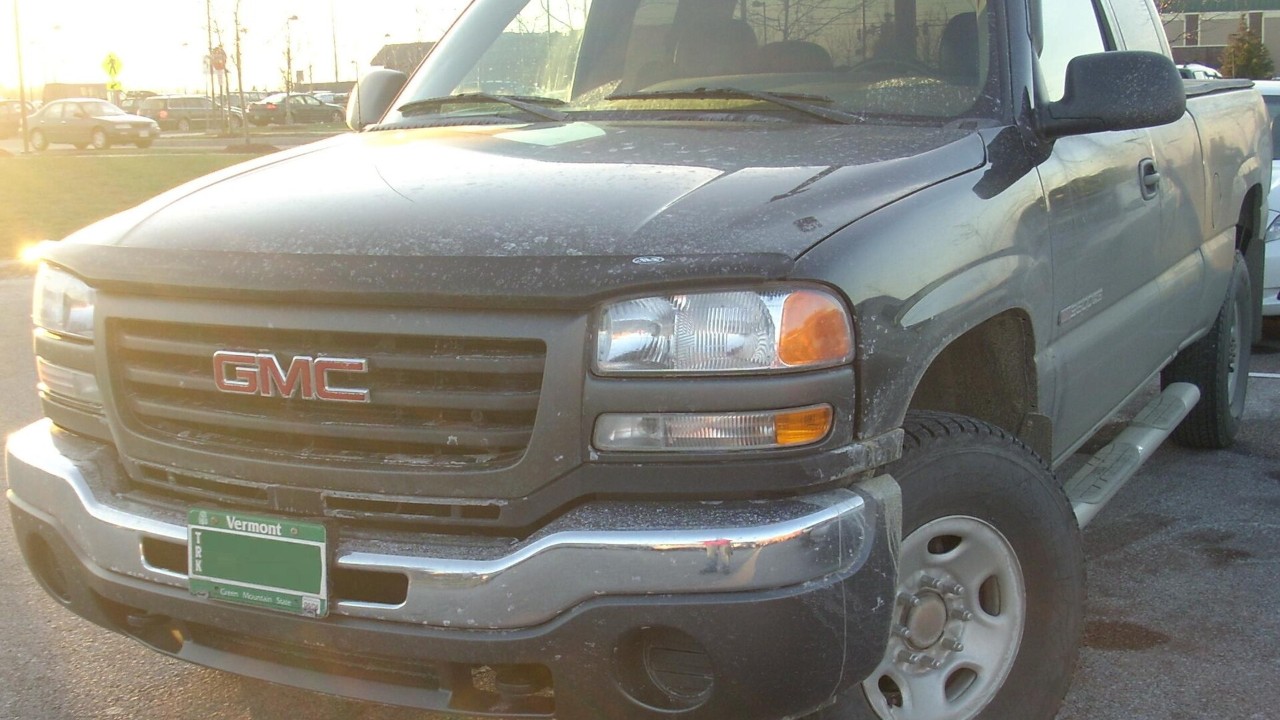
GM’s heavy-duty GMT800 trucks arrived a year after the light-duty versions and got a refresh for the 2003 model year. The GMC Sierra 2500HD shared its hardware with the Chevrolet Silverado HD. Because the trucks shared so much, owners of either brand can draw on the same pool of parts. Its extended cab, meanwhile, added rear seating without the full length of a crew cab.
The engine most buyers want is the 6.6-liter Duramax diesel V8. The LB7 version, used through 2004, made 300 horsepower and 520 lb-ft. Its LLY successor, used in 2004 and 2005, raised torque to 605 lb-ft. Later, for 2006, the LBZ arrived with 360 horsepower and 650 lb-ft. That’s a big jump in only a few years, and it shows how fast GM developed this engine.
Our take: this run of Sierras offered three Duramax versions in four model years, and each one built on the last. We’d lean toward a 2006 LBZ truck, since it pairs the most power with the final version of this body. Whichever year you choose, have a diesel specialist go over it before you buy.
10. 1973 International 1210
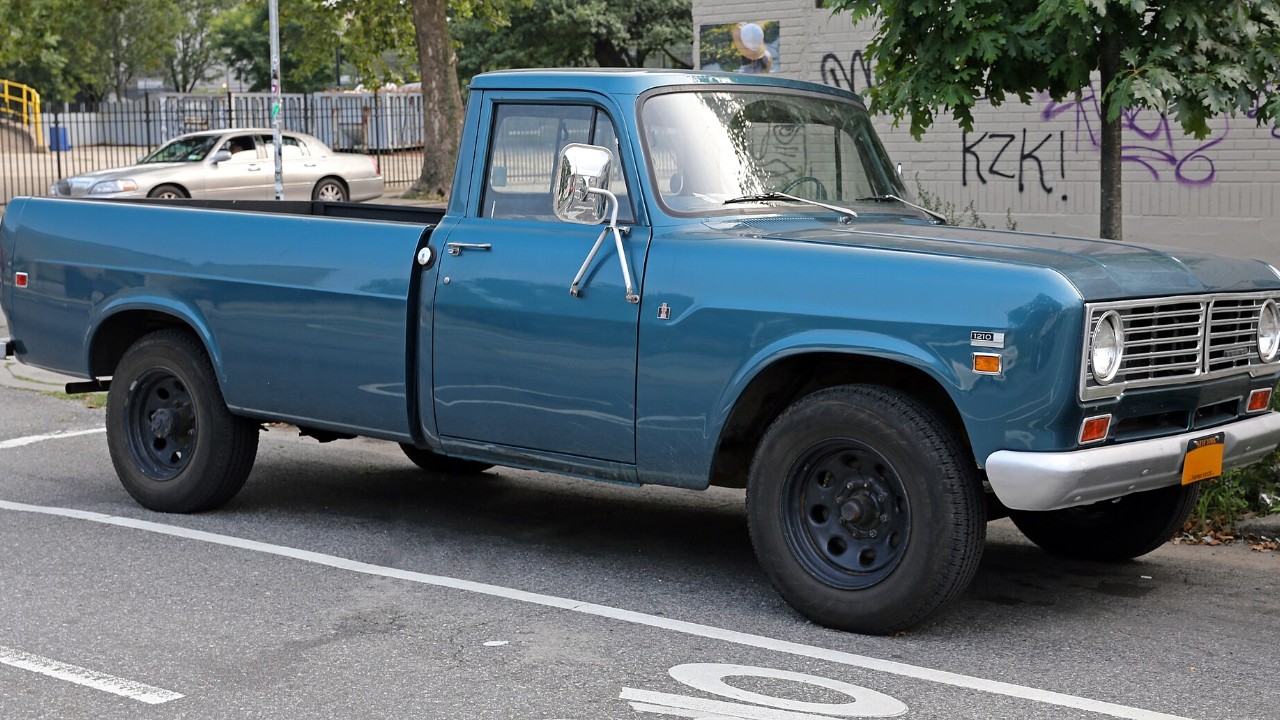
International Harvester built pickups for farmers and fleet buyers, and its Light Line trucks carried model numbers based on their weight rating. From 1971, that range ran from the 1010 to the 1510. While the 1010 used torsion bars up front, the 1110 and heavier models such as this 1210 used a solid I-beam front axle.
Engines were stout and varied. IH offered its own V8s from 304 to 392 cubic inches. Some 1973 and 1974 trucks even got AMC’s 401 V8, which IH called the V-400, because its own engines were in short supply. However, the Light Line couldn’t survive the oil crisis and the Big Three, and pickup and Travelall production ended in May 1975. The Travelall wagon had been developed in parallel with these pickups, too.
Our take: a 1973 1210 comes from a company that built tractors and big rigs, and it shows. If you want something tough that nobody else at the show will have, this is it. We’ve rounded up more of the brand’s rare trucks if this one hooks you. Parts take some hunting, so join an IH club before you buy.
11. 2018 GMC Sierra Denali HD Duramax
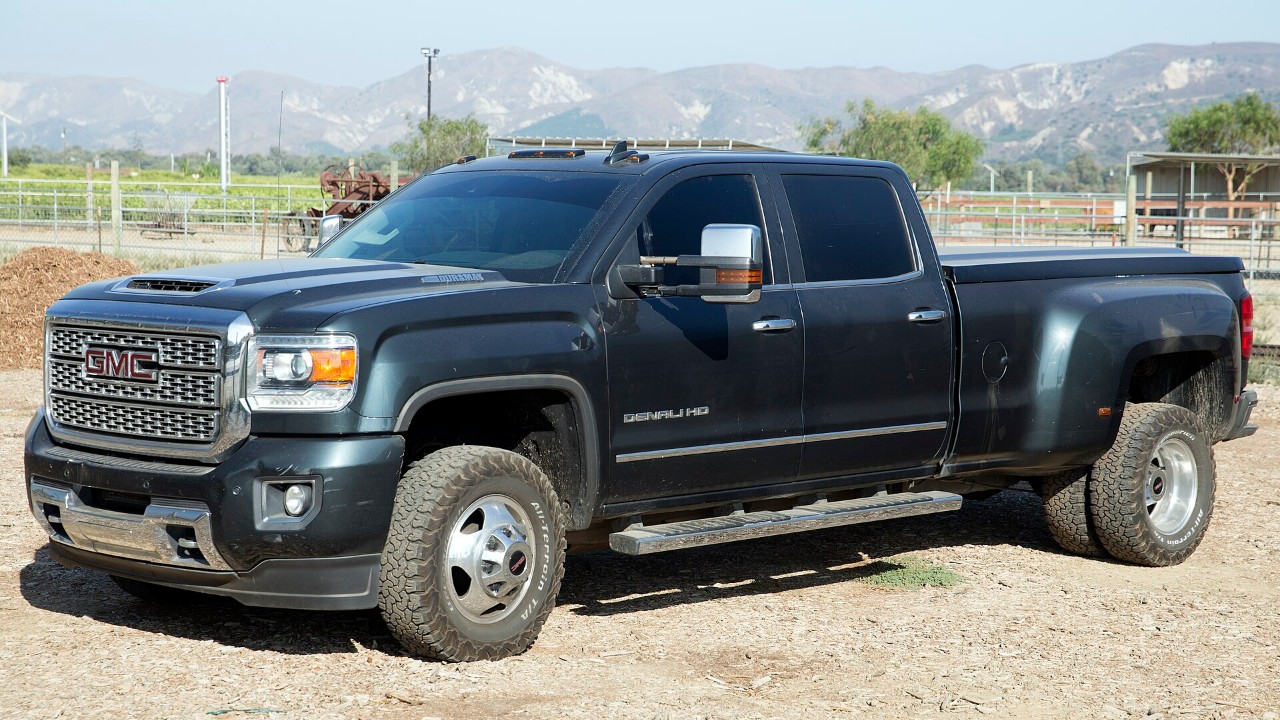
The 2017 model year brought a new 6.6-liter Duramax to the Sierra HD, and GM debuted it at the 2016 State Fair of Texas. According to Cars.com, it made 445 horsepower and 910 lb-ft, which was 12 percent more power and 19 percent more torque than the engine before it. A 2018 Denali HD pairs that engine with GMC’s top trim.
The hardware backs up the numbers. The engine used a stronger cast-iron block with a larger-diameter crankshaft and stronger connecting rods. Its Allison 1000 automatic, first developed for medium-duty trucks, gained a stronger torque converter and output yoke. Even the hood helps, because its vent supplies as much as 55 percent of the engine’s intake air.
Our take: a Denali HD is a luxury truck built on hardware meant for hard work. It will cost more to keep up than an old 12-valve Dodge. Still, it tows with an ease nothing else from the earlier eras on this list can match. Also, its cabin makes a long towing day far easier on the driver. Look for full service records, including the emissions system, before you sign.
12. 1997 Ford F-350 XL dually
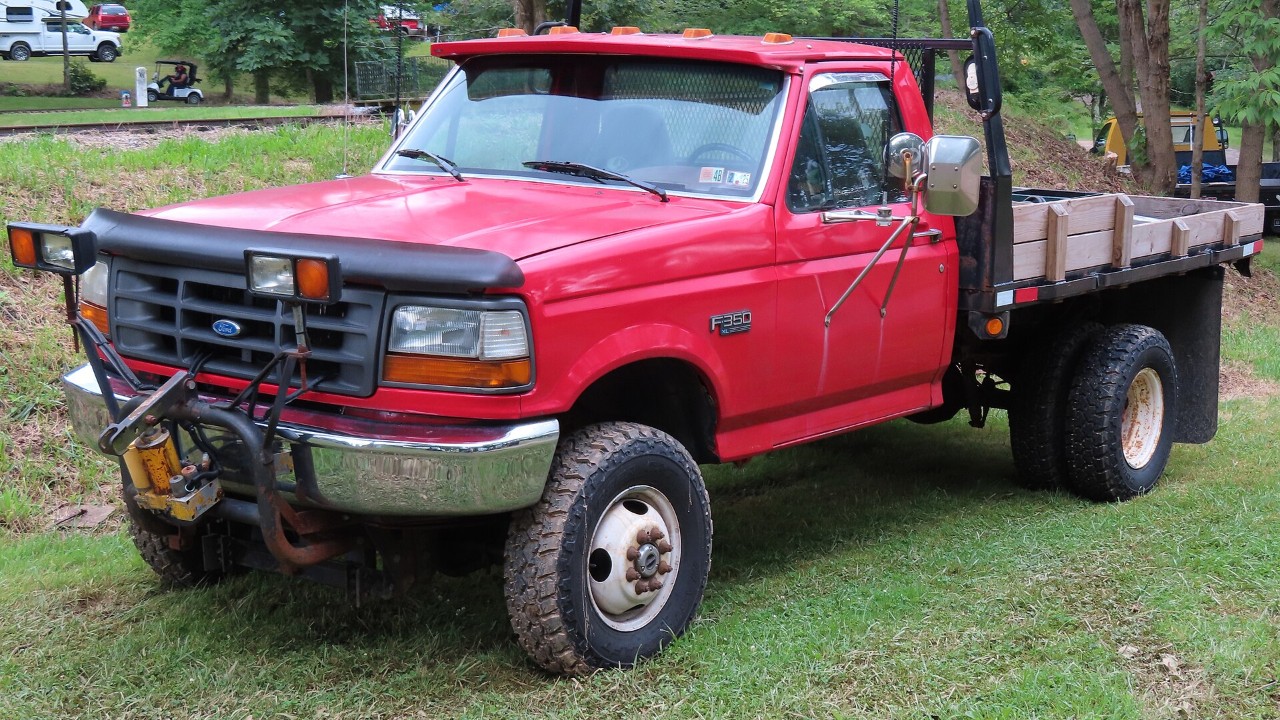
The 1997 F-350 belongs to the generation that Ford service technicians called OBS, for Old Body Style. They used the name to tell early Power Stroke parts apart from those of the Super Duty that followed. The ninth-generation line ended production in December 1997, although the F-350 carried on as a 1998 model.
Ford’s 7.3-liter Power Stroke arrived in the second half of 1994, built by Navistar as the T444E. In 1996 and 1997 it made 215 horsepower and 425 lb-ft. Buyers could also choose the 7.5-liter 460 gas V8, which made 245 horsepower. A dual-rear-wheel F-350 pickup carried a 10,000-pound GVWR, well above the 9,200-pound rating of a single-rear-wheel F-350 pickup.
Our take: a 1997 F-350 dually is about as basic as a heavy truck gets, and that’s its appeal. We’d take a plain XL over a loaded one, because there’s less to fix. In our view, it’s the most honest truck on this list. Just budget for a careful look at the frame and the injectors before you hand over cash.
More from Fast Lane Only