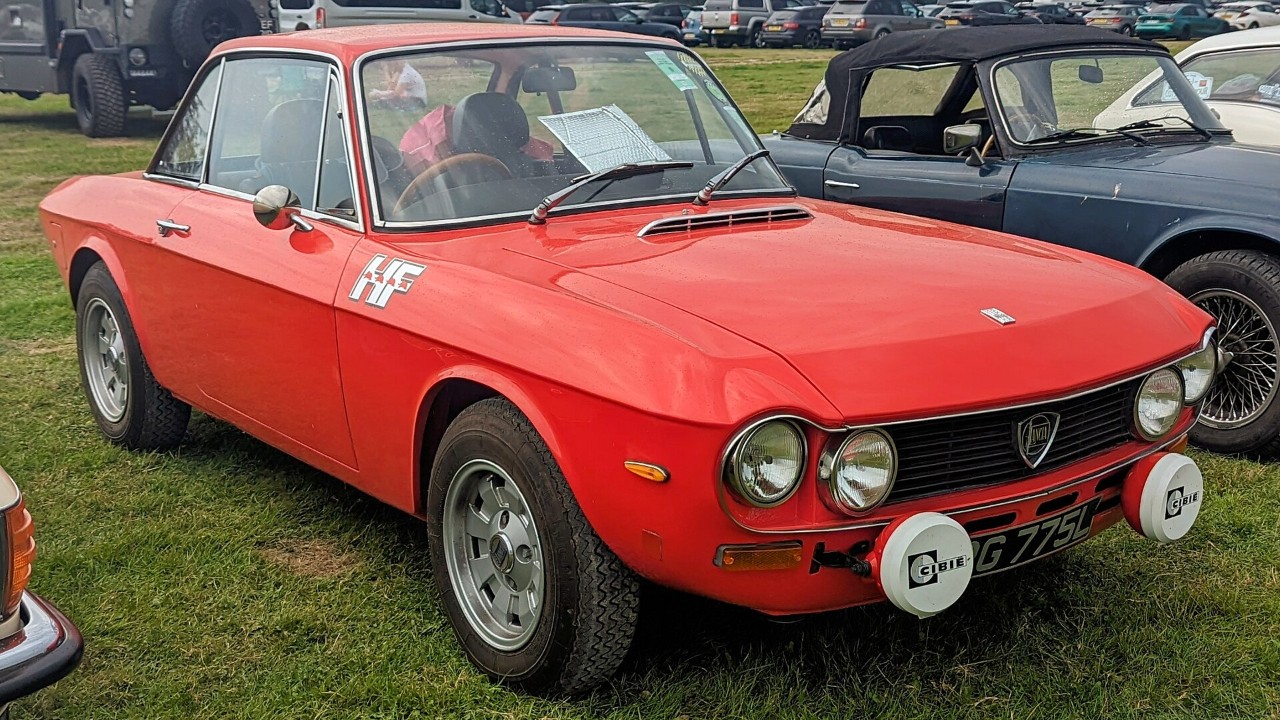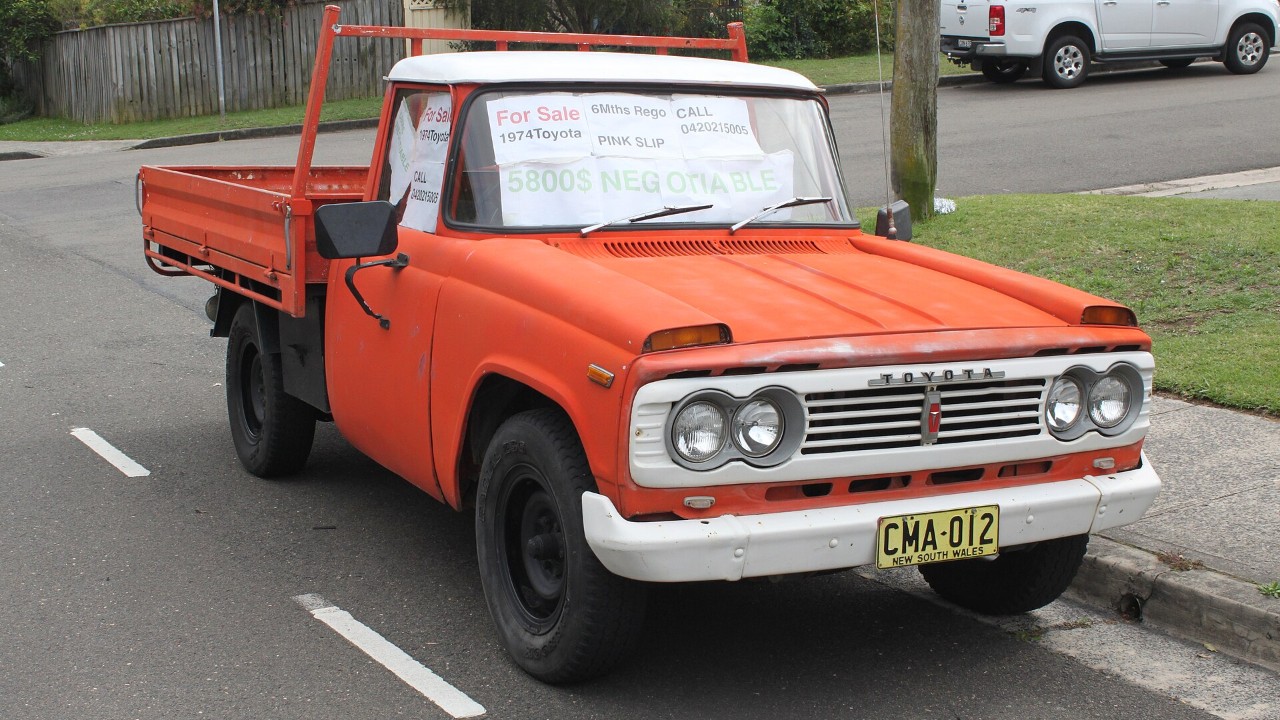
The Toyota 20R never made much power, yet it set the pattern for a generation of tough Toyota pickups. An iron block, an aluminum head and a chain-driven overhead cam don’t sound exciting on paper. Even so, that kind of simple recipe is why some four-cylinder engines outlived the cars around them.
Four-cylinders often get treated as the cheap option, the engine you take when you can’t afford the six. That reputation is fair for some of them. On the other hand, a handful were designed with thick castings, sturdy bottom ends or forgiving timing systems, and those details make all the difference over years of hard use.
These ten are our picks for four-cylinder engines that seem built to outlast everything else. The verdicts are our opinion, and we make no mileage promises for any of them. However, the displacements, ratings and production dates come from engine histories, Hagerty, Autoblog and enthusiast references we checked for this story.
1. 1975–1980 Toyota 20R
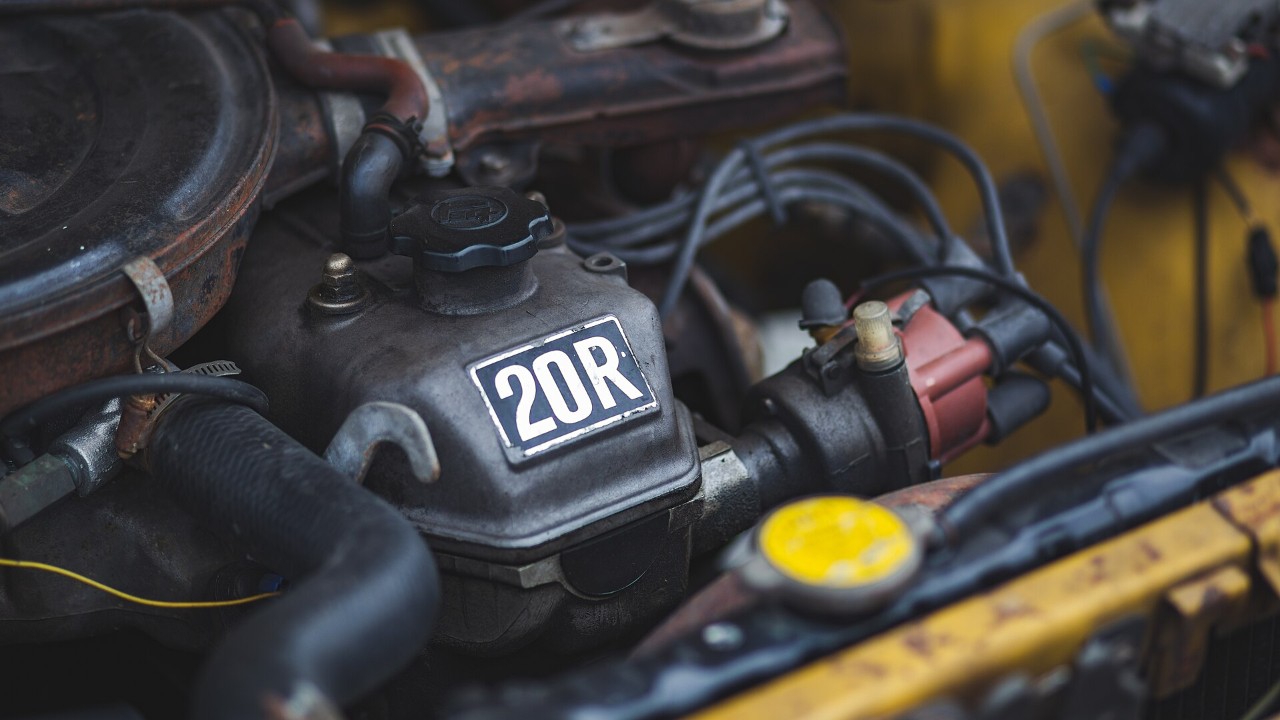
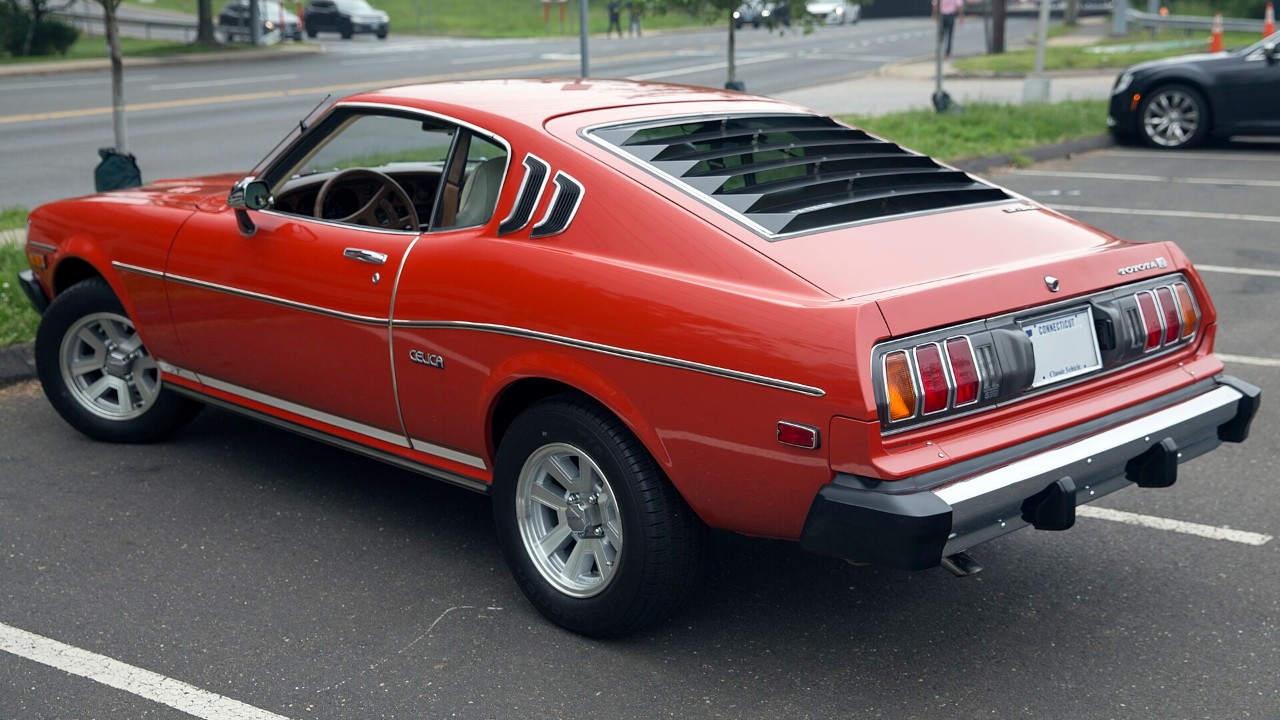
Toyota built the 20R from 1975 to 1980 and put it in pickups, rear-drive Celicas and rear-drive Coronas. According to Engine Builder, it displaced 2,189 cc with an 88.5 mm bore and an 89 mm stroke. The block was cast iron, the head was aluminum, and a chain drove the single overhead camshaft.
Output was modest. Early U.S. versions were rated at 97 hp, and the final 1979–1980 version was rated at 90 hp. Even so, the basic design proved so sound that Toyota carried its bones forward. The later 22R, which ran into the 1990s, used the same crankshaft and connecting rods as the 20R.
In our view, that carry-over is the best evidence of how right Toyota got this engine. Carmakers don’t reuse a rotating assembly unless it has already proved itself. The Toyota 20R laid the groundwork for Toyota’s later R-series truck engines, and that earns it the first spot here.
2. 2004–present Toyota 2TR-FE
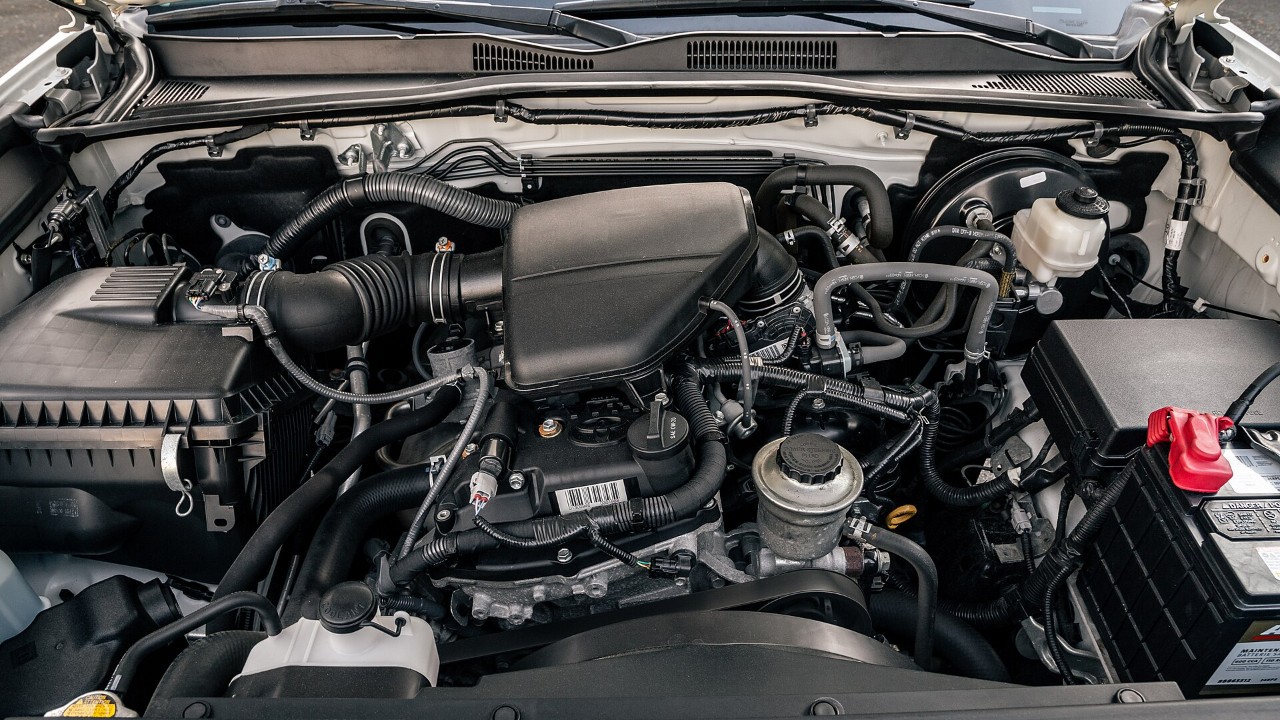
Toyota’s 2TR-FE is the modern heir to the Toyota 20R and its truck tradition. Production began in August 2004, and the engine displaces 2,693 cc with a square 95 mm bore and stroke. It uses a cast-iron block, four valves per cylinder and a timing chain rather than a belt.
Its job list is the real story. Toyota has used it in the Hilux from 2004 onward and in the HiAce van, while the Tacoma carried it from 2004 to 2023. Those are work vehicles that see heavy loads, rough roads and long idling. In January 2015, Toyota updated the engine with Dual VVT-i, and later versions make up to about 161 hp.
Our take is that the 2TR-FE wins on stubbornness rather than speed. It has stayed in production for more than two decades with only careful updates. For anyone shopping for a used four-cylinder Tacoma or Hilux, this is the engine that makes the truck worth a look.
3. 1983–2000 Mercedes-Benz OM601
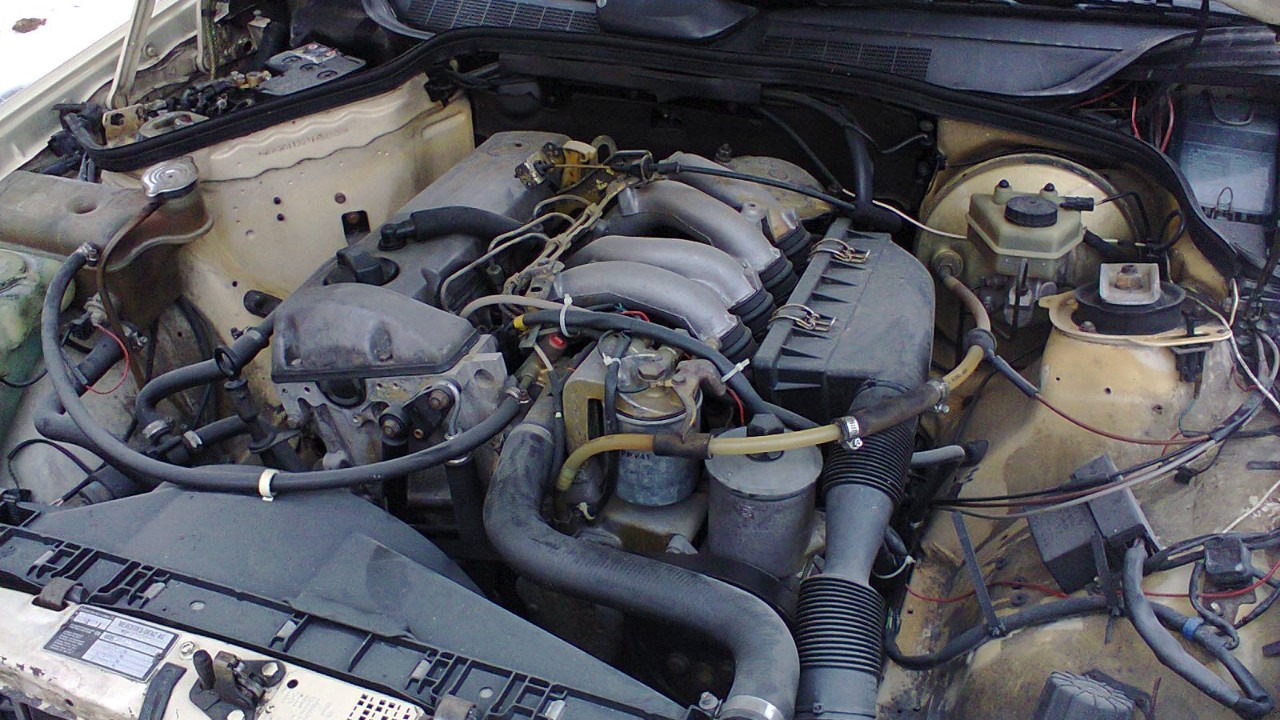
The OM601 was Mercedes-Benz’s compact four-cylinder diesel, built from 1983 to 2000 in 2.0-, 2.2- and 2.3-liter forms. It used pre-chamber indirect injection, a single overhead cam and two valves per cylinder. A duplex chain drove both the camshaft and the injection pump.
American buyers met it in the 190D. According to Autoblog, the U.S. car used the 2.2-liter version rated at 72 hp and 96 lb-ft. That was hardly quick, and the price wasn’t small either. With the automatic, a 190D listed at $23,810, and 1988 was the last year for the diesel W201 in America.
We think the OM601 is the textbook slow-but-steady engine. It trades power for low stress, and it drives its camshaft with a chain rather than a rubber belt. If you find a 190D that has been serviced, you’re buying the engine before you’re buying the car.
4. 1984–1993 Saab B202
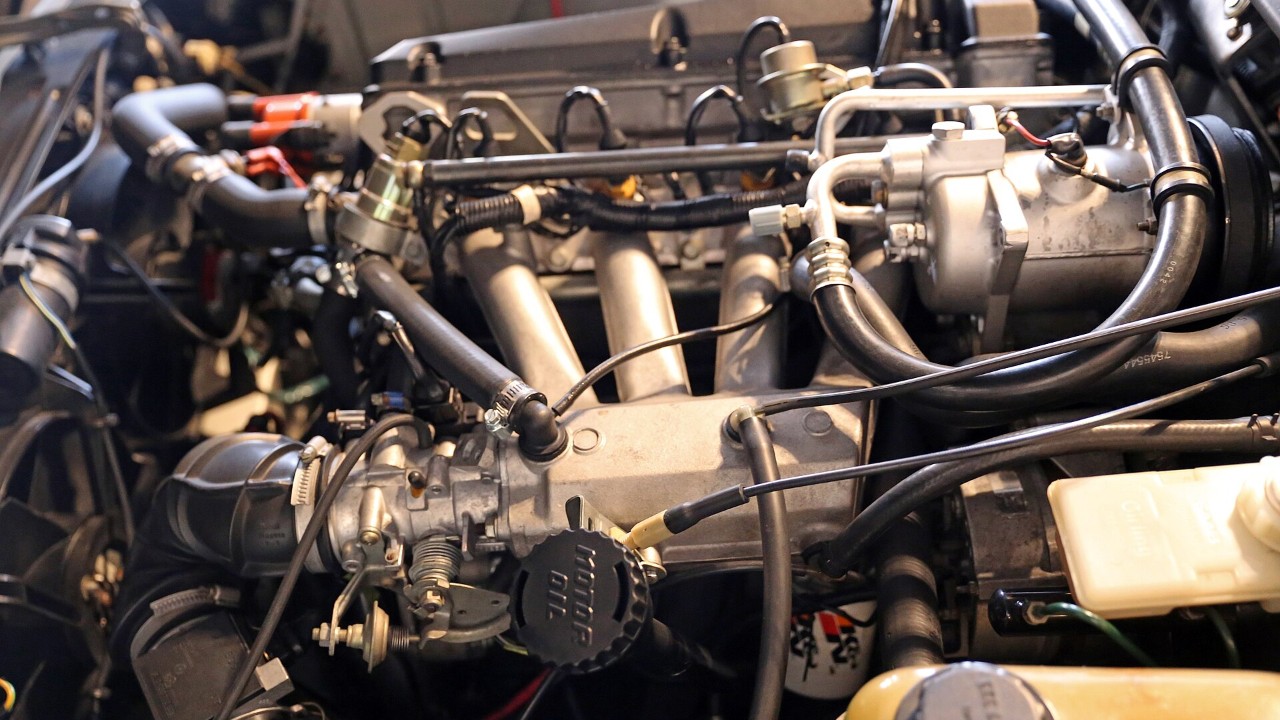
Saab introduced the 16-valve B202 in 1984 and renamed the older eight-valve engine the B201. According to Saab Planet, the B202 displaced 1,985 cc and used twin overhead camshafts with hydraulic lifters. Bosch LH-Jetronic injection worked alongside Saab’s APC system with knock control.
The engine came in a wide spread of tunes. The naturally aspirated B202I made 115 bhp, while the full-pressure turbo in the 900 T16 made 175 to 185 bhp. At the top, the B202R in the 9000 Carlsson made 204 bhp. Saab Planet says bottom ends have lasted a million miles with regular maintenance, and that head gaskets are more likely to fail than timing chains.
In our opinion, the B202 shows that a turbo engine can be tough when the basics are strong. Saab Planet also notes the engine’s cult following among enthusiasts. Our gallery of 10 Saabs so elegant they still stop traffic shows the cars it powered.
5. 1989–2002 Nissan SR20DE
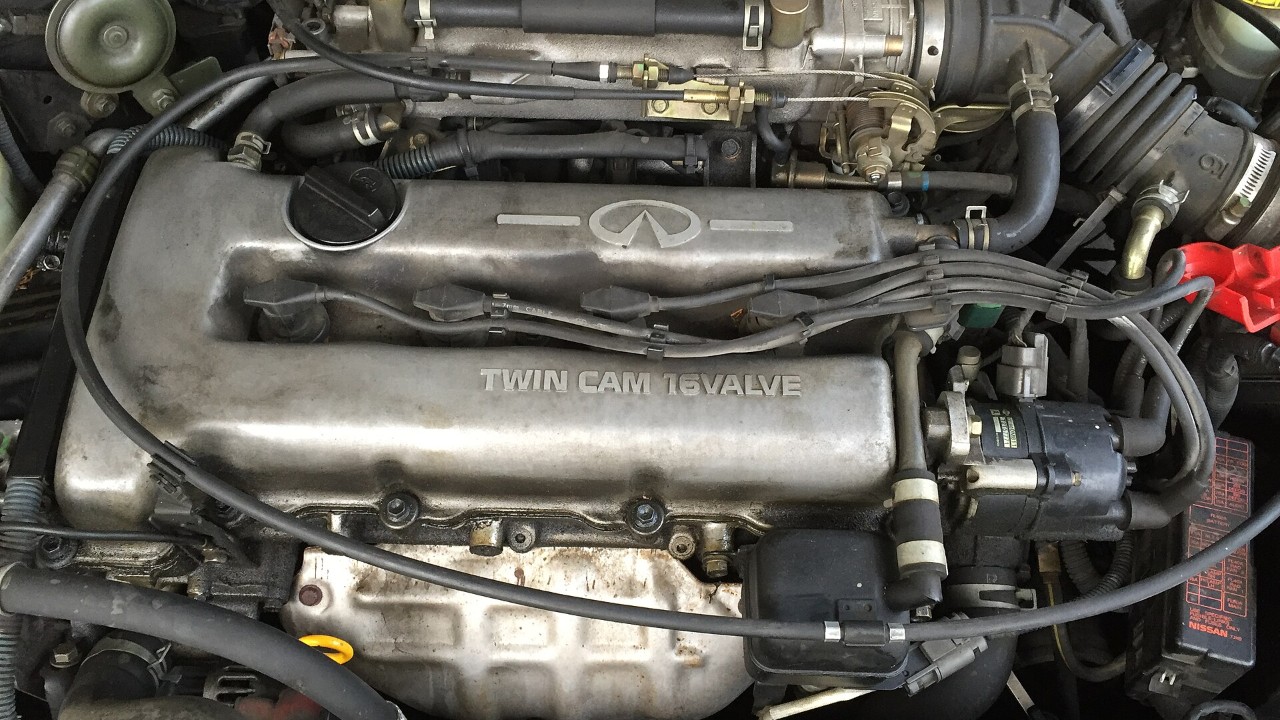
Nissan’s SR20DE first appeared in the U12 Bluebird in October 1989. It displaced 1,998 cc with a square 86 mm bore and stroke, and like every SR engine it used a timing chain instead of a belt. The 1991 SAE rating was 145 hp at 6,400 rpm.
In America, the engine went into the Nissan 200SX and the Infiniti G20. Across its applications, outputs ranged from about 125 to 165 hp. Nissan gradually phased it out after the QR family arrived in 1999, and production stopped in 2002.
Our view is that the SR20DE is the rare engine that is both fun and durable. It gives you a free-revving character and a chain-driven valvetrain in one package. That pairing is what earns it a place here. If you want one, a stock G20 is an easy, low-key place to start.
6. 1990–2001 Toyota 5S-FE
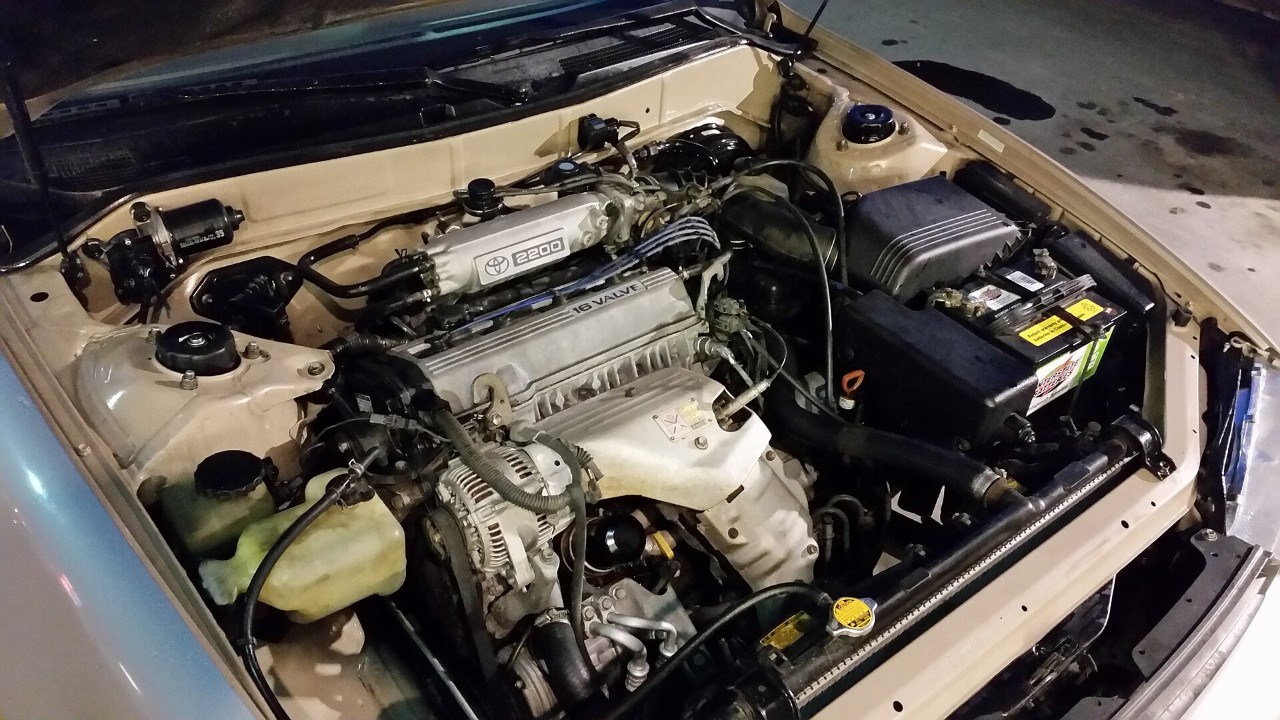
The 5S-FE was Toyota’s workhorse four for the 1990s. It displaced 2,164 cc with an 87 mm bore and a 91 mm stroke, and it shared the S family’s iron-block design. Output ran from about 130 to 136 hp depending on the year, with 144 to 150 lb-ft of torque.
Toyota spread it widely. It powered the Camry from 1992 to 2001, the Celica, the second-generation MR2 and the first Camry Solara. Better still, it was a non-interference design. If the timing belt snaps, the pistons shouldn’t hit the valves, so a missed belt change is a tow rather than a rebuild.
We’d call the 5S-FE one of the most forgiving engines on this list. It doesn’t need to be exciting because it was built for millions of daily commutes. Eventually, Toyota replaced it with the 2.4-liter 2AZ-FE. Even so, a 1990s Camry with this engine remains a sensible cheap car for a new driver.
7. 1962–1988 BMW M10

BMW’s M10 began with an argument. According to Silodrome, engineer Alex von Falkenhausen rejected a brief for a 1.3-liter engine and proposed a 1.5-liter design that could grow to 2.0 liters. The first version went into the 1962 BMW 1500 with 1,499 cc and 80 bhp.
He built it to last. The M10 used a cast-iron block for stiffness, a forged steel crankshaft running in five main bearings and a chain-driven overhead cam. BMW then built more than 3.5 million cars with it over about 26 years, from the New Class sedans and the 2002 to the first 3 Series and 5 Series.
That stout bottom end paid off on the track. Silodrome says BMW’s 1.5-liter turbo Formula 1 engine was built around a production M10 block, and it won the 1983 World Championship with Nelson Piquet. In our view, no other road-car four on this list proved its toughness so publicly.
8. 1984–1990 Chrysler 2.2 Turbo
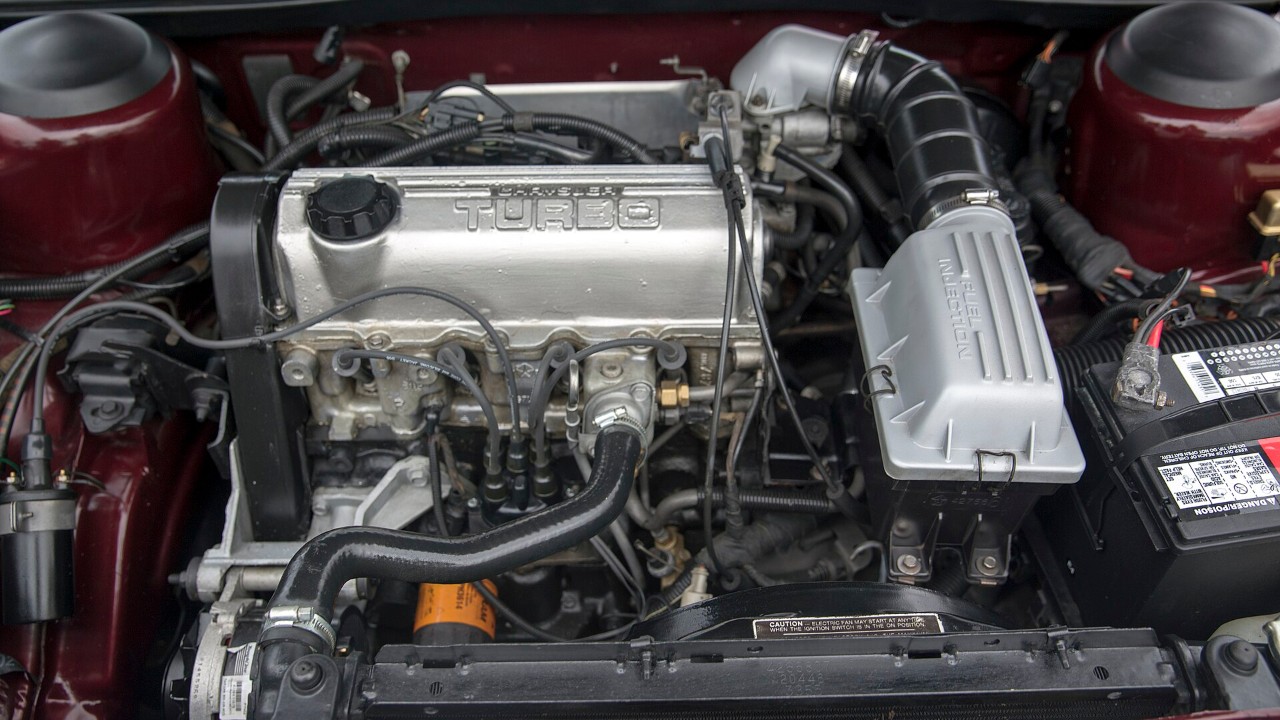
Chrysler’s 2.2 first appeared in the 1981 Dodge Aries and Plymouth Reliant. Then, for 1984, the company added a Garrett turbocharger to create the Turbo I, its first turbocharged engine. That first version made 142 hp and 160 lb-ft without an intercooler, and a computer-controlled wastegate pushed it to 146 hp for 1985.
The next step went further. The intercooled Turbo II made 175 hp and 200 lb-ft on about 12 psi of boost. For the 1987 to 1989 Dodge Daytona Shelby Z, Chrysler also strengthened it with a forged crankshaft and forged connecting rods. Meanwhile, the Turbo II also went into the Shelby CSX and Shelby Lancer.
Our take is that the 2.2 Turbo deserves more respect than its K-car roots suggest. It started life in an economy sedan, then handled high boost in performance cars. If you shop for one, look for a Turbo II with service records and a healthy intercooler.
9. 1980s Ford 2.3 Lima Turbo
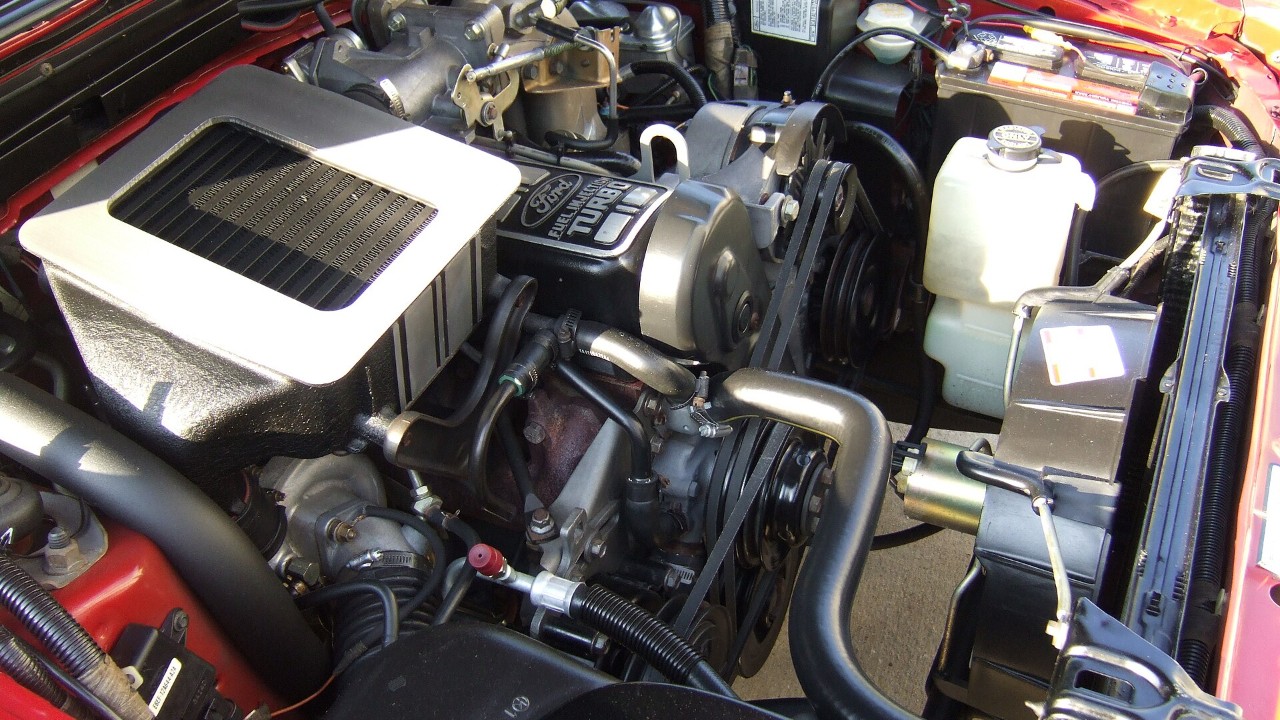
Ford built its 2.3-liter overhead-cam four at the Lima Engine plant in Lima, Ohio, and many people call it the Pinto engine. The basic four went into everything from the Pinto and Fairmont to the Ranger and the Mazda B2300 pickup. However, the turbocharged version gave it a second career in performance cars.
The Mustang SVO showed how far it could go. According to Hagerty, the SVO’s turbo four started at 175 hp and rose to 205 hp for the ’85 model year, with 60 mph in 6.8 seconds. Ford sold 9,502 SVOs. Meanwhile, the Thunderbird Turbo Coupe used an intercooled, fuel-injected 2.3 rated at 155 hp in 1986, according to Autoblog.
In our opinion, the Lima Turbo proves that a humble economy engine can take a beating. It went from base Pintos to turbo coupes and the Merkur XR4Ti with the same basic architecture. Turbo lag was a real drawback, though. If you want one today, budget for a fresh turbo and plumbing.
10. 1970s–1980s Volvo B21
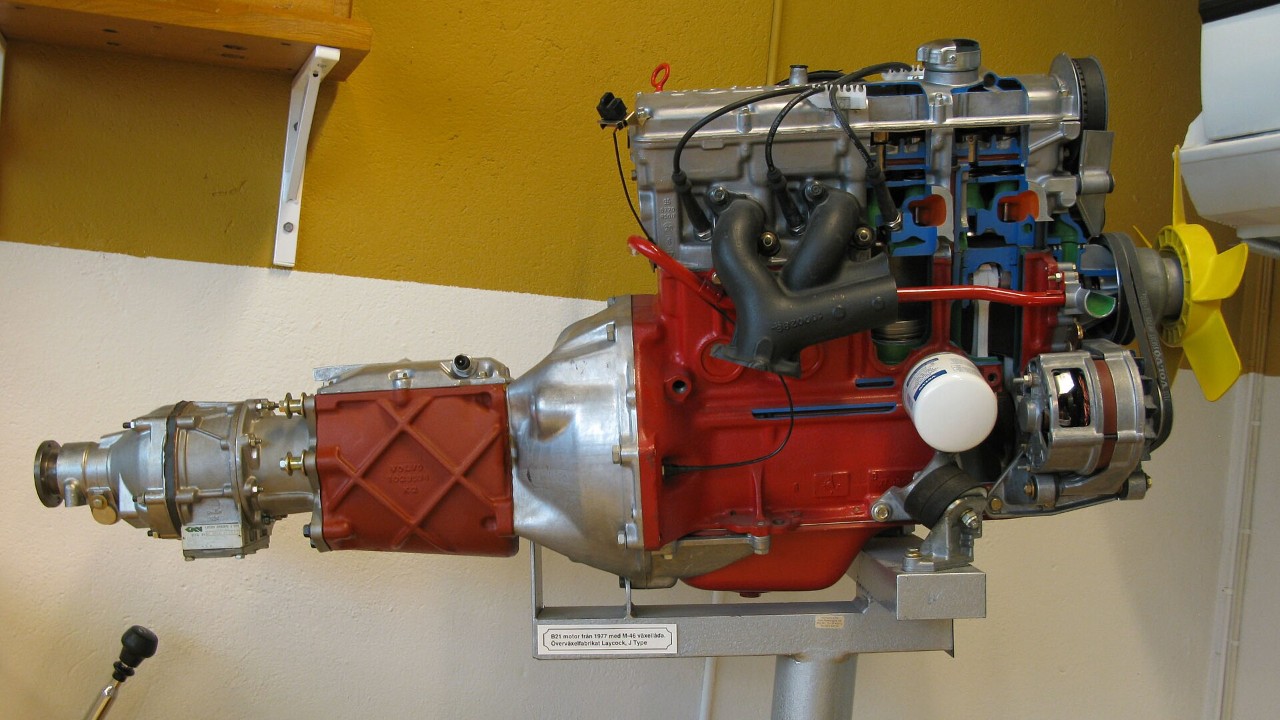
The B21 is the engine behind Volvo’s “red block” nickname, named for the red paint on its iron block. It displaced 2.1 liters with a 92 mm bore and an 80 mm stroke. The single overhead camshaft was driven by a toothed belt, and the overhead-cam engine was standard in the 240 in all markets by the 1976 model year.
Crucially, the single-cam versions were designed as non-interference engines, so a broken timing belt shouldn’t wreck the valves. U.S. naturally aspirated versions made 98 to 107 hp. The turbocharged B21FT arrived in 1981 with 127 hp, and the intercooled version reached 162 hp in 1984.5. In 1985, Volvo introduced the low-friction B230 as its successor.
We think the B21 did as much as any engine to build the old Volvo reputation for toughness. Its design is simple, and the forgiving belt layout takes much of the risk out of ownership. For more of the cars it powered, see our list of 12 Volvos worth remembering.
More from Fast Lane Only