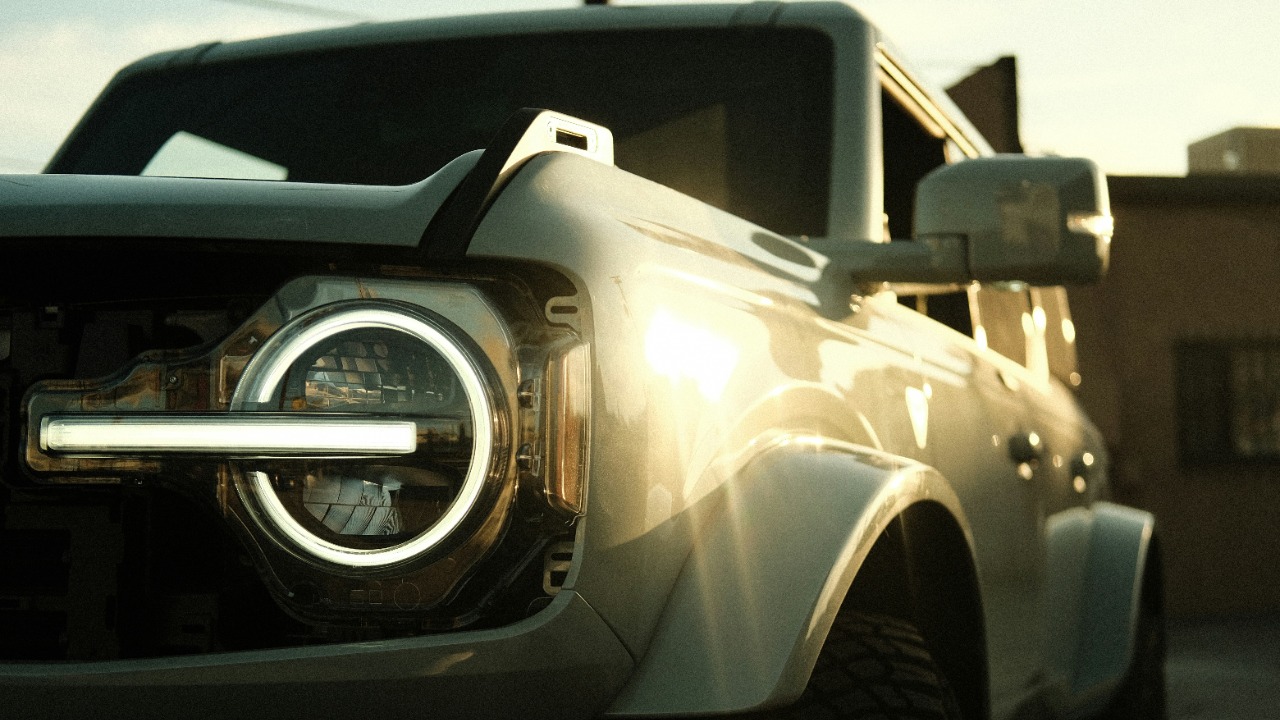
After years of rumors, wishlist threads, and “when are they gonna do it?” comments, it’s now official: a Bronco hybrid is coming. It’s a big deal not because hybrids are trendy, but because the Bronco is one of the most identity-heavy vehicles on the road. When a brand confirms electrification for something this rugged and this nostalgic, it usually signals a shift in what buyers will expect from off-roaders going forward.
And yes, people are already imagining the best-case scenario: more low-end torque, better range between fill-ups, and quieter crawling on trails. The interesting part is that a hybrid Bronco doesn’t have to turn the whole vibe into “techy crossover.” If it’s done right, it could feel like the same Bronco—just with a few extra tricks in its back pocket.
What “confirmed” really means (and what it doesn’t)
Confirmation matters because it ends the guessing game. Until now, the idea of a Bronco hybrid lived in the land of hints, supplier chatter, and “it would make sense” logic. Now the message is simple: it’s in the plan, it’s real, and it’s coming.
At the same time, “confirmed” doesn’t automatically mean you’ll be ordering one next weekend. Automakers often confirm future variants well before they share powertrain specs, horsepower numbers, or trims. So the smart takeaway is momentum: it’s not a maybe anymore, it’s a when.
Why a Bronco hybrid is a bigger deal than it sounds
The Bronco isn’t just another SUV; it’s a statement purchase. People buy it for the removable roof, the boxy stance, and that “I might go off-road at any moment” energy (even if the most rugged terrain it sees is a parking lot curb). Dropping a hybrid into that image signals that electrification is no longer reserved for city commuting and efficiency bragging rights.
It also puts direct pressure on the rest of the off-road world. If a hybrid Bronco lands and it’s genuinely better to drive—stronger response, smoother crawling, fewer fuel stops—then “hybrid” stops sounding like a compromise. It starts sounding like the new normal.
What buyers will want from it (and what they won’t forgive)
Most Bronco shoppers aren’t asking for the absolute lowest fuel consumption on paper. They’re asking for practical improvements that show up in everyday driving: more usable torque, better drivability in traffic, and not watching the fuel gauge drop like it’s in a hurry. A hybrid system can help with all of that if it’s tuned for real-world behavior, not just a lab number.
But there are a few things buyers won’t forgive. If the hybrid version costs a fortune and doesn’t feel meaningfully stronger or smoother, people will shrug and stick with gas. And if packaging the battery hurts ground clearance, approach angles, or trail durability, the internet will notice immediately—probably before the first press drive even ends.
Hybrid tech could actually make it better off-road
This is where it gets interesting. Off-road driving is all about control at low speeds, and electric motors are great at delivering instant, precise torque. A hybrid Bronco could crawl more smoothly over rocks and uneven terrain, especially if the system is calibrated to give clean, predictable power right off idle.
There’s also the potential for quieter operation at low speeds, which sounds like a small perk until you’re on a trail trying to hear tire placement or spotter directions. Nobody’s pretending it’ll be silent like a full EV, but even a partial shift toward electric assistance can change the feel. In the off-road world, “feel” is half the point.
The real-world upside: range, daily driving, and towing confidence
Plenty of Bronco owners use them like everyday SUVs. That means school runs, commuting, weekend errands, and the occasional road trip with the roof panels stowed somewhere in the garage. A hybrid setup can make the start-stop rhythm of daily driving less thirsty and a lot less annoying.
Then there’s range. The Bronco’s shape is basically a brick with charisma, so it’s not exactly built to sip fuel. If a hybrid helps stretch a tank noticeably, that matters for road trips, backcountry routes, and anybody who’s tired of planning gas stops like they’re plotting a heist.
Towing is another spot where hybrids can shine, not necessarily by raising maximum ratings, but by improving the experience. Electric torque can help launches feel less strained and keep the power delivery steadier on grades. If the hybrid system is paired with smart cooling and durable components, it could feel more confident under load, not less.
How this could reshape pricing and trim expectations
Here’s the tension: hybrids typically cost more upfront, and Bronco trims can already climb quickly once you start checking boxes. If the hybrid arrives as a pricey, limited “halo” model, it’ll be exciting but not transformative. If it’s offered across multiple trims, or priced close enough to gas versions that the value is obvious, it changes the whole market.
Buyers will also watch how the hybrid is positioned. Is it the new “best all-around” Bronco, or a niche pick for people chasing mileage? The moment it’s marketed as the one that drives better everywhere—street, sand, snow, rocks—then hybrid becomes an upgrade path, not an alternative.
What it means for rivals (and why they should be nervous)
A confirmed Bronco hybrid sends a clear message to competitors: buyers want capability and modern powertrains at the same time. If it delivers, it raises the baseline expectation that an off-roader can be tough and efficient-ish without losing its personality. That’s a tricky balance, and not everyone will nail it.
It also nudges the entire segment toward electrification in a way that feels less like a lecture and more like a perk. Off-roaders tend to be skeptical of change, but they love anything that makes their rig feel stronger and more controllable. If hybrid tech becomes associated with better trail manners and better daily comfort, the resistance fades fast.
What to watch for next
Now the waiting game shifts from “is it real?” to “how is it built?” The most important details will be the type of hybrid system, how it’s packaged for durability, and whether it keeps the Bronco’s core strengths intact. Pay attention to things like low-speed response, cooling strategy, and whether the hybrid hardware affects ground clearance or water fording specs.
Also watch the trim strategy and pricing. A hybrid that’s locked behind a high trim and expensive options will feel like a novelty, even if it’s impressive. A hybrid that’s accessible—and clearly better to drive—could reset what people expect from rugged SUVs for the next decade.
More from Fast Lane Only
- Unboxing the WWII Jeep in a Crate
- 15 rare Chevys collectors are quietly buying
- 10 underrated V8s still worth hunting down
- Police notice this before you even roll window down
*Research for this article included AI assistance, with all final content reviewed by human editors.