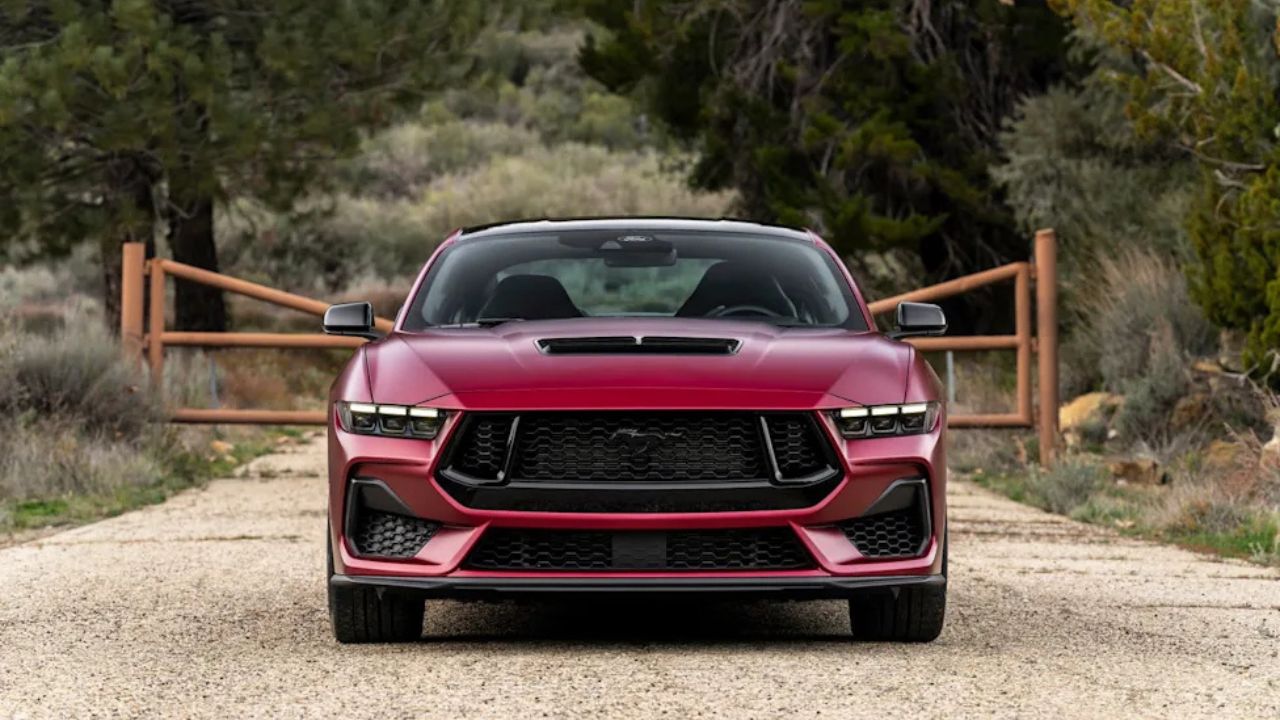
Ford may be preparing the biggest transformation of the Mustang brand since the pony car debuted more than six decades ago. Comments from Ford executive Andrew Frick suggest the company is actively exploring ways to expand the Mustang family beyond its traditional coupe and convertible roots, with industry observers increasingly pointing to a four-door sedan as a likely candidate.
The possibility of a Mustang sedan reflects a broader shift in the auto industry, where iconic performance nameplates are evolving into full vehicle families rather than remaining single-model products. For Ford, the move could create new opportunities to grow one of its strongest brands while appealing to buyers who want performance with added practicality.
How Ford’s Mustang strategy is evolving beyond the traditional pony car
The speculation gained momentum after Andrew Frick, president of Ford Blue and Model e, indicated that the company sees opportunities to expand the Mustang lineup into additional segments. While Ford has not officially confirmed a sedan, Frick’s remarks suggest that the automaker is looking beyond the current two-door formula as it plans the future of the Mustang brand.
The idea is not entirely new. Ford has previously explored ways to stretch the Mustang name into other vehicle categories, most notably with the introduction of the Ford Mustang Mach-E. Although the Mach-E initially sparked controversy among enthusiasts, it demonstrated Ford’s willingness to use the Mustang badge beyond traditional sports cars.
A four-door Mustang has also surfaced in rumors and design studies over the years. Automotive insiders have pointed to dealer presentations, trademark filings, and concept discussions that suggest Ford has examined sedan-like interpretations of the Mustang formula. Some reports have linked those efforts to the “Mach 4” trademark, which enthusiasts believe could be connected to a future performance sedan.
Unlike past Ford sedans such as the Fusion or Taurus, a Mustang-branded sedan would likely emphasize performance, styling, and driver engagement. Rather than competing directly with mainstream family sedans, it could target buyers looking for a more emotional driving experience while still needing four doors and usable rear seats.
The strategy mirrors what several performance-focused brands have done in recent years. Manufacturers have increasingly transformed iconic sports-car nameplates into broader product families that include multiple body styles, allowing them to reach more customers while leveraging existing brand recognition.
Why a Mustang sedan could make sense in today’s market
The Mustang occupies a unique position within Ford’s portfolio. As SUVs and trucks dominate the company’s lineup, the Mustang remains one of the few passenger-car nameplates that continues to carry significant global recognition and enthusiast appeal.
Expanding the Mustang lineup could help Ford fill a gap left by the disappearance of many traditional sedans. While the overall sedan market has contracted, millions of buyers still prefer lower-slung vehicles over crossovers. A Mustang sedan could give those consumers an option that blends practicality with performance-oriented styling.
The move would also allow Ford to capitalize on the strength of the Mustang brand without launching an entirely new nameplate. Building awareness for a new vehicle family requires significant marketing investment, whereas Mustang already enjoys decades of heritage and worldwide recognition.
Performance sedans have historically proven that buyers are willing to pay a premium for vehicles that combine everyday usability with sporty character. A four-door Mustang could potentially compete against vehicles ranging from sport sedans to fastback-style performance cars, particularly if Ford offers high-output turbocharged engines or V8-powered variants.
Technology and electrification may also play a role. Ford continues investing heavily in electrified platforms, and an expanded Mustang family could eventually include hybrid or fully electric performance models designed to appeal to a broader audience than the traditional coupe.
What a future Mustang family could look like
If Ford moves forward with a sedan, the biggest question will be how closely it stays connected to the core Mustang formula. Enthusiasts will likely expect rear-wheel drive, aggressive styling, and strong performance credentials regardless of body style.
Designers may draw inspiration from fastback coupes, creating a sleek four-door shape that preserves the Mustang’s long hood, muscular stance, and distinctive proportions. Such an approach would help differentiate the vehicle from conventional sedans while maintaining visual links to the existing Mustang lineup.
Powertrain choices will be equally important. Ford could potentially offer everything from turbocharged EcoBoost engines to V8-powered performance variants, depending on market demand and regulatory requirements. Electrified options could also become part of the equation as emissions standards continue tightening around the world.
The company will also need to balance expansion with brand identity. Mustang enthusiasts have traditionally viewed the car as a two-door performance machine, and any new body style will inevitably face scrutiny from purists. However, the success of the Mach-E suggests that Ford is increasingly comfortable taking calculated risks with one of its most valuable automotive brands.
For now, Ford has stopped short of officially confirming a Mustang sedan. Still, Andrew Frick’s comments represent one of the clearest signs yet that the company sees the Mustang as more than a single model. If the strategy moves forward, the next chapter of Mustang history may include four doors, broader appeal, and a significantly larger role within Ford’s future lineup.
More from Fast Lane Only
- Unboxing the WWII Jeep in a Crate
- 15 rare Chevys collectors are quietly buying
- 10 underrated V8s still worth hunting down
- Police notice this before you even roll window down
*Research for this article included AI assistance, with all final content reviewed by human editors.