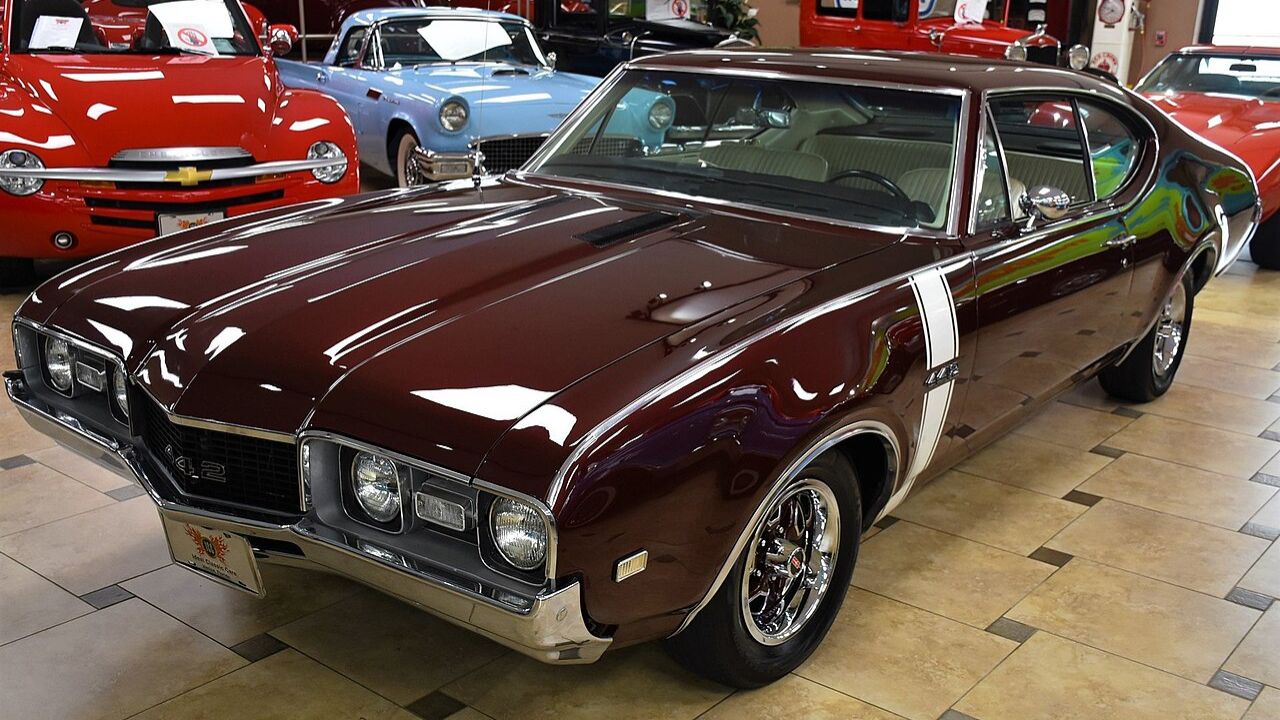
The Oldsmobile Cutlass 442, an iconic muscle car from the late 1960s, captured the hearts of automotive enthusiasts with its impressive performance. In 1968, this powerhouse reached 60 mph in approximately 7 seconds, showcasing a blend of speed, style, and engineering excellence. The Cutlass 442 not only represented a significant advancement in automotive technology but also embodied the spirit of an era defined by performance and American muscle.
Historical Context of the 1968 Oldsmobile Cutlass 442
The Oldsmobile Cutlass has a storied history, having first been introduced in 1961 as a compact model. By the time 1968 rolled around, it had evolved into a full-size car that appealed to a broad demographic. The Cutlass 442 was born from the desire to compete in the burgeoning muscle car market, which was characterized by high-performance vehicles that offered American drivers speed and power. This segment was critical in the late 1960s, representing a cultural shift towards performance-oriented cars that could be driven on both the streets and the racetrack.
In 1968, the Cutlass 442 became a standout in Oldsmobile’s lineup, distinguished by its powerful engine options and sporty aesthetics. The target demographic for the Cutlass 442 included young professionals and car enthusiasts who craved excitement and performance. The model’s combination of style, muscle, and practicality made it a popular choice among buyers looking for something that could serve as both a daily driver and a weekend warrior. The 442 designation itself, referring to its 4-barrel carburetor, 4-speed manual transmission, and 2 exhausts, became synonymous with performance and agility.
Engine Specifications and Performance
The heart of the 1968 Cutlass 442 was its formidable 400-cubic inch V8 engine, which generated an impressive 350 horsepower. This powerplant was capable of propelling the car from 0 to 60 mph in around 7 seconds, a remarkable feat for the time. The engine featured a robust design that included a high-performance camshaft and a dual exhaust system, allowing it to produce a throaty roar that resonated with enthusiasts. Buyers could opt for an upgraded version that pushed the horsepower to 365, making it even more appealing to those seeking thrill behind the wheel.
In terms of drivetrain options, the 442 offered buyers a choice of either a 3-speed automatic or a 4-speed manual transmission, catering to different driving preferences. The manual transmission added an element of sportiness that many enthusiasts appreciated, while the automatic provided ease of use for daily driving. When compared to rival muscle cars of the era, such as the Ford Mustang or Chevrolet Camaro, the Cutlass 442 held its own, offering a balance of power and refinement that was hard to beat.
Design and Aesthetics
The design of the 1968 Cutlass 442 was as striking as its performance. The car featured bold bodylines that emphasized its muscular stance, along with a distinctive front grille that showcased Oldsmobile’s styling direction. Available in a variety of paint options, including vibrant colors like Rally Red and Gold, the Cutlass 442 was designed to turn heads. The overall aesthetic was not just about looks; it was about making a statement on the road.
Inside, the Cutlass 442 offered a driver-focused cockpit that combined comfort with functionality. The seating was designed to provide ample support during spirited driving, while the dashboard boasted easy-to-read instrumentation that kept drivers informed without distraction. Unique badges and trim elements distinguished the 442 from other Cutlass models, reinforcing its identity as a performance-oriented vehicle. Features like bucket seats and a center console added to the sporty feel, making it a desirable choice among those who valued both style and performance.
Driving Experience and Handling
The driving experience of the 1968 Cutlass 442 was characterized by a well-tuned suspension system that balanced ride comfort with handling precision. The car featured a heavy-duty suspension that included front and rear sway bars, providing stability during cornering and enhancing overall control. This setup allowed drivers to navigate both city streets and winding roads with confidence, a trait that became a hallmark of the muscle car genre.
User feedback from contemporary reviews highlighted the Cutlass 442’s enjoyable driving dynamics. Many drivers praised its smooth acceleration and responsive steering, which made it a pleasure to drive. Compared to modern muscle cars, the Cutlass 442 offered a different driving experience; while today’s models feature advanced technology and handling capabilities, the 442 provided a raw and engaging connection to the road that many enthusiasts still cherish. The blend of speed and handling in the 442 made it a standout choice for those seeking a thrilling ride.
Market Impact and Sales Figures
The 1968 Cutlass 442 enjoyed impressive sales figures, with approximately 17,000 units sold that year. This success positioned the model as a formidable competitor in the muscle car market, solidifying Oldsmobile’s reputation in the performance segment. Consumer reception was overwhelmingly positive, with many praising its blend of performance, style, and affordability. The Cutlass 442 became a symbol of the American muscle car era, appealing to a wide range of buyers from gearheads to those simply looking for a stylish ride.
Advertising played a crucial role in boosting sales, with campaigns highlighting the 442’s performance capabilities and stylish design. Oldsmobile positioned the Cutlass 442 as not just a car, but a lifestyle choice for those who valued speed and excitement. Promotional materials emphasized the thrill of driving the 442, effectively capturing the imagination of potential buyers. This strategic marketing contributed to the model’s lasting impact, making it a beloved choice among muscle car aficionados.
Legacy of the Oldsmobile Cutlass 442
The legacy of the Oldsmobile Cutlass 442 extends far beyond its production years. The model has influenced countless muscle cars that followed, inspiring design elements and performance features that are still prevalent in today’s automotive landscape. The Cutlass 442 is remembered fondly by collectors and enthusiasts, often regarded as one of the quintessential muscle cars of its era. Its unique blend of performance and style has made it a sought-after classic in the collector car market.
Notable appearances in popular culture have further cemented the Cutlass 442’s place in automotive history. From film features to appearances in automotive events, the 442 remains a symbol of American muscle. Vintage car shows often highlight this model, celebrating its design and performance. The Cutlass 442’s impact on the muscle car scene is undeniable, and its legacy continues to inspire new generations of automotive enthusiasts.
Restoration and Collectibility
For those looking to own a piece of automotive history, restoring a 1968 Cutlass 442 can be a rewarding project. Factors affecting restoration include the condition of the vehicle, availability of replacement parts, and the owner’s mechanical skills. Many enthusiasts appreciate the challenge of bringing an old car back to life, and the Cutlass 442 is a popular choice for such endeavors. The market for classic muscle cars has seen a resurgence, with many collectors willing to pay a premium for well-preserved or restored models.
Current market trends indicate a growing interest in classic muscle cars, including the Cutlass 442. Buyers are often looking for vehicles that offer a combination of performance and nostalgia. For prospective owners considering a purchase, it’s essential to research the model’s history and market value. Understanding the nuances of the Cutlass 442, such as its engine options and production numbers, can aid in making an informed decision. Additionally, connecting with vintage car clubs and online forums can provide valuable insights into ownership and restoration.
Challenges and Considerations
Owning a vintage Cutlass 442 comes with its own set of challenges. Common mechanical issues faced by owners include outdated components, rust, and electrical problems. As these vehicles age, it’s not uncommon for parts to wear out or become difficult to find, necessitating careful maintenance and sometimes costly repairs. Owners should be prepared for the realities of vintage car ownership, including the need for regular upkeep to keep the vehicle running smoothly.
Moreover, emissions regulations can pose challenges for classic car owners. Many states have enacted strict laws regarding emissions, which can complicate the ownership of older vehicles. Prospective buyers should consider their local regulations when purchasing a vintage model like the Cutlass 442. Being proactive about maintenance and updates can help mitigate some of these challenges, allowing owners to enjoy their classic car while adhering to legal requirements.
More from Fast Lane Only