In the 1970s, Ford carved a niche for itself in the world of sleeper sedans—vehicles that appeared ordinary but packed a powerful V8 punch under the hood. These understated cars blended seamlessly with regular traffic, yet they were capable of unexpected performance bursts that left enthusiasts and unsuspecting competitors alike in awe. Delving into the intriguing world of Ford’s V8 sleeper sedans from the ’70s reveals their key models, unique features, and lasting impact on the automotive scene.
The Rise of Sleeper Sedans
The 1970s were a transformative period for the automotive industry, shaped by the oil crisis and shifting market demands. As fuel prices soared, car manufacturers faced the challenge of designing vehicles that balanced performance with fuel efficiency. Ford, always a step ahead, responded strategically by emphasizing performance without resorting to flashy designs. This led to the creation of sleeper sedans—cars that looked unassuming but packed a punch under the hood.
Sleeper cars captivated a niche market, appealing to enthusiasts who appreciated the thrill of powerful engines cloaked in modest exteriors. These vehicles became cult favorites, and Ford’s approach resonated with drivers who valued performance without the need for ostentatious displays. The allure of sleeper sedans lay in their ability to surprise the uninitiated, making them a beloved choice among car aficionados.
Iconic Ford Models of the Era

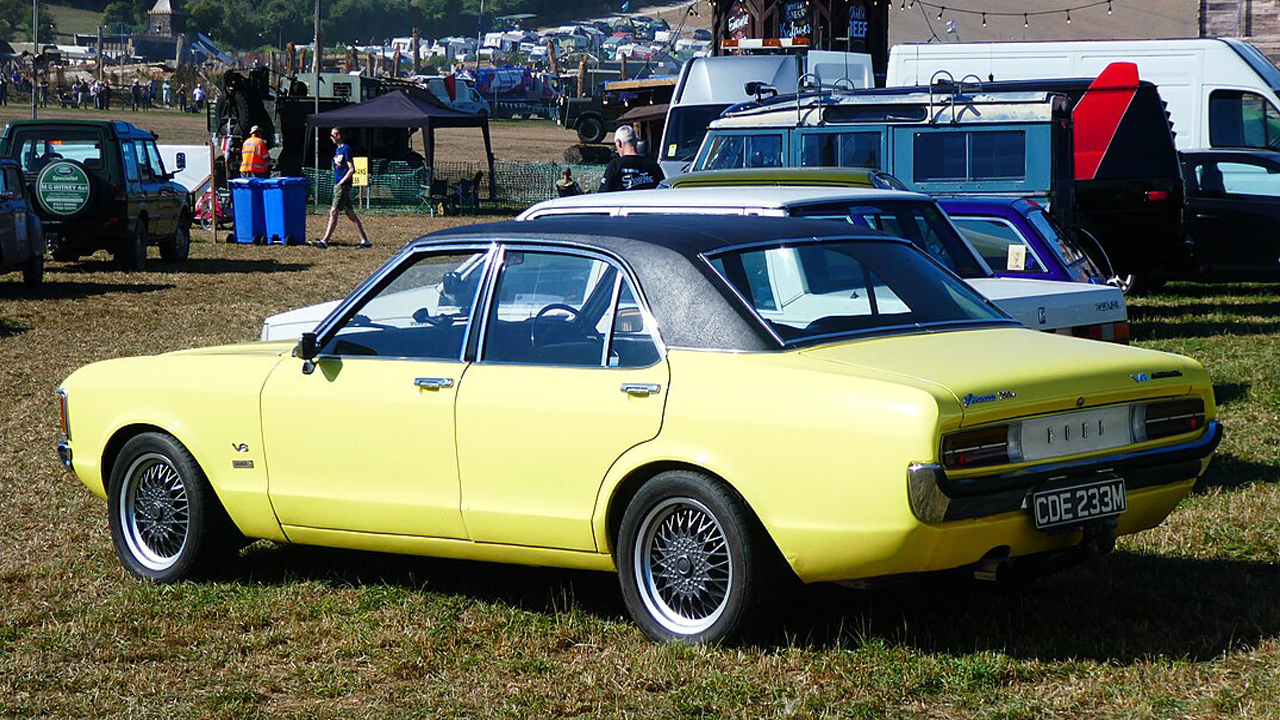
The Ford LTD is a prime example of a sleeper sedan from the ’70s. At first glance, its design was rather conventional, but beneath the hood, it offered powerful V8 options that delivered impressive performance. The LTD’s ability to blend into everyday traffic while packing a performance punch made it a standout model among sleepers.
Another notable model was the Ford Torino. Known for its robust specifications, the Torino quickly became a favorite in the sleeper sedan category. Its combination of power and practicality made it an appealing choice for those seeking a performance-oriented vehicle without drawing too much attention. Similarly, the Mercury Marquis offered a luxury-oriented experience, with potent power hidden beneath its elegant exterior, further solidifying Ford’s reputation in the sleeper sedan arena.
Engineering and Performance

The heart of Ford’s sleeper sedans lay in their engines. The V8 options available during the ’70s were known for their power and reliability. These engines featured advanced engineering techniques that allowed them to deliver impressive horsepower while maintaining efficiency. Ford’s ability to balance these elements set their sleeper sedans apart from the competition.
In addition to powerful engines, Ford paid careful attention to suspension and handling. The company expertly balanced comfort and performance, ensuring that drivers enjoyed a smooth ride without compromising on agility. Innovations and technological advancements, such as improved suspension systems, further enhanced the driving experience, making Ford’s sleeper sedans a force to be reckoned with.
Cultural Impact and Legacy

The enthusiast community has played a significant role in keeping the legacy of Ford’s sleeper sedans alive. Over the decades, these vehicles have maintained a loyal following, with fans drawn to their unique blend of performance and discretion. This enduring appeal is evident in modern car designs, where the sleeper sedan concept continues to influence automotive trends.
Ford’s sleeper sedans have also made their mark in media and pop culture. From appearances in movies and TV shows to features in automotive journalism, these vehicles have captured the imagination of audiences worldwide. Their role in pop culture has only served to enhance their status as icons of automotive history.
Challenges and Criticisms

Despite their eventual cult status, Ford’s sleeper sedans faced challenges in the 1970s. Initially, consumers were hesitant to embrace these understated performance vehicles, as flashy designs were often equated with power. However, as the sleeper concept gained traction, more drivers began to appreciate the unique appeal of these cars.
Environmental and safety concerns also posed challenges during this era. Regulatory changes demanded improvements in emissions and safety standards, which Ford had to navigate carefully. Additionally, competition from other manufacturers meant that Ford’s sleeper sedans had to continually evolve to stay ahead of rivals. Despite these hurdles, Ford’s commitment to innovation ensured that their sleeper sedans remained competitive and appealing to a diverse range of drivers.
Collectibility and Restoration Today

Today, Ford’s sleeper sedans from the ’70s continue to capture the interest of collectors and enthusiasts alike. The classic car market has seen trends in the valuation and demand for these vehicles fluctuate, but their appeal remains strong. Restoration projects are common, with enthusiasts eager to preserve the legacy of these iconic models.
Restorers often face challenges, as maintaining these classic vehicles requires careful attention to detail. Common issues include sourcing original parts and addressing wear and tear from decades of use. However, with the right guidance and dedication, these challenges can be overcome. Car shows and meetups dedicated to celebrating these iconic sedans offer enthusiasts a chance to connect, share tips, and showcase their painstakingly restored vehicles.