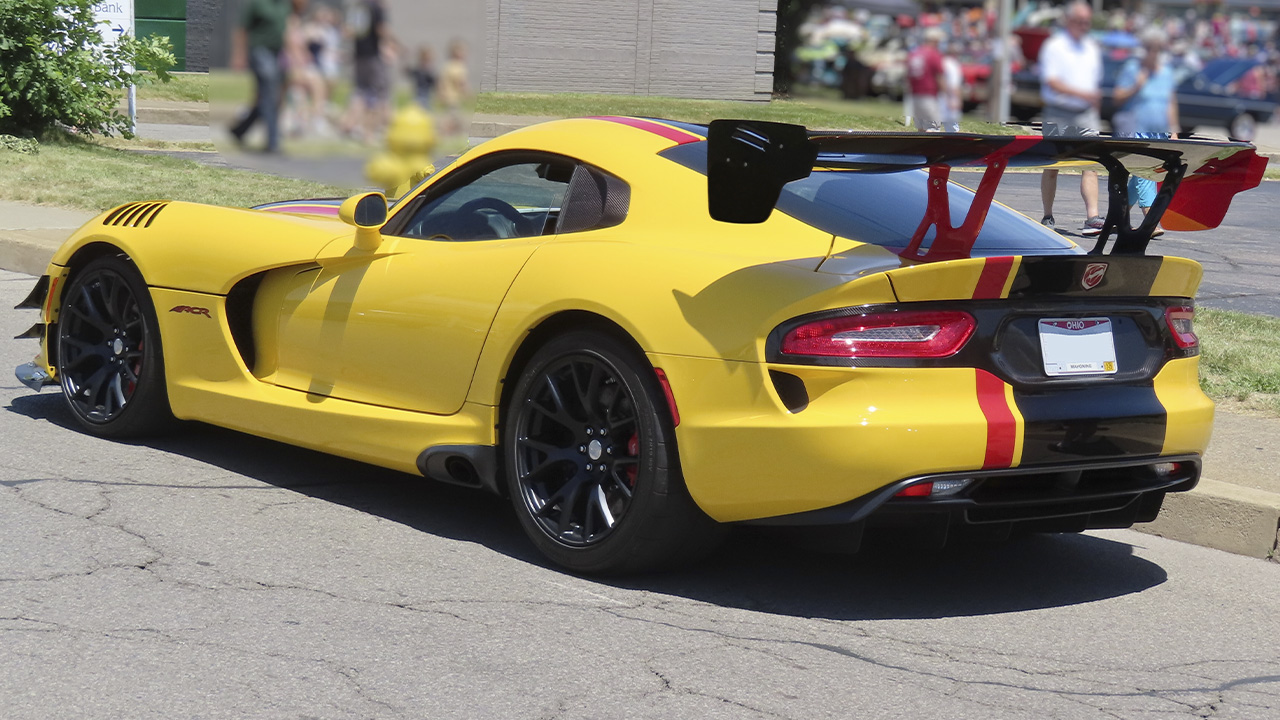
The Dodge Viper ACR didn’t care if you wanted a comfortable Sunday drive. Built to dominate lap times, not traffic lights, it stripped out comfort in favor of raw grip and brutal honesty. This wasn’t just a Viper with spoilers—it was a track weapon with a license plate. From its massive downforce to its unforgiving ride, here are 10 reasons the ACR never belonged in a weekend car show lineup.
Built Around the Track, Not the Street
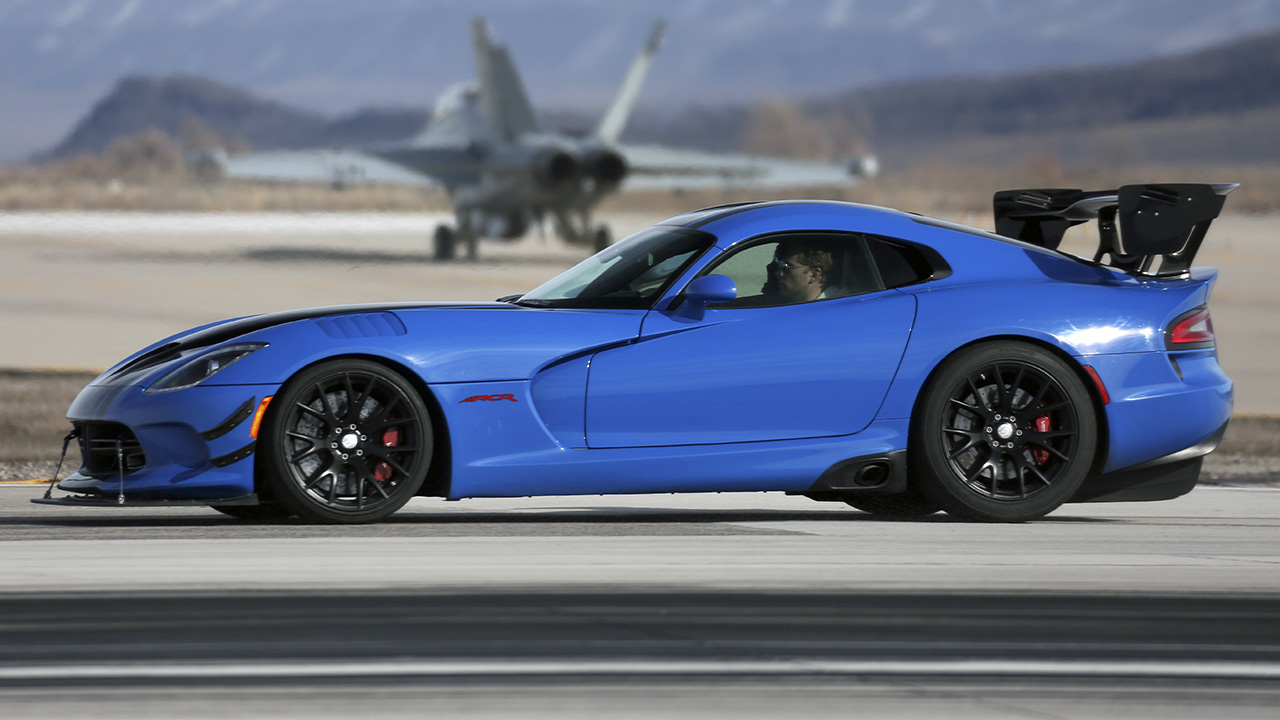
The ACR was designed for lap times. Dodge prioritized mechanical grip, aero, and precision over comfort or street manners. The suspension was stiff, the tires were unforgiving, and every setting leaned toward high-speed cornering stability.
It came with manually adjustable Bilstein coil-overs, full aero balance tuning, and carbon ceramic brakes that begged for heat. Cruising at 40 mph on city streets didn’t suit it. The car didn’t come alive until you were pushing it well past what public roads allow.
The 8.4-Liter V10 Wasn’t Toned Down

The ACR shared the same monstrous 8.4-liter naturally aspirated V10 from the standard Viper, making 645 horsepower and 600 lb-ft of torque. But unlike other high-power cars that soften delivery, this V10 hit hard from low RPM and kept pulling.
Throttle response was instant, and torque came on early, which made it brutal in low-speed traffic. The six-speed manual gearbox wasn’t geared for comfort either—it was direct, heavy, and meant to be worked. This powertrain wasn’t built for coffee runs—it was built to tear into apexes.
Downforce Came at a Cost

The ACR’s Extreme Aero Package produced over 1,700 pounds of downforce at 177 mph—more than most GT race cars. That included a huge dual-element rear wing, massive front splitter, and dive planes that actually worked.
But that aerodynamic grip came with drag, noise, and visibility compromises. You had to be careful with speed bumps, and the wing obstructed rearview vision. On the track, it planted the car like nothing else. On the street, it was overkill in the best and worst ways.
Ride Comfort Was Practically Nonexistent

The suspension was track-tuned, and that meant every expansion joint or pothole felt like a body shot. Even in its softest setting, the ACR’s dampers kept the car taut. It wasn’t a cruiser—it was a rolling reminder that performance has a price.
While the coil-over setup allowed corner balancing and adjustability, it did so at the expense of comfort. Owners learned to avoid rough roads or just embrace the punishment. If you weren’t headed to a track, it could be downright tiring.
It Had No Sound Insulation—and That Was the Point

Weight savings were key in the ACR. Dodge stripped sound deadening, reduced insulation, and ditched unnecessary wiring. Road noise, mechanical clatter, and exhaust boom all came through loud and clear.
There was no effort to isolate the driver. This wasn’t about refinement—it was about feedback. Every vibration and gear change went straight to your spine. It kept you in tune with the car at all times, but it also made daily driving noisy and exhausting.
Carbon Ceramic Brakes Demanded Heat

The Brembo carbon ceramic brakes on the ACR were excellent—on the track. They could haul the car down from 150 mph lap after lap without fade. But on the street, they needed to warm up to perform properly.
At low temperatures, they squealed, lacked initial bite, and were prone to grabbing. The trade-off was worth it for serious track use, but for weekend driving or casual errands, they felt twitchy and inconsistent. This wasn’t a brake setup for stop-and-go traffic.
The Tires Were Practically Racing Slicks

Kumho Ecsta V720 tires came standard—DOT legal, but just barely. With treadwear ratings around 200 and massive 355mm rear widths, they offered insane grip but had almost no tolerance for cold, wet, or worn pavement.
These tires were heat-hungry and wore out fast, even in casual driving. If you got caught in the rain or on a chilly morning, things got dicey fast. They were perfect for shaving seconds at the track, but not for a quiet Sunday canyon drive.
Interior Comfort Took a Back Seat

The ACR came with bucket seats and minimal padding. Alcantara and leather trim gave it a finished look, but this wasn’t a plush cabin. There were no luxury options, no active safety systems, and definitely no adaptive cruise control.
Even the audio system was minimal—just enough to say it had one. Climate control existed, but air conditioning could be deleted for weight savings. This was a race cockpit with a VIN tag, not a daily driver’s retreat.
It Was Loud—Everywhere, All the Time

Between the side-exit exhaust, minimal insulation, and big V10 up front, the ACR was loud at every throttle input. There was no quiet mode or adjustable exhaust setting—it growled, barked, and droned constantly.
That added to the car’s presence, but also made long drives tiring. Highway drone at 70 mph could wear you down, and cold starts weren’t appreciated by neighbors. It was a muscle-bound noise machine, unapologetically so.
It Set Records Instead of Seeking Comfort

The Viper ACR wasn’t built for comfort or convenience—it was built to win. It set lap records at Laguna Seca, VIR, and the Nürburgring with times that rivaled purpose-built supercars. It proved a front-engine, manual-transmission American car could dominate at the highest level.
But that level of performance came with sacrifices. The ACR demanded commitment and patience. It wasn’t a car you brought to a cars and coffee to sip espresso. It was the car you trailered to the track—then used to crush lap records. That’s why it was never a weekend cruiser.
Like Fast Lane Only’s content? Be sure to follow us.
Here’s more from us:
*Created with AI assistance and editor review.