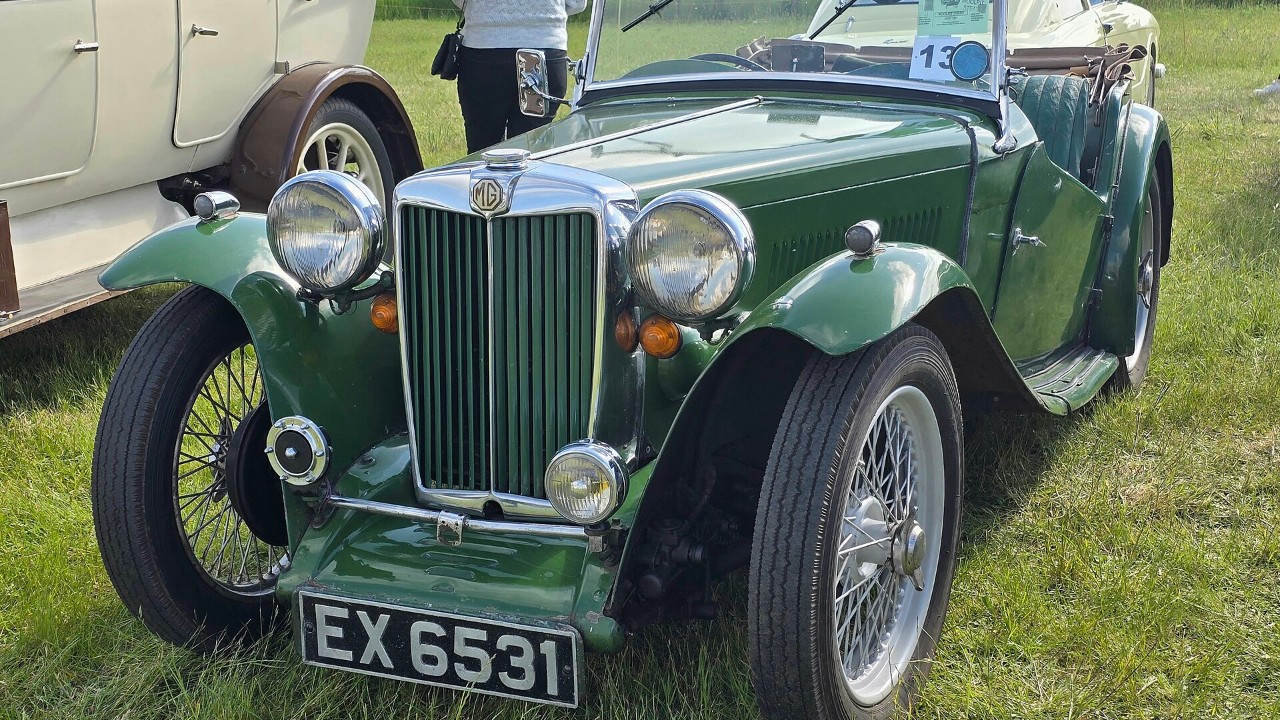
MG showed its first M-Type Midget in 1928, and it ended MGF production in 2002. In between, the octagon badge went on boat-tailed roadsters, a supercharged racer and a 185-bhp V8 revival. These 12 MGs, from the first MG Midget to the mid-engined MGF, all come with figures from the MG Owners’ Club.
1. 1928–1932 MG M-Type Midget
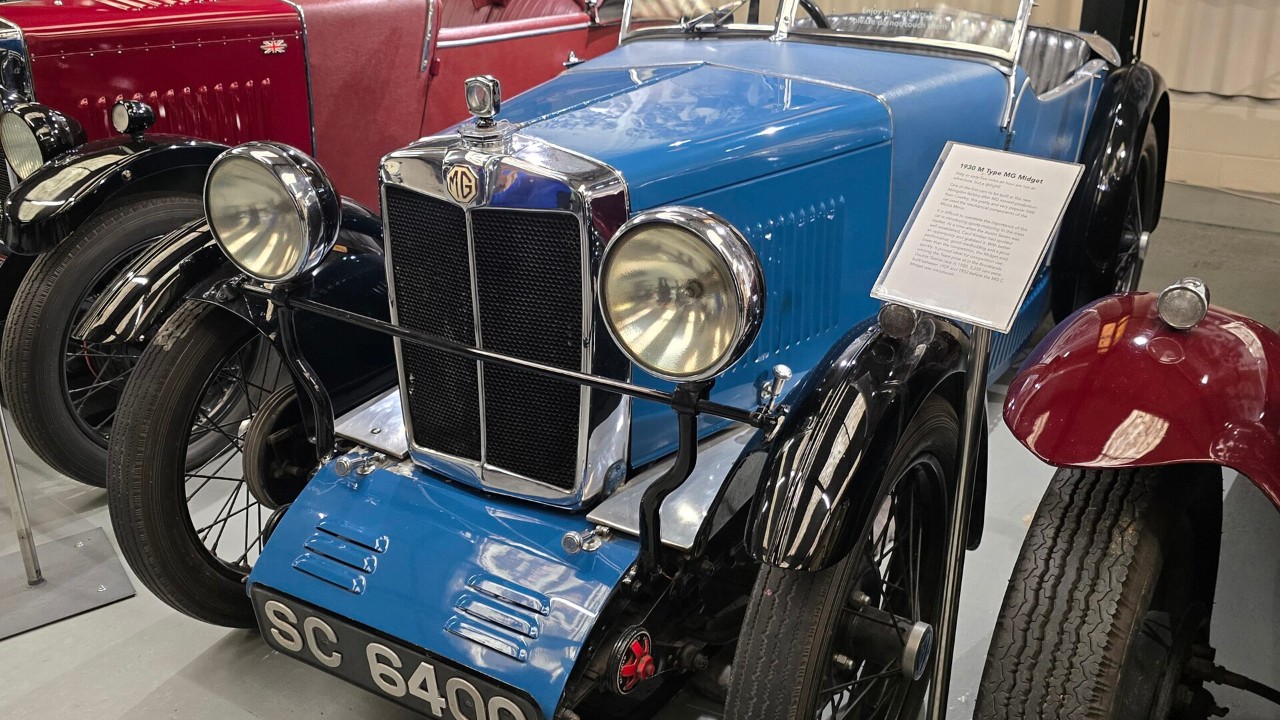
MG showed the M-Type at the Olympia Motor Show in October 1928, and full production followed in 1929. Underneath, the chassis, axles and clutch came largely from the Morris Minor. Meanwhile, Carbodies of Coventry made the fabric-covered boat-tail body, and MG fitted it at Abingdon, according to the MG Owners’ Club.
Its 847cc overhead-cam four made 20 bhp at first and 27 bhp later, good for a quoted 68 mph. In 1930, a new one cost £185. MG built 3,235 in all, and the club estimates that 150 to 200 survive.
2. 1933 MG K3 Magnette
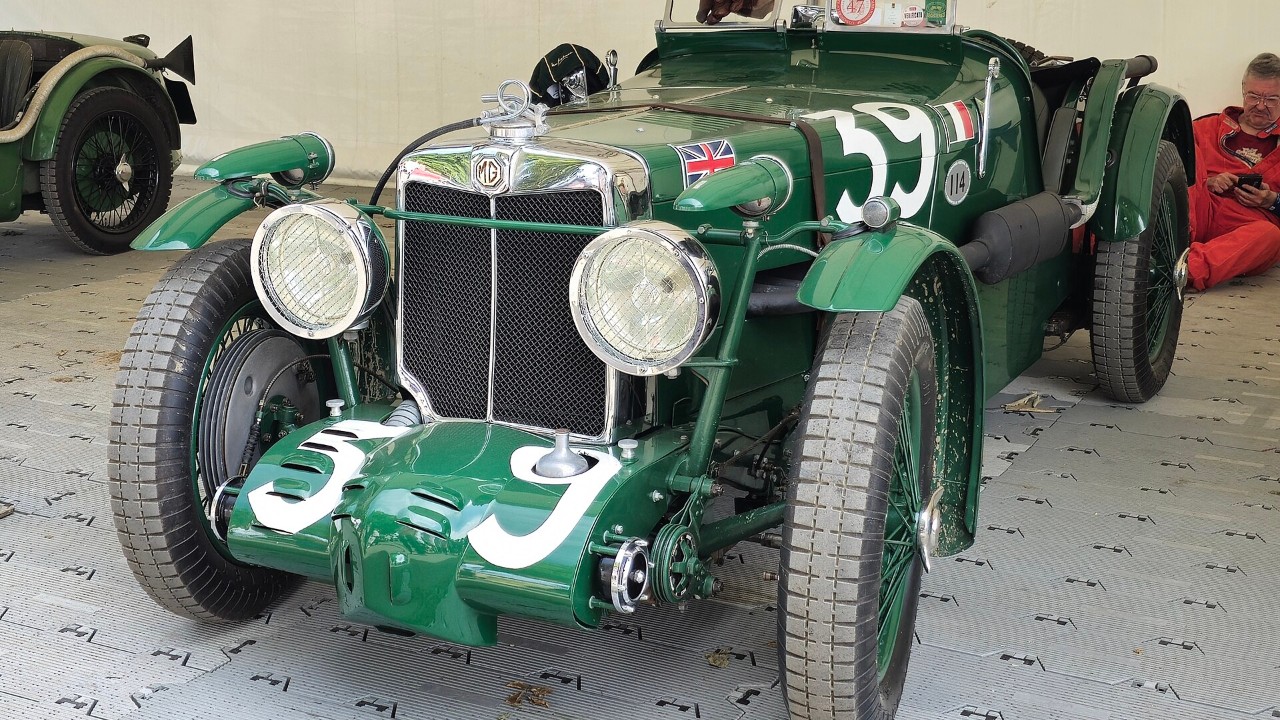
The K3 was a racing car first. MG built just 33, a count that includes the prototypes and the EX135 record car, as the club’s K3 page notes. Its 1,087cc overhead-cam six used a supercharger and made 105 to 125 bhp, depending on tune.
Then, in March 1933, three cars went to the Mille Miglia. Henry Birkin’s car retired with a broken valve. However, the other two took first and second in class, broke the class records and won the team prize. A complete car cost £795 new.
3. 1936–1939 MG TA Midget
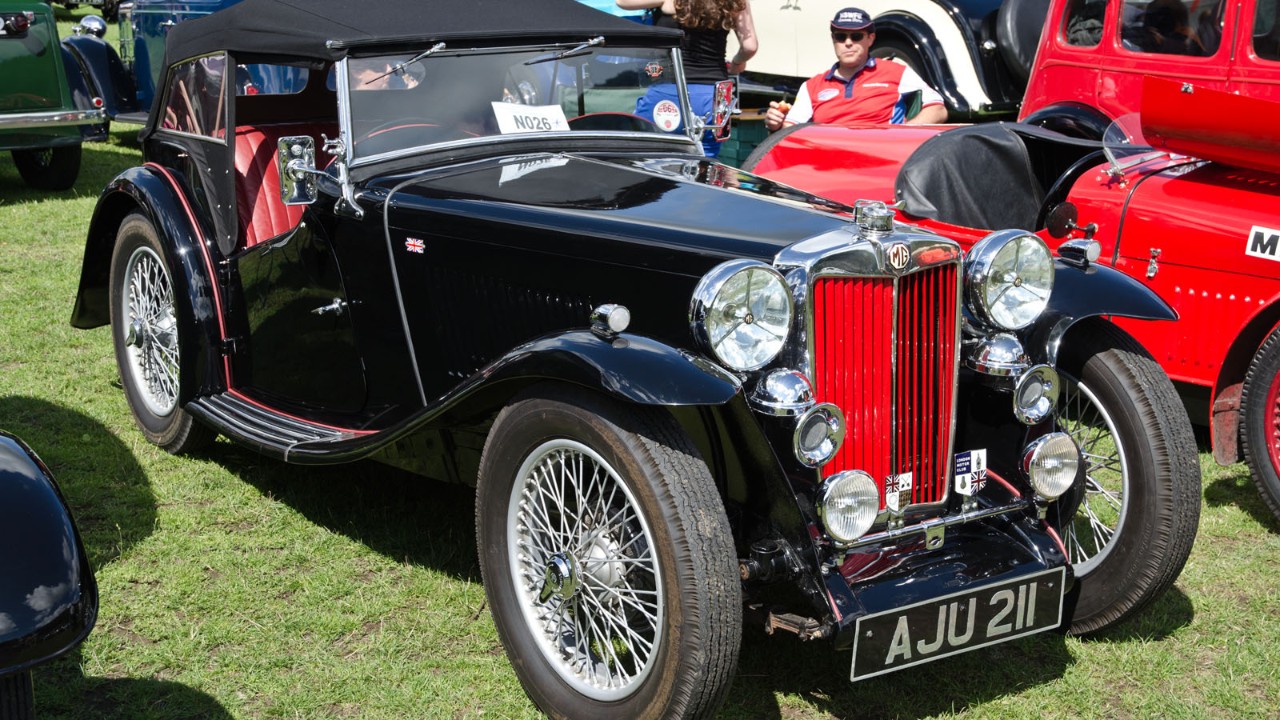
The TA opened the T-series that later ran through the TF. It also marked a change of direction after Morris Motors took control of MG in 1935. A pushrod engine from the Morris 10 replaced the overhead cam, and some purists objected, the club says.
That 1,292cc four made about 50 bhp through twin SU carburettors, and Lockheed hydraulic brakes stopped it. In fact, the TA sold well against Singer and Riley. MG built 3,003 from 1936 to 1939, at a basic price of £222.
4. 1945–1949 MG TC Midget
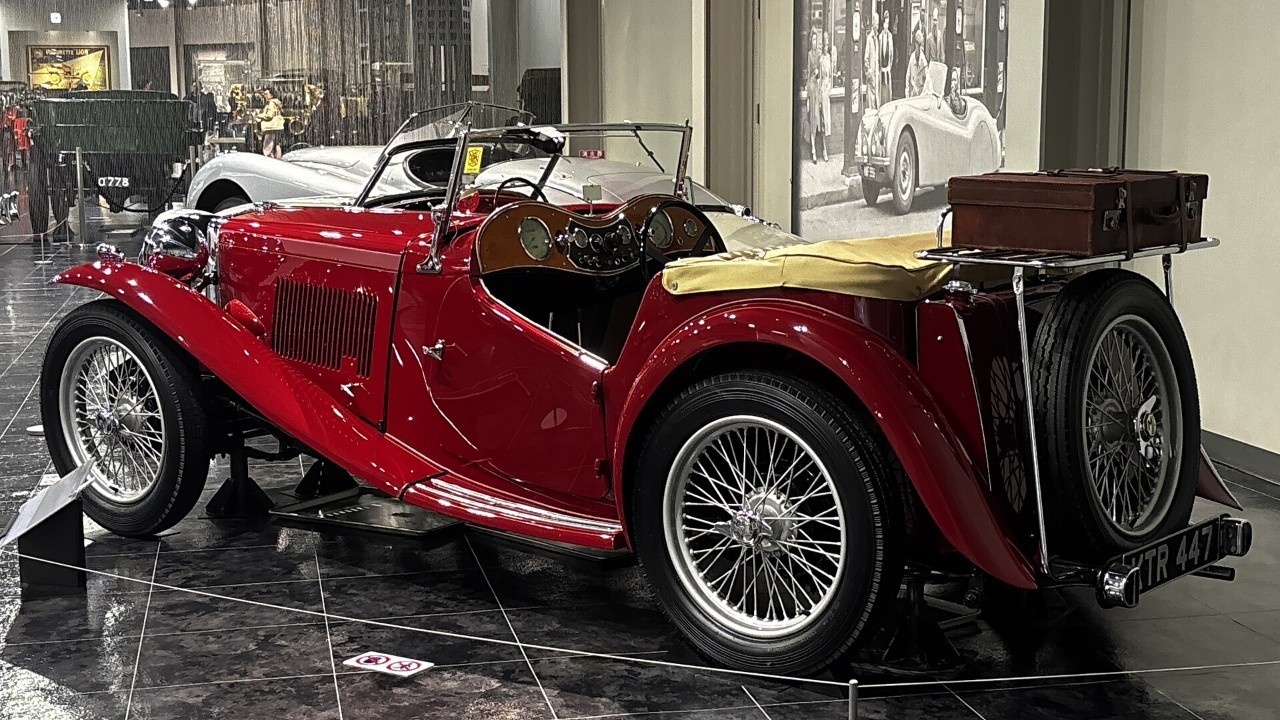
MG restarted production within five weeks of the war’s official end, and it finished 81 TCs by the close of 1945. The TC was essentially the pre-war TB with a body almost four inches wider across the seats. Its 1,250cc four made 54.4 bhp.
Nearly 2,000 went to the United States. As a result, the MG Owners’ Club credits this MG Midget with starting the American craze for British sports cars. The Duke of Edinburgh also owned one before his 1947 marriage. In all, the club’s history puts the total at exactly 10,000.
5. 1953–1955 MG TF 1500
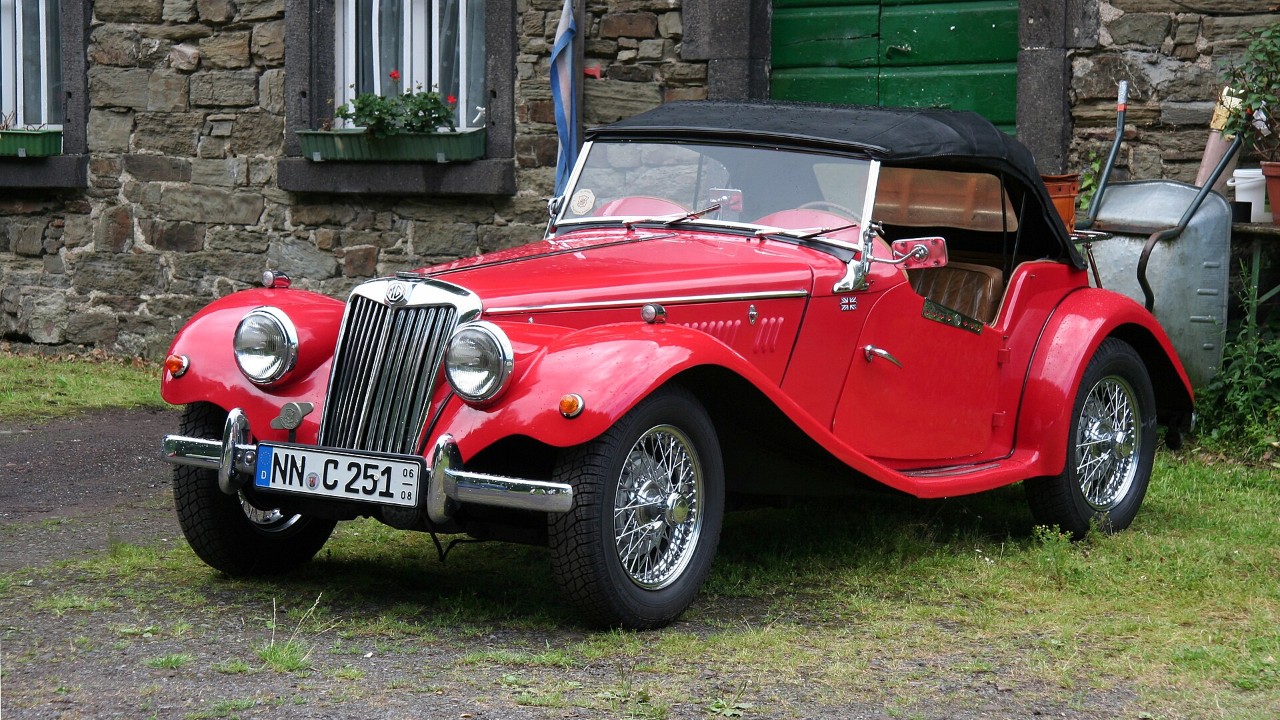
The TF was a stop-gap. MG’s new MGA had stalled while BMC boss Leonard Lord backed the Healey 100, the club explains. So Abingdon dressed up the TD chassis instead, and one journalist said it “looked like a TD with the front pushed in.”
Late in the summer of 1954, it gained the 1,466cc XPEG engine with 63 bhp. MG built 3,400 TF 1500s out of 9,600 TFs, and most of the 1500s went to the US. Its nickname stuck, too: “the last of the square riggers.”
6. 1953 MG Magnette ZA
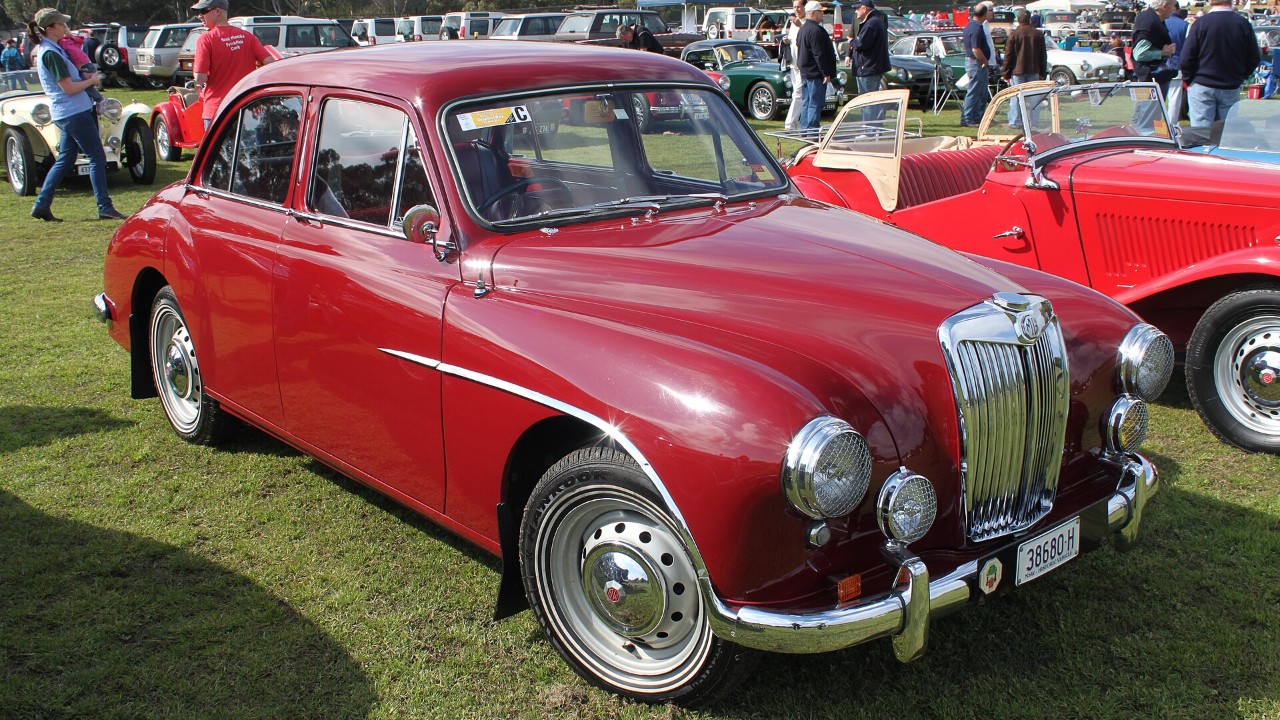
Gerald Palmer designed the ZA, and it was the first MG with unitary construction, according to the club. It shared its London Motor Show launch with the TF in 1953. Power came from BMC’s new 1,489cc B-Series engine, rated at 60 bhp.
At first, the saloon drew mixed reactions. Even so, it sold about 6,000 a year and did well in rallies and production car races. MG built 12,754 ZAs before the more powerful ZB took over in late 1956.
7. 1955 MGA 1500
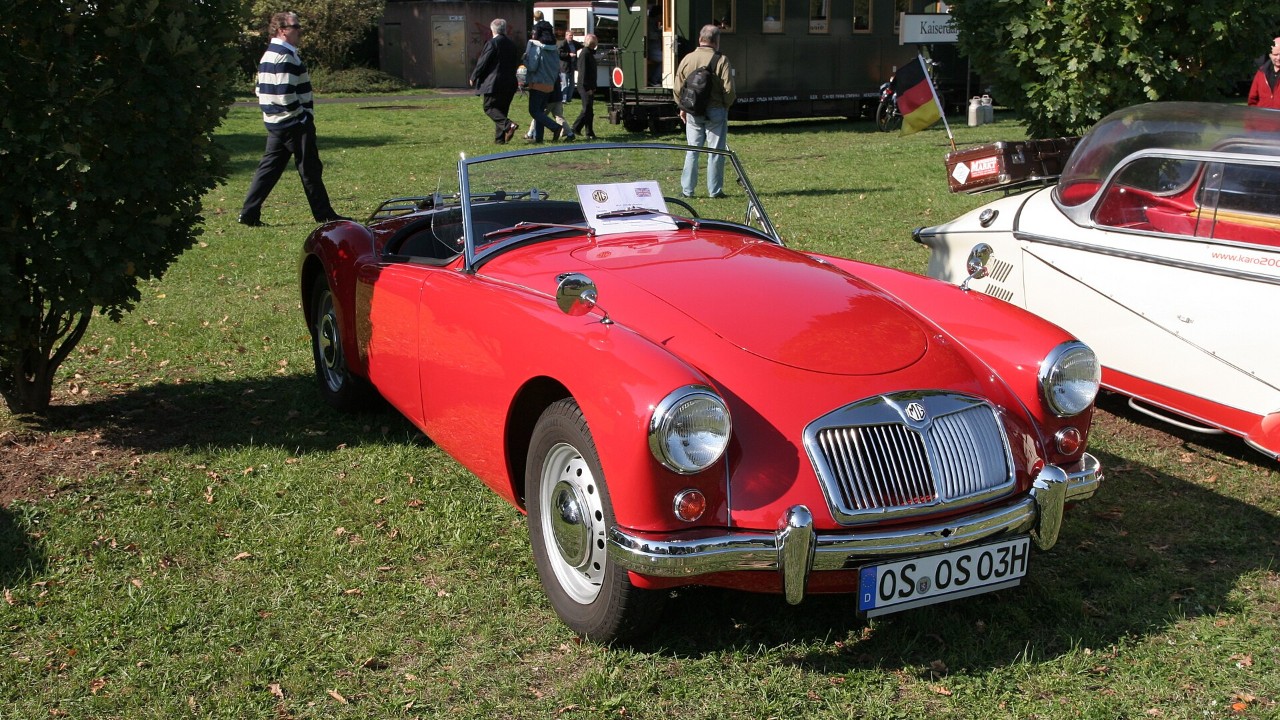
The MGA shape raced before it went on sale. Three EX 182 prototypes ran at Le Mans in June 1955 because body supply was late, and two finished fifth and sixth, the club records.
Its 1,489cc B-Series made 68 bhp at first and 72 bhp later, and top speed reached 98 mph. In 1956 alone, Abingdon built more than 13,000, more than the TC managed in four years. The launch price was £595, and the 1500 accounted for 58,750 cars.
8. 1962–1980 MGB roadster
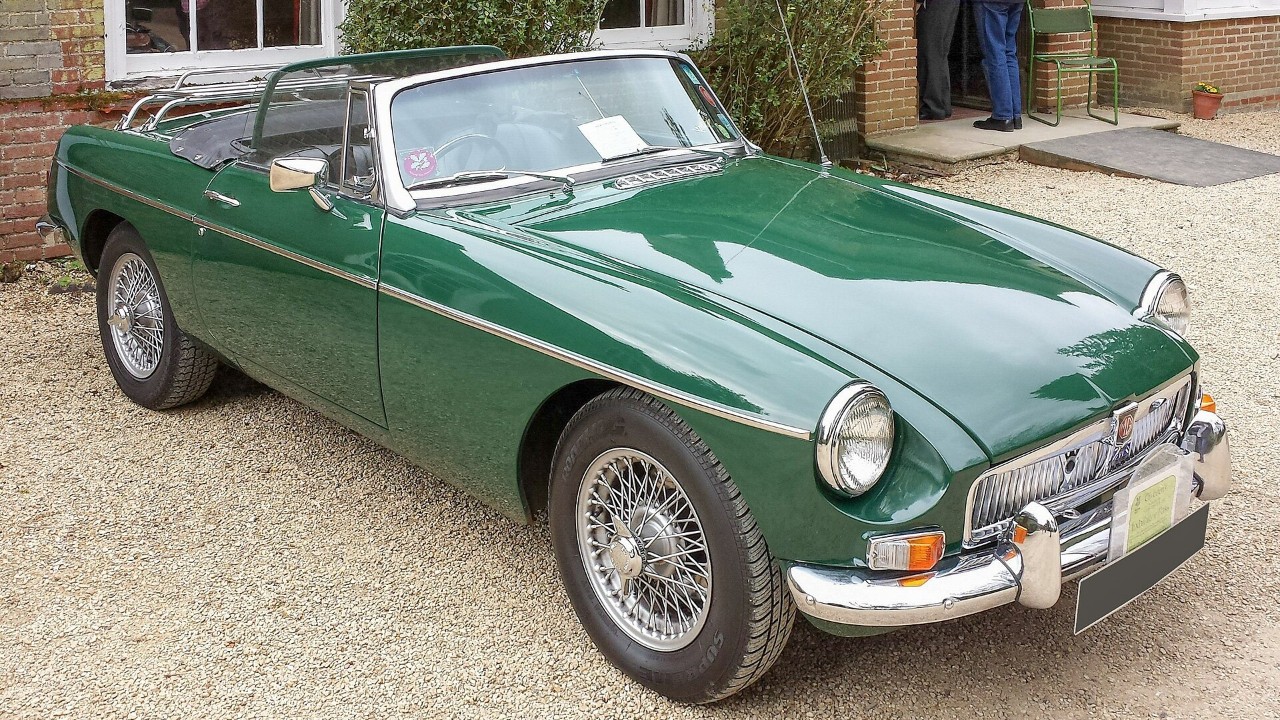
Work on the MGB began in 1958 under the code EX205, and Abingdon planned a seven-year life. Instead, the roadster ran for 18 years. The first car, chassis G-HN3 101, came in June 1962, and the last open car left Abingdon on Oct. 22, 1980, the club says.
At launch it cost £690 plus tax, against £750 for a Triumph TR4. Later, black polyurethane bumpers and a raised ride height arrived for 1975 to meet US rules. By the end, MG had built 513,276 roadsters.
9. 1967–1969 MGC
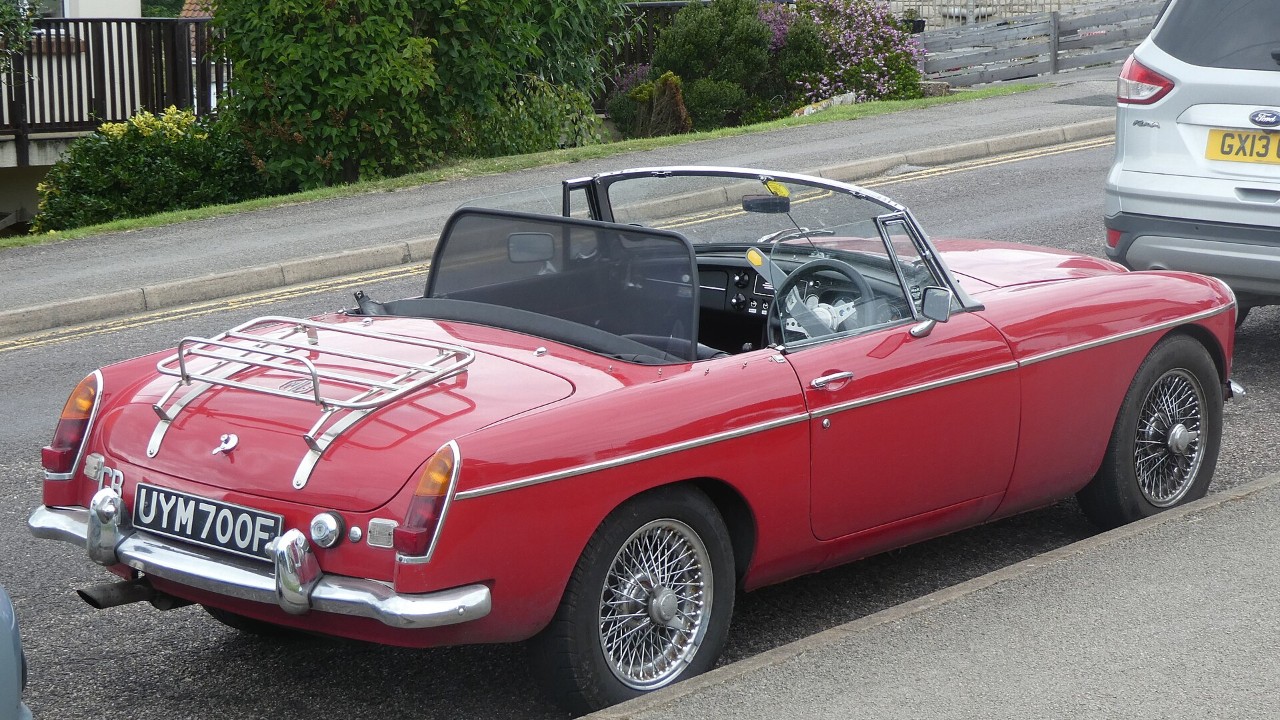
The MGC was the first high-performance MGB, but the club calls it “a completely re-engineered car.” A 2,912cc C-Series six with 145 bhp sat under a bulged bonnet, and torsion bars replaced the front springs. It also rode on 15-inch wheels, the MGC page notes.
Critics complained about the extra weight, and the press cars had poor tyre setups. Because of that, its reputation never recovered, even after the 1969 fixes. MG built 4,542 roadsters and 4,457 GTs between October 1967 and August 1969.
10. 1973–1976 MGB GT V8
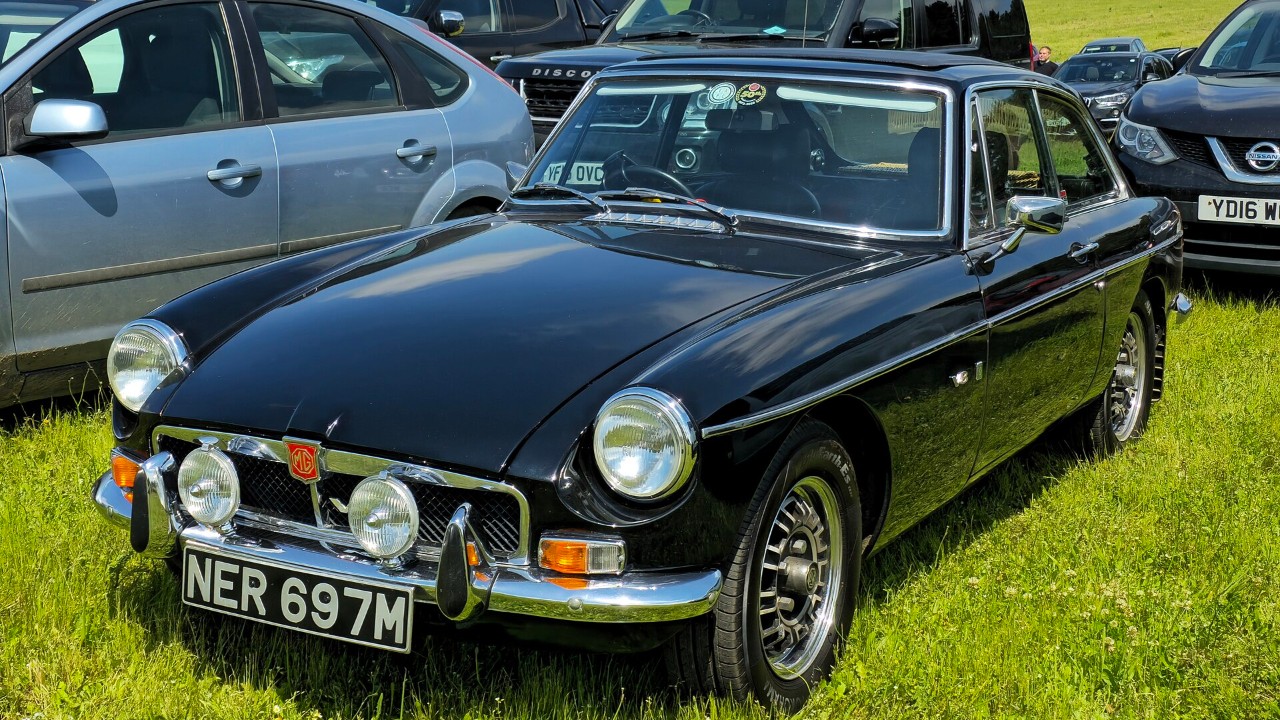
Ken Costello, a private entrepreneur, brought the V8 conversion to market first. British Leyland then let Abingdon build its own. The 3,528cc Rover V8 made 137 bhp, and the club lists 0–60 mph in 7.7 seconds and 125 mph.
Because the alloy V8 weighed about the same as the B-Series four, the car handled better than the MGC. However, the fuel crisis after October 1973 hurt big-engined cars. MG built 2,591 from 1973 to 1976, 1,839 with chrome bumpers and 742 with black ones.
11. 1992–1995 MG RV8
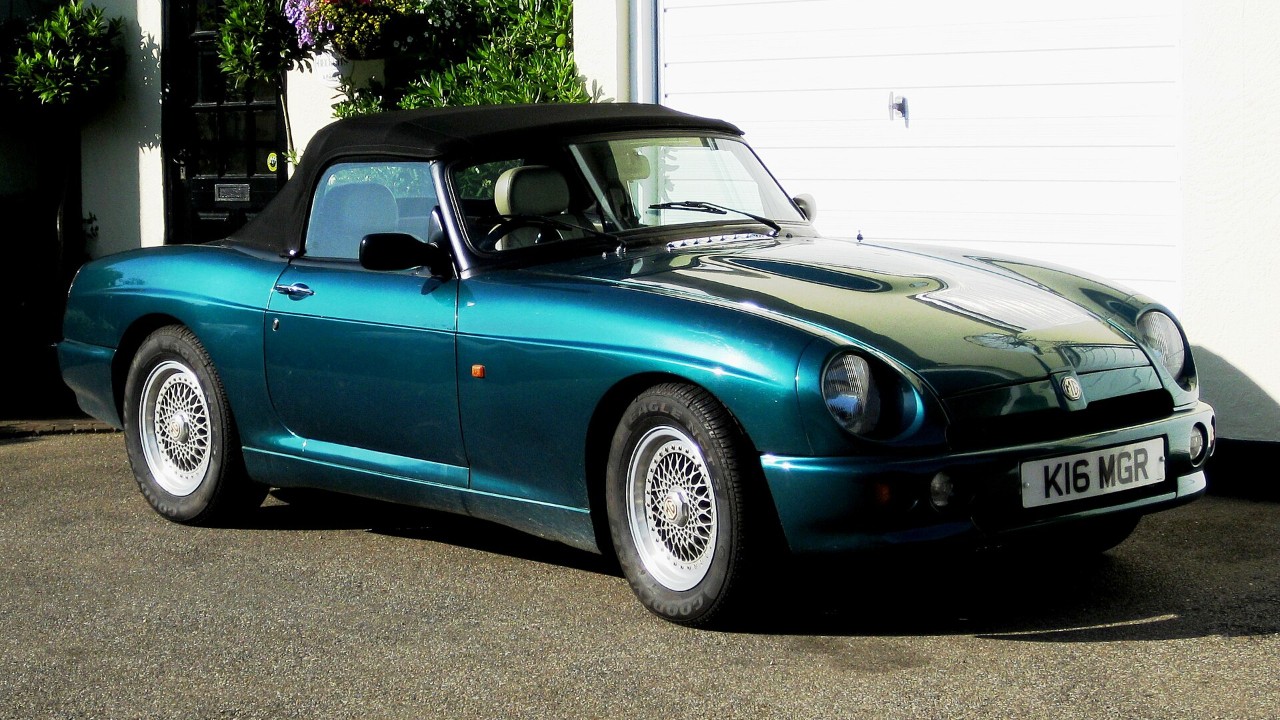
The RV8 project started in 1988, after British Motor Heritage put new MGB bodyshells back into production. The car wore reshaped panels, Porsche 911 headlamps and a 3,947cc Rover V8 with 185 bhp, the club says.
At £26,500, it was never a volume car, and body supply ran about 15 a week. Then the 1993 Tokyo Motor Show sparked demand in Japan. Of the 1,983 built from 1992 to 1995, about 1,500 went there.
12. 1995–2002 MGF
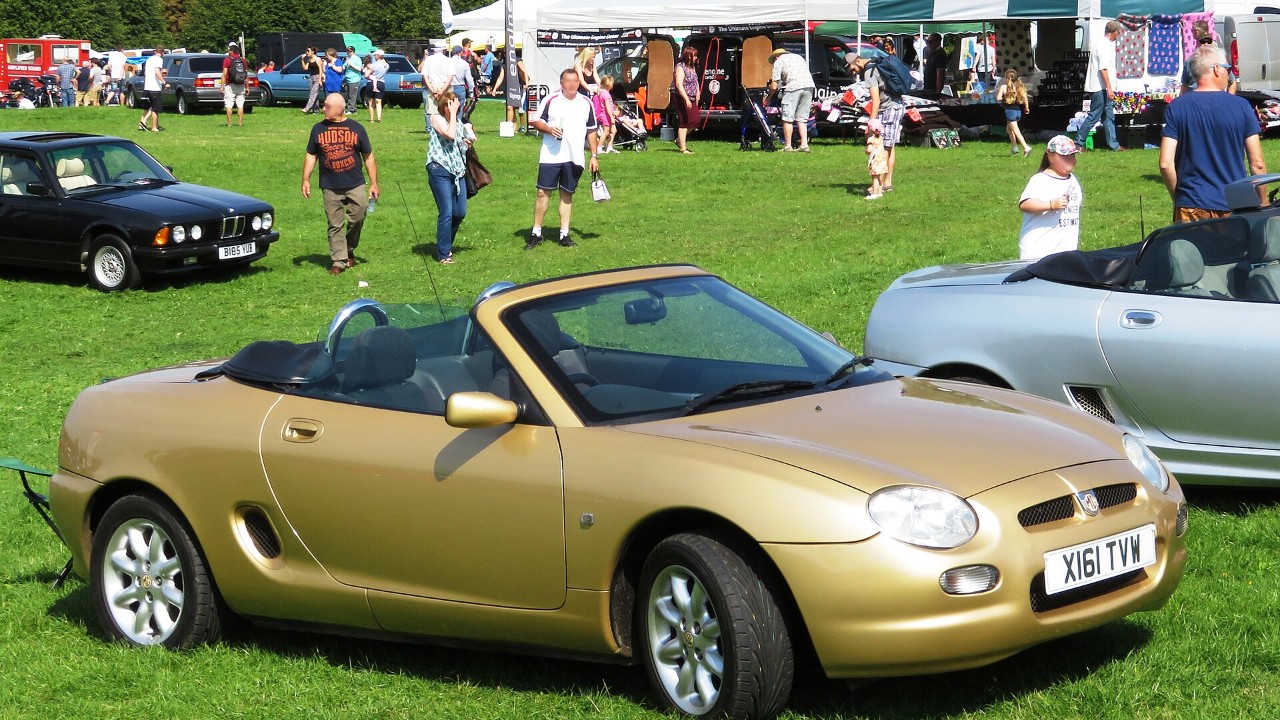
The MGF marked MG’s return to volume two-seater production after Abingdon closed in October 1980, according to the club. It put the engine behind the seats and rode on Hydragas suspension, a gas-over-fluid system much like the Metro’s.
The launch car had a 1,796cc K-Series engine with 120 PS. Later came the VVC with about 145 PS and, in 2001, the limited Trophy 160SE with 160 PS. MG built 77,269 MGFs before production ended in 2002.
More from Fast Lane Only