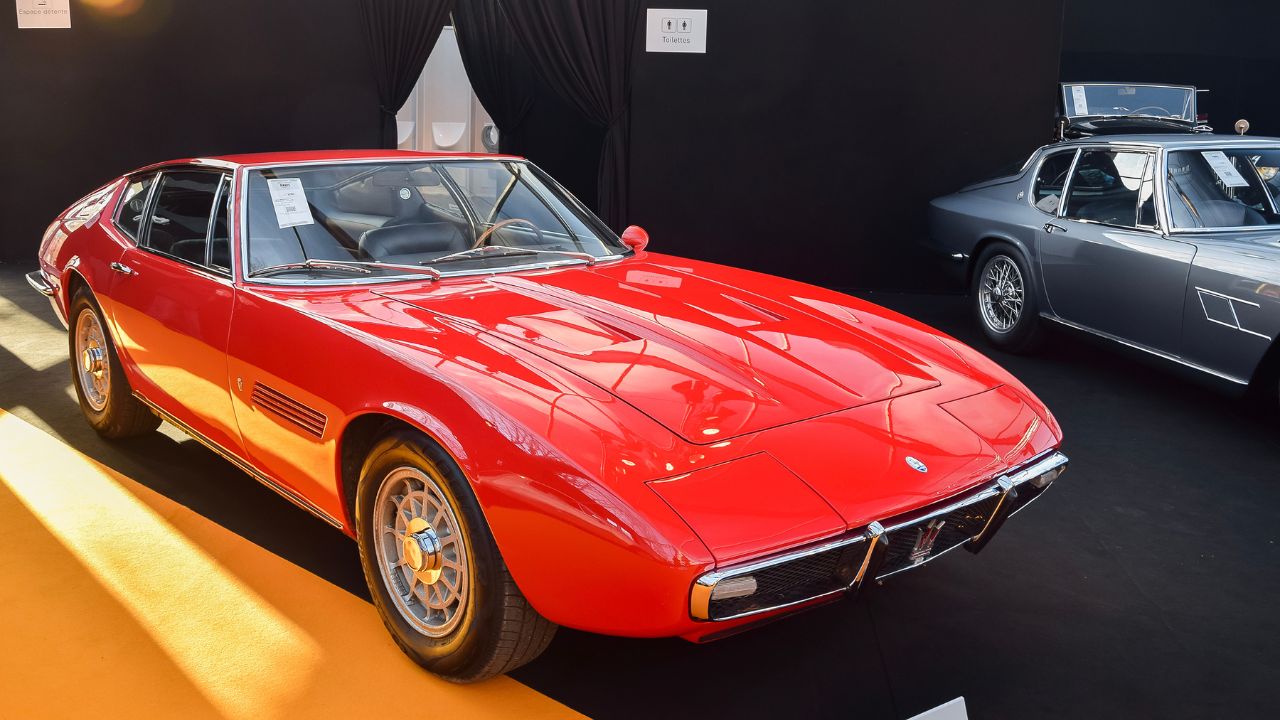
Makers built most of these cars by the hundred, and a few by the thousand, for buyers who wanted to be seen. The 18 here come from seven countries, from a Soviet limousine for party officials to the Maserati Ghibli that Giorgetto Giugiaro drew at Ghia. Along the way, each earns its place with a design detail and a production figure on the record.
1. 1936–1937 Cord 810/812
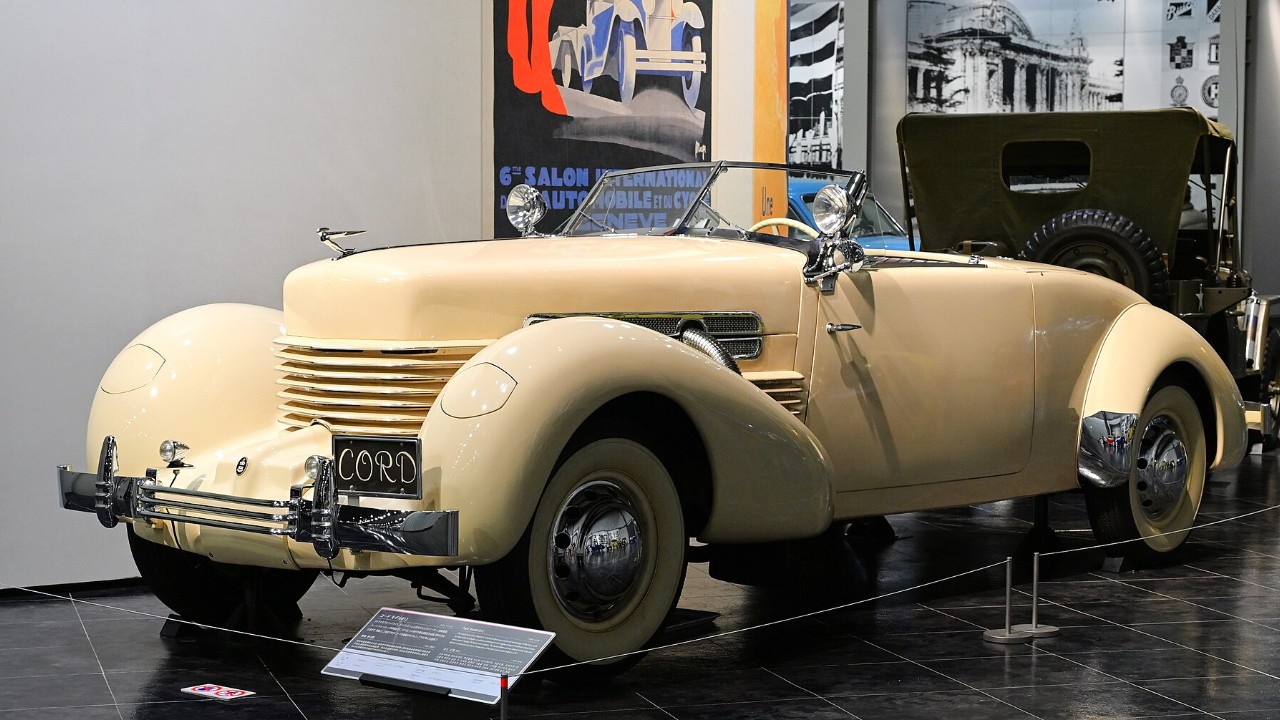
Gordon Buehrig’s team designed the Cord 810, first imagined as a “baby” Duesenberg, and it hid almost everything. The headlamps retracted, the door hinges sat out of sight, and there were no running boards, according to Conceptcarz. Its louvered “coffin nose” covered a Lycoming V8 that drove the front wheels.
That 288-cubic-inch engine made 125 hp, and a supercharged version reached about 170 hp. The run was short, because Auburn stopped building cars in 1937. Of the convertible coupes, Cord made 194, and 63 of them had superchargers. Later, the Museum of Modern Art named the 810 one of the 10 most significant cars of the 20th century.
2. 1936–1950 Tatra T87
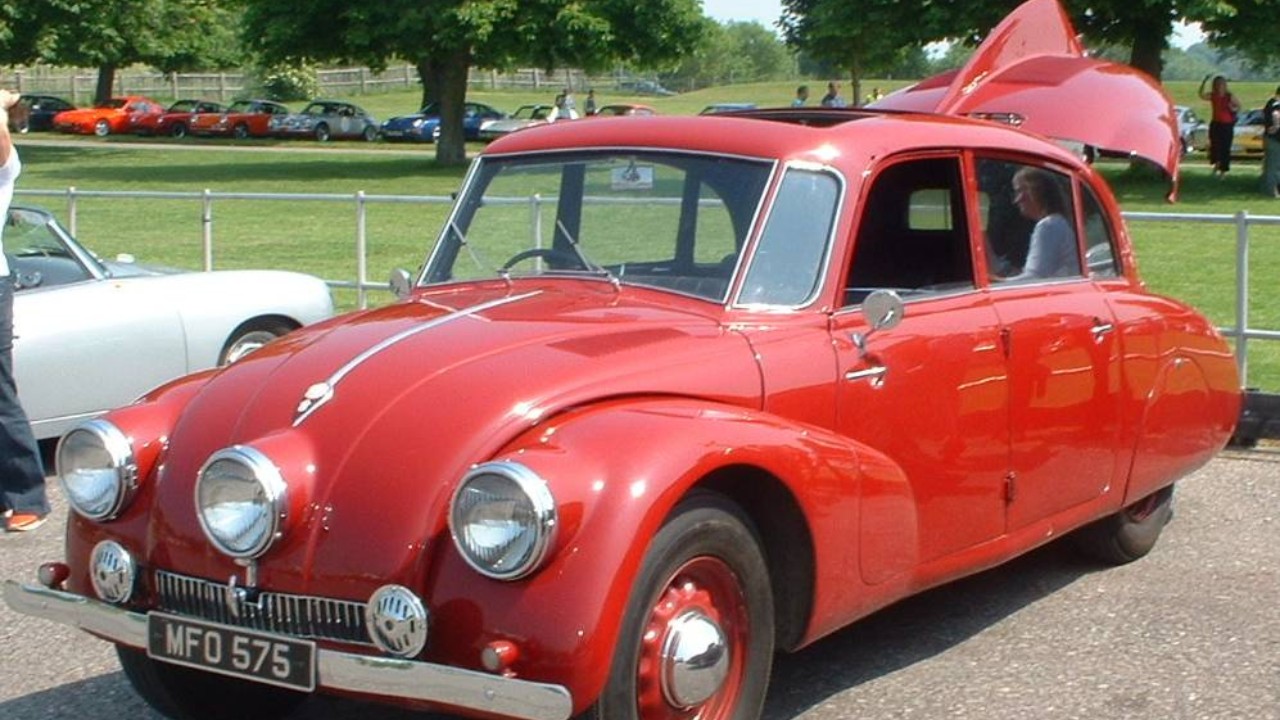
Hans Ledwinka engineered the T87, and Paul Jaray supplied its streamlining ideas, the North Carolina Museum of Art says. As a result, it had a fastback tail with a fin and a full belly pan. Its air-cooled 2.97-liter V8 used magnesium alloy and sat in the back.
Also, the museum says the car could reach 100 mph. Meanwhile, Conceptcarz puts production at 3,056 from 1936 to 1950. In addition, the museum’s own example, a 1940 car from Chris Ohrstrom’s collection, appears in its Rolling Sculpture exhibit.
3. 1967–1973 Maserati Ghibli
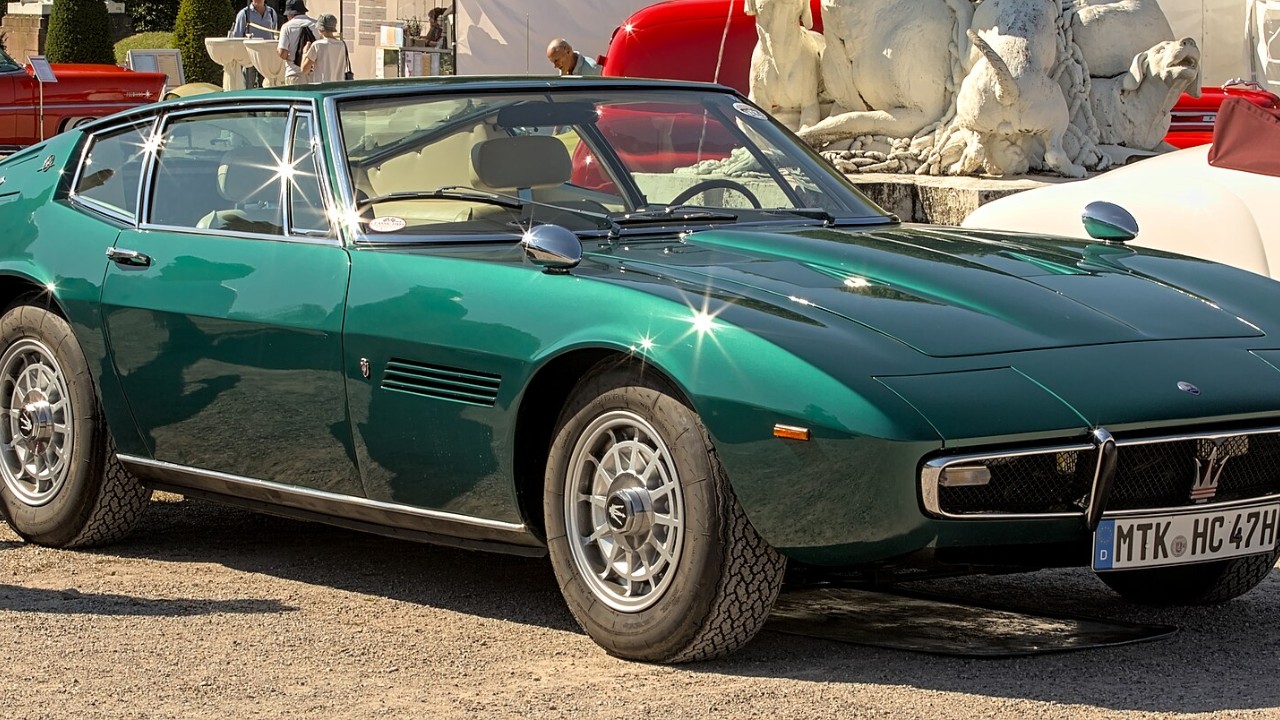
The Maserati Ghibli’s hood sat so low that Maserati reworked its V8 with dry-sump lubrication to make it fit, the company’s heritage page explains. Meanwhile, Giulio Alfieri led the engineering. Vignale built the steel bodies with an aluminum hood, and the car stretched more than 15 feet.
Giugiaro styled it at Ghia, and the 4,719 cc V8 made 330 hp. Maserati’s text counts 1,170 coupes and 125 Spyders built through 1973. In other words, the Maserati Ghibli was never a common sight, even when new.
4. 1964–1966 Lamborghini 350 GT
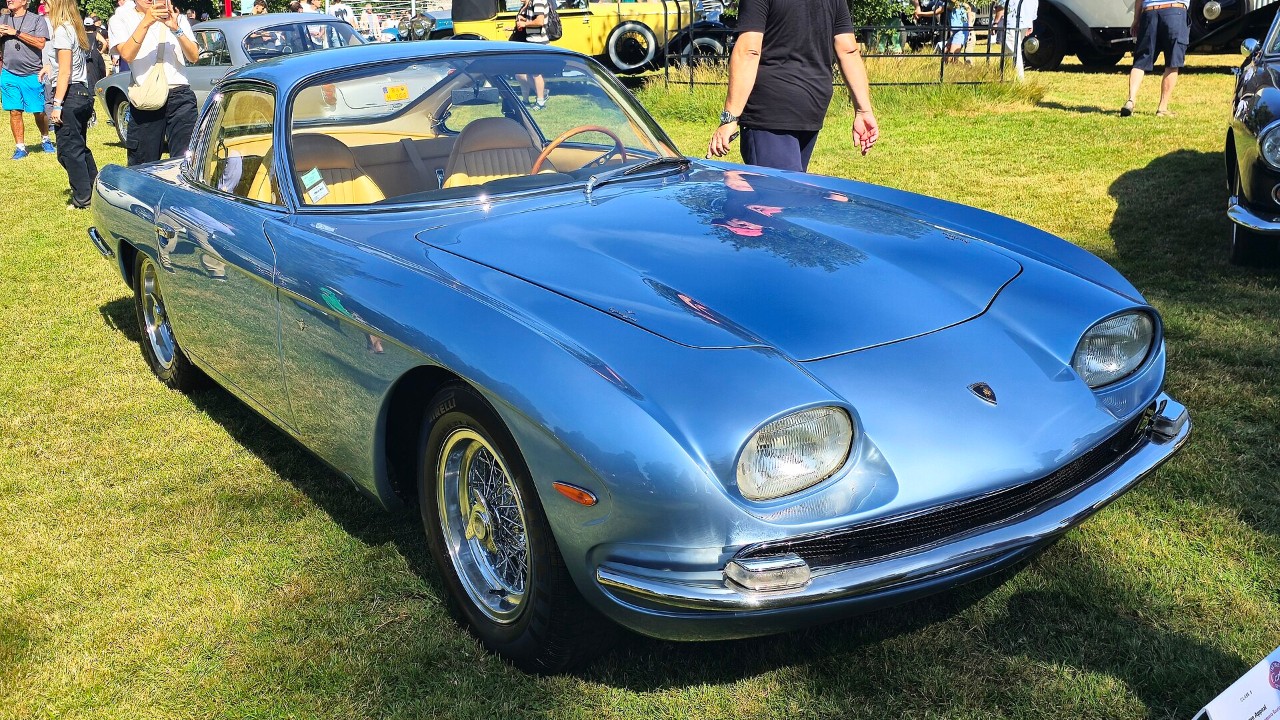
Lamborghini’s first production car debuted at Geneva in March 1964, and only 13 reached customers that year, Lambocars reports. Bianchi Anderloni at Carrozzeria Touring reworked Franco Scaglione’s 350 GTV shape. Touring then built the bodies in its Superleggera style, with aluminum panels over a tube frame.
Gian Paolo Dallara and Bob Wallace tamed Bizzarrini’s racing V12 for the road, from 360 hp to 280 hp. In the end, Lamborghini built 120. The site says one sold for as little as $10,000 in 1979, while a pristine car brought $750,000 to $900,000 by 2015.
5. 1956–1975 Tatra 603
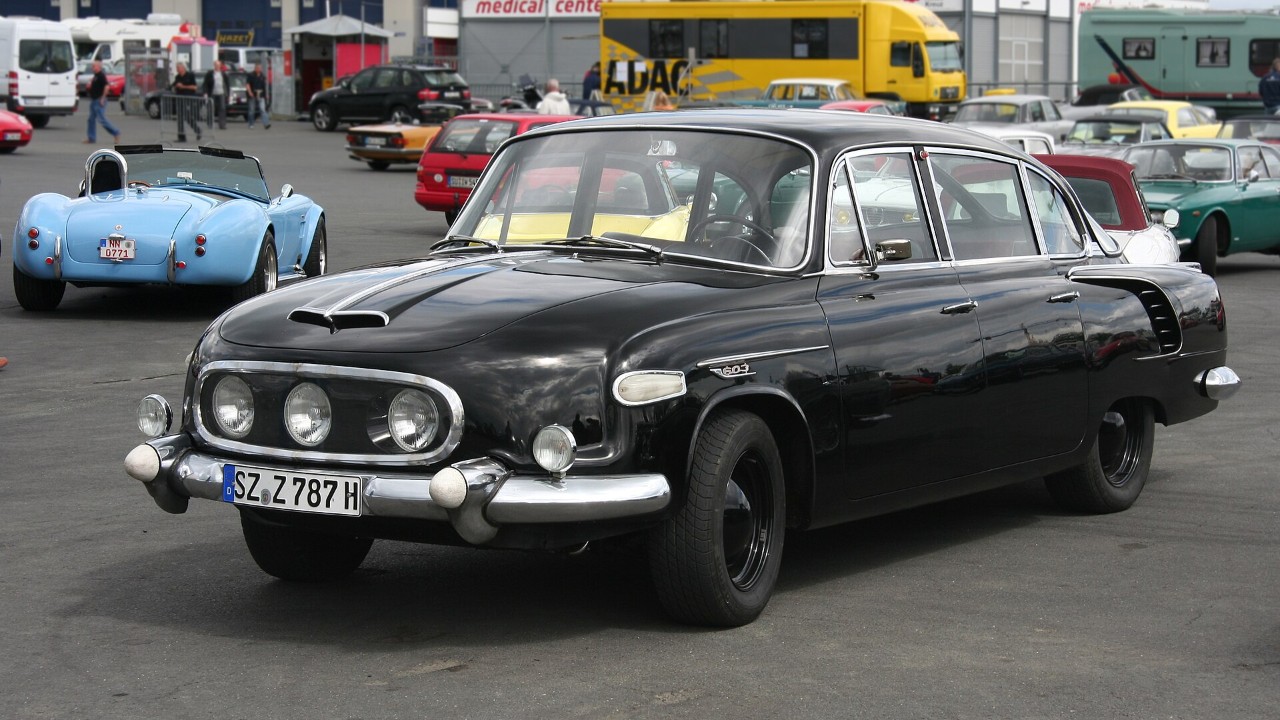
On paper, Tatra was meant to build only trucks. In 1952, COMECON ordered it to stop making cars, so its engineers developed the 603 in secret under the project name Valuta, Drive reports. František Kardaus and Vladimír Popelář led the design team. Notably, the first cars carried three headlamps behind a glass cover.
A rear-mounted 2.5-liter air-cooled V8 made 74 kW. Ordinary buyers could not get one, since the car went “exclusively” to senior political figures and heads of industry. Overall, Tatra built about 20,455. It also rebuilt traded-in cars with newer styling, so most survivors look like late models.
6. 1959–1981 GAZ-13 Chaika
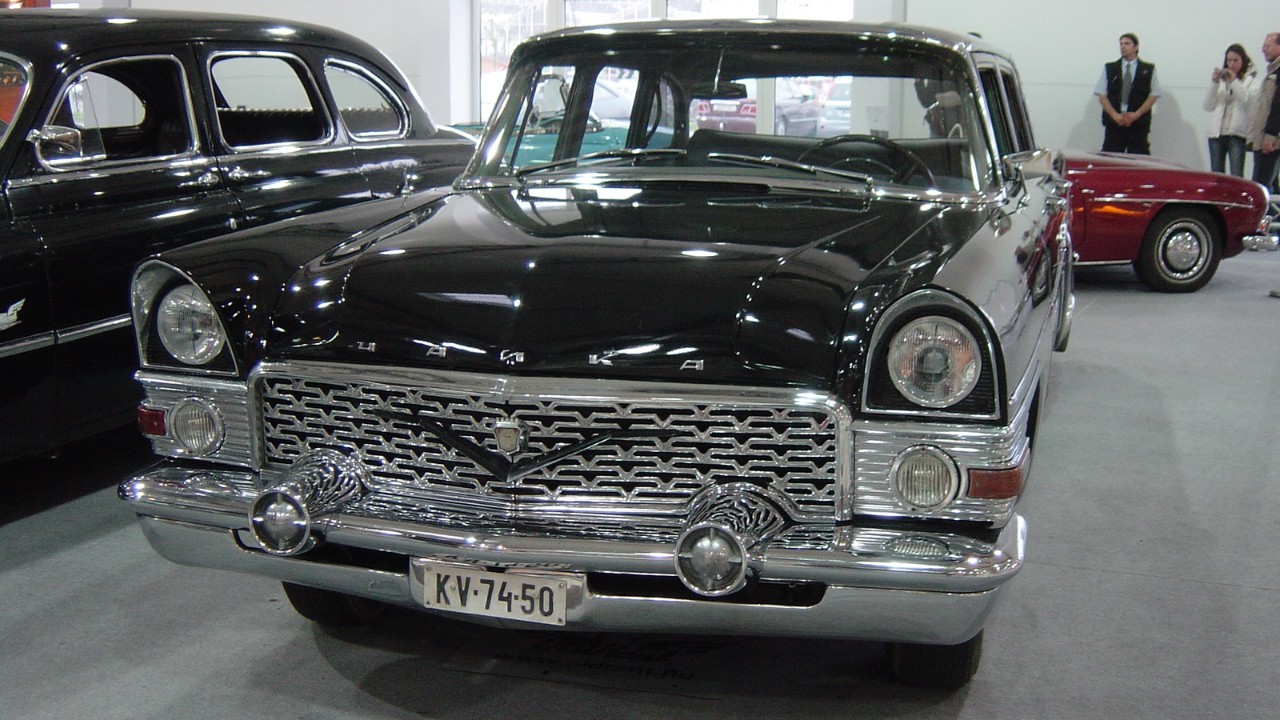
Chaika means “gull,” and GAZ never sold the GAZ-13 to regular customers. Instead, it carried party leaders, the KGB and Soviet ambassadors, though people could rent one for weddings, Motor1 reports. Khrushchev even gave one to Fidel Castro.
Also, many observers say its styling drew on the Packard Patrician. Under the hood sat a 5.5-liter V8 with 195 hp, paired with a push-button three-speed automatic. GAZ and the RAF factory in Riga built just 3,179 over 22 years.
7. 1963–1966 Maserati Quattroporte
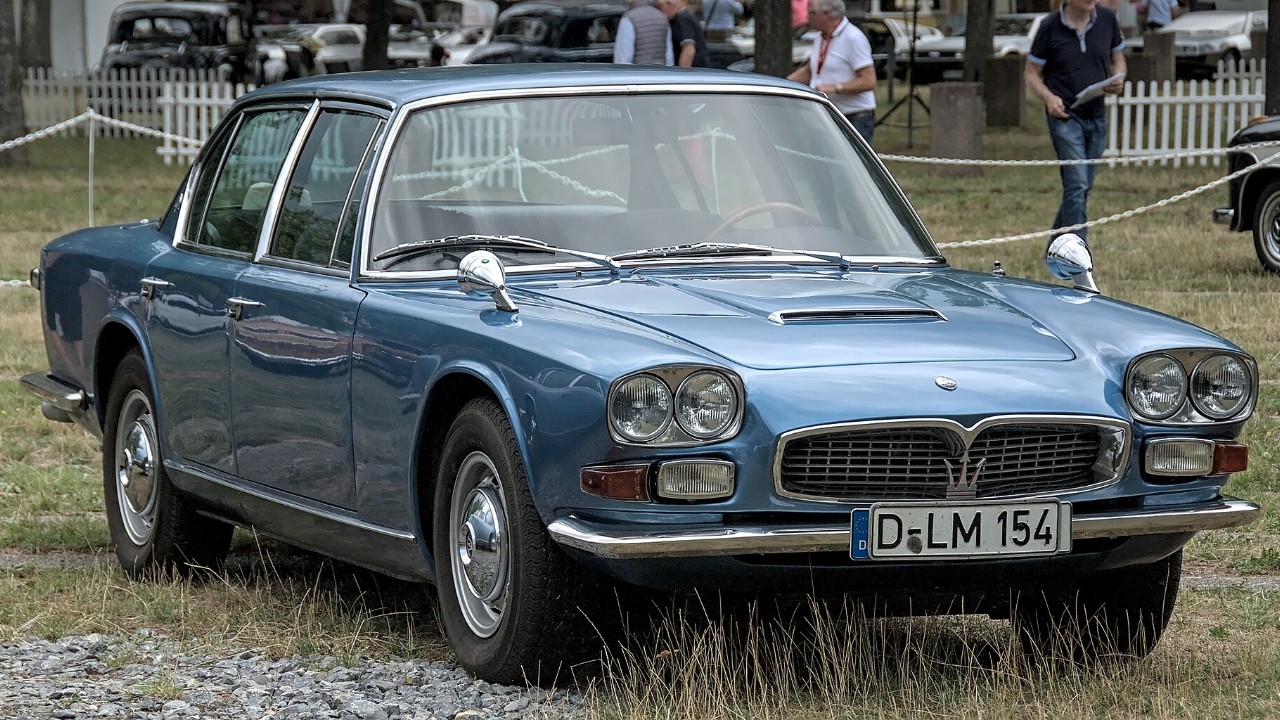
Quattroporte simply means “four doors,” and this was Maserati’s first four-door car. Pietro Frua styled it, drawing on a one-off 5000GT he had penned in 1962 for Prince Karim Aga Khan, Classic & Sports Car explains. It shared the 1963 Turin show stand with the Mistral coupe.
A 4.2-liter V8 made 260 bhp, and Maserati claimed 130 mph was possible. That made it, by the magazine’s account, the fastest saloon of its day. Maserati built 230 first-generation cars from 1963 to 1966. Later, the Maserati Ghibli borrowed its V8.
8. 1971–1975 BMW 3.0 CS
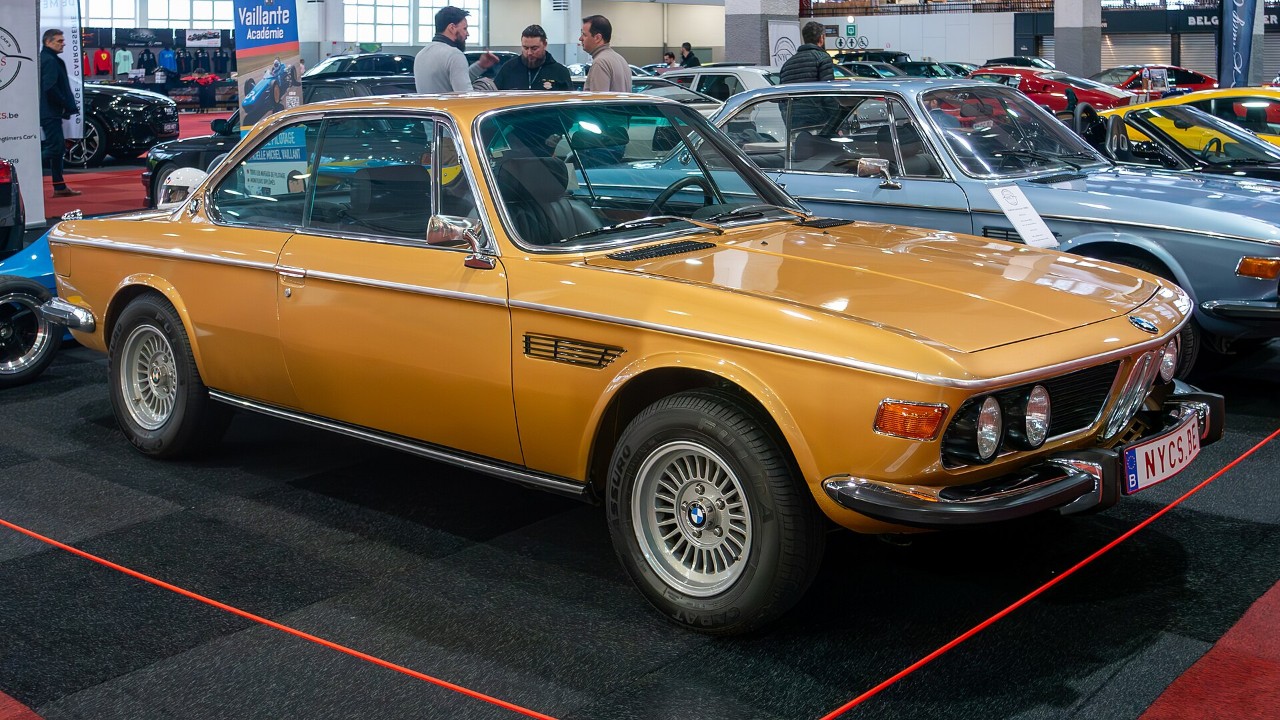
Karmann built the bodies for BMW’s big coupe at Osnabrück, while the saloons came from Munich, Conceptcarz notes. The 3.0 CS arrived in March 1971 with a 2,986 cc inline-six rated at 180 hp. As a result, top speed was about 130 mph.
BMW built 11,063 of them until December 1975, out of roughly 30,000 E9 coupes overall. Meanwhile, in America, the 1973 list price started at $10,720. Later, its lightweight CSL sibling went on to win European touring car titles.
9. 1969–1971 Mercedes-Benz 280 SE 3.5 Cabriolet
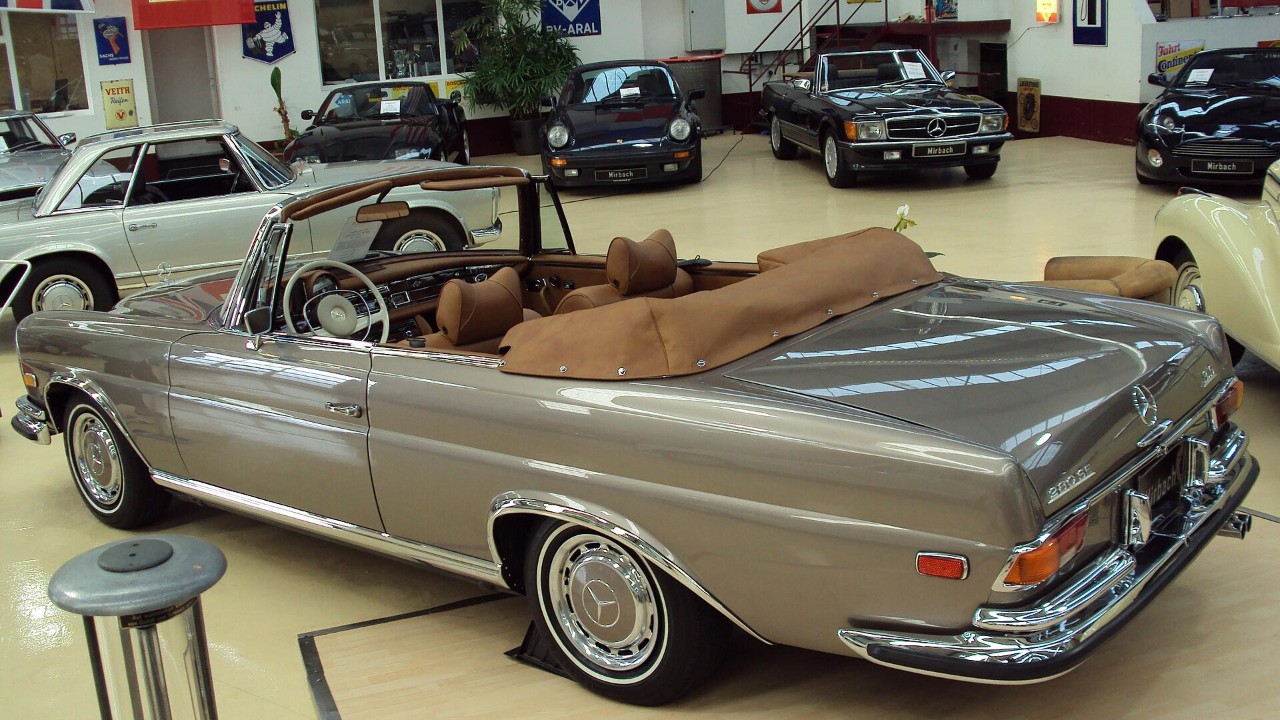
Mercedes added its new V8 to the coupe and cabriolet in September 1969. Bosch D-Jetronic injection helped the 3,499 cc engine make 197 bhp, Supercars.net reports. These cars also got a lower, wider grille, which insiders called the “flat radiator” look.
The cabriolet used a four-speed automatic, and options included Behr air conditioning and a Becker radio. Mercedes built just 1,232 of them. Today, recent auction results listed on the page range from $96,250 to $429,000.
10. 1962–1964 Ferrari 250 GT Lusso
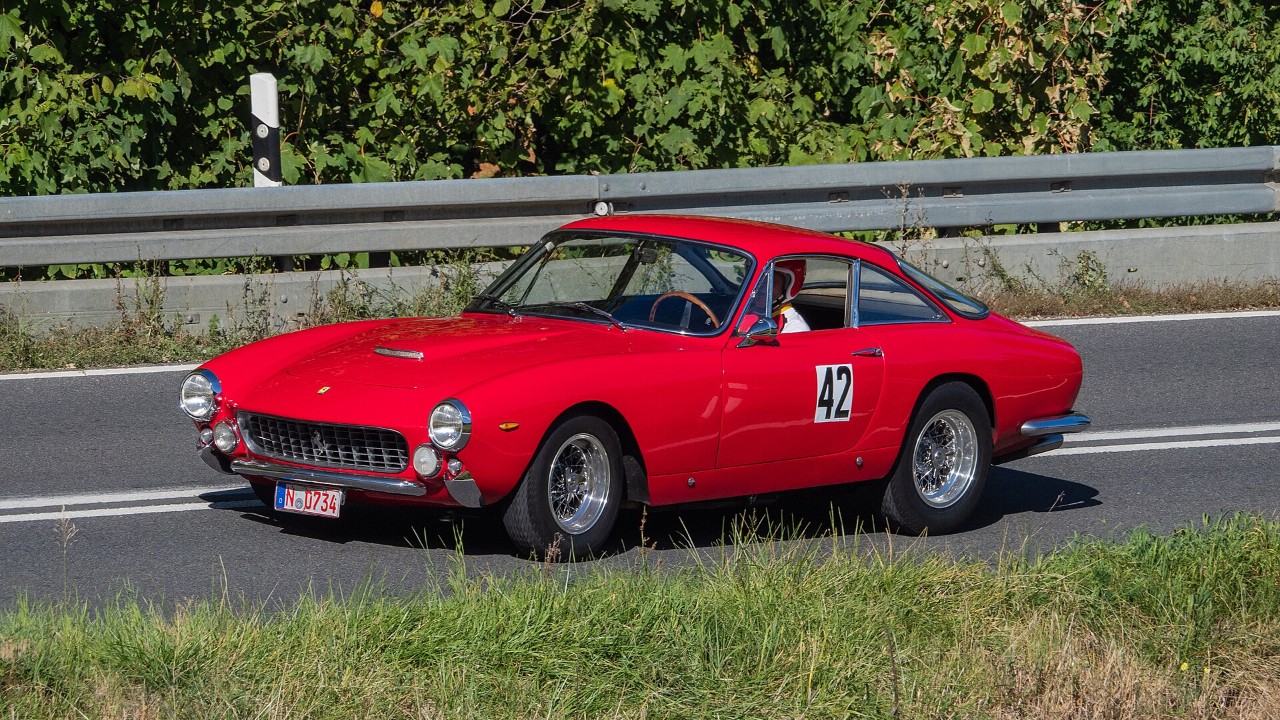
Lusso means luxury, and Ferrari paired racetrack looks with real passenger comfort when the car debuted at the Paris Salon in October 1962. Pininfarina styled it, and Scaglietti built it in steel, with an aluminum hood, doors and trunk lid, Sports Car Market explains.
The Colombo 2,953 cc V12 made 250 bhp at 7,000 rpm. Ferrari built only 350 to 355, and the original list price was $12,600. Five years on, Road & Track said “no other road Ferrari before or since has earned the same degree of enduring admiration for its aesthetics.”
11. 1969–1971 Mazda Luce Rotary Coupe
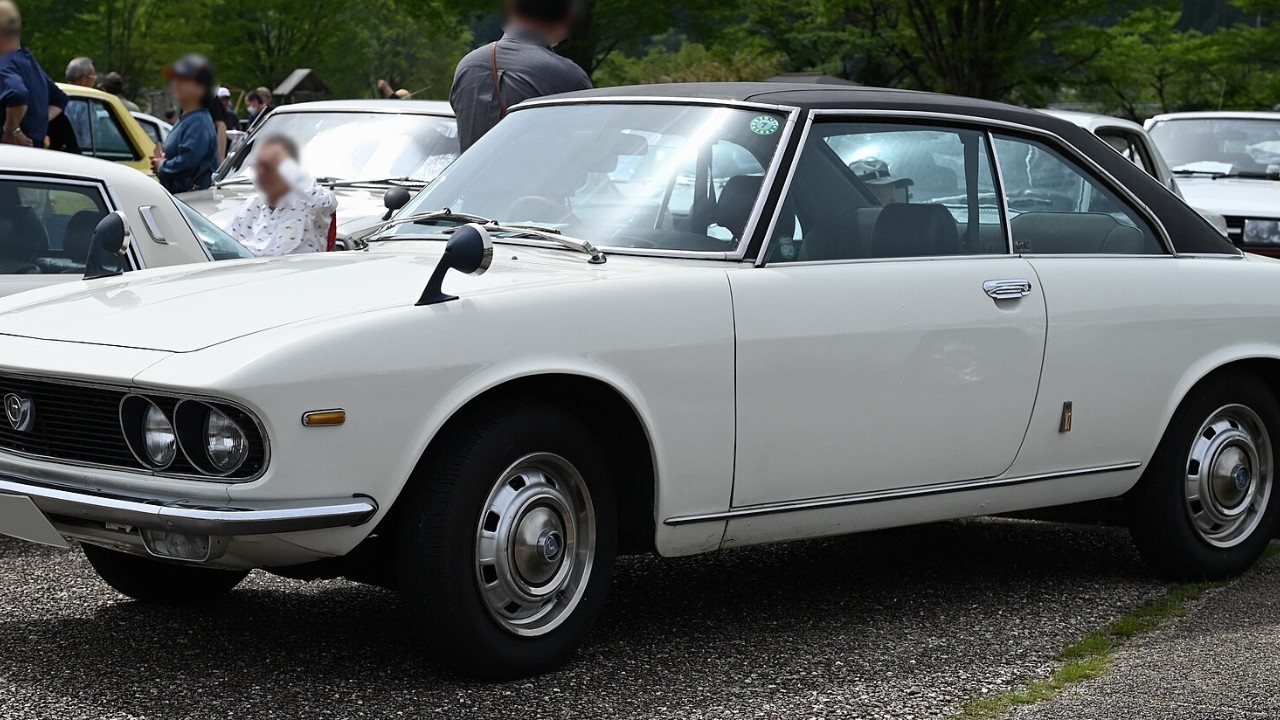
This was Mazda’s first front-wheel-drive car, and the company never built another front-drive rotary, Ate Up With Motor notes. The 1,310 cc 13A engine sat lengthwise ahead of the front wheels and made 126 PS. On top sat a pillarless hardtop body with an Italianate shape.
Mazda sold it as a personal luxury coupe from October 1969, with a claimed top speed of 119 mph. The air-conditioned Super Deluxe cost ¥1,750,000. However, Mazda built only 976 before production ended in 1971.
12. 1958–1961 Facel Vega Excellence
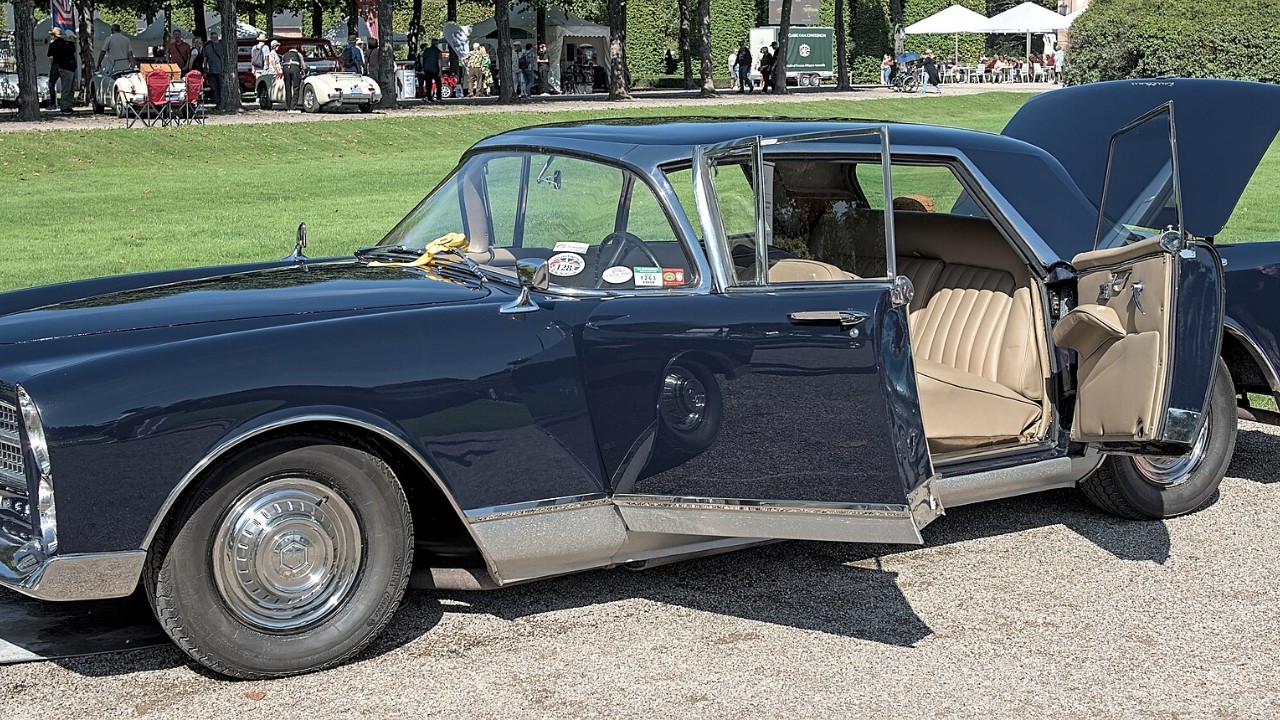
Jean Daninos reportedly did not want a four-door, but customers asked for one. He then hoped the Excellence would become France’s presidential car, Curbside Classic reports. President de Gaulle declined it, reportedly because of its American engine. Even so, Madame de Gaulle used one, and 12 went to French ambassadors.
Early cars had a 6.3-liter Chrysler Hemi with 360 hp. The Excellence also cost about four times as much as a Citroën DS. Facel built 11 first-generation cars, the last for Ava Gardner, then 137 EX1s and eight EX2s.
13. 1934–1936 Mercedes-Benz 500K
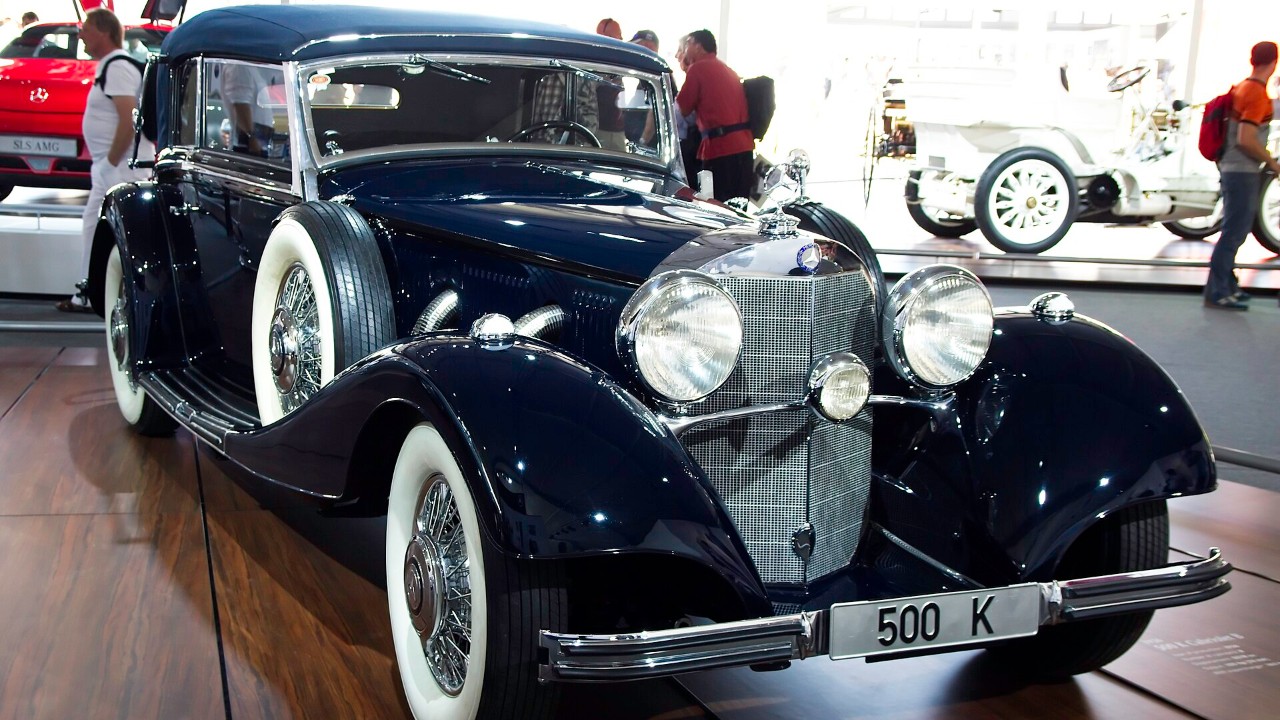
Mercedes showed the 500K at the 1934 Berlin show. Its 5,018 cc straight-eight made 100 hp until the driver engaged the supercharger, and then output rose to 160 hp, according to Conceptcarz. The page credits engineer Hans Nibel with its rear swing-axle setup.
Production reached 105 cars in 1934, 190 in 1935 and 59 in 1936, or 354, though some counts say 342. Hermann Ahrens styled the 29 Special Roadsters. In 2011, RM Auctions sold one Roadster at Monterey for $3,767,500.
14. 1962–1970 Iso Rivolta IR 300
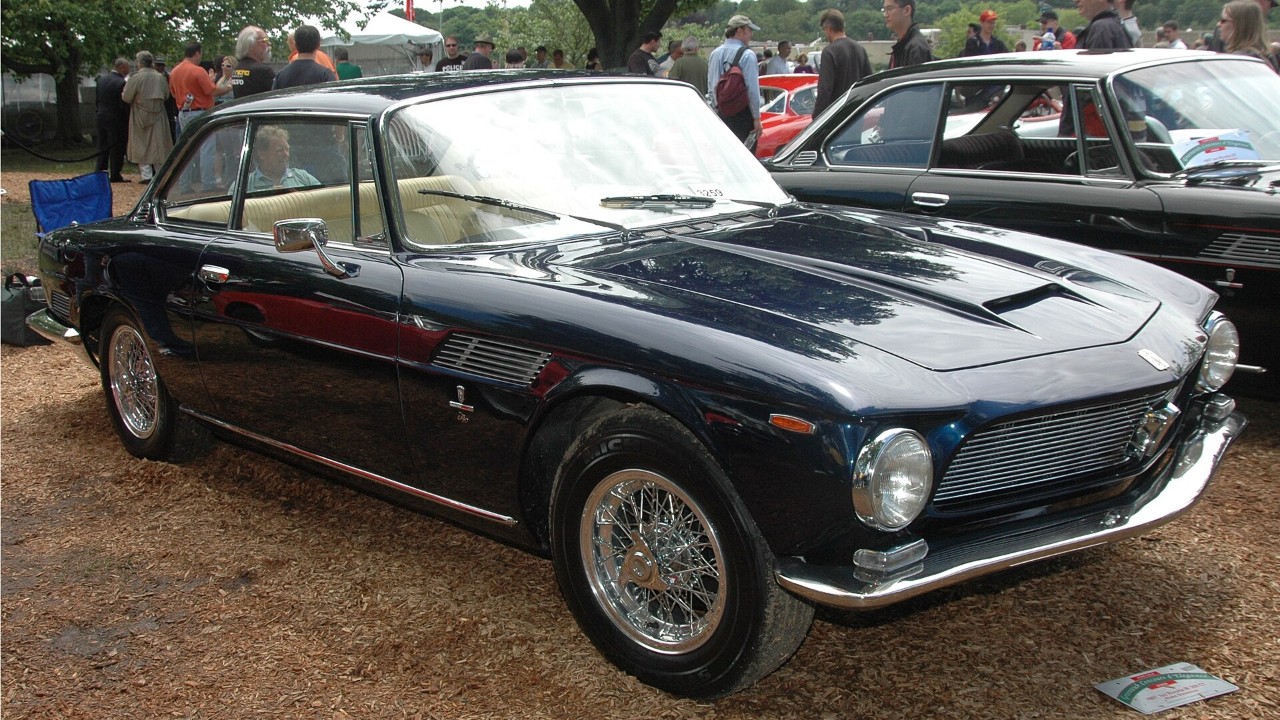
Iso was known for small bubble cars and scooters before 1962. Then Renzo Rivolta and Giotto Bizzarrini developed a four-seat GT, and a young Giorgetto Giugiaro styled it at Bertone, Silodrome explains. It debuted at the 1962 Turin show.
Power came from a 5.4-liter Chevrolet V8 through a Borg-Warner manual, and top speed was around 124 mph. Iso built 797 through 1970. More recently, Silodrome reported a restored example estimated at €85,000 to €125,000.
15. 1936–1939 Horch 853
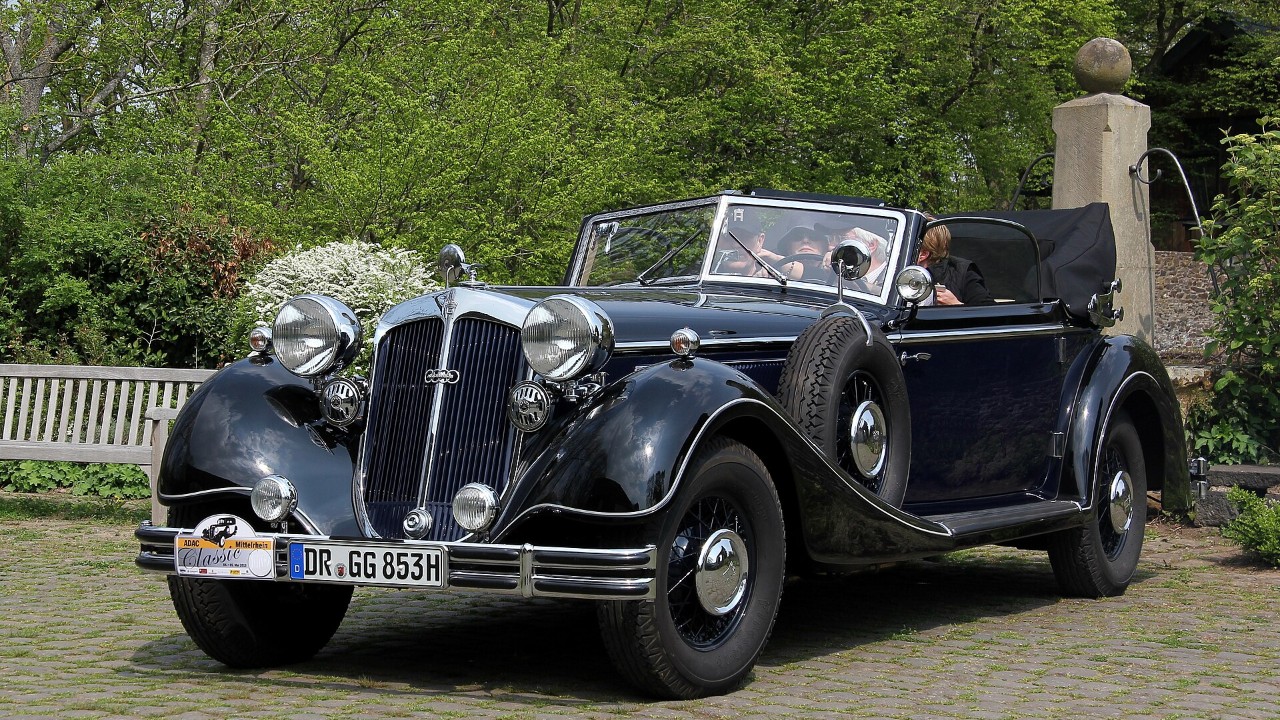
Fiedler and Schleicher designed the Horch 853, and they gave it independent suspension on all four wheels, Classic & Sports Car says. Its 4,944 cc straight-eight used a single overhead camshaft and a heavy crankshaft with ten main bearings.
It weighed more than 5,000 lb dry, so hydraulic servo brakes came with it. A four-speed gearbox with overdrive completed the package, and later cars got synchromesh on all gears. Horch built 950 from 1936 to 1939.
16. 1967–1968 BMW-Glas 3000 V8
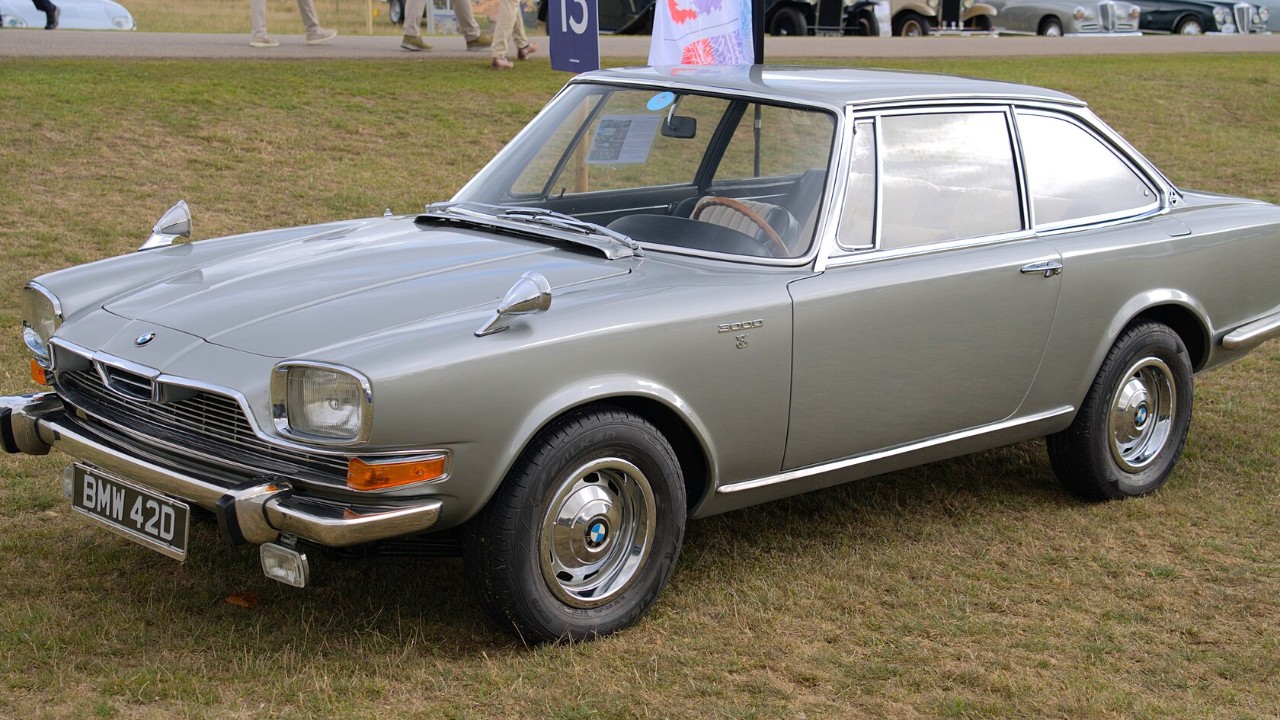
People jokingly called it the “Glaserati,” because Pietro Frua’s lines looked so much like his Maserati Quattroporte, Silodrome notes. Frua had also styled the Glas GT and the earlier 2600 V8, which reached 277 cars.
Under the hood, each cylinder bank had its own belt-driven overhead camshaft, and a leaf-sprung De Dion axle sat at the back. After BMW took over Glas, the 2,982cc version made 160 hp and reached 200 km/h. Then BMW built 389 in about eight months.
17. 1957 Imperial
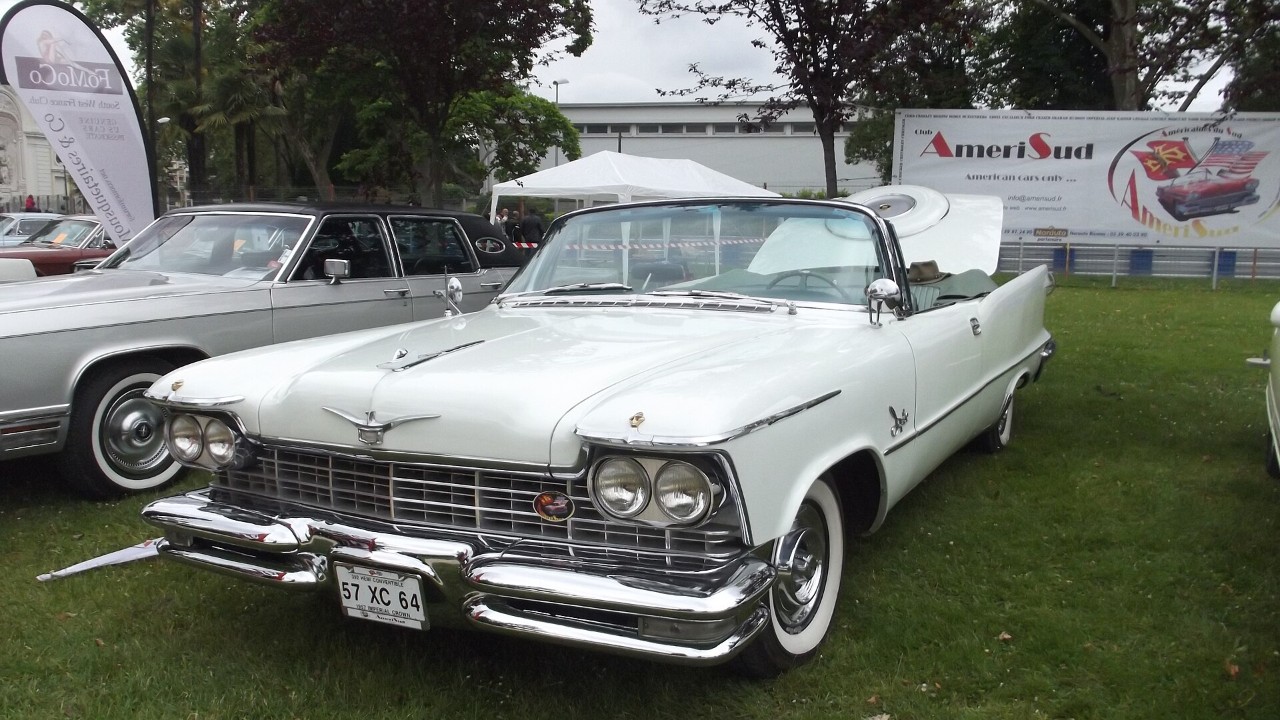
Virgil Exner’s Forward Look peaked with the 1957 Imperial, Hagerty argues. Its Super Scenic windshield wrapped around the sides and into the leading edge of the roof. At the back, “gunsight” taillights finished the fins.
Sales jumped from under 11,000 in 1956 to about 36,000, Hagerty says. That still trailed Lincoln’s roughly 42,000 and Cadillac’s 147,000. Power came from a 392-cubic-inch V8 rated at 325 hp, through a TorqueFlite automatic.
18. Lancia Flaminia Coupe (built through 1967)
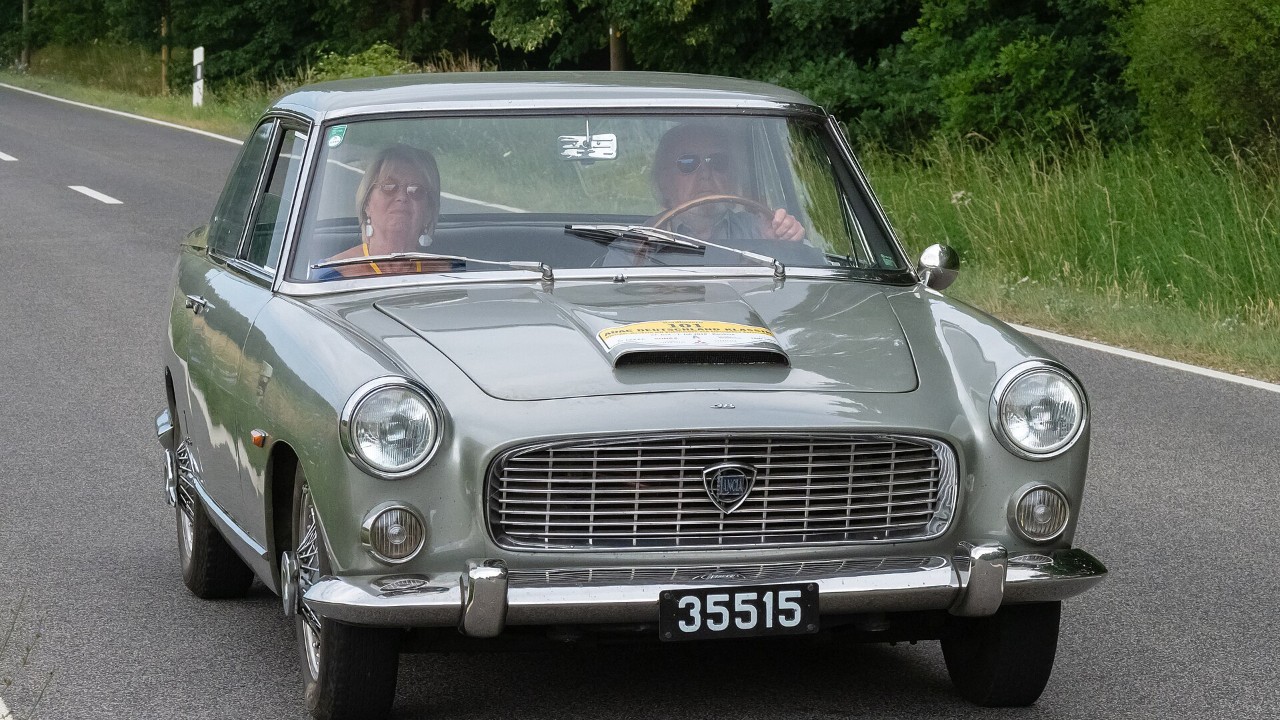
Pininfarina both designed and built the Flaminia coupe, and it took its lines from the Florida II prototype, Conceptcarz explains. It rode on a shorter wheelbase than the saloon, with round headlamp frames instead of the saloon’s angled ones.
Lancia built 5,236 coupes by 1967, 4,151 with the 2.5-liter V6 and 1,085 with the 2.8. Pininfarina also stretched four Flaminias into limousines for Queen Elizabeth II’s visit to Italy. All four survive, and two sit in Italian museums.
More from Fast Lane Only