For one reason or another, some classic cars are forgotten and neglected by enthusiasts. Perhaps they lack a certain desirability compared to rivals, or maybe they don’t resonate well with consumers.
Whatever the case may be, some of these classics are now receiving more attention as enthusiasts begin to understand how amazing they are. This list contains ten of those forgotten classics that are secretly amazing. Our selection is based on a few factors, including performance, practicality, and their latest desirability.
Lotus Elite Type 75
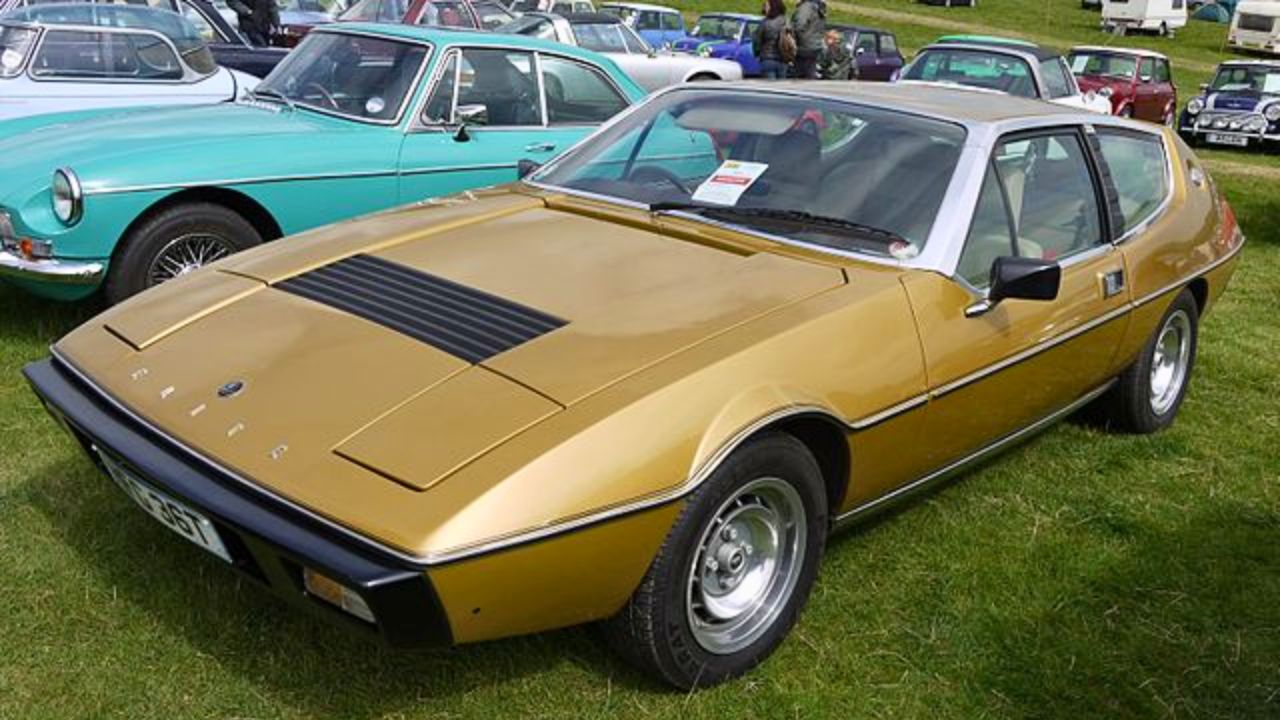
Often forgotten due to its more successful siblings, the Lotus Elite Type 75 was a wedge-shaped four-seater that, at the time, some saw as the poor man’s Lamborghini Espada. It has led to many simply being discarded and left by owners, but the Elite Type 75 still has a lot going for it.
Its 2.0-liter engine was peppy, and being a Lotus, it still handled the vehicle well. Plus, a four-seater Lotus sounds cool, adding a level of practicality you might not have thought possible from the British sports car maker.
Audi V8
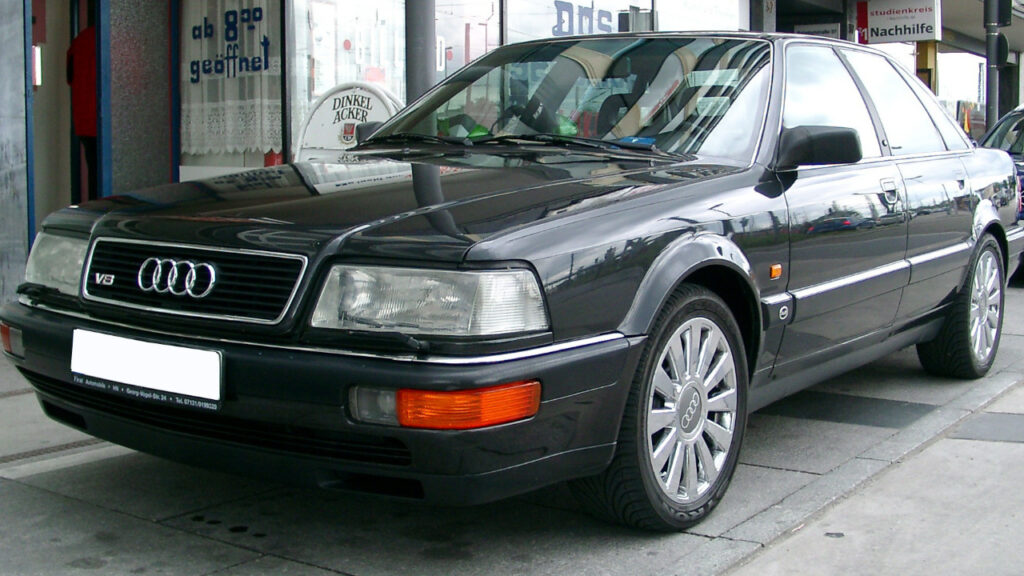
Prior to making the Audi S8 and A8, the German manufacturer had the appropriately named V8. Launched in 1988, the Audi V8 became the company’s flagship V8, retaining some similarities to the earlier Audi 200 but with unique body panels.
Audi gave the V8 a 3.6-liter V8 engine created by fusing two Volkswagen Golf GTI 16-valve units. This engine produced 250 horsepower, an impressive 0-62 mph time of just 7.6 seconds, and a top speed of 155 mph.
Honda Accord Type R
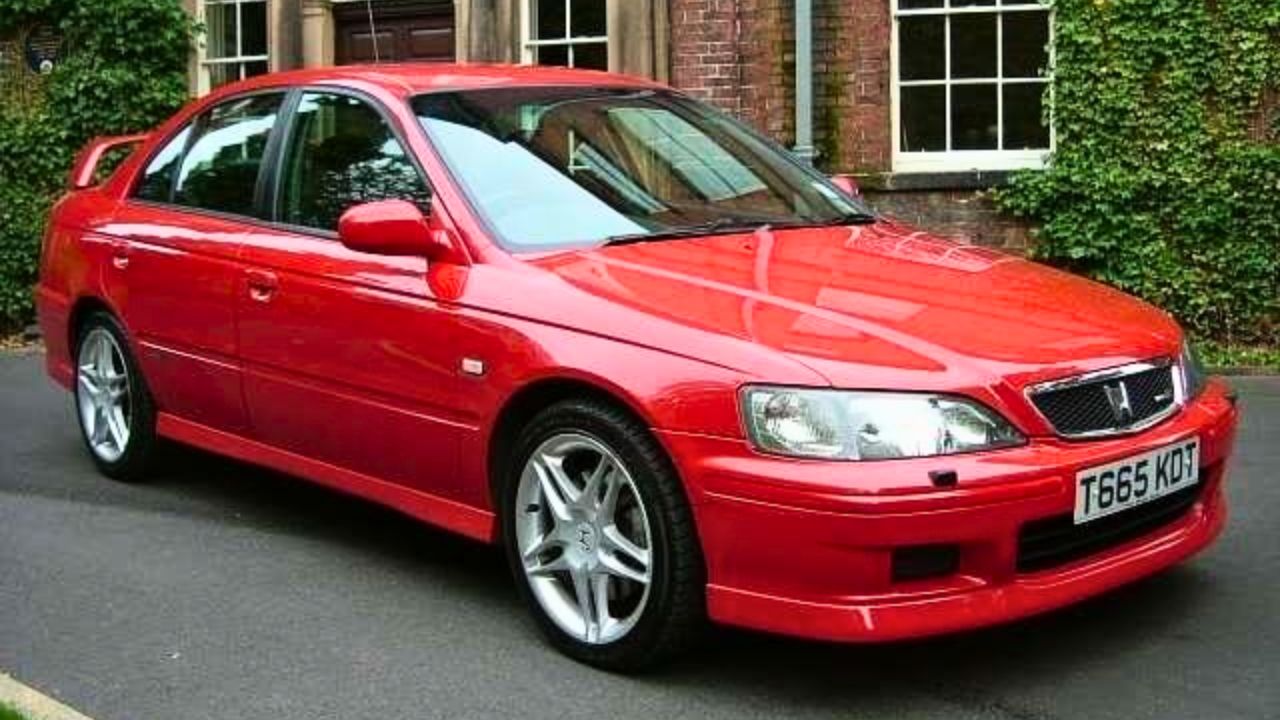
We promise you we haven’t mistyped here. Honda did make an Accord Type R, a performance version of its famous sedan that was more subtle than the contemporary Civic Type R. The styling was so subtle that Honda even allowed owners to remove the rear wing for the Accord.
But its subtle design made it “the thinking man” Type R. Power came from a 2.2-liter variable timing VTEC engine, producing 217 horsepower—a significant upgrade over the standard 145 horsepower 2.0-liter engine. The Accord Type R was a brilliant car, but it is still criminally underrated.
Lamborghini Espada

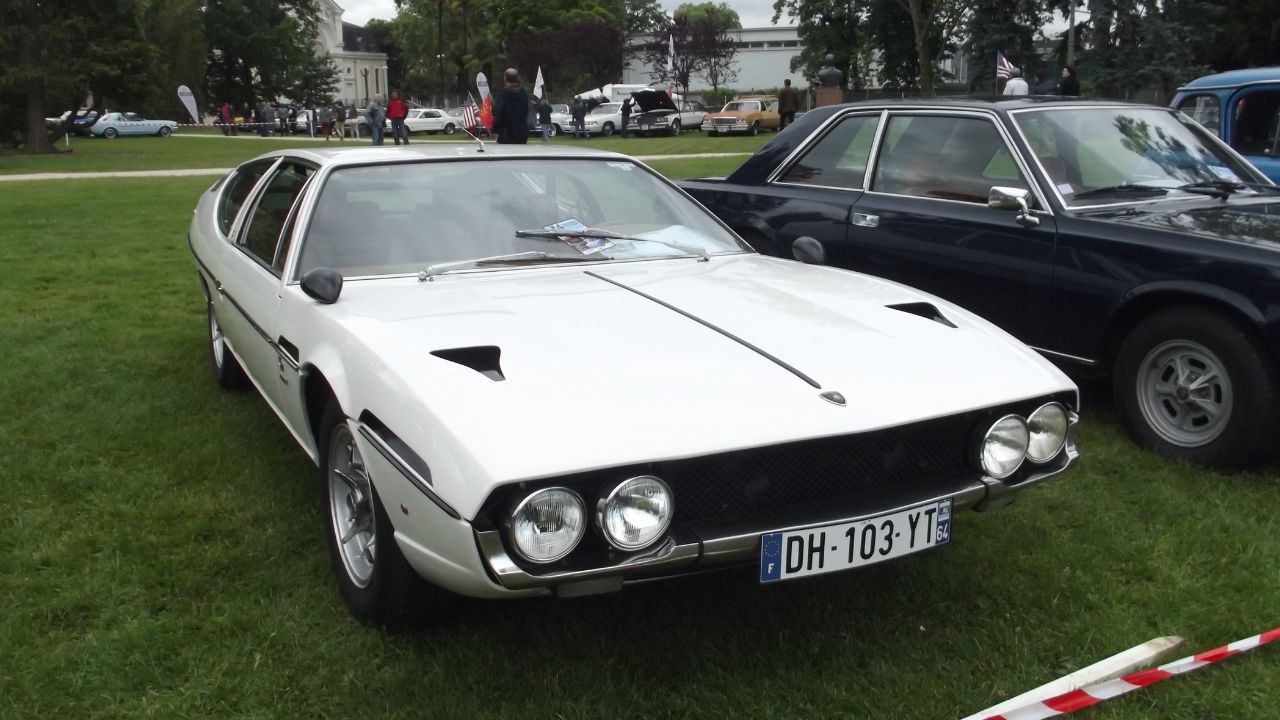
Overshadowed by the Miura and Countach, the Lamborghini Espada was built as a four-seat grand touring coupe in 1968. It became one of the most distinctive-looking Lamborghini ever made. It featured a design from Marcello Gandini of Bertone, and it looked more like a station wagon than a grand tourer.
But the Espada was efficient as a four-seater, meaning it was a Lamborghini you could take the family on holiday with. Power came from a 3.9-liter Lamborghini V12 engine, which produced 325 horsepower when the car was launched.
Fiat Multipla
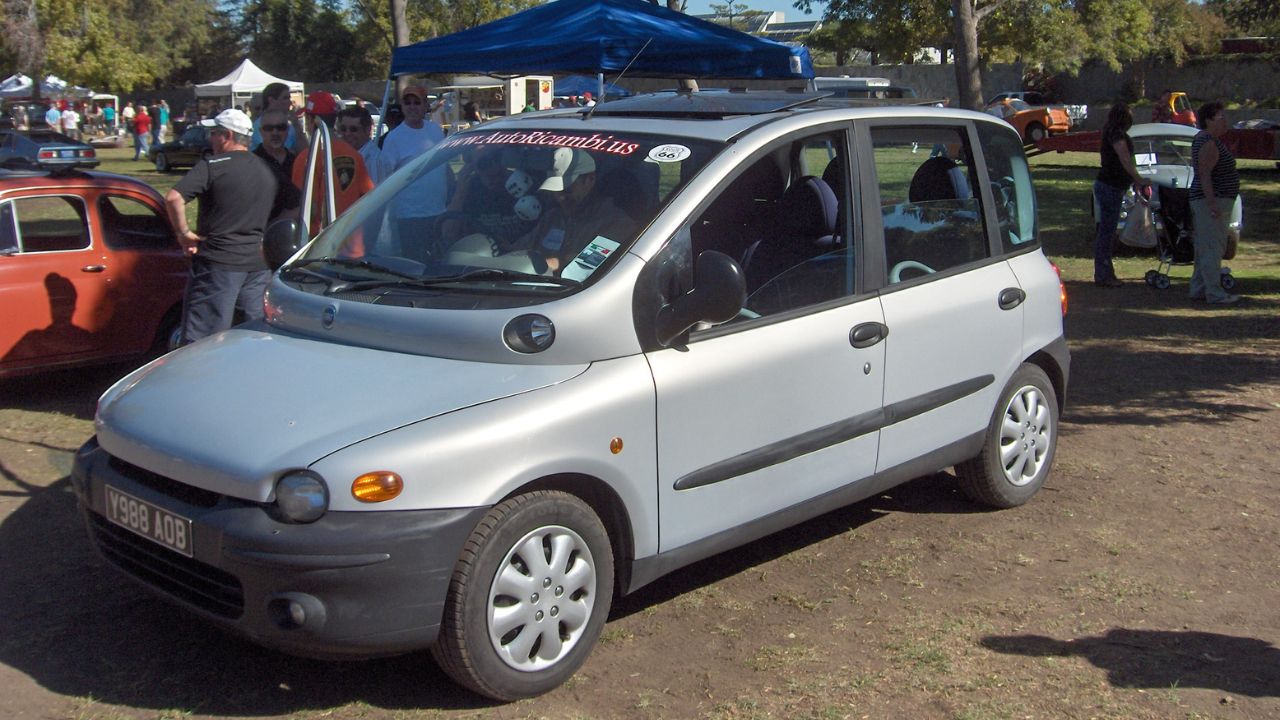
Launched in 1998, the Fiat Multipla certainly proved controversial. This was all because of its design, as Fiat chose function over form to create an unusual-looking MPV. Yet, stepping inside the Multipla, you suddenly realized it all began to make sense.
The Multipla had two rows of three seats, both of which had ample room for the occupants. The cabin was bright thanks to its sunroofs and large windows, and its inline-four engines were incredibly reliable. It’s only now that people are really beginning to appreciate Multipla.
Lola Mk6 GT
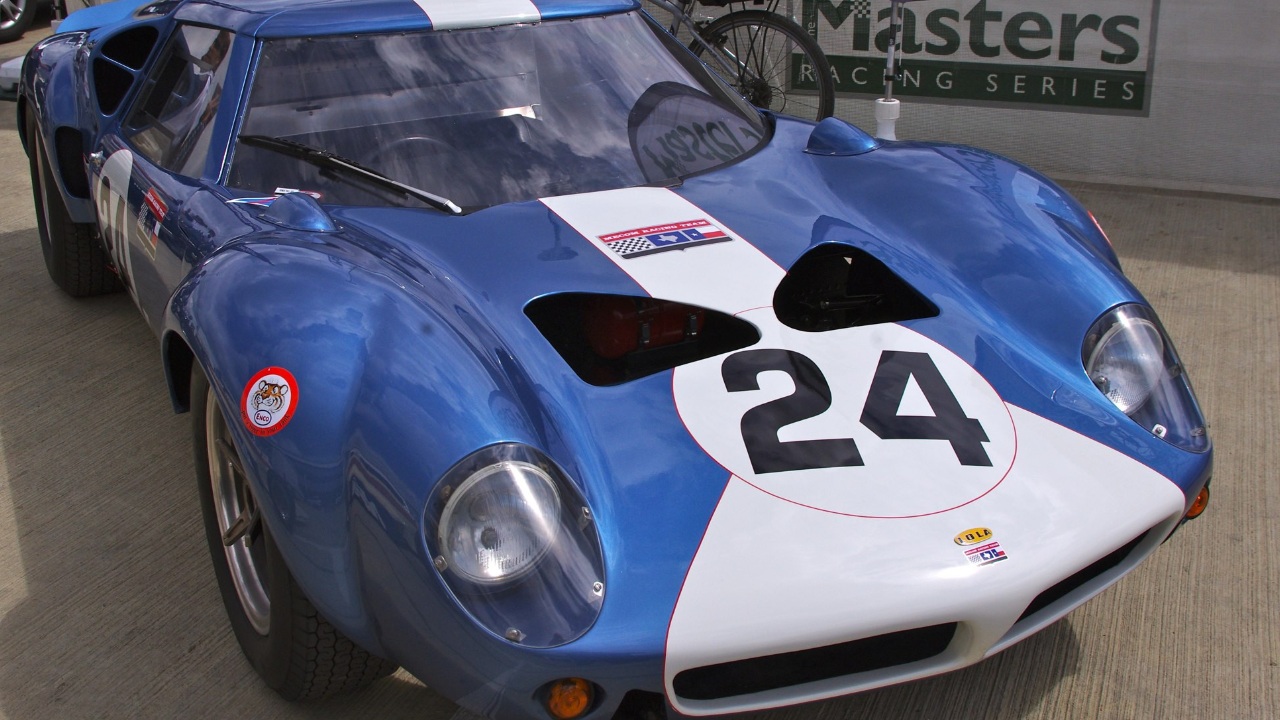
The British-built Lola Mk6 is often forgotten about due to the success of the Ford GT40. But without the Lola, the Ford GT may never have existed. Lola built just three Mk6s from 1962 to 1963, with the aim of taking on FIA sports car races, such as the Le Mans 24 Hours. Power came from a Ford V8 engine, and in 12 races, the Mk6 would pick up just one win.
However, Ford saw the potential in the Mk6 and duly bought one for themselves. The extensive testing they did with the Mk6 laid the foundations for the GT40, a car that would dominate Le Mans in the 1960s.
Mitsubishi 3000GT

The brilliant Mitsubishi 3000GT is often left in the shadows, thanks to other sports cars offered at the time by Japan. Cars such as the Mazda RX-7 and Honda NSX all stole the 3000GT’s thunder. However, driving the Mitsubishi makes you realize just how good a sports car it really was.
The 3000GT was widely praised for its power and performance, its smooth acceleration, and its superb handling. The best version of the 3000GT was the VR-4, which had a twin-turbocharged DOHC V6 under the hood capable of 300 horsepower and 308 lb-ft of torque.
2004-2006 Pontiac GTO
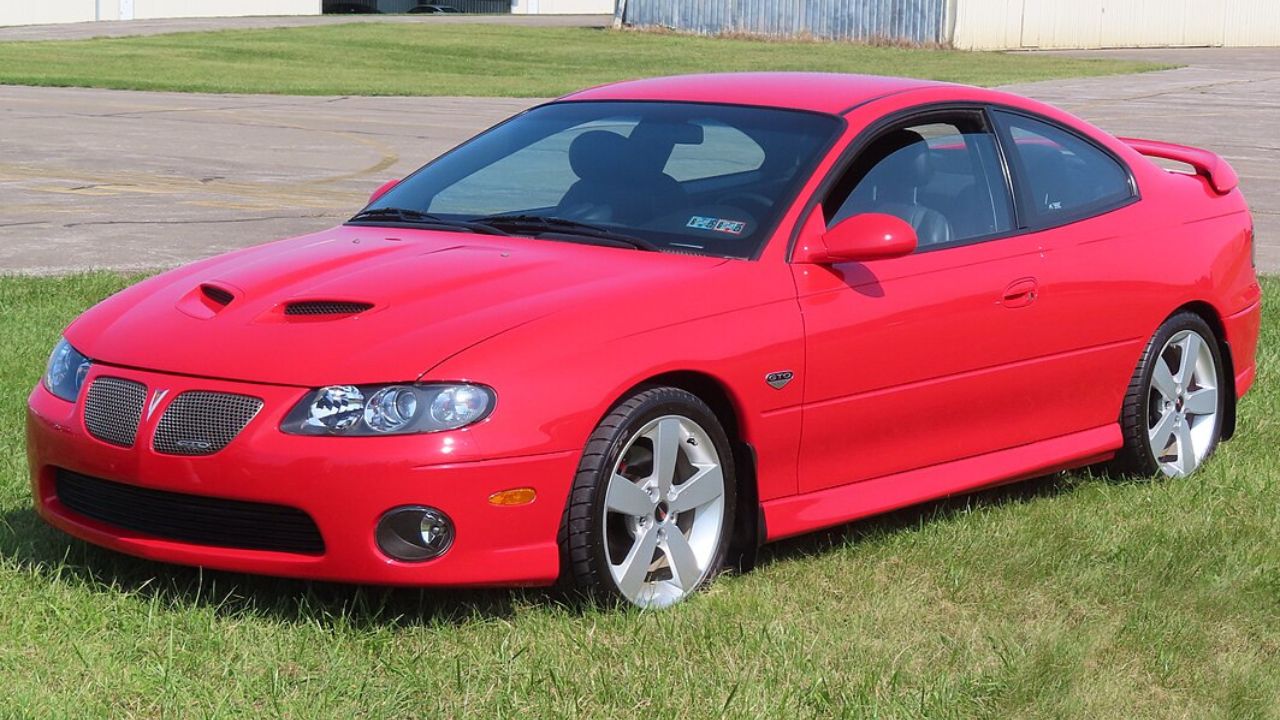
Enthusiasts often overlook the final generation of the Pontiac GTO. Part of this is because it was based on the Australian Holden Monaro and its rather subtle design. Yet those reasons do a disservice to what is actually a fantastic muscle car.
For starters, the model launched with a 5.7-liter LS1 V8 making 350 horsepower. However, in 2005, Pontiac gave the GTO the 6.0-liter LS2 V8, seeing it making 400 horsepower and 400 lb-ft of torque. These were impressive numbers, and the GTO felt every bit like a muscle car when you got behind the wheel. That it is so often overlooked is a crying shame.
Citroën GS
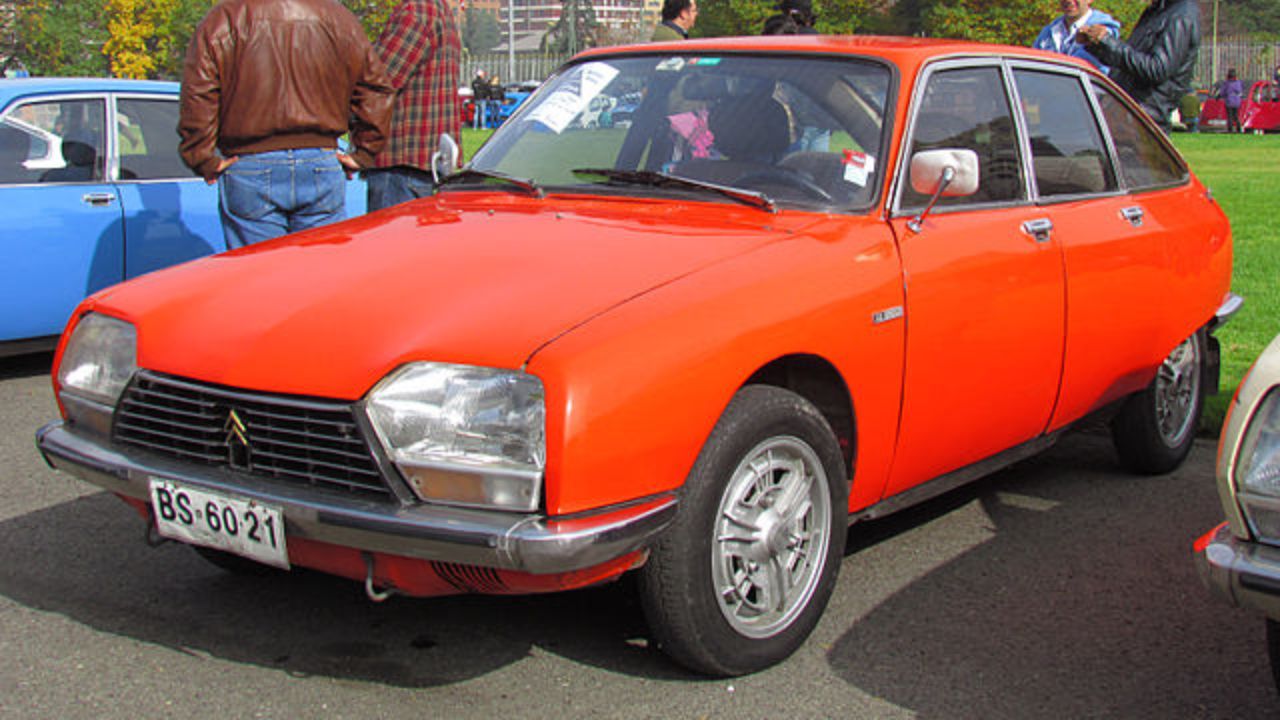
The famous DS often overshadows the brilliant Citroën GS, but the GS is just as clever as its predecessor. Launched at a time when Britain was rolling out the woeful Morris Marina, the GS had a very aerodynamic body, contributing to a low drag coefficient of just 0.318.
Power came from a range of air-cooled four-cylinder engines, including the 2.0-liter Wankel engine. The GS also boasted fully independent hydro-pneumatic brakes and self-leveling suspension, and the design became famous for its safety. Enough people clearly thought it was possible, with nearly two million sold by the French manufacturer.
Lotus Carlton
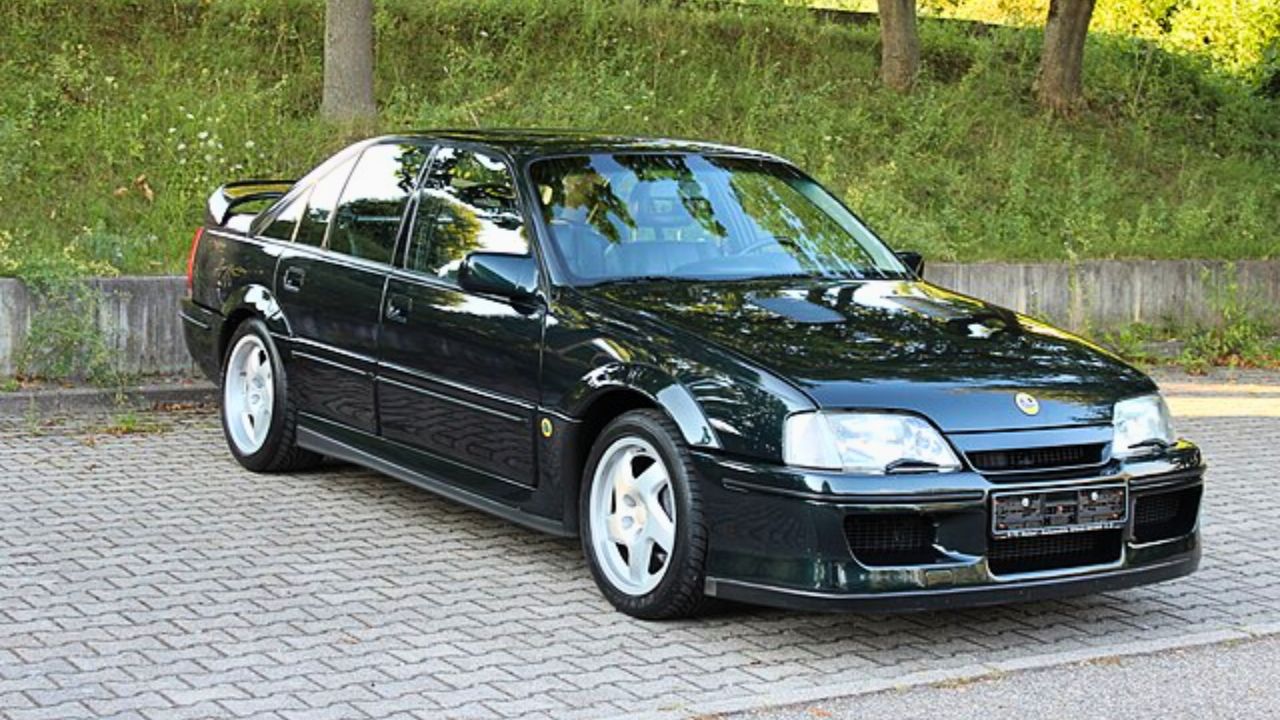
The Lotus Carlton was a monster. It was an upgraded version of the Vauxhall Carlton. Lotus developed the Opel 3.6-liter V36GET engine, and the twin-turbocharged inline-six produced 377 horsepower under the Carlton’s hood.
The speed of the car’s offer and its affordability have led many in the UK government to question whether the car should go on sale or not. But it did go on sale, with nearly 1,000 produced from 1990 to 1992, and the Carlton would become the stuff of legend, even if some enthusiasts do tend to overlook it.
More from Fast Lane Only
- Unboxing the WWII Jeep in a Crate
- 15 rare Chevys collectors are quietly buying
- 10 underrated V8s still worth hunting down
- Police notice this before you even roll window down
*Research for this article included AI assistance, with all final content reviewed by human editors.