The 1980s were challenging years for performance cars as emissions regulations, fuel economy concerns, and rising insurance costs weakened the muscle car market. Still, several machines refused to let American performance disappear completely. These cars carried the spirit of horsepower through a difficult era and helped keep enthusiasm for muscle alive until stronger performance returned.
Buick Grand National GNX
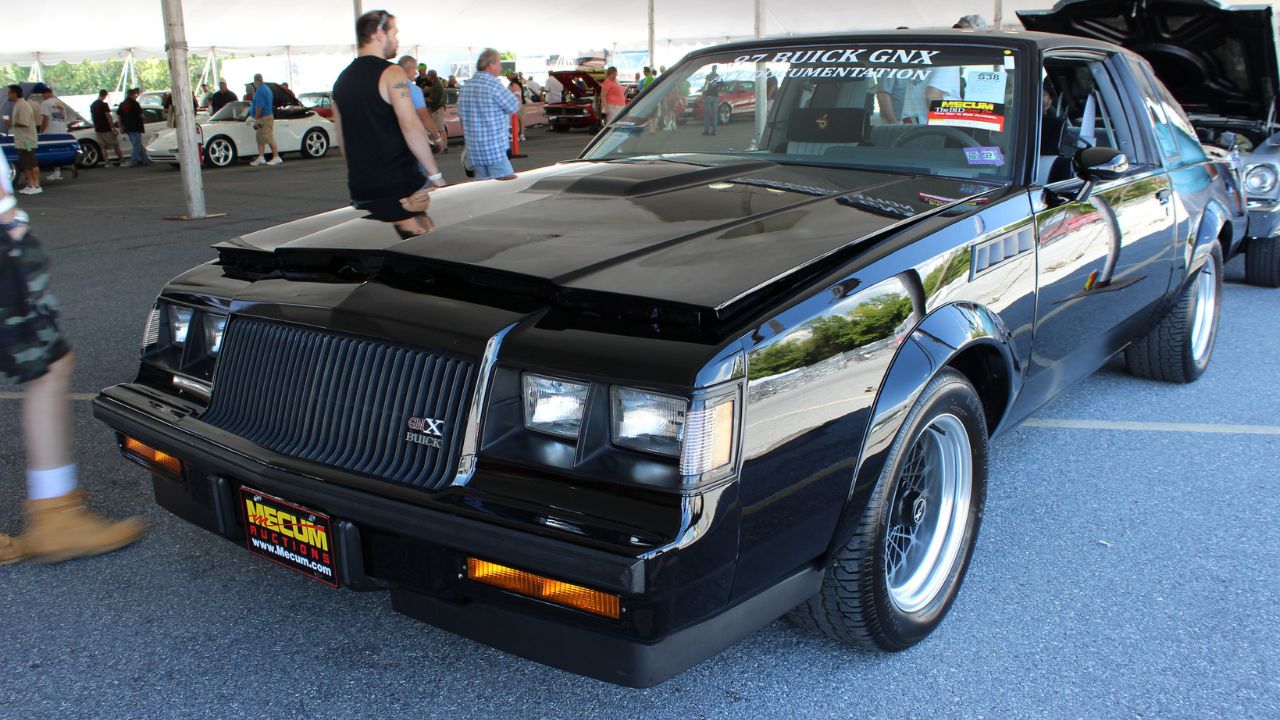
The Buick GNX shocked the automotive world by proving turbocharged V6 power could embarrass traditional V8 muscle cars. Developed with help from ASC and McLaren Performance Technologies, the GNX delivered brutal acceleration that rivaled exotic sports cars of its era. Mechanics respected its durable turbo system and strong drivetrain, while enthusiasts loved its sinister black appearance. During a period when performance was fading across Detroit, the GNX became a reminder that American automakers could still produce seriously fast street machines.
Chevrolet Camaro IROC-Z
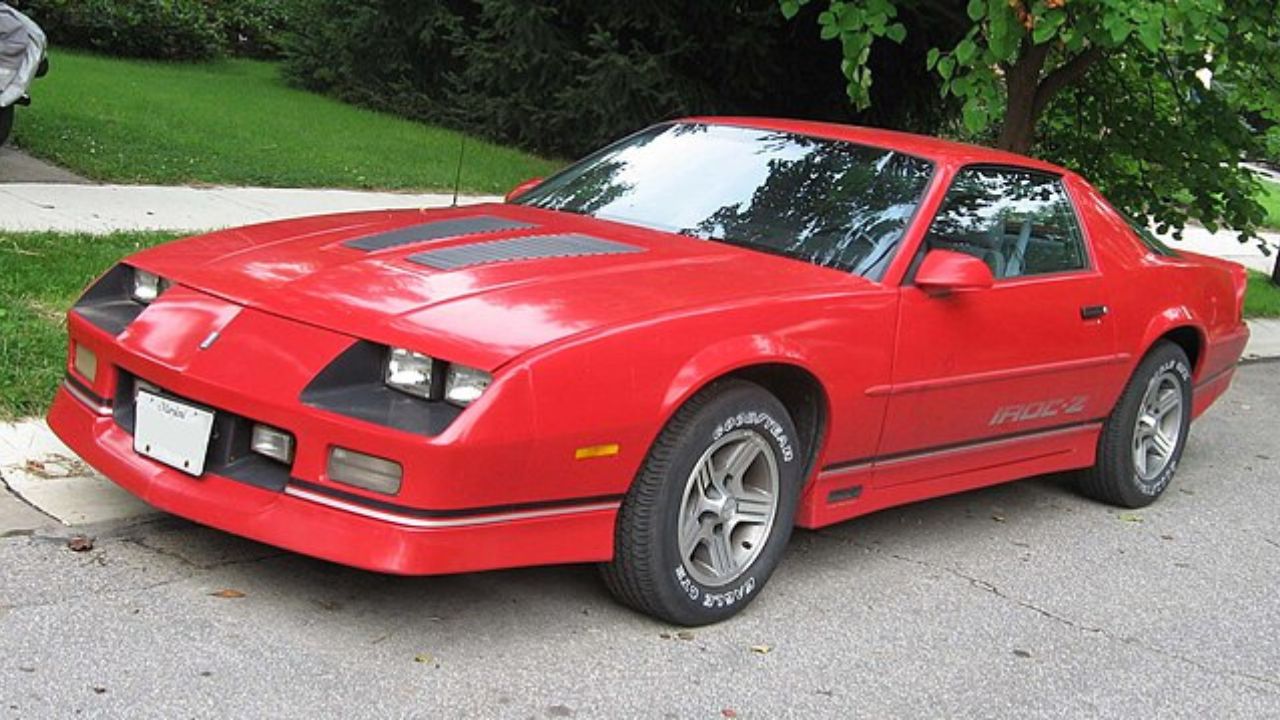
The Chevrolet Camaro IROC-Z helped restore excitement to the Camaro lineup with sharper handling, aggressive styling, and improved V8 performance. Named after the International Race of Champions series, the IROC-Z blended muscle car attitude with modern suspension upgrades that improved cornering ability. Tuned-port injection technology also gave Chevrolet better power delivery than many earlier emissions-era engines. For younger enthusiasts growing up in the 1980s, the IROC-Z symbolized performance finally beginning to return after years of disappointing horsepower figures.
Ford Mustang SVO
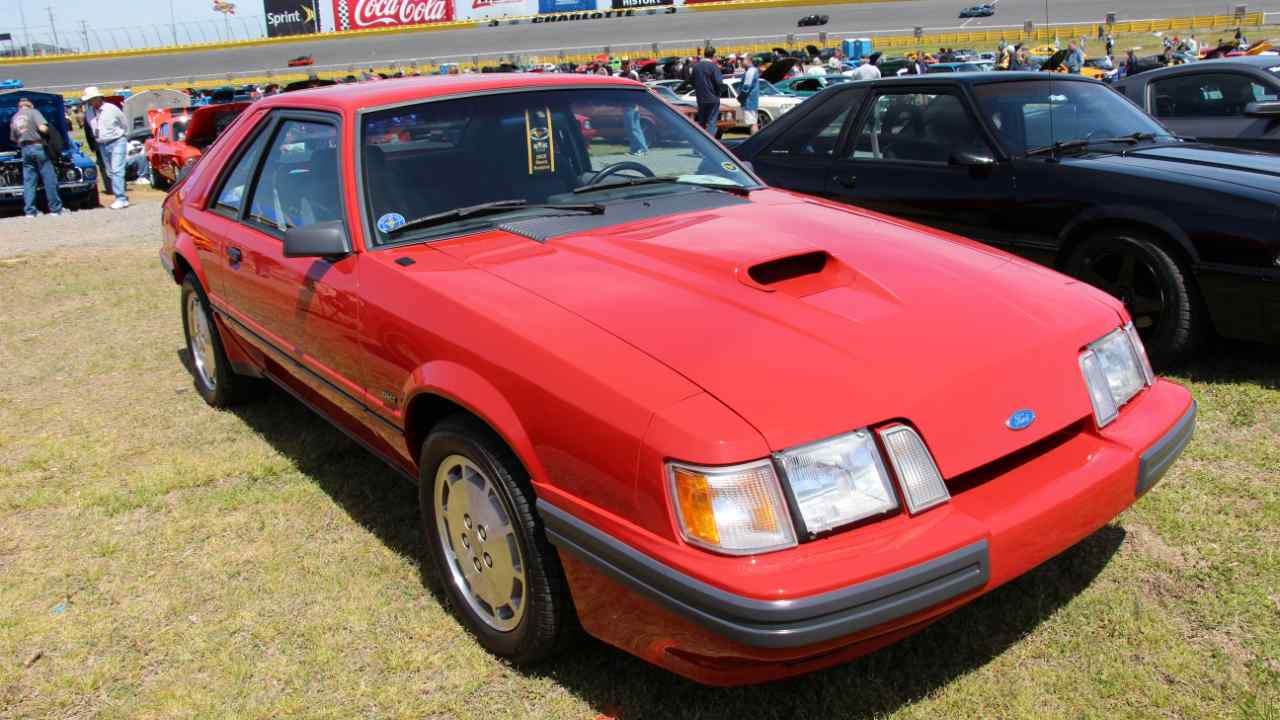
The Ford Mustang SVO took a different approach to American performance by focusing on turbocharged efficiency and advanced handling rather than relying only on V8 power. Developed by Ford’s Special Vehicle Operations division, the SVO featured a turbocharged four-cylinder engine, upgraded suspension, and four-wheel disc brakes. Many traditional muscle fans were skeptical at first, but mechanics appreciated the engineering improvements packed into the lightweight Fox-body platform. The SVO proved American performance could evolve without completely abandoning excitement and speed.
Pontiac Firebird Trans Am GTA
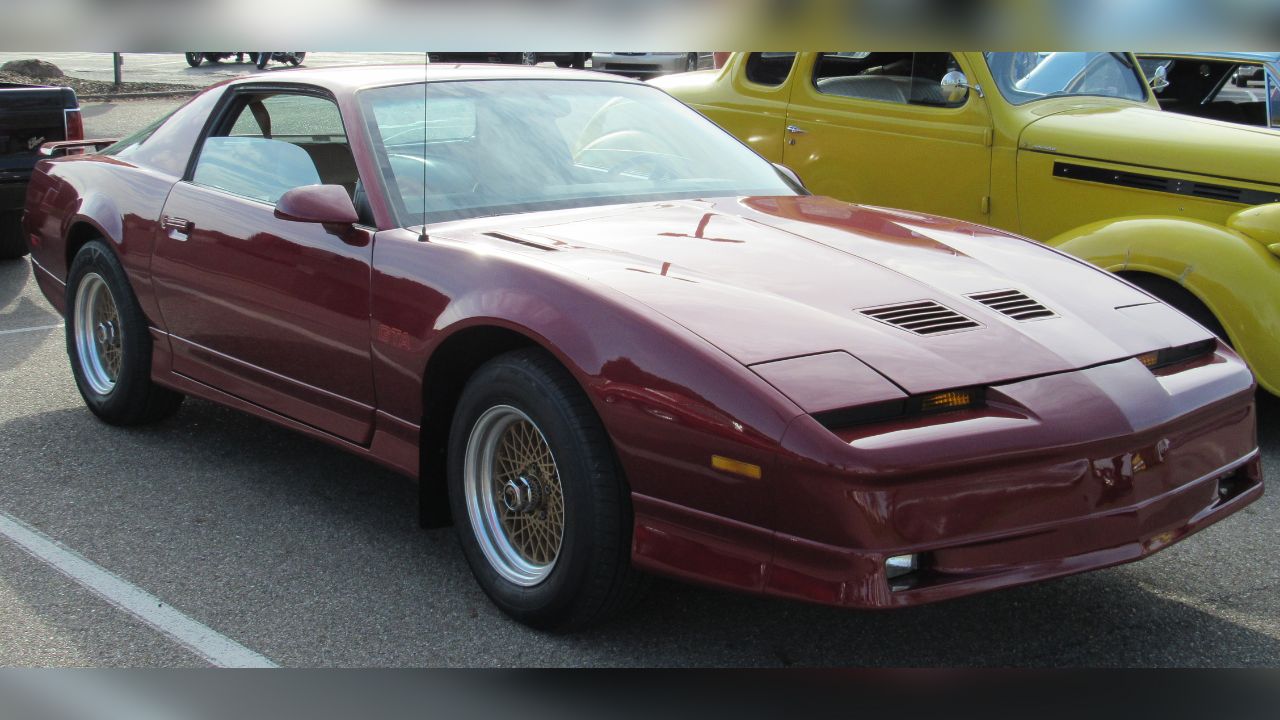
The Pontiac Firebird Trans Am GTA carried the aggressive spirit of Pontiac performance through one of the industry’s toughest decades. Powered by tuned V8 engines and equipped with improved aerodynamics, the GTA delivered respectable speed while maintaining the bold styling buyers expected from a Trans Am. Wide wheels, sporty suspension tuning, and futuristic digital dashboard options gave it strong showroom appeal. The car became especially popular among younger drivers who wanted affordable performance during a period when true muscle cars were increasingly rare.
Dodge Shelby Charger
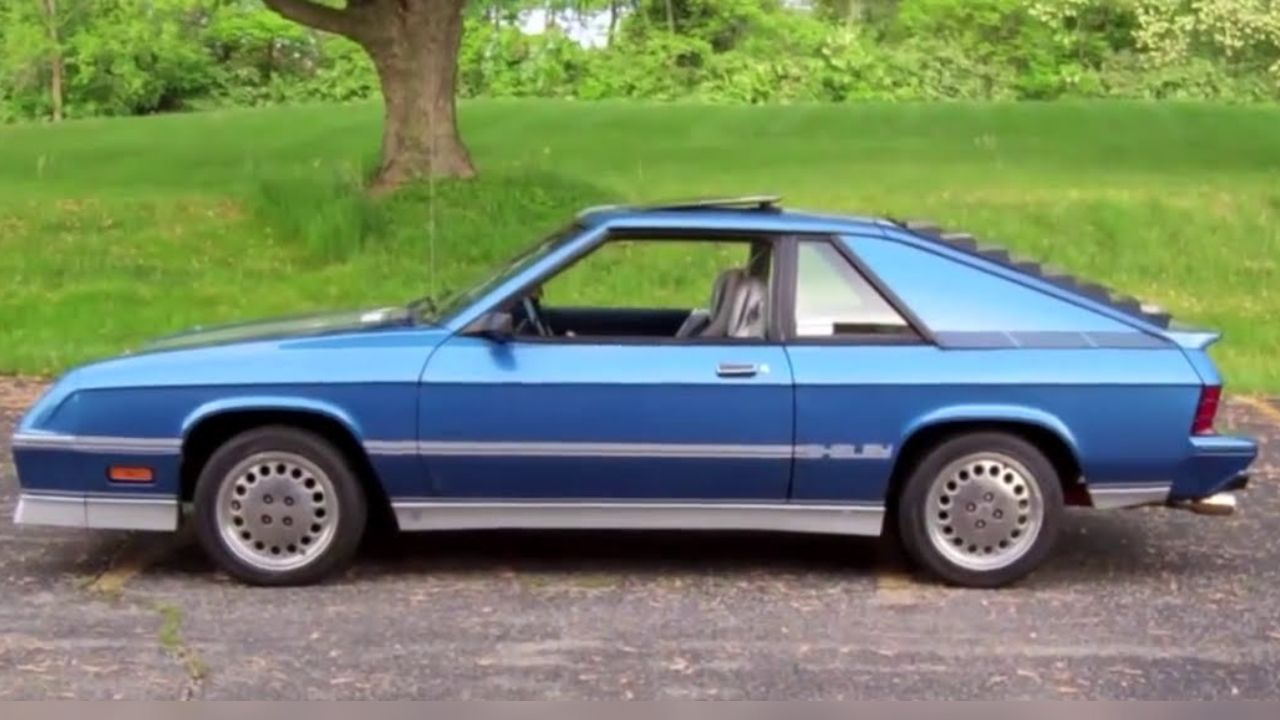
The Dodge Shelby Charger represented an unusual but important chapter in American performance history. Working with Carroll Shelby, Dodge transformed the compact Charger into a lightweight turbocharged machine capable of impressive acceleration for its size. Mechanics often praised its simplicity and tunable turbo setup, which allowed enthusiasts to extract additional performance without major modifications. Although it differed greatly from classic V8 muscle cars, the Shelby Charger helped keep performance enthusiasm alive during a difficult transitional era for Detroit automakers.
Chevrolet Monte Carlo SS

The Chevrolet Monte Carlo SS brought back rear-wheel-drive V8 performance at a time when many American cars were becoming smaller and less exciting. Its aerodynamic styling and NASCAR-inspired image gave buyers a taste of motorsports influence on the street. While horsepower figures were modest compared to earlier muscle legends, the Monte Carlo SS still offered satisfying torque and classic American coupe proportions. Many enthusiasts appreciated its straightforward mechanical layout, which made the car popular among hobbyists and grassroots racers throughout the decade.
Mercury Capri 5.0
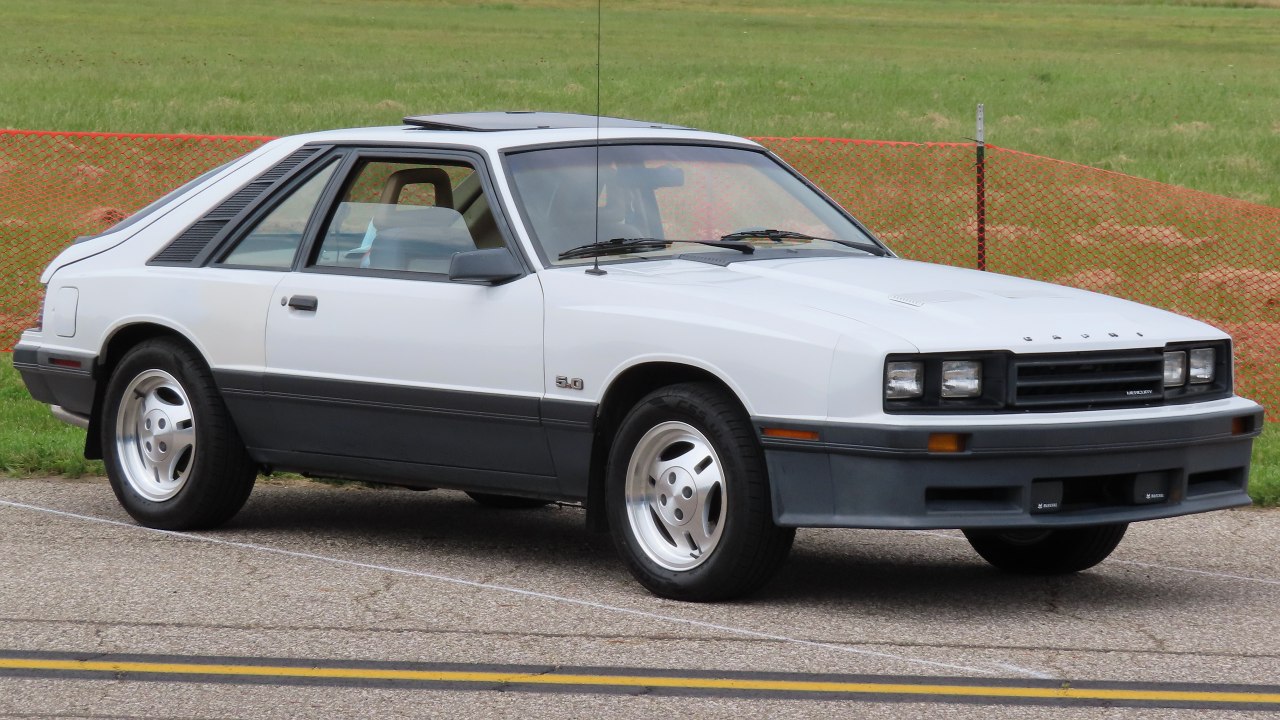
The Mercury Capri 5.0 offered Mustang performance with unique styling that helped it stand out during the 1980s. Sharing Ford’s lightweight Fox platform and proven 5.0-liter V8 engine, the Capri delivered strong acceleration and excellent aftermarket potential. Mechanics liked how easily the platform could be modified, while drivers enjoyed its combination of affordability and genuine V8 performance. Though often overshadowed by the Mustang, the Capri quietly helped preserve the muscle car spirit during a period when many manufacturers had abandoned performance altogether.
Oldsmobile 442

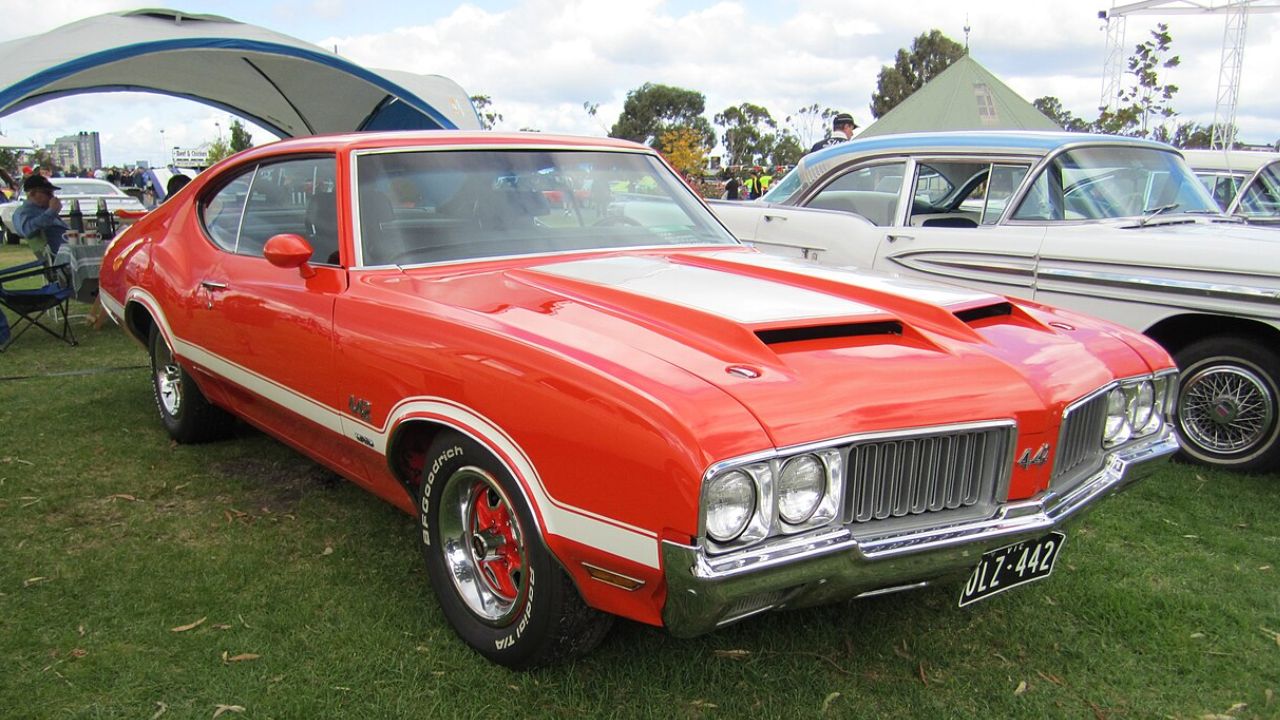
The Oldsmobile 442 kept an iconic muscle car badge alive during years when true high-horsepower machines were difficult to find. Based on the rear-wheel-drive Cutlass platform, the 442 still offered V8 performance and sporty suspension upgrades that appealed to traditional enthusiasts. While it lacked the massive power of its 1970s predecessors, the car maintained the aggressive styling and character buyers associated with the famous nameplate. Mechanics appreciated its dependable drivetrains and relatively simple engineering compared to increasingly complicated competitors of the era.
Pontiac Fiero GT
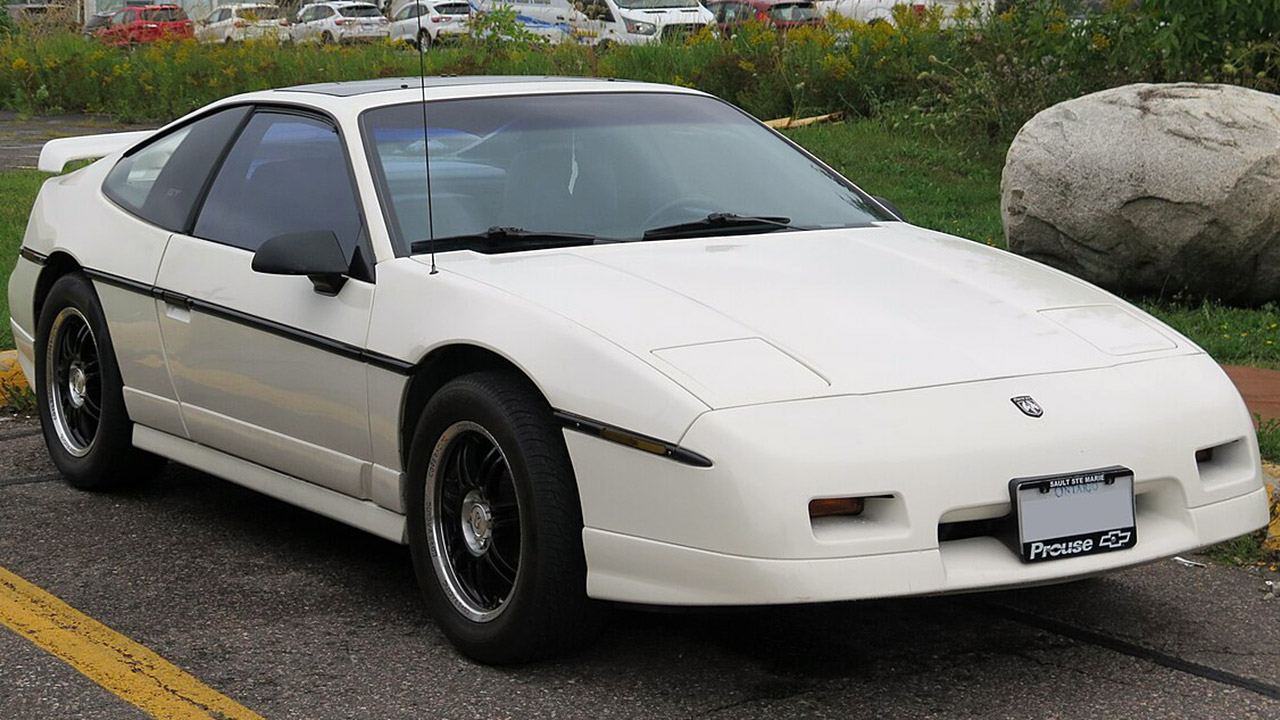
The Pontiac Fiero GT demonstrated that American automakers were still willing to experiment with exciting performance concepts during the 1980s. Featuring a mid-engine layout rarely seen in affordable American cars, the Fiero GT delivered sharp styling and sporty driving characteristics. Later V6-powered versions improved performance significantly over early models. Mechanics often viewed the Fiero as ambitious engineering limited by budget constraints, yet many enthusiasts still admired its unique design. The car helped maintain interest in performance innovation during a difficult decade for sports cars.
Ford Mustang GT 5.0
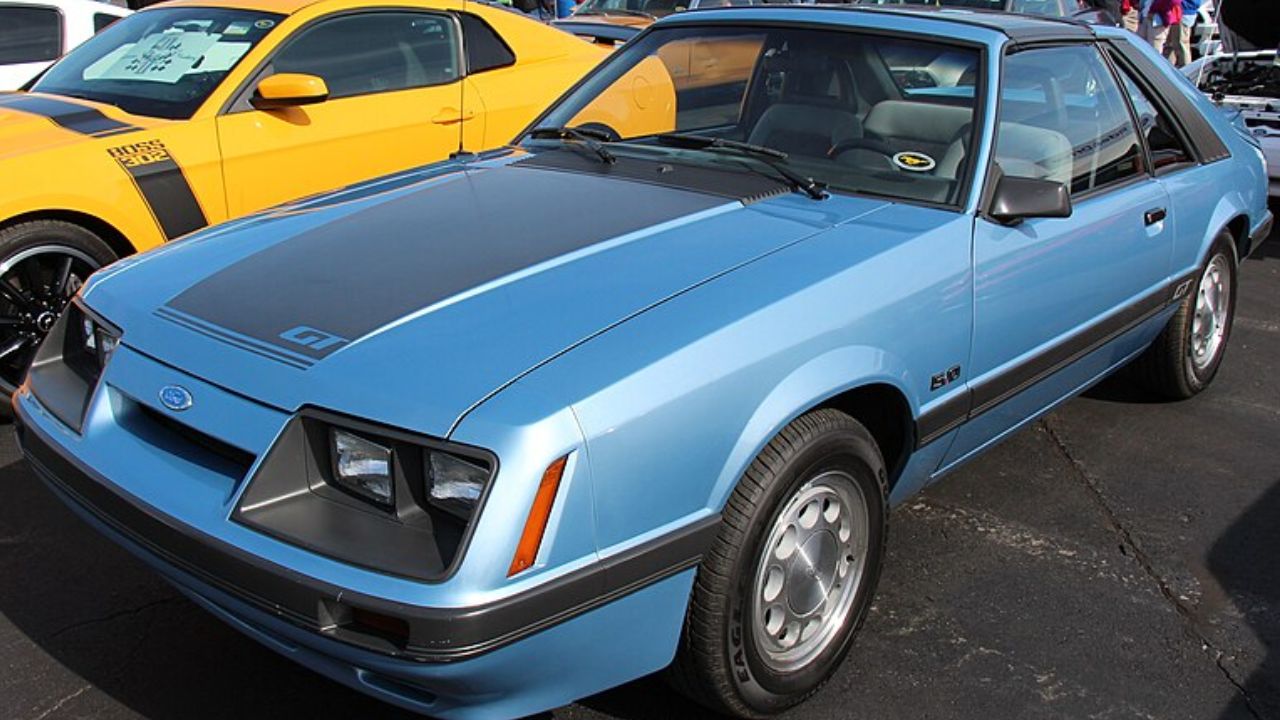
The Ford Mustang GT 5.0 became one of the most important performance cars of the entire 1980s because it restored affordable V8 speed to American streets. Its lightweight Fox-body platform and increasingly powerful 5.0-liter engine created strong acceleration that enthusiasts could easily modify for even greater performance. Mechanics appreciated the engine’s durability and simple layout, which encouraged countless aftermarket upgrades. By the late 1980s, the Mustang GT had become the car that fully reignited mainstream enthusiasm for modern American muscle.
More from Fast Lane Only