Cadillac is expanding into Brazil as part of a broader global growth strategy tied to its increasing motorsport visibility and long-term branding push connected to Formula 1. The move signals a more aggressive international stance for General Motors’ luxury division as it looks to strengthen brand prestige and reach new high-end markets.
The expansion also reflects how automotive brands are increasingly using global motorsport programs as marketing platforms to elevate luxury positioning and accelerate overseas growth.
What happened
Cadillac’s entry into the Brazilian market marks a significant step in its international expansion outside North America. The brand is expected to introduce a lineup of premium SUVs and performance-focused luxury models tailored to Brazil’s growing upper-market consumer segment.
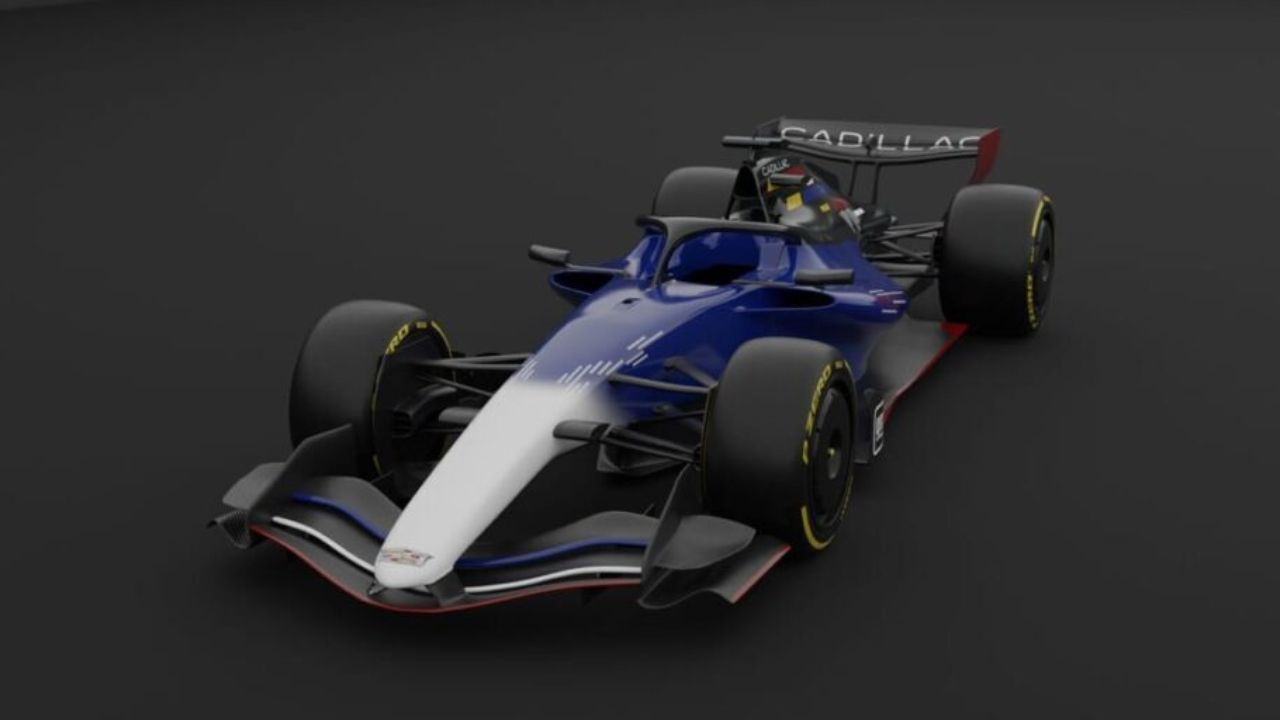
General Motors is positioning Cadillac’s Brazil launch as part of a wider global strategy that integrates product expansion with brand elevation efforts tied to its Formula 1 ambitions. While Cadillac itself is not yet a full-time F1 constructor, GM has been increasingly aligning its premium branding and performance identity with the global visibility of motorsport.
The Brazilian launch focuses on high-end SUVs and luxury performance vehicles, a segment that continues to grow in emerging markets where demand for premium Western brands is rising. Cadillac’s lineup is expected to emphasize advanced driver technology, refined interiors, and performance-oriented design language to compete with established European luxury automakers.
Why it matters
Brazil represents one of the most important luxury growth markets in South America, and Cadillac’s entry signals confidence in long-term demand for premium vehicles in the region. The move also highlights how traditional American luxury brands are reasserting themselves in global markets traditionally dominated by German and Japanese competitors.
The connection to Formula 1 strategy is particularly significant. Even though Cadillac’s direct involvement in F1 is still evolving, the sport has become a powerful global marketing platform for automakers seeking to enhance brand prestige, technology credibility, and international recognition. Aligning luxury expansion with motorsport visibility helps reinforce performance identity at a global scale.
This strategy also reflects a broader industry trend where luxury divisions are no longer focused solely on product quality but also on brand storytelling, lifestyle positioning, and global cultural relevance. Motorsport involvement—especially Formula 1—has become one of the most effective ways to achieve that.
What to watch next
The success of Cadillac’s Brazil launch will depend on how well it adapts its lineup to local demand, pricing expectations, and infrastructure conditions. Luxury SUV demand is growing, but competition from established European brands remains strong.
Attention will also be on how closely Cadillac continues to align itself with GM’s broader performance and motorsport ambitions. If the brand’s F1-related strategy expands, it could influence future design language, technology development, and global marketing campaigns.
Finally, the rollout will indicate whether Cadillac can transition from a primarily North American luxury brand into a truly global player. Brazil may serve as a key test market for further expansion into other emerging luxury segments worldwide.
More from Fast Lane Only
- Unboxing the WWII Jeep in a Crate
- 15 rare Chevys collectors are quietly buying
- 10 underrated V8s still worth hunting down
- Police notice this before you even roll window down
*Research for this article included AI assistance, with all final content reviewed by human editors.