Some race cars become famous for trophies, while others earn respect because mechanics know exactly how hard they were pushed. These machines combined engineering brilliance, raw speed, and reliability under extreme pressure. Decades later, veteran mechanics still discuss the designs, repairs, and innovations that made these motorsports legends unforgettable in garages worldwide.
Ford GT40

The Ford GT40 became legendary after dominating endurance racing and ending Ferrari’s winning streak at Le Mans in the 1960s. Mechanics still admire its rugged V8 powertrain and surprisingly durable engineering for such a high-performance machine. Built to survive brutal 24-hour races, the GT40 required constant precision tuning, yet it proved incredibly resilient under stress. Its low-slung body and race-focused layout also forced mechanics to develop creative maintenance techniques that are still discussed by vintage racing specialists today.
Lancia Stratos
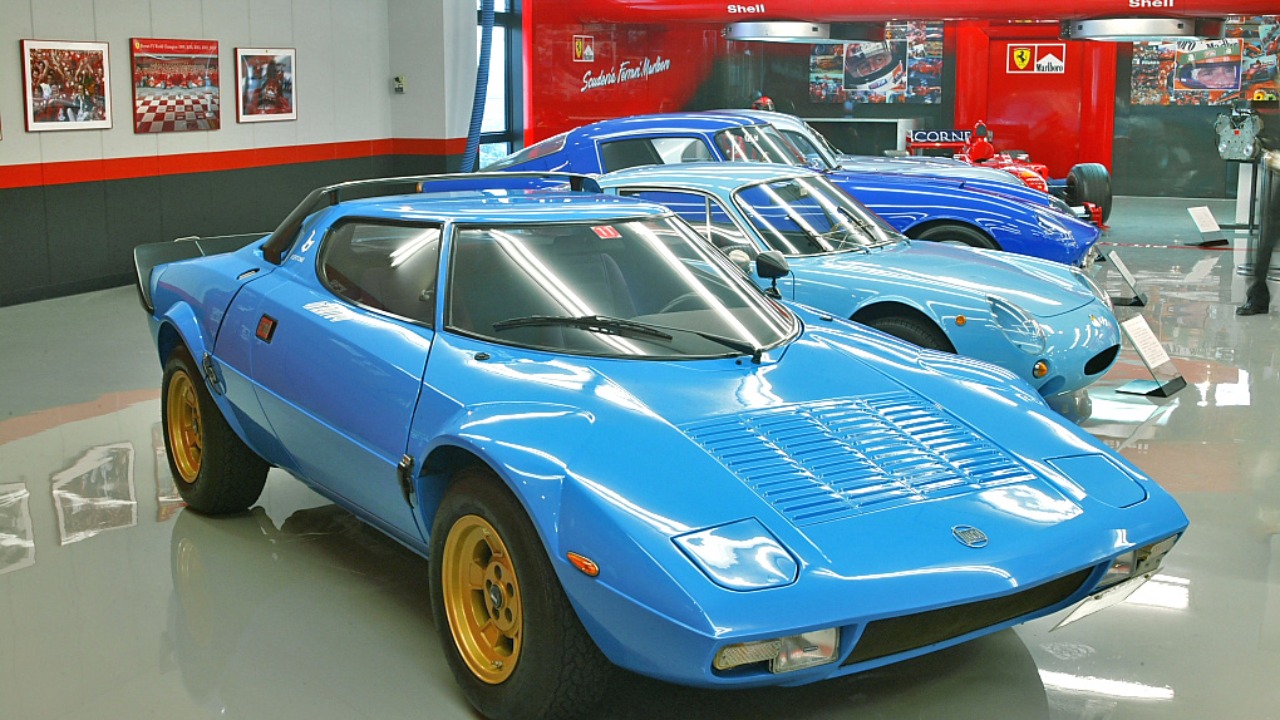
The Lancia Stratos changed rally racing forever with its short wheelbase, aggressive handling, and Ferrari-derived V6 engine. Mechanics respected the Stratos because it was built purely for competition rather than adapted from a road car. Its compact engine bay demanded patience and expertise during repairs, especially in rough rally conditions. Despite its complexity, the Stratos delivered astonishing performance on dirt, snow, and asphalt. Many rally mechanics still view it as one of the boldest and most purpose-built race machines ever engineered.
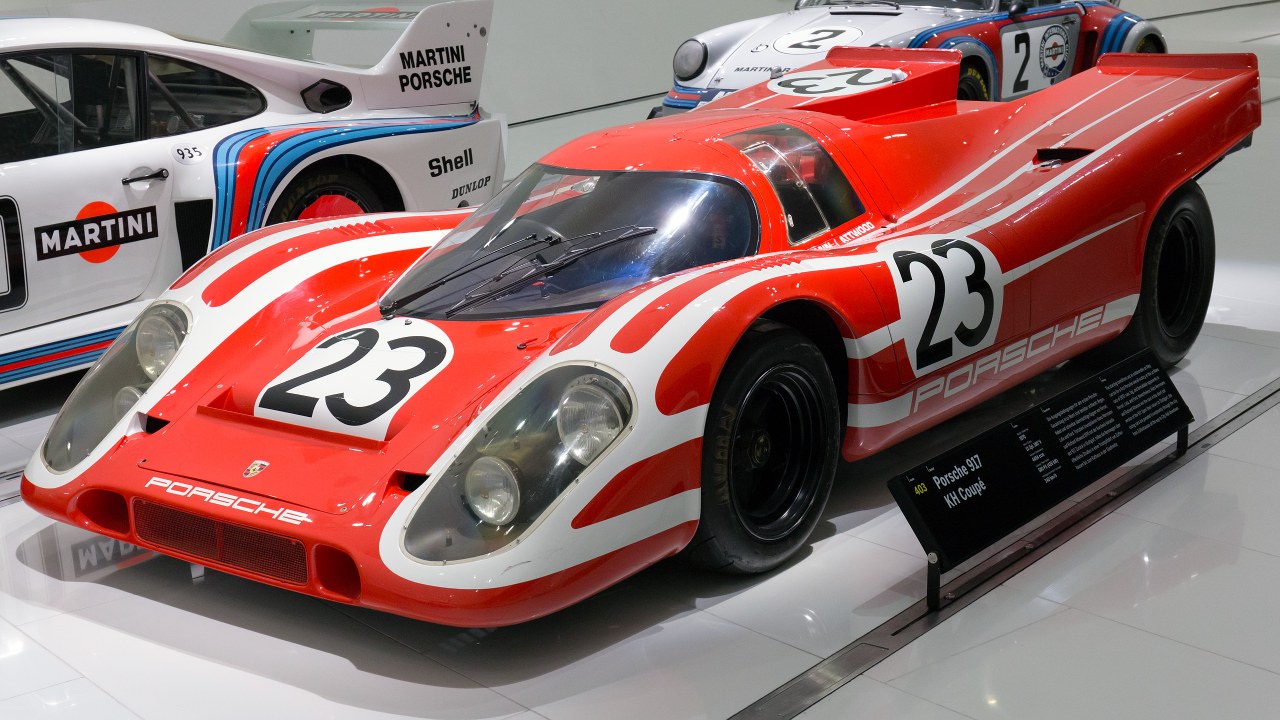
Porsche 917
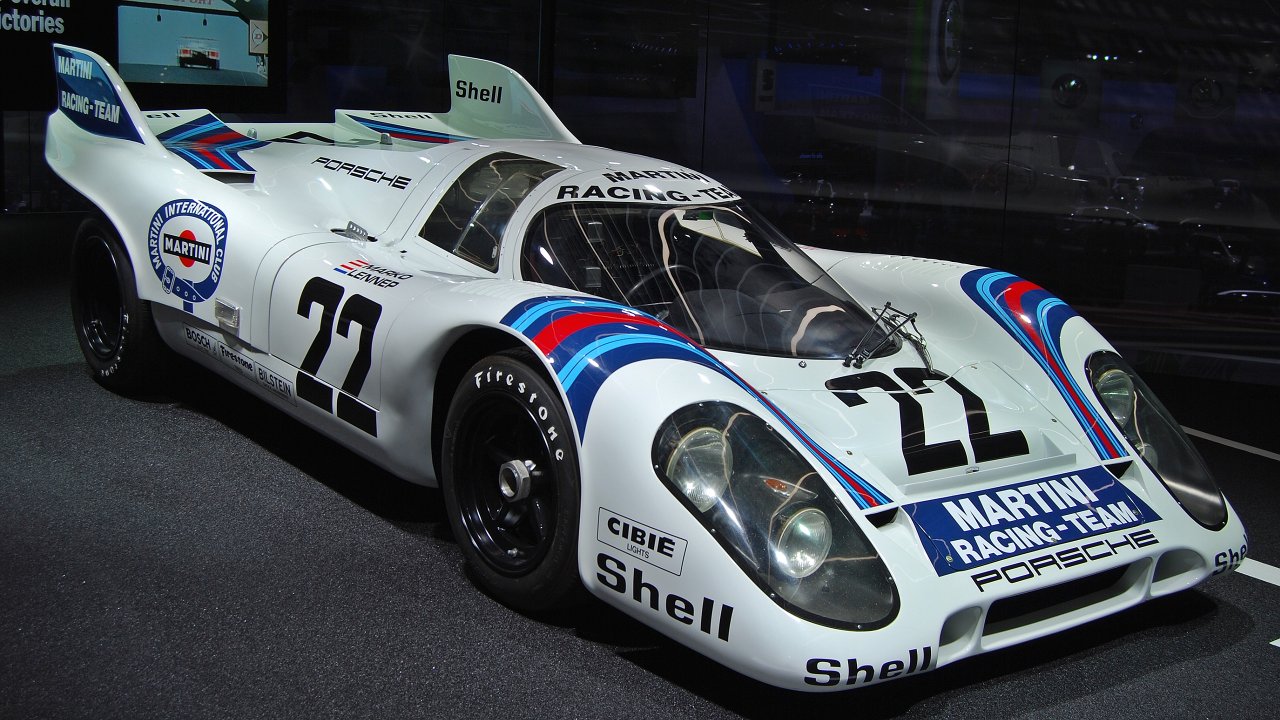
The Porsche 917 terrified drivers with enormous speed but fascinated mechanics with advanced engineering that pushed racing technology into a new era. Powered by a flat-12 engine capable of incredible performance, the 917 required meticulous maintenance to remain competitive during endurance events. Early versions suffered from instability, forcing engineers and mechanics to work closely to improve aerodynamics and reliability. The lessons learned from the 917 influenced countless future race cars, and mechanics still admire how Porsche transformed a dangerous machine into a dominant motorsports icon.
Subaru Impreza WRC

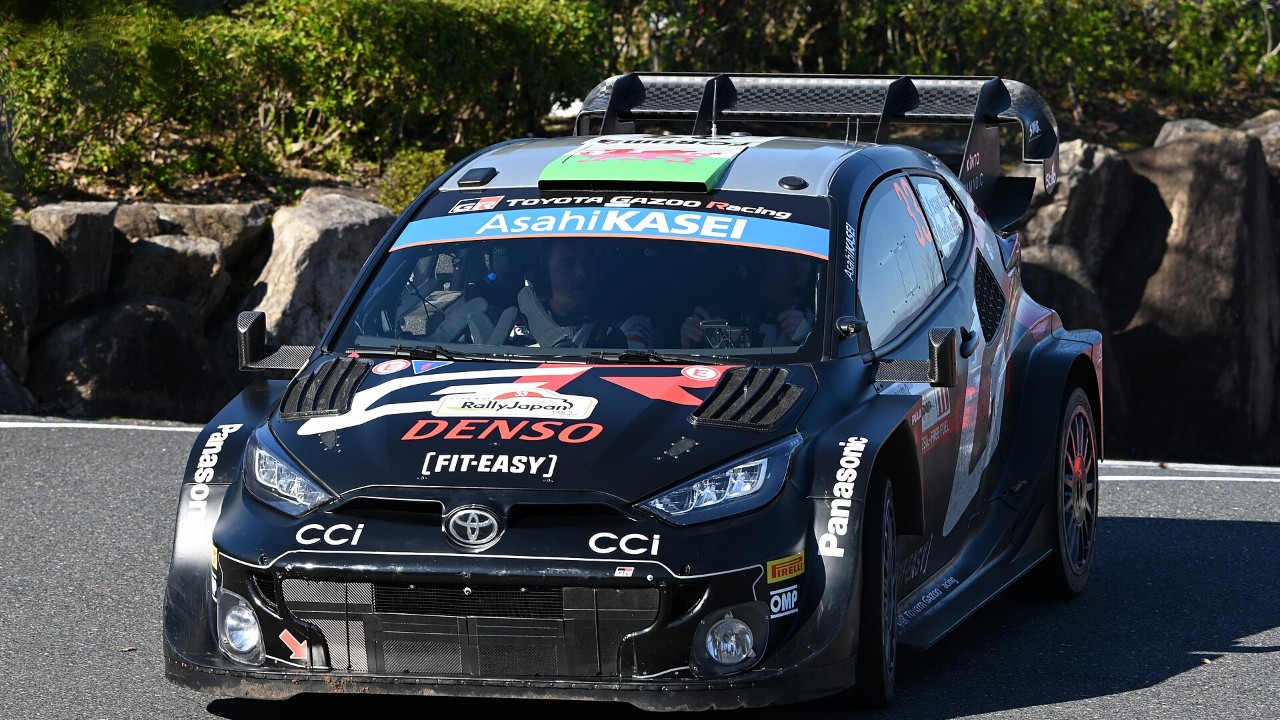
The Subaru Impreza WRC became one of rally racing’s most recognizable machines thanks to its turbocharged boxer engine and advanced all-wheel-drive system. Mechanics often praise the car for balancing durability with serious performance in punishing rally environments. Mud, snow, gravel, and jumps constantly tested every mechanical component, yet the Impreza repeatedly delivered competitive results. Its distinctive turbo sounds and aggressive handling made it a fan favorite, while mechanics appreciated how Subaru engineered the platform to survive extreme abuse during long championship seasons.
BMW M3 E30 DTM
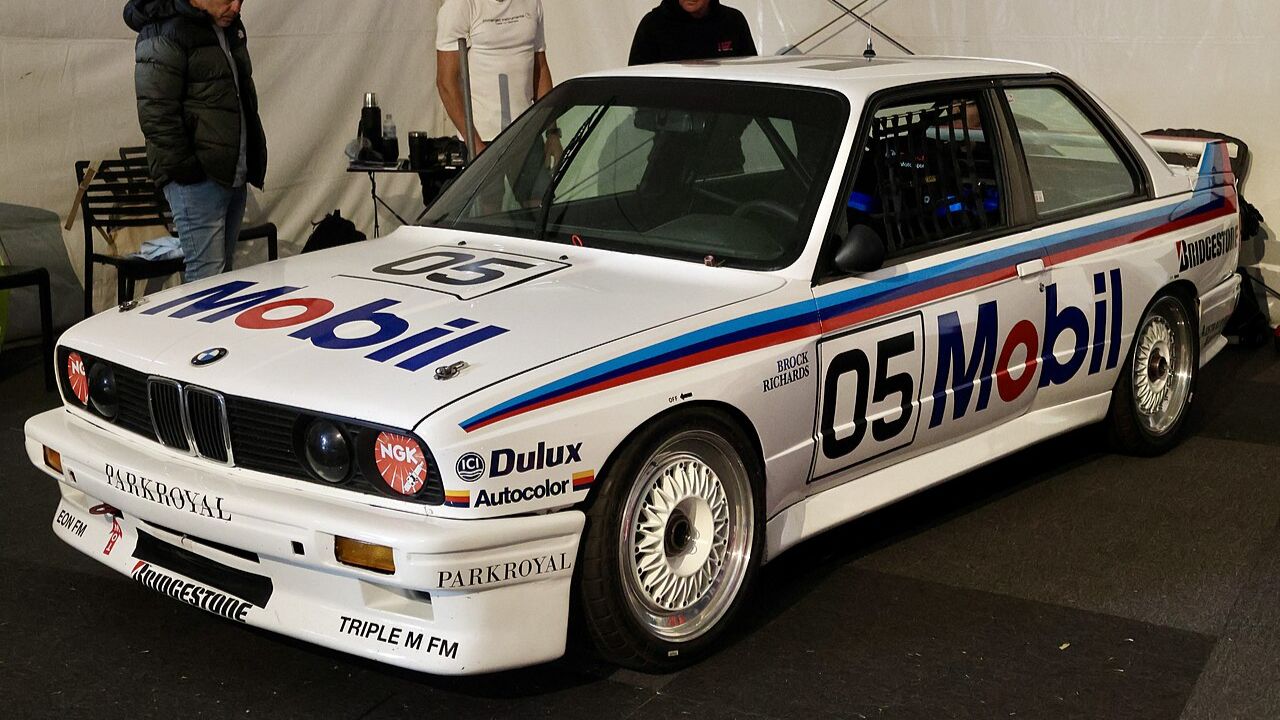
The BMW M3 E30 DTM earned legendary status in touring car racing because of its precise handling and highly durable four-cylinder engine. Mechanics admired how BMW engineered the car for easy balance adjustments and quick trackside servicing during intense race weekends. The lightweight chassis allowed drivers to push aggressively without overwhelming critical components. Even after brutal racing conditions, the M3 often remained remarkably dependable. Today, veteran touring car mechanics still praise the E30 for combining mechanical simplicity with championship-winning performance on demanding circuits worldwide.
Mazda 787B
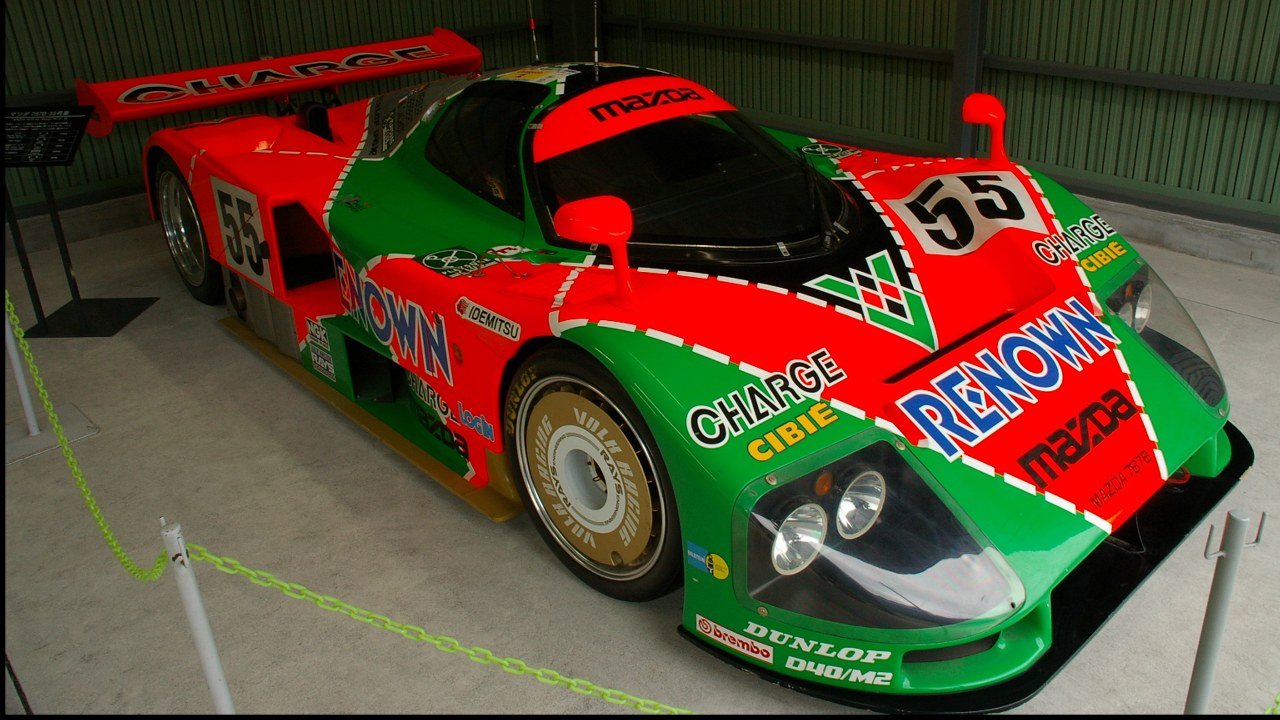
The Mazda 787B remains unforgettable because of its screaming rotary engine and historic Le Mans victory in 1991. Mechanics still debate the brilliance and challenges of maintaining its unique four-rotor powerplant, which operated differently from traditional piston engines. The 787B demanded specialized knowledge and careful tuning to maximize reliability during endurance races. Despite concerns about durability, Mazda proved the rotary concept could survive and win at the highest level. Its distinctive sound and unconventional engineering continue fascinating motorsports technicians decades later.
Audi Quattro S1
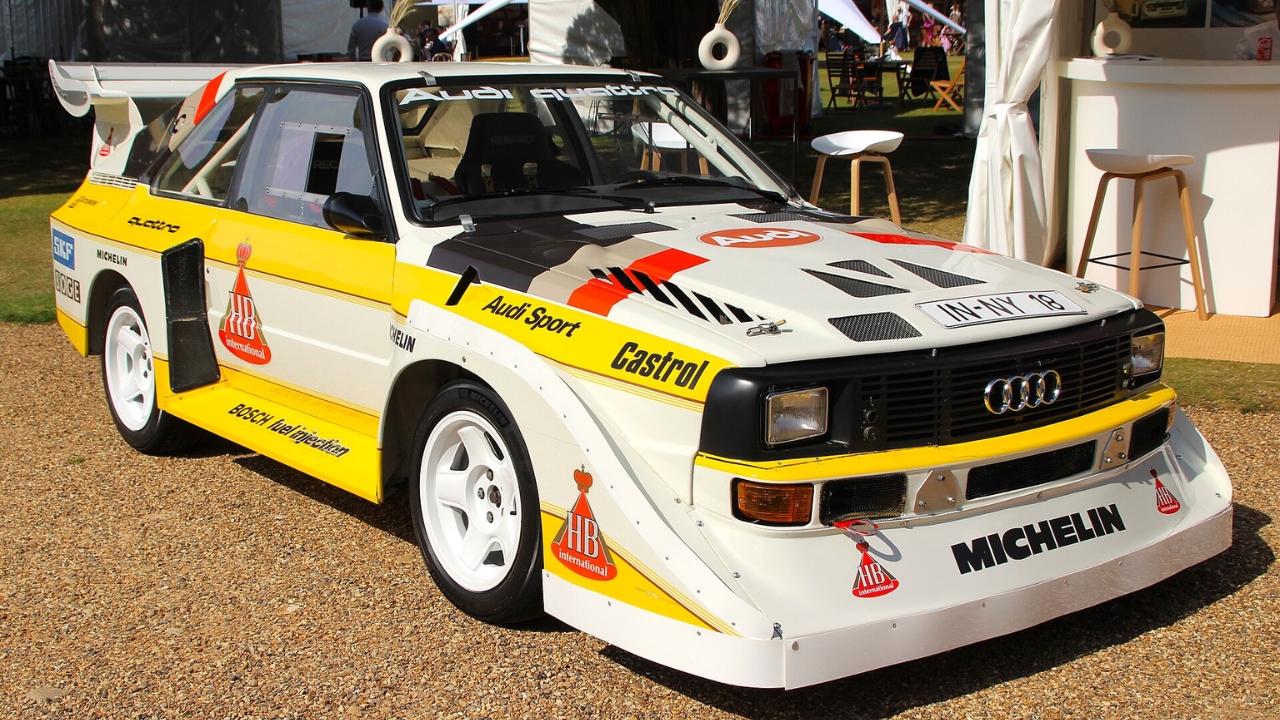
The Audi Quattro S1 became one of the wildest rally cars ever built, combining massive turbocharged power with revolutionary all-wheel-drive technology. Mechanics respected the Quattro because Group B racing pushed every component to the limit in dangerous conditions. The turbo system generated incredible heat and stress, requiring constant attention between stages. Despite the chaos surrounding Group B competition, Audi’s engineering changed rally racing permanently. Many mechanics still consider the Quattro S1 one of the most influential and mechanically fascinating rally machines ever created.
More from Fast Lane Only