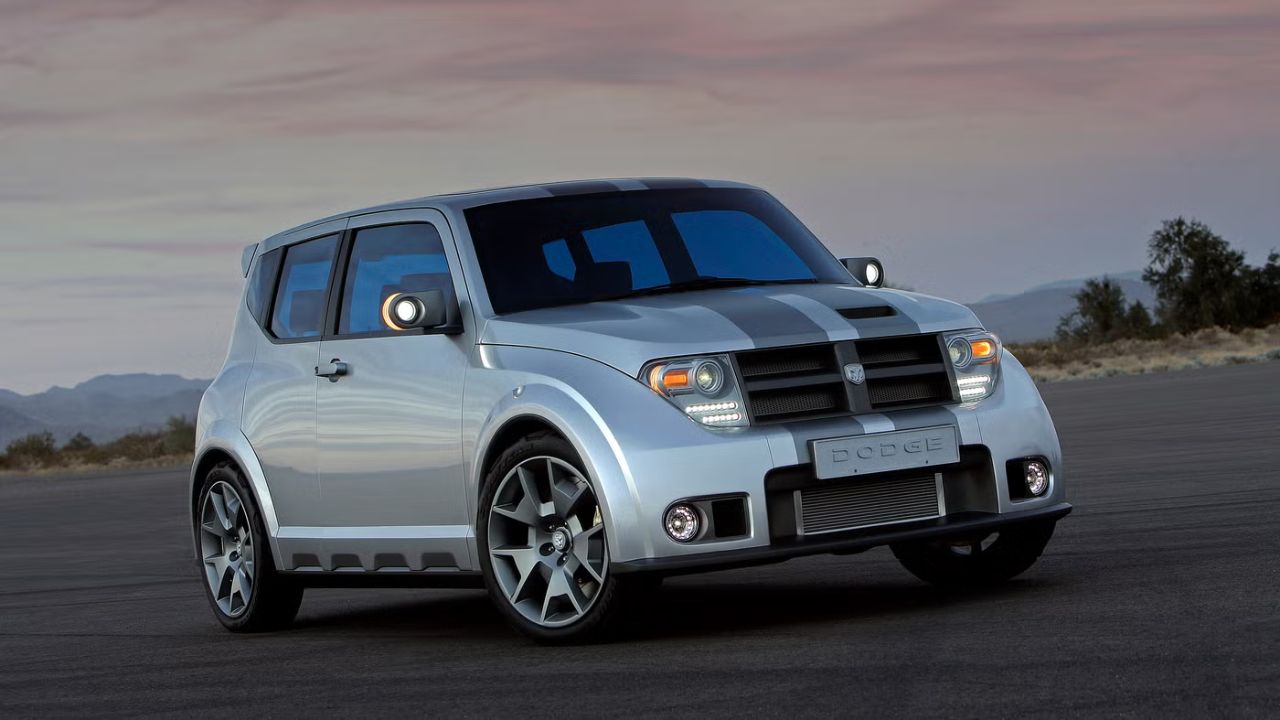
Dodge is reportedly reviving its historic GLH nameplate—short for “Goes Like Hell”—as part of a new compact performance strategy that could blend hot-hatch attitude with crossover practicality. The move signals a surprising return to smaller, lighter performance vehicles as the brand reshapes its identity beyond traditional V8 muscle cars.
The revival is being interpreted as Dodge’s attempt to bring its aggressive performance DNA into a new generation of compact, electrified, or hybrid-ready platforms.
What happened
The GLH badge, originally associated with high-performance compact cars from Dodge’s early turbo era, is being reconsidered for a modern reinterpretation that could take the form of a “muscle hatch” or compact crossover with performance tuning. While official specifications have not been confirmed, the branding strongly suggests a focus on lightweight speed, aggressive acceleration, and urban-friendly performance.
Street and Racing Technology is expected to play a central role in developing the new model, ensuring the GLH revival maintains the performance-first philosophy associated with Dodge’s modern SRT lineup.
Unlike traditional muscle cars, the revived GLH concept is rumored to prioritize agility and efficiency alongside straight-line performance. That could place it in competition with performance-oriented compact EVs and turbocharged hot hatches rather than large displacement sports cars.
The shift reflects broader industry movement toward smaller, electrified performance vehicles as emissions regulations tighten and consumer demand evolves toward efficiency without sacrificing excitement.
Why it matters
Reviving the GLH badge represents a significant cultural pivot for Dodge. Historically known for large, loud, rear-wheel-drive muscle cars, the brand is now exploring how its identity translates into smaller, more versatile formats.
A compact “muscle hatch” would allow Dodge to tap into younger buyers who are more likely to live in urban environments and prioritize affordability, technology, and practicality alongside performance. It also opens the door for electrification, where instant torque can replicate or exceed traditional muscle car acceleration in a smaller package.
The move also reflects a broader industry trend where legacy performance names are being repurposed for modern platforms. By reusing iconic badges, automakers can maintain emotional continuity while adapting to new engineering realities.
If successful, the GLH revival could become a bridge between Dodge’s muscle car heritage and its future in electrified performance.
What to watch next
Key details to watch include whether the GLH model will be fully electric, hybrid-assisted, or turbocharged internal combustion, as each path would significantly shape its identity and market positioning.
Platform choice will also be important. A compact architecture shared with other Stellantis models could determine pricing, performance potential, and global availability.
Finally, design direction will signal how far Dodge is willing to push its “muscle hatch” concept. A successful balance between aggression, practicality, and modern efficiency could define a new performance category for the brand going forward.
More from Fast Lane Only
- Unboxing the WWII Jeep in a Crate
- 15 rare Chevys collectors are quietly buying
- 10 underrated V8s still worth hunting down
- Police notice this before you even roll window down
*Research for this article included AI assistance, with all final content reviewed by human editors.