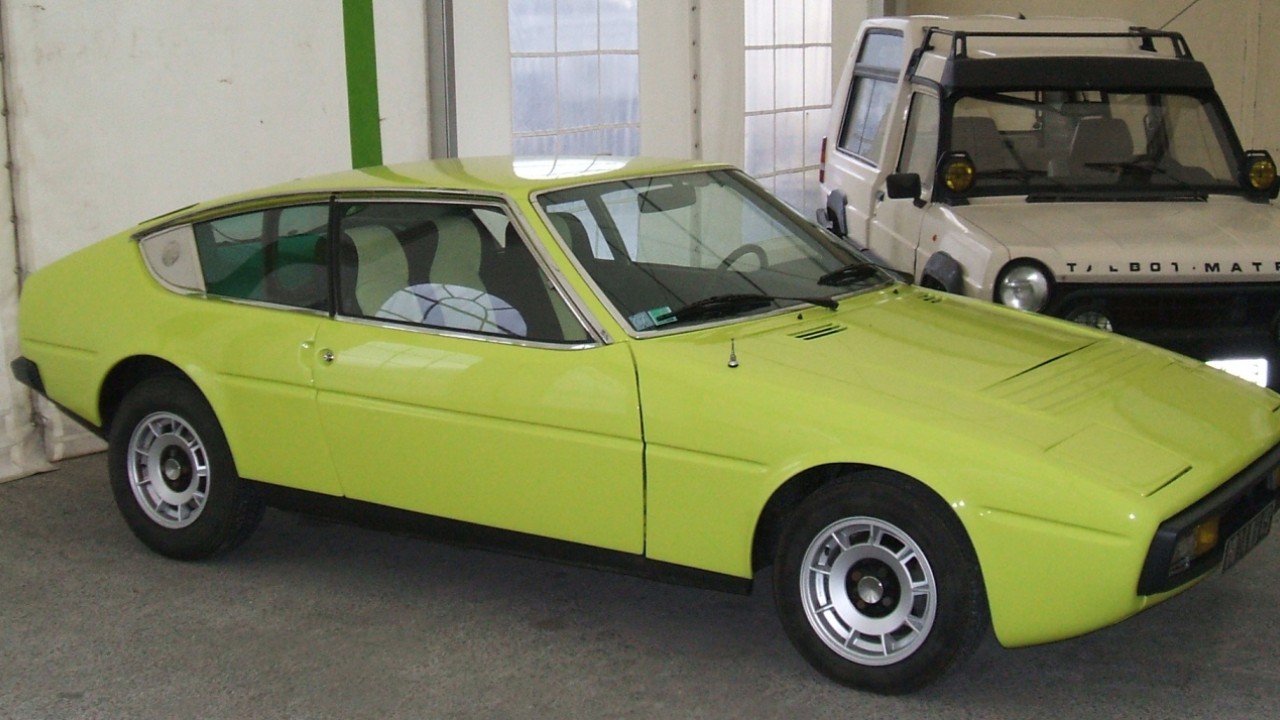
The Melkus RS 1000 came out of Dresden with gullwing doors and a one-liter two-stroke engine from a family sedan. Only 101 were built, and few drivers outside Germany know the name. The nine sports cars here share that fate: light, clever, often oddly packaged and largely forgotten.
None of them sold in big numbers. Each one, however, put the driver ahead of the spec sheet in a way that bigger names often didn’t.
1. 1969–1979 Melkus RS 1000
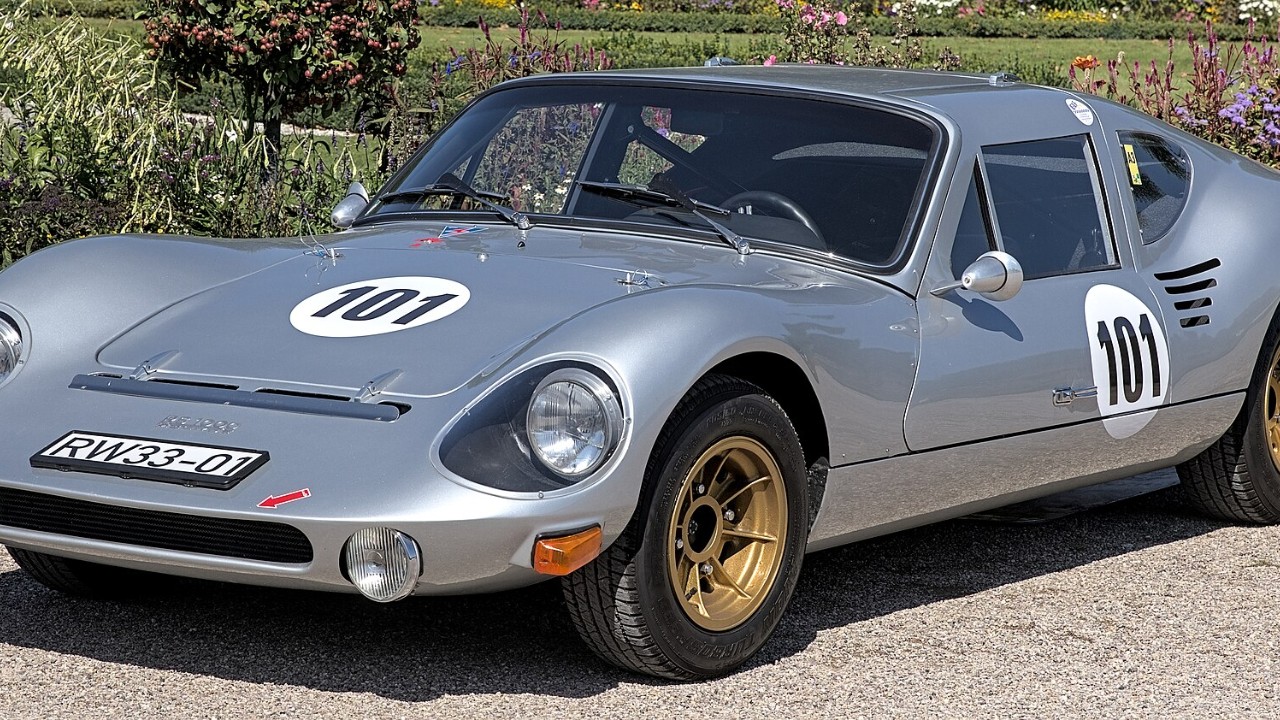
Heinz Melkus was a race-winning driver who also ran a driving school, and he founded his company in 1959. The Melkus RS 1000 reportedly came about after a Lotus passed him on a drive to Yugoslavia.
He started with the Wartburg 353’s 992 cc two-stroke triple, then gave it more compression and three carburetors. As a result, output rose from 55 hp to 68 hp. A fiberglass body sat on a steel ladder chassis, and top speed was about 102 mph. According to Silodrome, the Dresden firm built 101 cars, and about 80 are believed to survive. In 2006, his son Peter revived the company with a new RS 2000.
2. 1973–1980 Matra-Simca Bagheera
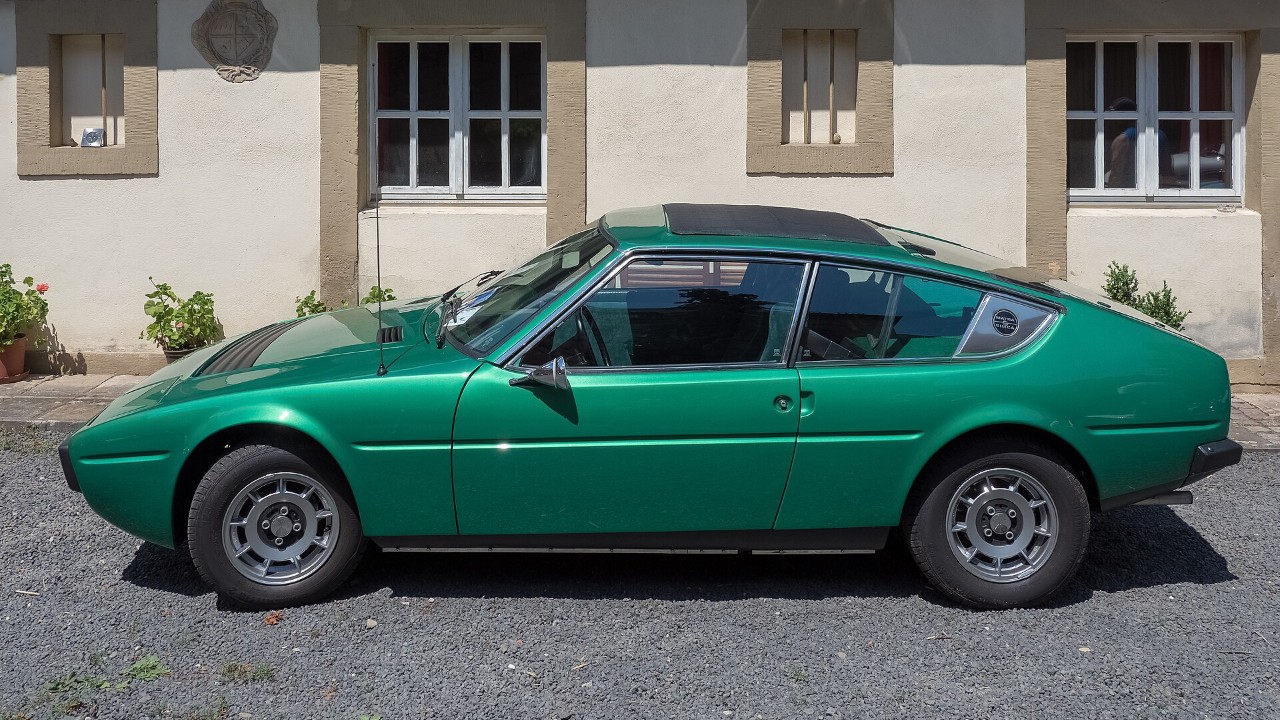
Matra’s head of engineering, Philippe Guédon, came up with the Bagheera’s seating on a cramped road trip. His answer put three people side by side. Dropping the center console also freed up floor space, says the Lane Motor Museum.
The body used fiberglass panels that the museum says were about 30% lighter than steel. However, the steel spaceframe under them was not galvanized. At launch, a Simca 1100 “Special” engine with two twin-choke carburetors made 84 bhp, according to Classics World. Matra also tested a U8 prototype that joined two 1.3-liter fours for 168 bhp, but it never reached production. Romorantin built 47,802 Bagheeras in all.
3. 1980–1983 Matra Murena
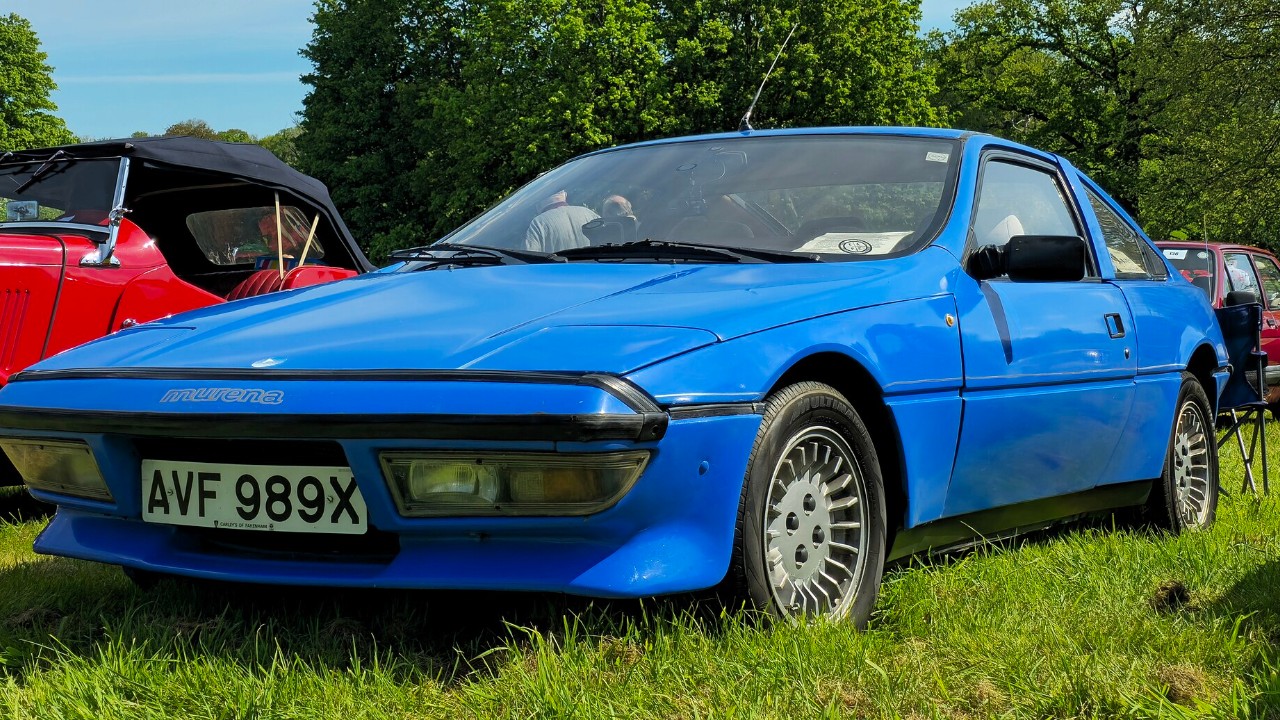
Rust had dogged the Bagheera, so Matra hot-dip galvanized the steel chassis of its replacement. Car Throttle calls that an industry first, and Matra backed it with a six-year rust warranty. Antonis Volanis, who later designed the first Renault Espace, drew the body.
Three seats sat across the cabin again, and the middle one folded down into an armrest. According to Silodrome, the 1.6-liter Poissy four made 88 hp, the 2.2-liter made 115 hp and the later Murena S made 139 hp. Production ended in 1983, because the factory turned its attention to the Espace. By then, Car Throttle says, Romorantin had built 10,680.
4. 1971–1973 Clan Crusader
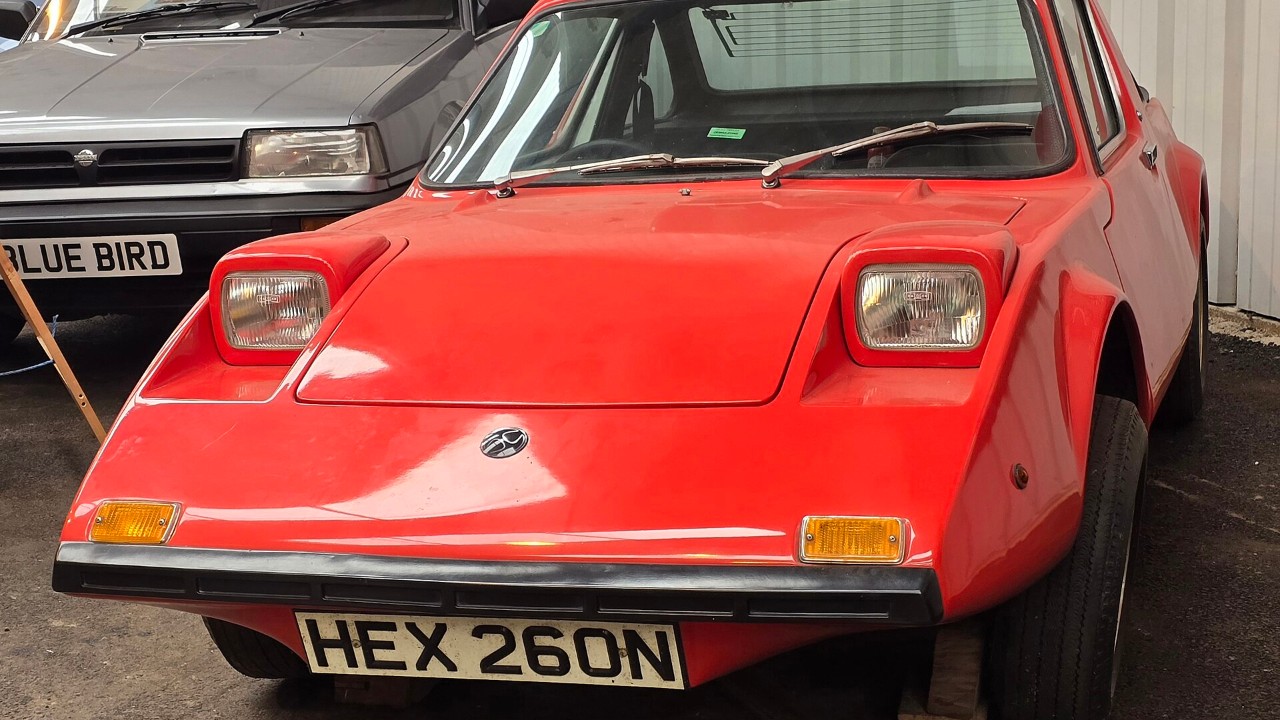
Paul Hassauer and Brian Luff rose through the ranks at Lotus, then left in 1970 to build a car of their own. The Clan Crusader had a glassfibre monocoque and the rear-mounted 875 cc engine from the Hillman Imp Sport. With 51 bhp moving a car of just 579 kg, it hit 60 mph in 12.5 seconds.
It was also tough. In a 30 mph crash test, the cockpit gave up only 0.8 inches against a permitted five, says Hagerty UK. Then the 1973 oil crisis and the new VAT pushed up the price of an already costly car, and production in Washington, County Durham, ended late that year. Clan built 315 road cars and 18 competition cars, though some sources put road cars at 340.
5. 1959–1960 Turner Sports Mk I
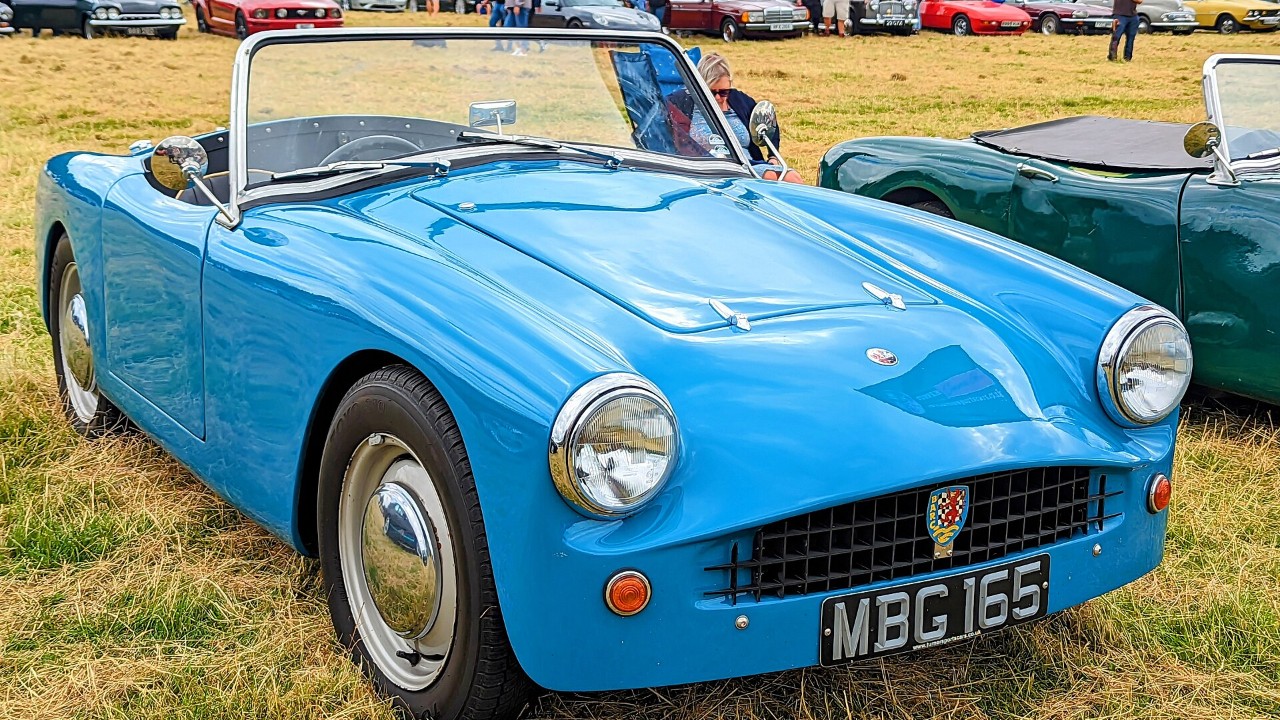
Jack Turner began offering hand-built, aluminum-bodied cars on tubular steel frames in 1951. His Sports Mk I reached British buyers in late 1959, built in Wolverhampton. Up front, it used suspension based on Austin A35 parts, and torsion bars sprang the rear.
Buyers could save money by building one themselves. In 1960, a kit cost £645, while a complete car with the standard Austin engine cost £815, according to British Race Car. The Mk I was designed for a BMC A-Series or a Coventry Climax engine, notes Old Classic Car. Within a year, the Mk II added Ford engines, and those became the most popular choice.
6. 1992–1994 Autozam AZ-1
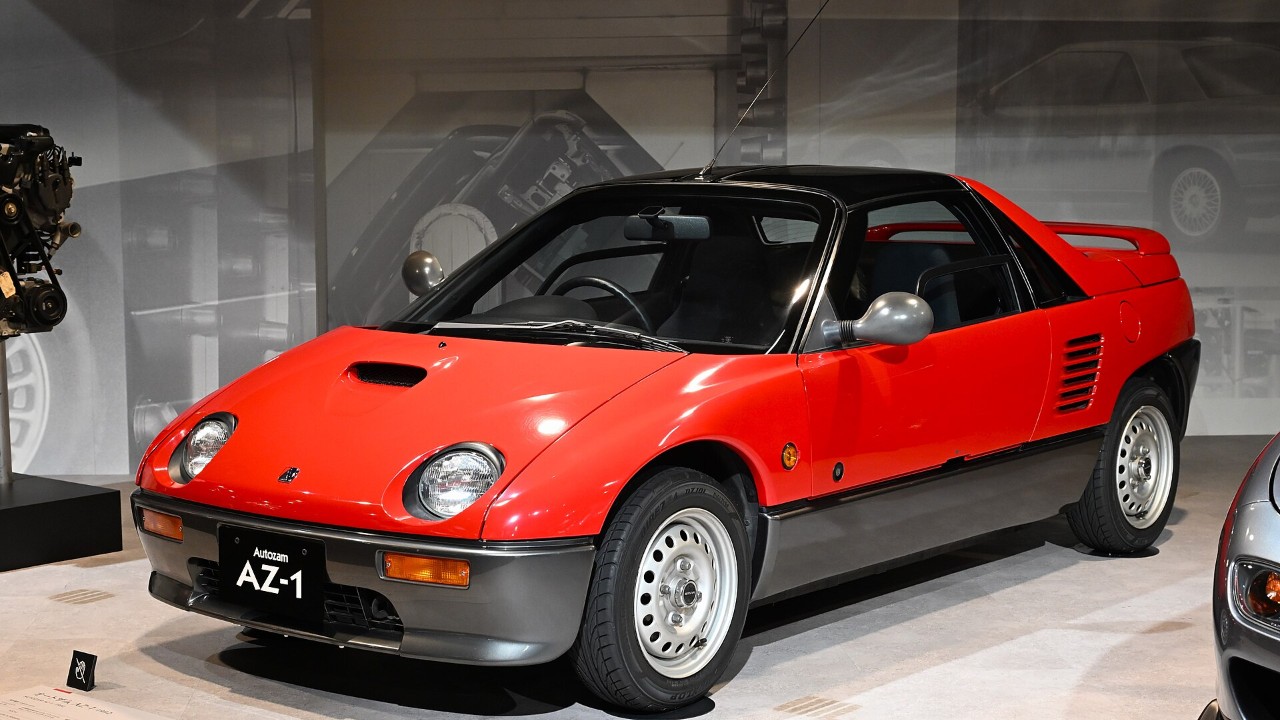
Toshihiko Hirai led development of the AZ-1, and he had also developed the original Mazda MX-5. This time, though, the brief was a kei car. Its gullwing doors drew inspiration from the DeLorean DMC-12.
Its engine was a 657 cc turbocharged three-cylinder making 66 hp, and the whole car weighed 720 kg. Early forecasts called for 800 sales a month. Instead, Mazda built just 4,392 before it cancelled the model in 1994, according to Silodrome. Suzuki, meanwhile, had built early prototypes of the idea before it moved on to the Cappuccino, which sold 28,010.
7. 1971–1984 Alpine A310

Alpine introduced the A310 in 1971 to replace the A110. At first it used a 1.6-liter Renault 17TS/Gordini four of about 125 bhp. Silodrome calls that underpowered.
The fix came in 1976, when a rear-mounted 2.7-liter PRV V6 arrived with 148 bhp and a five-speed gearbox. That gave a top speed of 220 km/h in a car weighing 980 kg, says Silodrome. Under the fiberglass body sat a tubular steel backbone chassis. Even in its best year, 1979, Alpine sold only 781 in France.
8. 1965-on Lancia Fulvia Sport Zagato
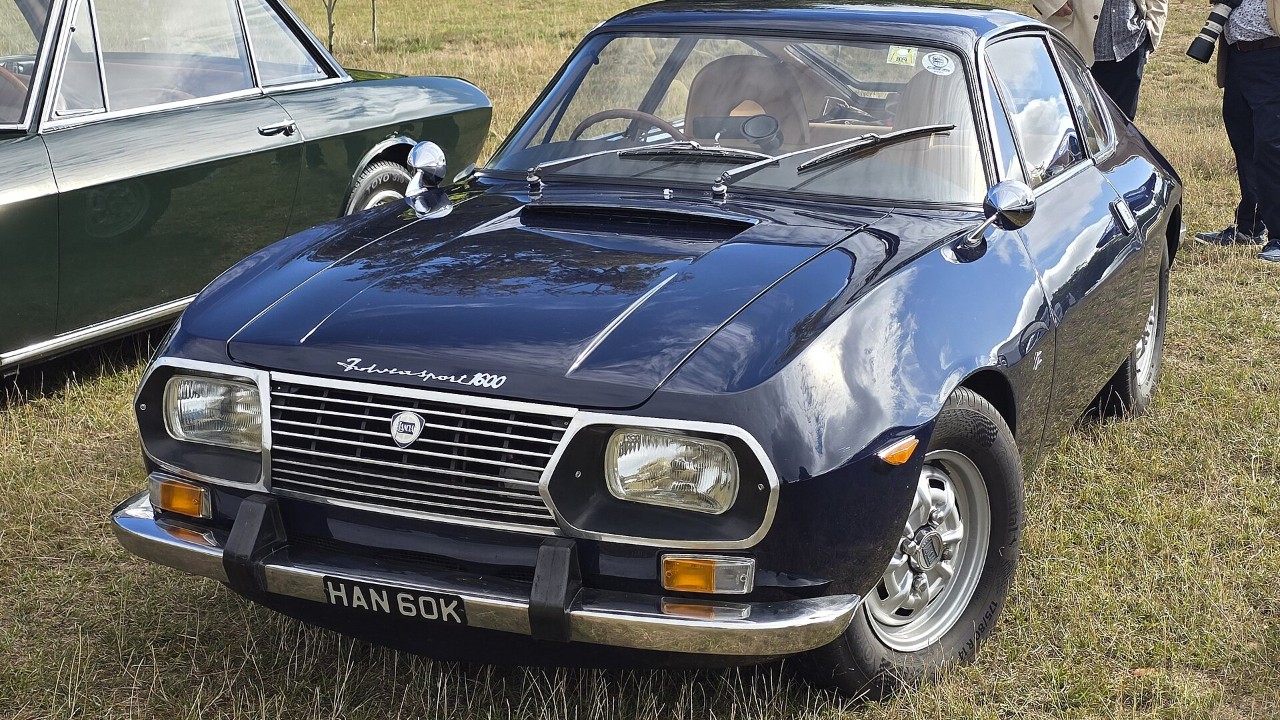
Lancia unveiled the Fulvia range in 1963, and the Sport coupe followed around 1965. Zagato shaped it and, as was its custom, built the body in aluminum. Its V4 began at about 1.2 liters and soon grew to 1.3.
Artcurial’s 1967 car made 87 hp for 960 kg and used a five-speed gearbox. That car sold for €8,120, according to the Artcurial lot listing. Later, RM Sotheby’s sold a 1971 Sport 1.3 S with a 1,298 cc twin-cam V4 and 90 bhp for $49,500 in Arizona in 2015.
9. 1983–1992 Marcos Mantula
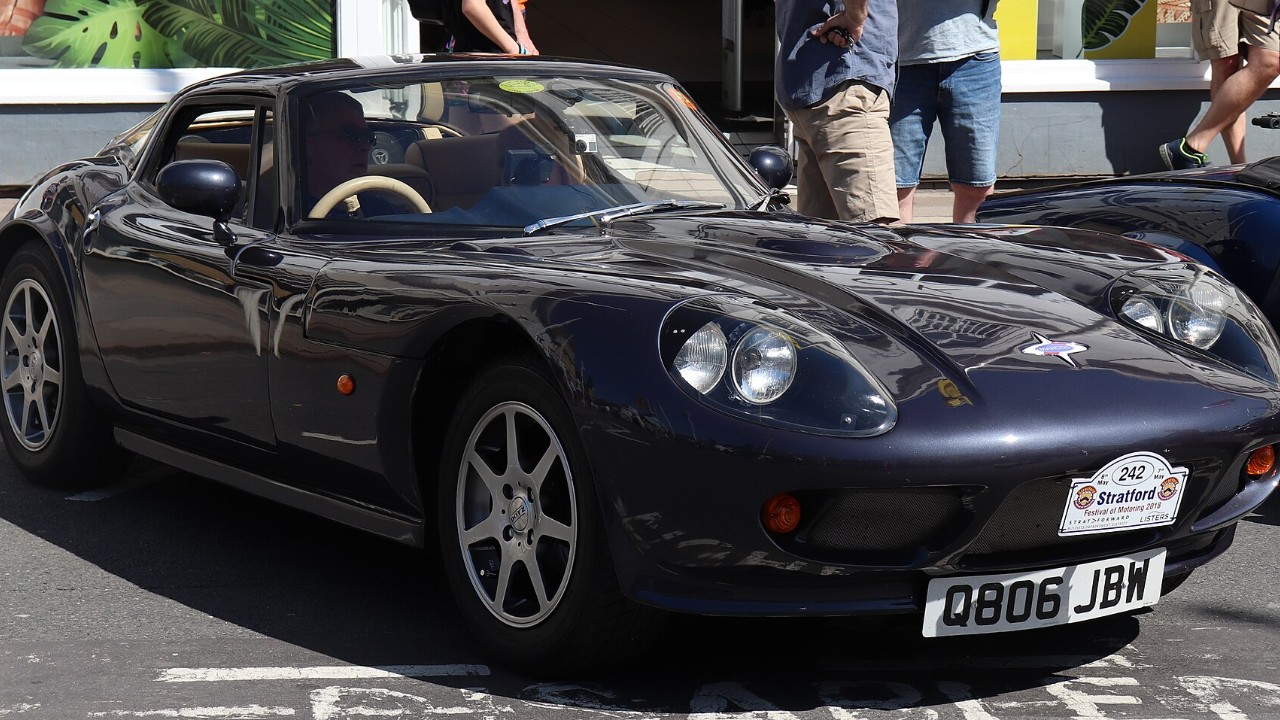
Jem Marsh co-founded Marcos with aerodynamicist Frank Costin. In 1983, the company launched the Mantula with Rover’s Buick-based V8, first at 3.5 liters and later as a fuel-injected 3.9. Hagerty describes it as a sub-2,000-pound coupe with a five-speed gearbox.
In 1986, Marcos added independent rear suspension with a Ford differential and its own A-frame. It also offered a Ford two-liter twin-cam for buyers who wanted economy. According to the Marcos Owners Club, the factory built roughly 170 coupes between 1983 and 1992. A Spyder convertible joined in 1985, and 119 were made by 1992.
More from Fast Lane Only