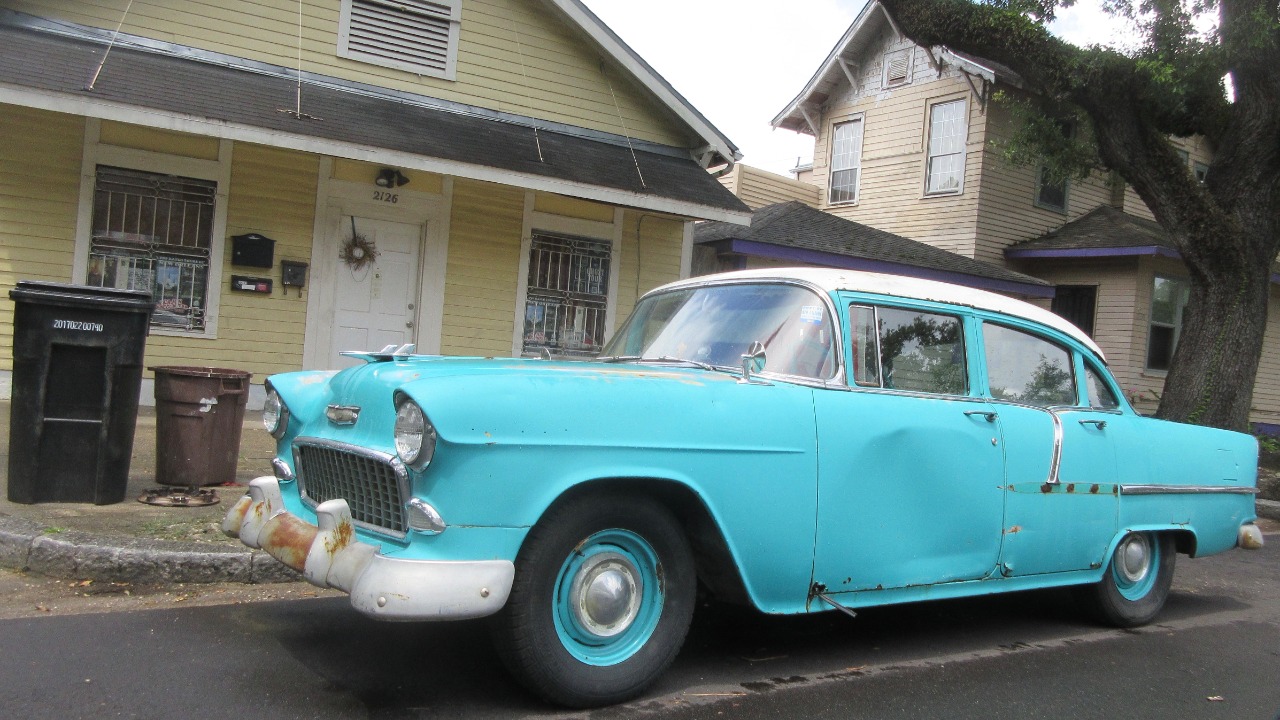
The 1950s are remembered for tailfins and chrome, but the decade’s most important cars did something subtler than grab attention in a showroom. They rewired how people thought about speed, safety, comfort, and even what a family car could be, often years before the rest of the industry caught up. When I look back at that era, I see a handful of models and prototypes that quietly shifted the rules of the road and set patterns that still shape what we drive today.
Some of these machines were production hits, others were one-off experiments that never saw a dealer lot, and a few lived in that strange middle ground of “almost” success. Together, they show how the 1950s turned the automobile from a simple appliance into a rolling expression of technology, lifestyle, and national identity.
Concept dreams that previewed the future
Before new technology reaches your driveway, it usually appears first in a wild-looking prototype, and the 1950s were packed with those rolling laboratories. Designers used these cars to test ideas about aerodynamics, jet-age styling, and advanced materials that would filter into everyday sedans years later. The Top 10 Concept Cars of the decade reads like a wish list of the future, and it shows how aggressively companies were thinking beyond the familiar three-box shape.
General Motors used the 1951 General Motors Le Sabre to explore aircraft-inspired styling, wraparound glass, and features that would later become mainstream, such as integrated weather protection and advanced powertrains. A couple of years later, the 1953 GM Firebird I, also known as the Firebird XP, pushed the idea even further with a gas-turbine engine and a single-seat cockpit that looked more like a fighter jet than a family car, a dramatic example of how the period’s fascination with aviation and rockets bled into automotive design. Even when these concepts stayed in the realm of fantasy, they normalized the idea that a car could be a high-tech object, not just a mechanical workhorse, and they helped set the tone for the next 1950s of experimentation that followed.
Sports cars that taught America to love performance
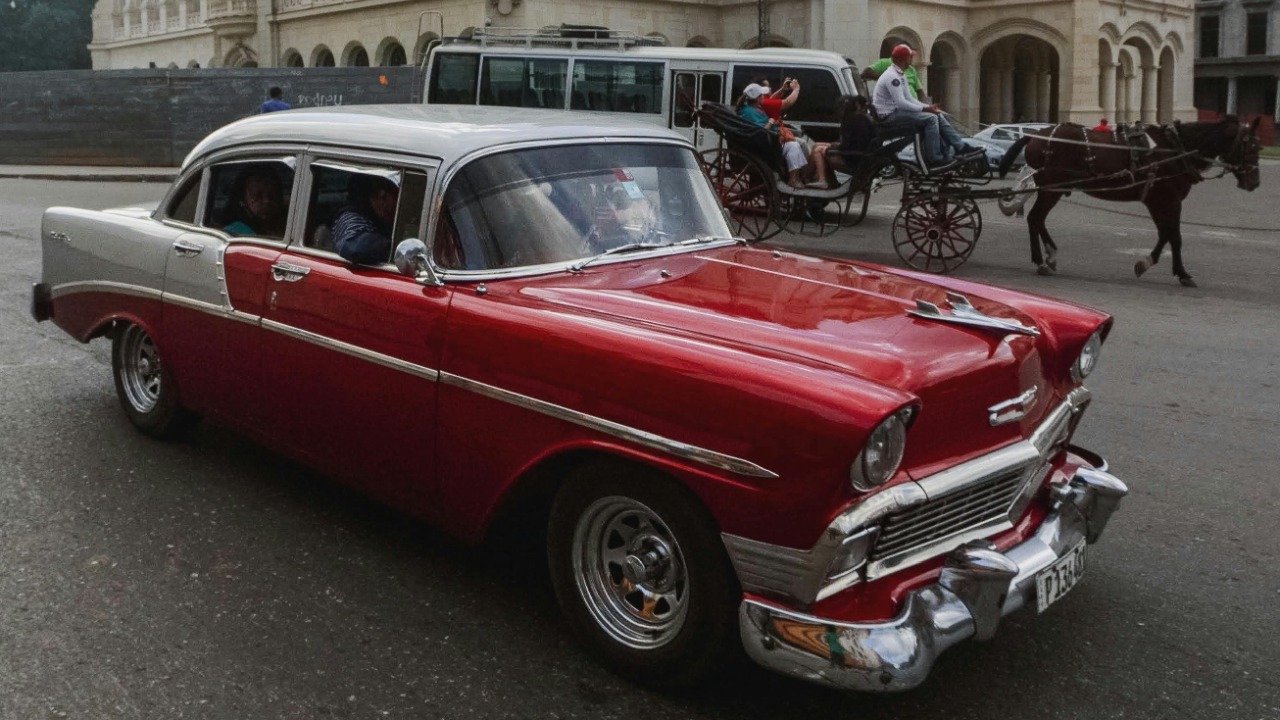
While the concepts grabbed headlines, the real revolution in the 1950s happened when performance cars became accessible enough to change everyday expectations. Earlier in the century, speed and handling were the domain of racers and wealthy enthusiasts, but by the middle of the decade, American buyers could walk into a showroom and drive out in something that felt genuinely sporty. Reporting on Technical Breakthroughs in that era highlights how improvements in engines, suspensions, and braking systems made higher performance both more reliable and more controllable.
Those engineering gains laid the groundwork for what would later become the muscle car boom, but in the 1950s they were still wrapped in relatively modest bodies. The shift was cultural as much as mechanical: once drivers experienced cars that could corner with confidence and accelerate briskly without drama, the bar for “normal” driving changed. I see that decade as the moment when performance stopped being a niche hobby and started to become an expectation, a quiet but profound change that still shapes how manufacturers market everything from compact hatchbacks to family crossovers.
Everyday icons that redefined comfort and identity
Not every influential 1950s car was fast or futuristic; some changed the world simply by making daily life more flexible and comfortable. The rise of roomy, versatile vehicles turned the car into a mobile living room, a place where families could travel farther and more often. The 1950s Volkswagen Microbus, for example, offered a boxy, upright shape that maximized interior space and helped popularize the idea of a multi-purpose people carrier, a concept that would echo decades later in minivans and modern vans that trace their roots back to that Iconic original.
At the same time, style-forward models showed that a car could be a personal statement as much as a tool. The Ford Thunderbird, introduced in the middle of the decade, was marketed as a personal luxury car rather than a pure sports machine, blending comfort, design flair, and respectable performance. The way The Ford Thunderbird responded to drivers who wanted both style and everyday usability helped create a template that modern coupes and crossovers still follow, where image and practicality are carefully balanced rather than treated as opposites.
Safety experiments that arrived before their time
For all the glamour of the 1950s, it was also a decade when the human cost of car crashes became impossible to ignore, and a few determined engineers tried to address that reality long before safety became a selling point. One of the most striking examples is Sir Vival, a 1958 prototype often described as one of America’s earliest safety cars. During a time when styling and power dominated advertising, this odd-looking machine prioritized a reinforced passenger cell, seat belts, and impact absorbing or deflecting bumpers, ideas that would not become standard for decades.
Sir Vival never went into mass production, and its unconventional appearance made it an easy target for jokes, but its influence lies in the way it anticipated later safety regulations and consumer expectations. When I look at modern crash structures, crumple zones, and the routine presence of seat belts, I see the same logic that guided that 1958 experiment. It is a reminder that some of the most important automotive innovations arrive quietly, in low-volume projects that seem eccentric at the time but end up sketching the blueprint for how the industry will eventually protect its customers.
Near-misses that still moved the needle
Not every transformative idea becomes a showroom hit, and the 1950s are full of cars that almost changed everything in a more visible way. The Chrysler Diablo is a perfect example, a dramatic, low-slung machine that emerged in 1957 at the height of space exploration fever. The Diablo combined radical styling with advanced engineering, and enthusiasts still argue that if it had reached full production it would have been one of the 1950s Cars that Would Have Been Huge Successes, rather than a fascinating footnote.
The fact that The Diablo stayed a what-if does not erase its impact. Designers and engineers who worked on such projects carried their lessons into more conventional models, seeding the market with toned-down versions of once-radical ideas. When I trace the lines of later performance Chryslers or see how manufacturers flirt with concept-car styling in production coupes and sedans, I can still spot echoes of Chrysler Diablo and other near-misses from that decade. They may not have filled suburban driveways, but they helped expand the industry’s imagination, which is often the first and most important step toward real change.