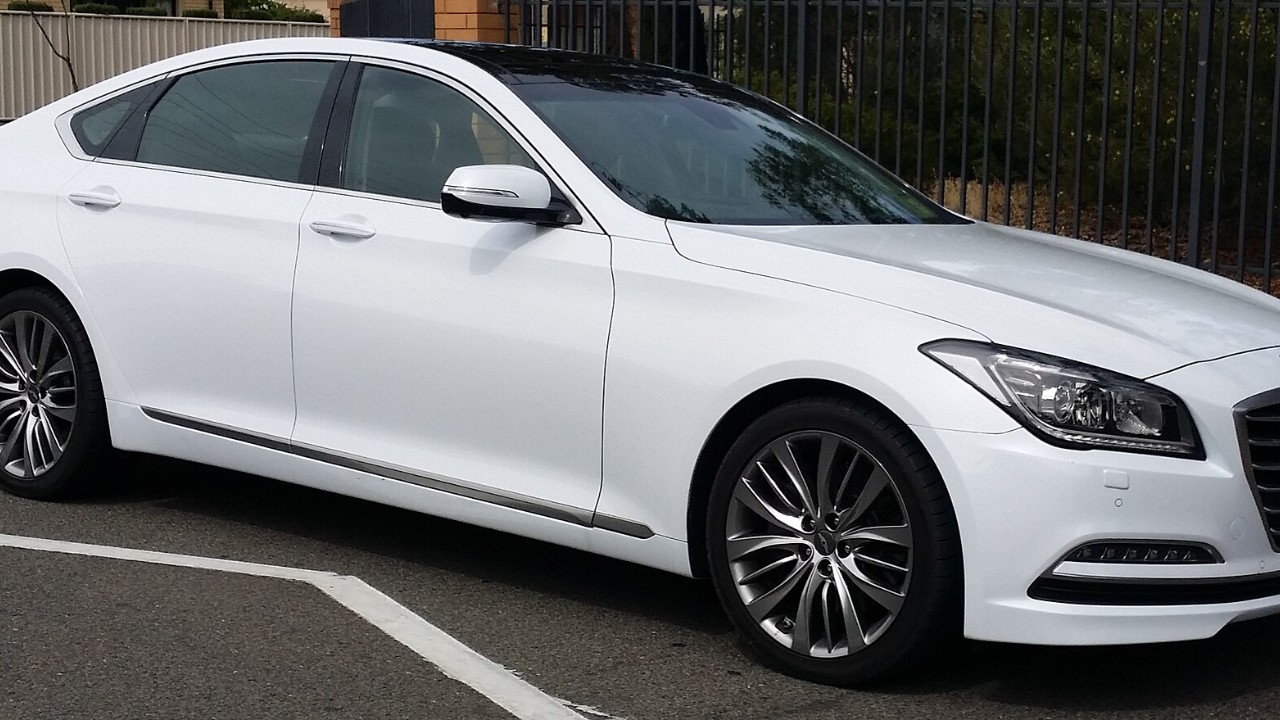
Hyundai is recalling 94,622 sedans in the United States because a front power-seat switch can stick and leave the seat motor running until it overheats. The Genesis G80 recall covers 39,978 G80s from the 2017 to 2020 model years, plus 54,644 Hyundai Genesis sedans from 2015 and 2016. Until a fix exists, Hyundai wants owners to park outdoors, away from other vehicles and buildings.
The National Highway Traffic Safety Administration announced the campaign on October 15, 2026. A fix is not ready yet. That is why the parking advice matters right now, and why owners of these cars should check their VINs today rather than wait for a letter.
Here is what the filing says, what owners should watch for, and how long it took Hyundai to get here.
What the Genesis G80 recall covers
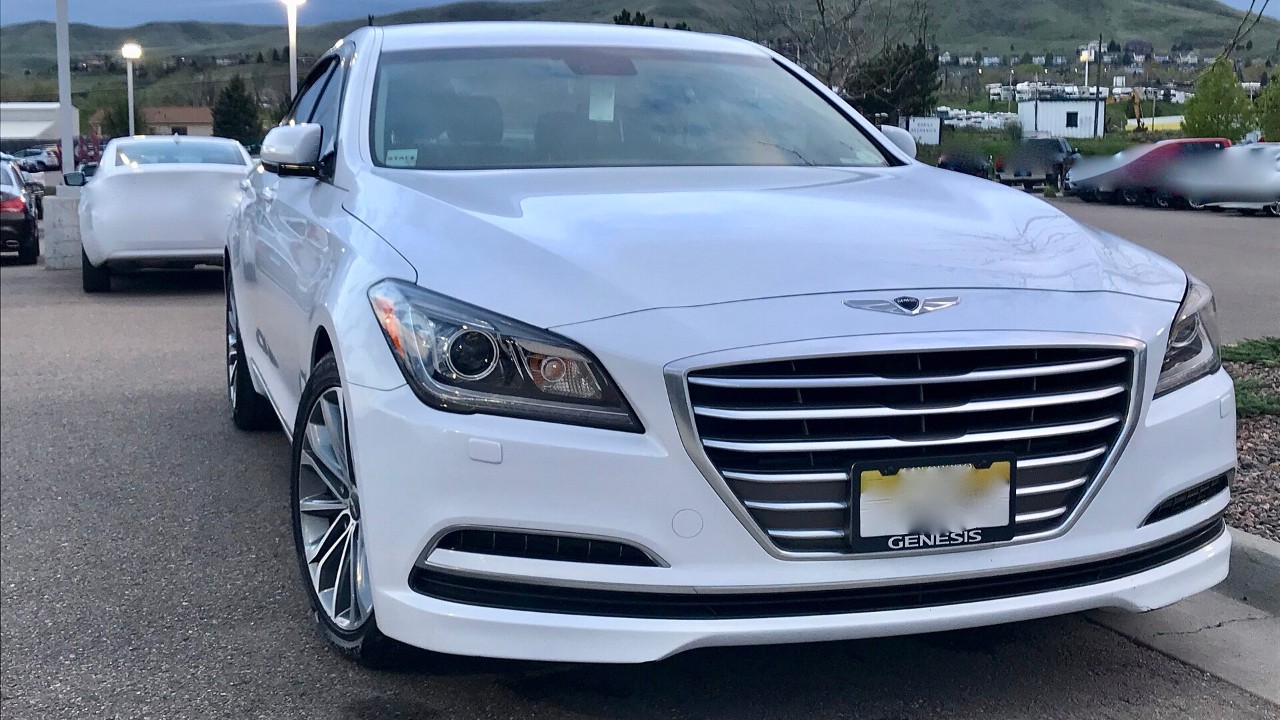
NHTSA lists the campaign as 26V664. According to Hyundai’s defect report, Hyundai Motor America filed it on October 8, 2026. The report splits the population into two groups. First, 54,644 Hyundai Genesis sedans from the 2015 and 2016 model years, built between February 21, 2014 and February 24, 2016. Second, 39,978 Genesis G80s from 2017 to 2020, built between March 17, 2016 and November 7, 2019.
Hyundai Motor Company assembled both groups in South Korea for U.S. sale, the report says. However, not every car in those years is included. As CarScoops reported, the campaign covers only cars with non-memory front power seats. Cars with memory seats are not part of this campaign.
How a seat switch can start a fire
The part in question is the switch that moves the seat forward, back, up and down. The filing lists both the driver-side and passenger-side switch assemblies. Hyundai’s supplier for them is Nidec Mobility Korea Corporation.
According to the filing, an outside force can dislodge or damage that switch. In that case, the switch can stay engaged, so the motor keeps running with nobody touching the controls. Over time, the motor can overheat. As a result, there is a higher risk of fire, whether the car is moving or sitting parked.
That last point is the reason for the outdoor-parking advice. A fire could start after the driver has walked away, CarScoops noted. Hyundai has not said how hard a knock it takes to cause the damage. Still, it estimates that only about 1% of the recalled cars actually have the defect.
Warning signs and the park-outside advice
Hyundai lists two warning signs. The first is a burning smell coming from a seat. The second is a seat switch that no longer works. If the switch has stopped working, CarScoops recommends taking the car to a dealer for inspection.
Meanwhile, the interim advice is simple. Owners should park outdoors and away from other vehicles or structures until the repair is done. A Reuters report carried by Claims Journal also confirmed that NHTSA traced the overheating to a “stuck power seat control switch.” In addition, Reuters reported that the remedy is still being developed.
When owners will hear from Hyundai
According to the NHTSA defect report, VINs became searchable on October 13, 2026. Hyundai plans to notify dealers and owners on December 6, 2026, with owner letters going out by certified mail. The filing lists no separate interim letter. For that reason, a VIN check is the fastest way to find out now.
The repair will be free, including on cars that are out of warranty. Hyundai also says owners can ask for reimbursement of money they have already spent on the problem, under a plan the company submitted in March 2026.
A problem first reported in 2021
The filing’s timeline shows a slow build. The first report came on December 31, 2021, from a 2018 G80. Hyundai never recovered the parts from that car. Then a second possible case followed on August 25, 2022. Later, in late 2023, Hyundai analyzed the seat from that second car and blamed the damage on an external impact.
After that, Hyundai chose to keep watching field data through 2024. Then a U.S. review in August and September 2025 found no further confirmed fires. Things changed on July 2, 2026, when information from the Korean market on switch performance and heat events prompted a technical review. Finally, Hyundai decided on October 1, 2026, to recall the cars.
Two alleged fires, no injuries
The defect report lists two alleged fire incidents in the United States, dated December 30, 2021 and August 25, 2022. By contrast, it reports no crashes and no injuries linked to the problem. Reuters also reported no injuries or crashes tied to the defect.
For now, then, the to-do list is short. Check the VIN, park outside, watch for a burning smell or a dead seat switch, and keep receipts for any related repair. Hyundai’s letters with the final fix are scheduled to go out on December 6, 2026.
More from Fast Lane Only