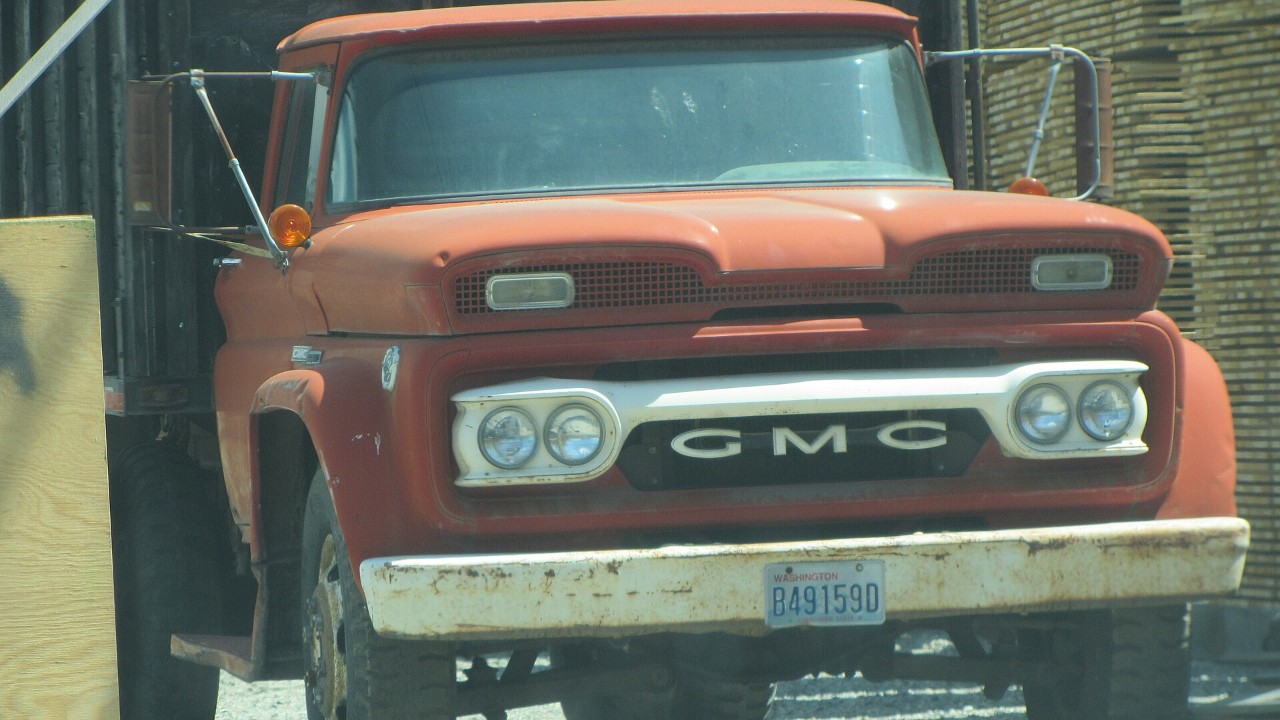
The GMC Twin Six V12 displaced 702 cubic inches, or about 11.5 liters. It weighed 1,485 pounds and made 630 lb-ft of torque at just 1,600 rpm. GMC used it in heavy trucks in the early 1960s, but it dropped the engine by 1967.
On paper, it was two of GMC’s V6 engines joined into one. In practice, it was a single huge engine with its own block and crankshaft. That mix of shared parts and one-off castings is also why it’s worth a closer look.
So here is how GMC built the 702, what it made, where it worked and why GMC moved on. Every figure below comes from Hagerty, Mac’s Motor City Garage, Consumer Guide or Curbside Classic.
Born from GMC’s 60-degree V6 family
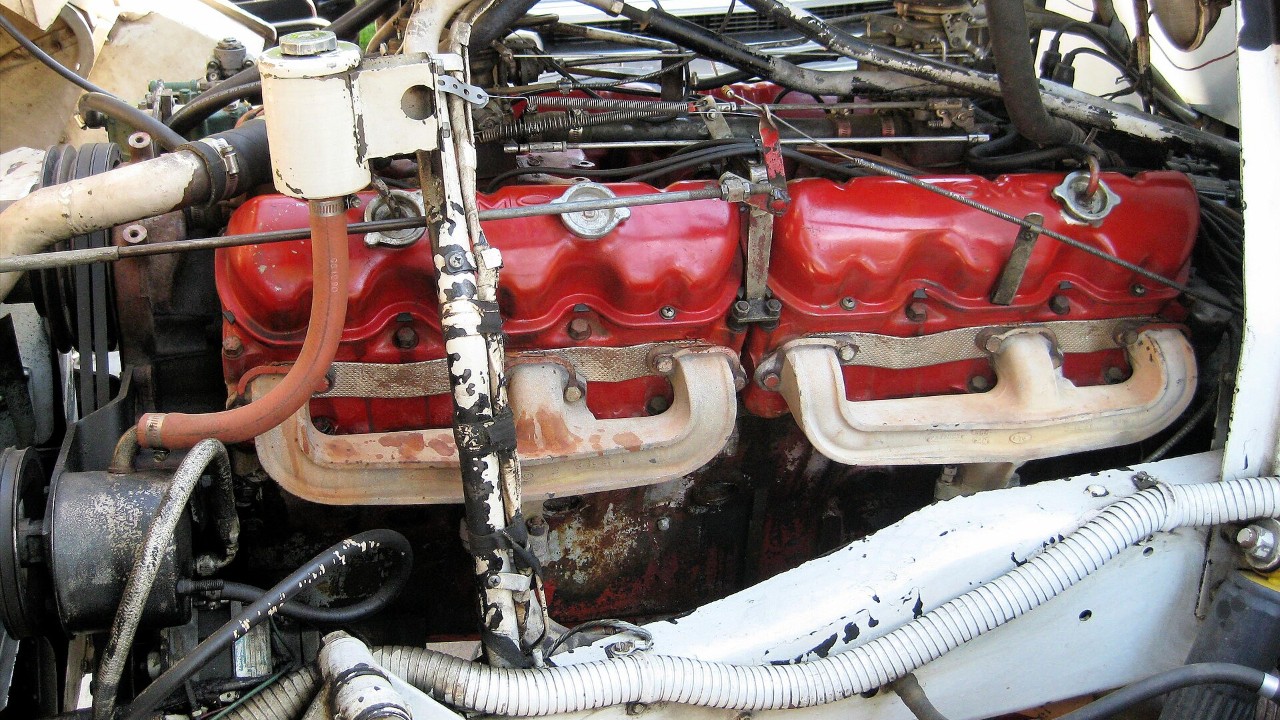
GMC introduced its 60-degree V6 engine family for the 1960 model year, according to Curbside Classic. The V6 came in 305, 351, 401 and 478 cubic-inch sizes. Also, these were heavy engines. Curbside Classic says the lightest V6 weighed more than 700 pounds, and the 478 used a 5.125-inch bore. GMC’s ads ran with the line “ONLY GMC HAS IT!”
Then came the Twin Six, which grew out of that family. Mac’s Motor City Garage describes it as essentially two 351 V6 engines on one cylinder-block casting. In fact, the math works out. Divide 702 cubic inches by 12 cylinders, and each one displaces the same 58.5 cubic inches as a 351 V6 cylinder.
The GMC Twin Six V12 by the numbers
The engine displaced 702.4 cubic inches, according to Hagerty. It used a 4.56-inch bore and a 3.58-inch stroke, with a 7.5:1 compression ratio. Hagerty rates it at 275 horsepower at 2,400 rpm and 630 lb-ft of torque at 1,600 rpm.
However, those were gross figures. Consumer Guide puts the net output at about 250 horsepower. Mac’s, meanwhile, gives a wider torque peak, from 1,600 to 1,900 rpm.
Then there was the weight. Hagerty and Mac’s both list the Twin Six at 1,485 pounds, and Mac’s says that figure is ready to run. By comparison, Curbside Classic rounds it to nearly 1,500 pounds.
Shared parts, one huge block
The Twin Six was not two V6 blocks bolted together. Hagerty says it used a dedicated single-piece cast-iron crankcase. Consumer Guide agrees that it had its own one-piece block and crankshaft.
Up top, however, it borrowed heavily from the V6. Consumer Guide lists four cylinder heads, four exhaust manifolds, two carburetors and two distributors. As a result, the engine ran as if it were two separate V6 engines, the magazine says. Mac’s adds that the two distributors shared a common drive. Hagerty counts about 54 parts in common between the two engine families.
In contrast, the bottom end was all its own. Hagerty describes a forged crankshaft about four feet long that turned in seven main bearings. Sources differ on its weight, from 180 pounds in Consumer Guide and 190 at Hagerty to nearly 200 pounds at Mac’s. Curbside Classic notes that the V6 cranks were cast, while the Twin Six apparently got a forging.
Thirst, cooling and oil
Similarly, GMC sized everything about the 702 for work. Hagerty lists a four-gallon oil sump, a water pump rated at 118 gallons per minute and an oil pump rated at 17. Mac’s adds a 25-inch cooling fan. The engine ran on gasoline only, Mac’s says, with no diesel version.
Fuel use, therefore, matched the size. Hagerty puts it at about 3 mpg and says trucking companies accepted that at the time. Curbside Classic is blunt about the whole family, too. GMC’s ads touted fuel economy, but internet anecdotes agree that mileage was dismal.
Where the 702 worked
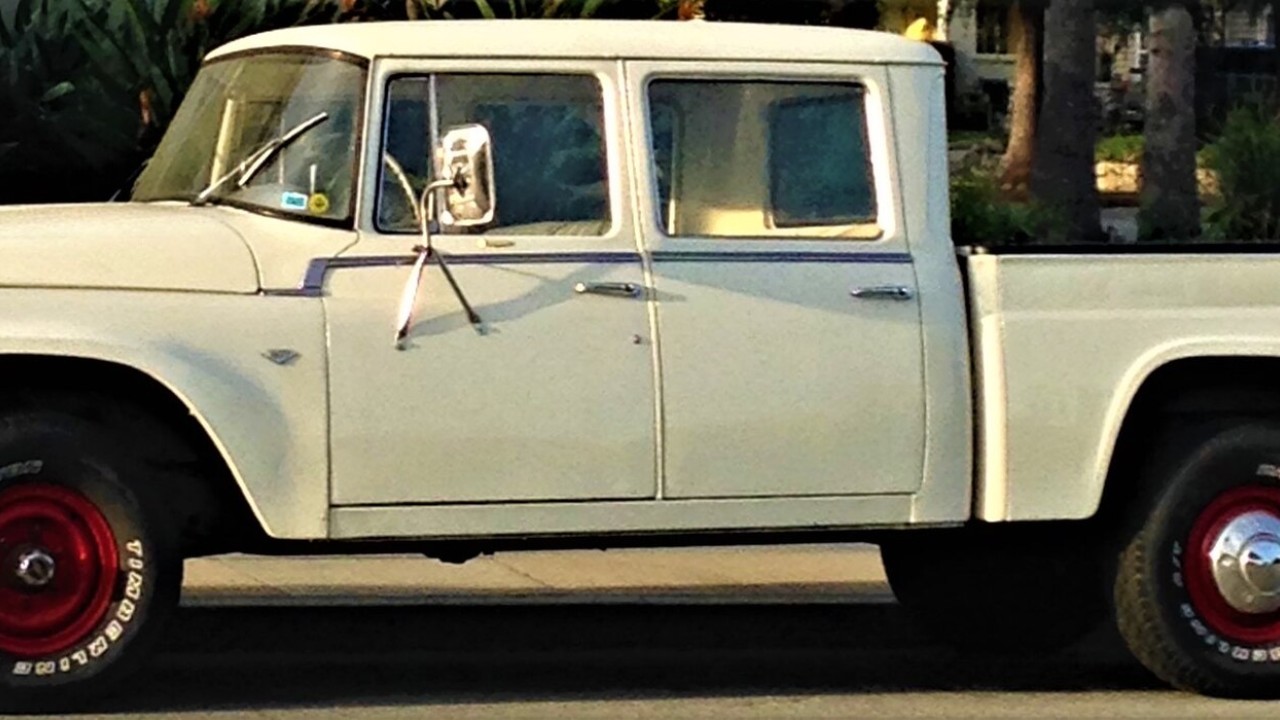
GMC offered the Twin Six only in its B-, BW-, L- and LW-Series medium and heavy-duty trucks, Consumer Guide says. Mac’s places it in GMC 7000 and 9000 series chassis, as straight trucks and cabovers. Hagerty also mentions GMC 7000-series fire trucks.
Beyond trucks, the engine also had a second career. Consumer Guide says GMC sold many for stationary jobs, such as generators and irrigation pumps. Mac’s adds that irrigation users in the American Southwest prized it for running 15,000 hours or more with minor maintenance.
Why GMC replaced it
The Twin Six was reliable and fairly cheap to run, according to Consumer Guide. Still, it was costly for GMC to build. Hagerty estimates that GMC made around 5,000, while Consumer Guide says fewer than 5,000.
For the 1967 model year, GMC replaced the GMC Twin Six V12 with a 637-cubic-inch gasoline V8, according to Mac’s and Consumer Guide. Consumer Guide says the V8 made about the same horsepower with slightly less torque.
More from Fast Lane Only
- Unboxing the WWII Jeep in a Crate
- 15 rare Chevys collectors are quietly buying
- 10 underrated V8s still worth hunting down
- Police notice this before you even roll window down
This article was created with the help of AI and was reviewed and edited by Fast Lane Only editors before publication.