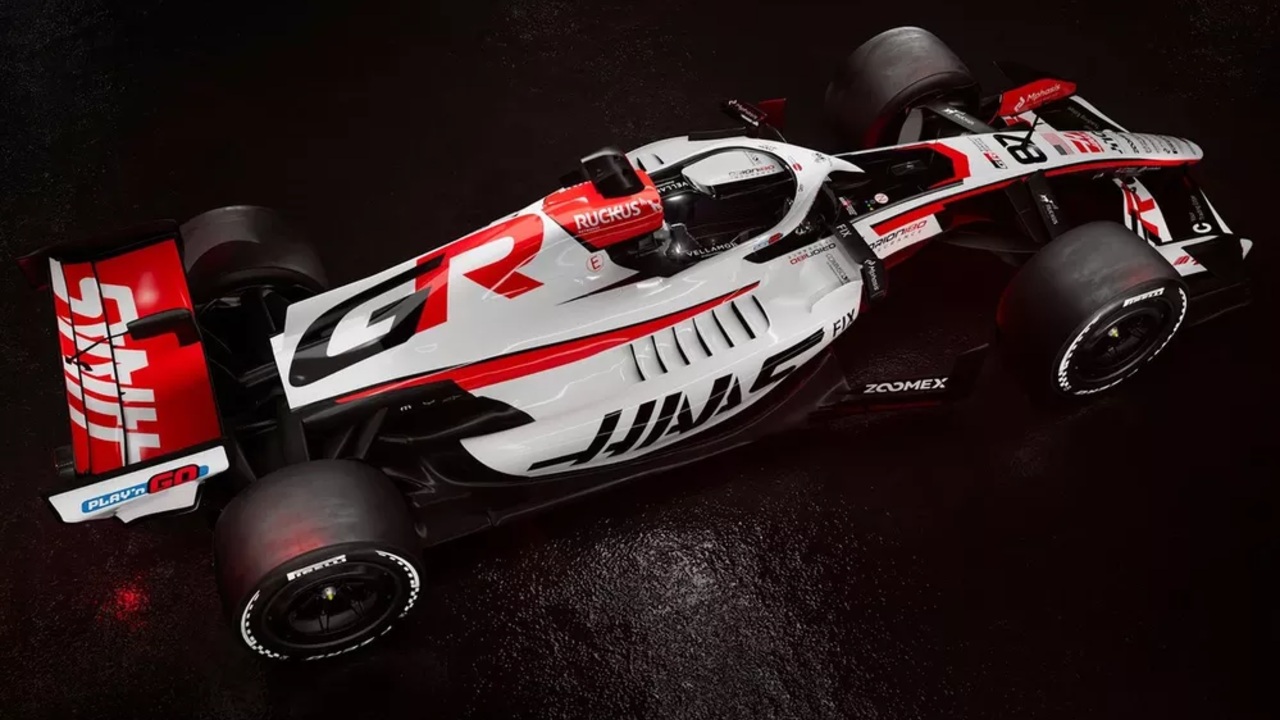
Haas has unveiled its first Formula 1 livery under the Toyota Gazoo Racing banner, and the reaction has been immediate and polarized. The 2026 car arrives just as the sport prepares for a major regulatory reset, so the paint scheme carries more weight than a simple branding refresh. For a team that has often blended into the midfield, this is a statement of intent that some fans see as overdue and others view as a step too far.
A bold new identity for Haas and Toyota
The most striking change is visual. Haas has shifted from its familiar, relatively understated palettes to a design that foregrounds Toyota’s motorsport identity, with large GR logos and a color layout that echoes the manufacturer’s global racing programs. The car’s surfaces are used aggressively, with the Toyota branding dominating key areas of the bodywork and the Haas name integrated more subtly into the overall composition. The result is a machine that looks far closer to a factory-backed project than a traditional customer team, reflecting how Toyota Gazoo Racing has moved from technical support into a full naming partnership with the American outfit.
This evolution builds on the relationship that began when Toyota Gazoo Racing started providing technical assistance to Haas, a collaboration that has now been elevated into the Toyota Gazoo Racing Haas F1 Team. The new livery is the most visible expression of that shift, signaling that Toyota is no longer content to sit in the background. The design has been presented as aligned with the 2026 regulations, which emphasize efficiency and cleaner aero surfaces, and the paintwork follows those lines with bold blocks of color rather than fussy detailing. In visual terms, Haas has chosen to lean fully into its new partner’s identity rather than simply adding a few logos to an existing scheme.
Fan backlash and excitement over the Toyota-heavy look
The reaction from supporters has been sharply divided, which is unusual even in a sport where every new livery sparks debate. Some fans have praised the car for finally giving Haas a distinctive presence on the grid, arguing that the strong Toyota cues make the team look more serious and better resourced. For these observers, the heavy use of GR branding and the clear visual link to Toyota’s wider racing activities suggest a step up in ambition, especially as the team prepares for a new engine and chassis era. They see the car as a welcome break from the more conservative designs that have characterized Haas in previous seasons.
Others, however, are uncomfortable with how dominant the Toyota identity appears, and have voiced concerns that Haas risks being perceived as little more than a rolling advertisement. Some reactions have focused on the sense that the American team’s own character has been diluted, with the Toyota colors and logos overshadowing the Haas name. There is also a strand of criticism that points out an important nuance: Toyota is a major partner and title presence, but the entry is still Haas’s, not a full factory Toyota team. That distinction matters to fans who value clarity about who actually owns and runs a Formula 1 operation, and it explains why some feel the visual balance has tipped too far toward the manufacturer.
Strategic stakes behind the 2026 livery gamble
Beyond aesthetics, the new look is a window into Haas’s strategic thinking as the 2026 regulations approach. The team has chosen this moment to present itself as closely aligned with a major automotive brand, which sends a message to rivals and potential sponsors that it intends to be more than a perennial backmarker. By allowing Toyota Gazoo Racing to take such a prominent place on the car, Haas is signaling that it values the technical and financial backing that comes with the partnership, even if that means sharing or ceding some of its visual identity. In a cost-capped era, that kind of support can be the difference between treading water and making a genuine step forward.
The timing is also significant because the 2026 rules will reset the competitive order to some degree, especially around power units and energy recovery systems. Haas has described the coming season as “nerve wracking” as it adapts to the new framework, and the team has already been working to align its chassis and operational plans with the incoming regulations. The livery launch, therefore, is not just a branding exercise but part of a broader repositioning. By tying its image so closely to Toyota at the moment when the sport’s technical landscape is being redrawn, Haas is effectively betting that this alliance will help it navigate the transition more smoothly than it could alone.
How Haas is preparing for a ‘nerve wracking’ 2026
Inside the team, the focus has been on ensuring that the visual overhaul is matched by substantive progress on the car itself. Haas has spoken about the pressure of preparing for the 2026 season, acknowledging that the new rules demand a different approach to design and development. The squad has been working to integrate Toyota’s input into its processes, from aerodynamic concepts that suit the revised bodywork regulations to power unit packaging that anticipates the next generation of hybrid systems. The new livery was revealed alongside explanations of how the team is adjusting its structures and timelines to cope with the scale of the change.
That preparation includes a more methodical build program and a closer relationship between the chassis group and the power unit partners, reflecting the tighter integration required by the 2026 formula. Haas has emphasized that the coming year will test its ability to manage risk, with the team describing the regulatory shift as inherently unsettling. The decision to unveil the car early, complete with its Toyota-influenced colors, is part of an effort to show that the organization is not waiting passively for the new era to arrive. Instead, it is trying to project confidence that the technical groundwork is being laid in parallel with the marketing and branding push.
What the split reaction reveals about F1’s future
The mixed response to Haas’s first Toyota-themed livery highlights a broader tension in modern Formula 1 between heritage and manufacturer power. On one side are fans who welcome deeper involvement from global carmakers, seeing partnerships like this as essential to funding the advanced technology that defines the sport. For them, a car that looks like a Toyota Gazoo Racing product, even if it is entered by Haas, is a sign that the team has secured the backing needed to compete in a more complex regulatory environment. They point to the fresh design and the clear alignment with Toyota’s racing image as evidence that Haas is moving into a more serious phase of its existence.
On the other side are supporters who worry that such arrangements blur the lines between independent teams and full factory outfits, and who fear that distinctive team identities may be eroded in favor of corporate branding. The fact that some observers have had to clarify that this is still Haas’s team, despite the Toyota-heavy visuals, underlines that concern. The debate around the livery, therefore, is not only about whether the car looks attractive, but about what kind of grid fans want to see in the 2026 era: one dominated by manufacturer-led projects, or one where smaller teams can maintain a clear, individual character while still tapping into big-brand partnerships.
More from Fast Lane Only