Harley-Davidson has built the Sportster continuously since 1957, and the last Evolution-powered Sportster rolled off the line in November 2022. That kind of loyalty runs both ways. Riders keep coming back to the same models decade after decade, and some of them never really went out of style.
Not every Harley earned that kind of following. Some were quick sellers that faded, and others were too odd to catch on until years later. The ones below found fans when they were new and kept them, whether through racing roots, a bold style or a riding position that simply felt right.
These nine are our picks for the Harleys that never stopped attracting fans. The choices are our opinion. The engines, years and production figures come from museum records, period road tests and published model histories we checked for this story.
1. 1948 Harley-Davidson FL Panhead
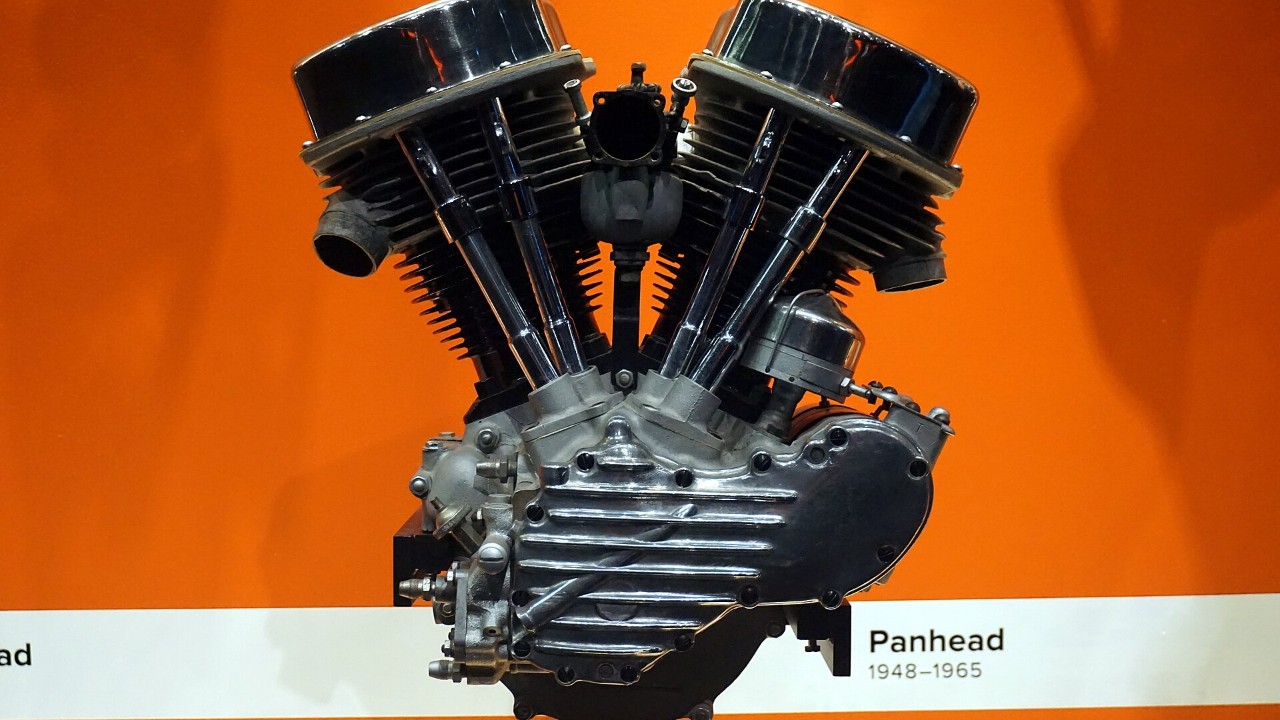
Right after World War II, Harley gave its big twin a new top end. The 1948 FL arrived with a fully enclosed overhead-valve engine, hydraulic lifters and aluminum cylinder heads. According to the National Motorcycle Museum, the engine came in 74- and 61-cubic-inch sizes, and the 74 displaced 1,208 cc.
What makes the 1948 bike special is its front end. It was the final year of the springer fork on the big twin, except on sidecar rigs. For 1949, Harley switched to a hydraulic fork and called the bike the Hydra-Glide. That leaves the ’48 Panhead as a one-year-only design, with a new engine and an old-style fork.
Our take: the ’48 is the Panhead purists talk about first. It blends prewar looks with postwar engineering in a way no later year can match. If you want the classic Harley shape and a more modern engine, this is the bike to save for.
2. 1952 Harley-Davidson K Model
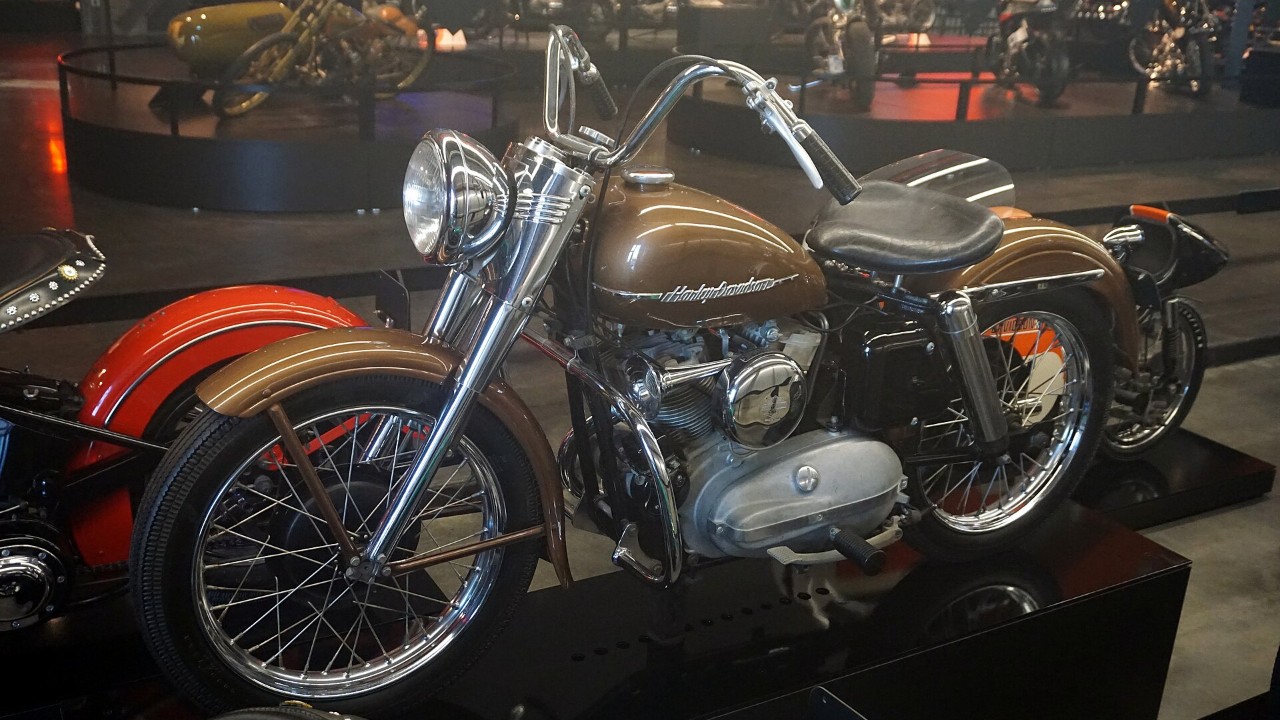
The K Model arrived in 1952 and used a 750 cc side-valve engine, often called a flathead. More important, it was the first civilian Harley-Davidson with hydraulic shock absorbers at both ends, a big step forward for the brand.
The K lasted only two years before the KH took over. For 1954, the KH grew to 888 cc with a much longer stroke. Then, in 1957, Harley kept the frame, fenders, tank and fork and dropped in an overhead-valve engine. That bike was the first Sportster. In other words, the K is the root of the family tree.
We think the K deserves more love than it gets. It’s easy to dismiss a flathead, but this bike led straight to the Sportster. A clean K is also a rare sight at a bike night, which makes it a great conversation starter.
3. 1959 Harley-Davidson XLCH Sportster
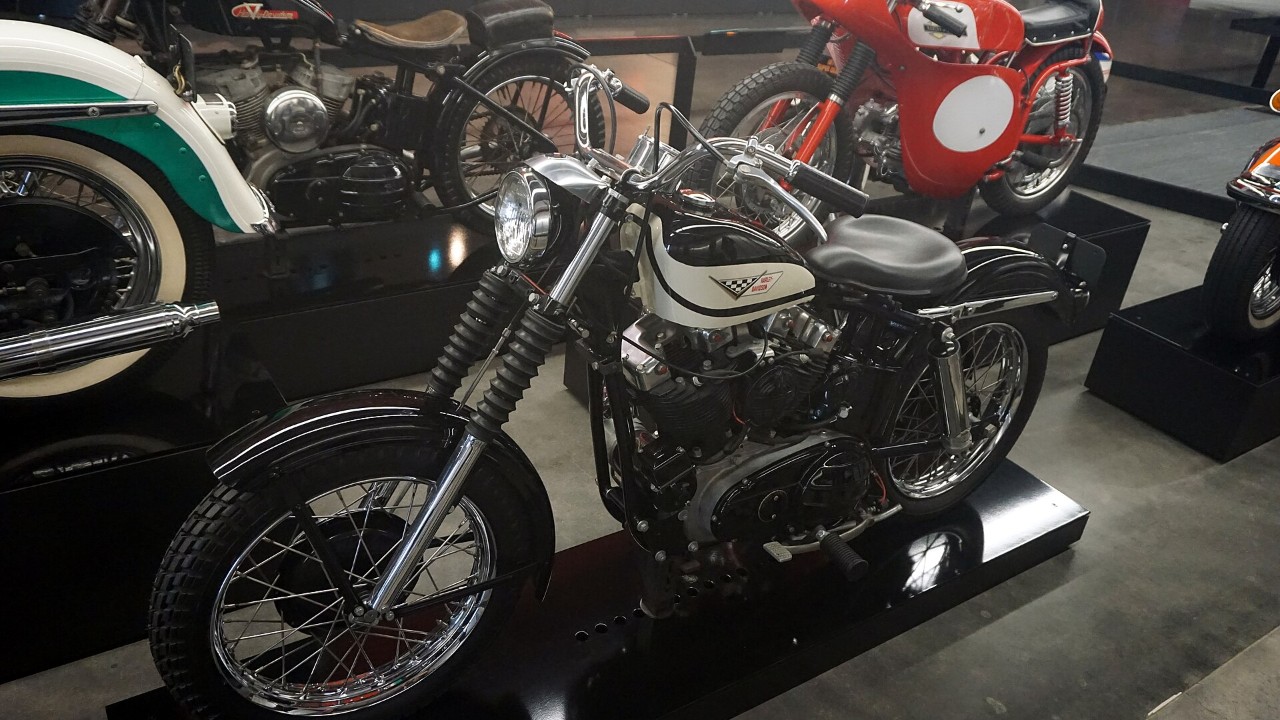
A year after the first overhead-valve Sportster arrived, Harley built a stripped-down version for riders who wanted speed. The XLCH appeared in 1958 as the sportier partner to the touring XLH. Fans nicknamed it “Competition Hot,” though Harley never made that official. It used the 883 cc iron-head engine and had no electric starter. You kicked it to life.
That kick-start-only setup became part of the bike’s character. In fact, Harley kept building kick-only XLCH models until 1979, when only 141 were made. By then, the engine had grown to 1,000 cc, starting with the 1972 model year. The Ironhead engine itself lasted until 1985, when the Evolution engine replaced it.
Our take: the XLCH is the Sportster at its most honest. It was light, loud and built to go fast in a straight line. Early XLCH bikes from the late 1950s are the ones collectors watch, and we’d take a sorted one over a showroom-perfect cruiser any day.
4. 1977 Harley-Davidson XLCR Cafe Racer

The XLCR flopped when it was new, and that’s exactly why fans adore it now. Harley built it as a factory cafe racer around the 1,000 cc iron-head Sportster engine. It also introduced the dual “Siamese” exhaust, a triangulated frame and a rear disc brake to the Sportster line.
Buyers in the late 1970s didn’t know what to make of it. Harley built about 2,000 XLCRs in 1977 and about 1,200 in 1978. For 1979, only nine left the factory, bringing the total to roughly 3,209. Then the model was gone.
In our view, the XLCR was simply ahead of the market. Today, we’d rank it among the most interesting Harleys of its era. If you buy one, budget for a careful inspection and check that the bodywork and exhaust are original.
5. 1980 Harley-Davidson FXWG Wide Glide

The Wide Glide was a factory custom before that idea was common. Harley gave it extended 41 mm fork tubes, a skinny 21-inch front wheel and forward foot controls. As a result, the bike looked like a chopper from the dealer floor, with no aftermarket parts needed.
The formula worked so well that Harley kept coming back to it. The FXWG ran from 1980 to 1986. Later, the Wide Glide name returned in 1993 and stayed in the lineup until 2016. That’s a long life for a model built around a single look.
Our take: the first Wide Glide is the one that proved Harley could sell custom style straight from the factory. The 1980 to 1986 bikes are the originals. If you love the chopper look but want a factory bike, start your search here.
6. 1980 Harley-Davidson FLT Tour Glide
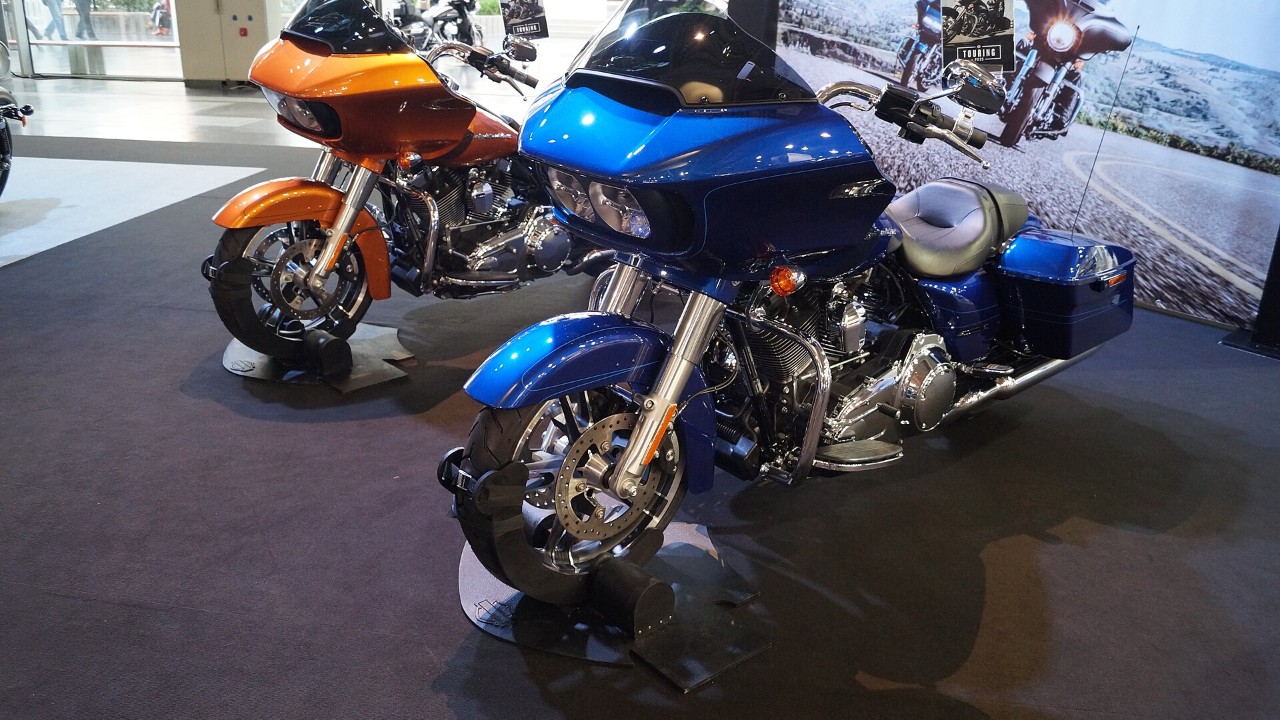
The Tour Glide arrived the same year as the Wide Glide, but it aimed at a very different rider. It introduced a new touring frame with a rubber-mounted engine, which cut the vibration that tired long-distance riders. It also brought a five-speed gearbox and a fork mounted behind the steering head.
The engine was an 82-cubic-inch twin, about 1,340 cc. Instead of a fork-mounted batwing, the Tour Glide carried a frame-mounted fairing. That meant the fairing stayed put while the bars turned. Harley built the FLT from 1980 to 1996, a 17-year run.
We think the Tour Glide is the most important touring Harley most people forget. Its rubber-mount frame set the template for the long-haul bikes that followed. A well-kept FLT is also one of the most comfortable older Harleys you can ride across the country.
7. 1986 Harley-Davidson FLST Heritage Softail
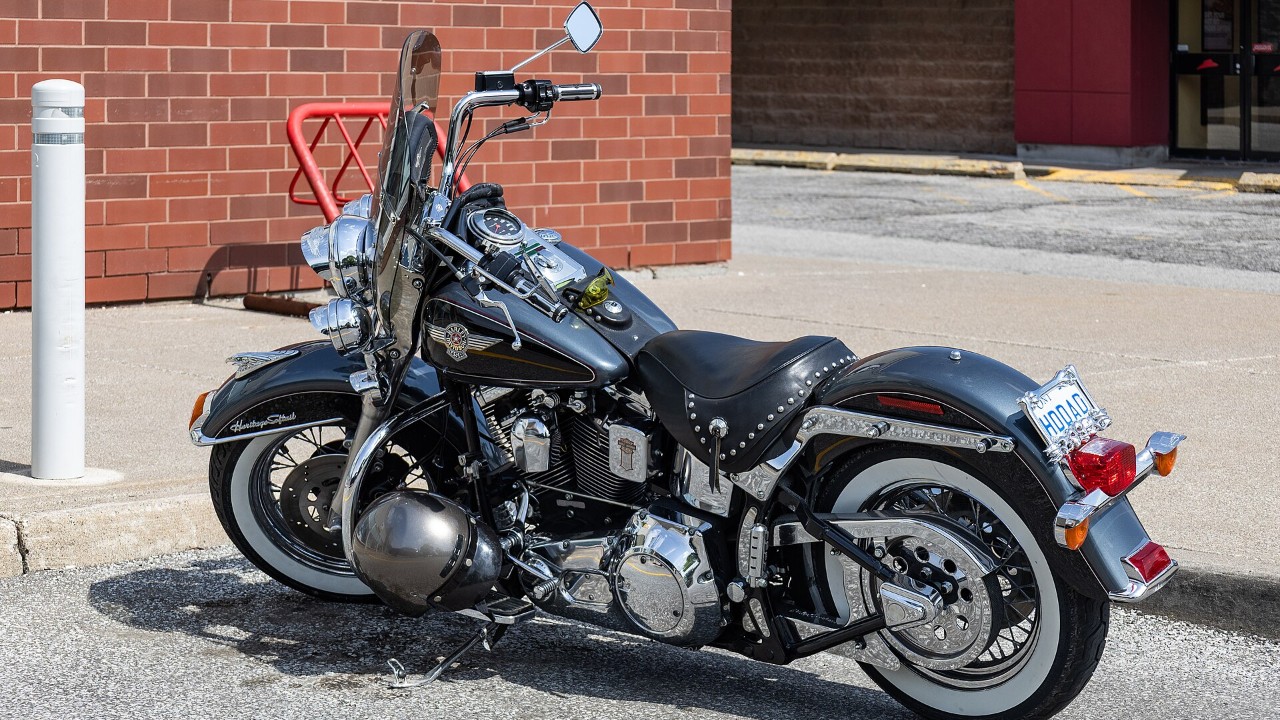
By the mid-1980s, Harley needed a hit. In 1984, it had launched its Evolution V-twin to fight back against cheap imports. Two years later, Willie G. Davidson designed a bike that revived the look of 1950s Harleys. That bike was the 1986 Heritage Softail, described by Adweek as a “1986 retread of a 1949 classic.”
The result looked like a Harley from the 1950s, but it carried the new Evolution engine. The Heritage name has stayed in the lineup ever since. Even today’s Heritage Classic shows up in the news, as in our report on Harley’s recall of 16,994 Softails.
Our take: the Heritage Softail is the bike that taught Harley to sell its own history. The first-year Evolution bikes are the ones we’d seek out. They mark the moment the company found its modern identity.
8. 2002 Harley-Davidson VRSCA V-Rod
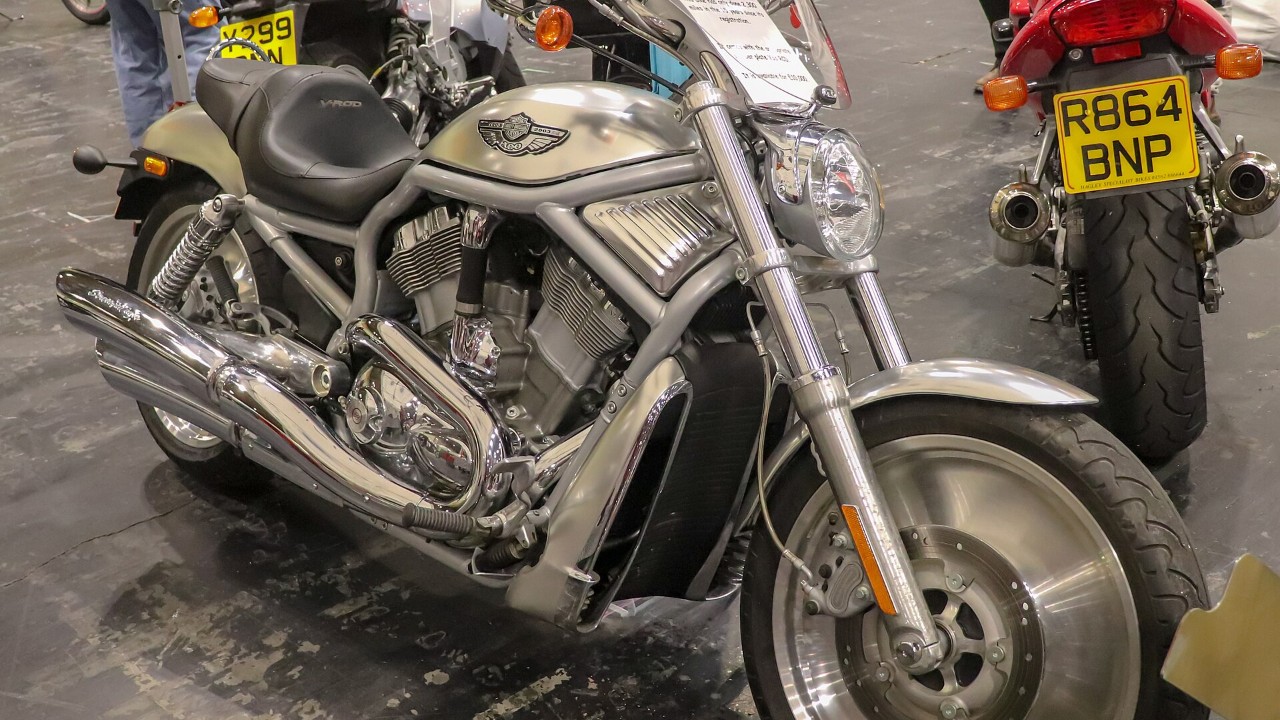
The V-Rod was the most radical Harley in decades. It used a water-cooled 60-degree V-twin with dual overhead cams, developed with Porsche. According to RideApart, the 1,131 cc engine made 115 horsepower and 74 lb-ft of torque.
Even so, the first batch sold out quickly. The engine later grew to 1,247 cc. The V-Rod family lasted about 15 years before it disappeared from the lineup. Harley has tried other bold ideas too, including a wild superbike you never got to ride.
Our take: the V-Rod is the Harley for riders who never wanted a Harley. Its long, low shape and smooth power turn heads at any bike night. The first-year 2002 bikes are the ones we’d pick for a future classic.
9. 2006 Harley-Davidson FLHX Street Glide
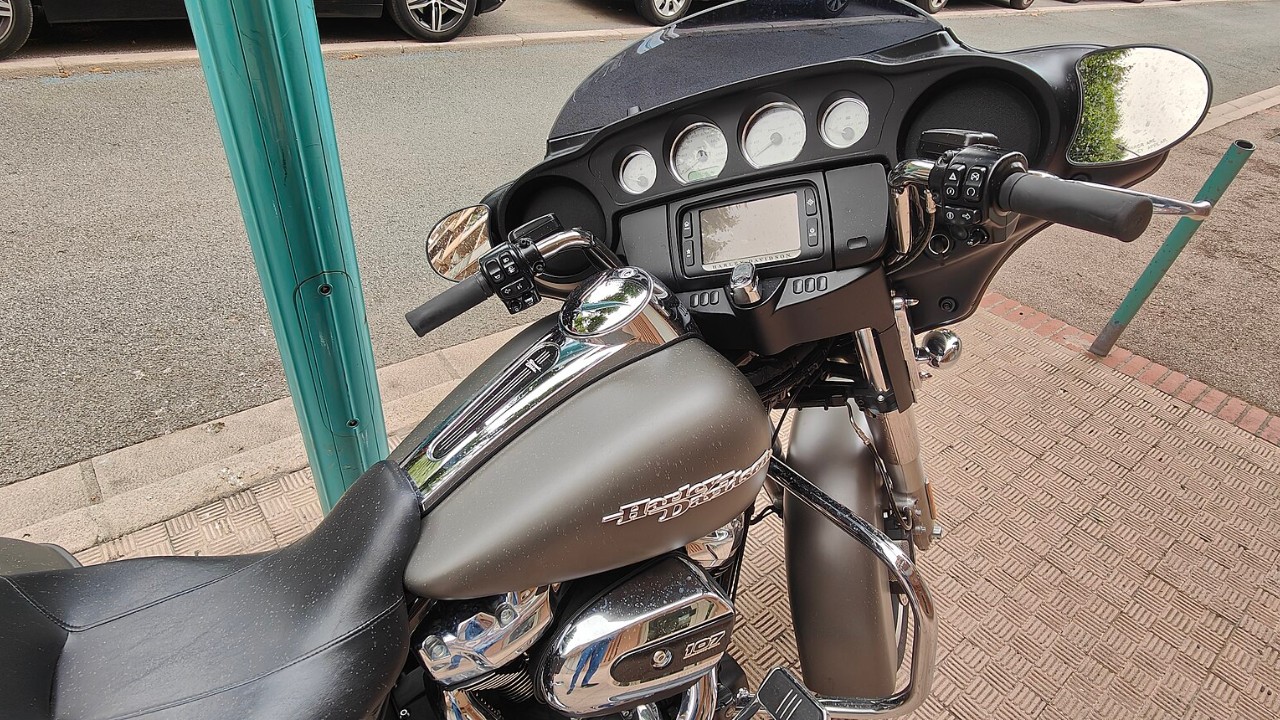
Harley built the Street Glide by taking an Electra Glide Standard and stripping away the chrome. The result had a short tinted windscreen, no Tour-Pak trunk and lower, air-adjustable rear shocks. Rider Magazine called it “the bobber of baggers.”
Power came from the 1,450 cc Twin Cam 88. The laden seat height dropped to 26 inches, and the handlebar was wider and lower than the Electra Glide’s. Rider found the ride wasn’t much different, but the bike felt easier to handle.
We think the Street Glide set the template for the stripped-down bagger. A black carbureted 2006 FLHXI listed for $17,795, according to Rider’s road test.
More from Fast Lane Only