When the Alpina B10 BiTurbo appeared at the 1989 Geneva Motor Show, it was the fastest production sedan in the world. Yet from the curb, it looked like a tidy BMW 5 Series with fancy wheels. That gap between looks and speed runs through a lot of German performance history.
German makers and tuners often built their fastest machines in plain clothes. Some were wagons, some were luxury coupes, and some were homologation specials sold in tiny numbers to satisfy racing rules. A few were so quick that politicians and police wanted them off the road. Others also carried modest badges that hid what was underneath.
These twelve are our picks for German cars that were faster than anyone admitted. The selection and verdicts are our opinion. Meanwhile, the power ratings, top speeds and production counts come from maker archives, auction catalogs and period tests we checked for this story.
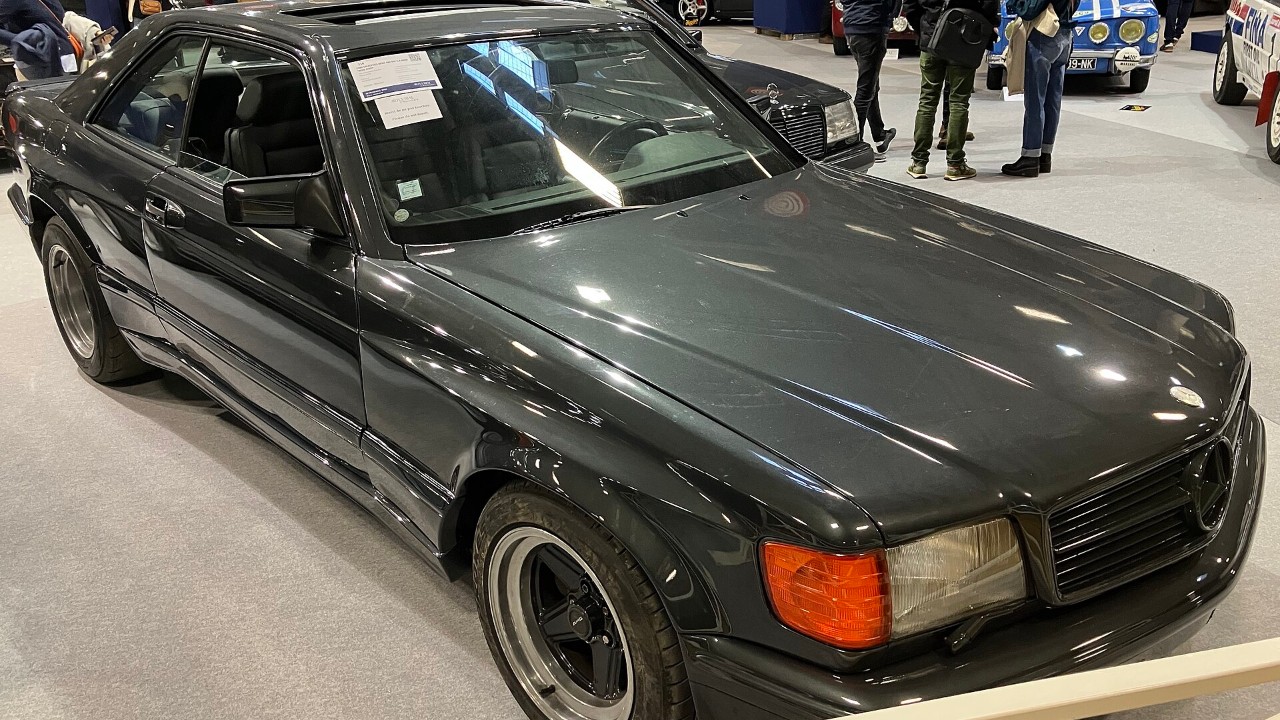
1. 1989 Mercedes-Benz 560 SEC AMG 6.0 Wide-Body
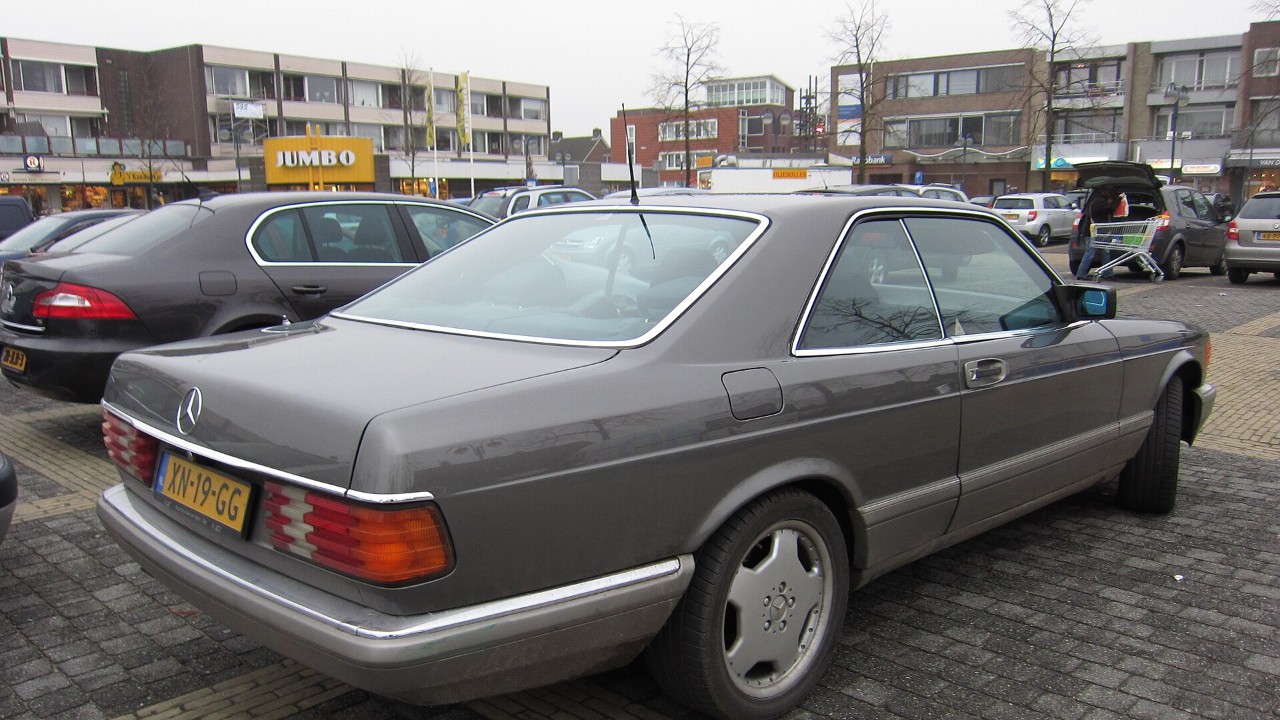
In the 1980s, AMG was an independent engine builder and tuner in Affalterbach. By 1989, it had about 150 employees, and it would build almost anything for a customer with deep pockets. Its signature trick, however, was more displacement. For the 560 SEC, AMG bored the stock 5.5-liter M117 V8 out to 6.0 liters and fitted hotter camshafts and four-valve heads.
According to RM Sotheby’s, the result made 385 horsepower. AMG Japan took delivery of the example it sold in September 1988. Later, at RM’s Arizona sale in 2021, it brought $201,600.
Our take: this is the definitive 1980s sleeper for people with money. The wide-body kit tells you something is up, but the shape is a gentleman’s coupe with far more muscle than its badge suggests. Buyer advice: insist on AMG paperwork, because the wide-body look is easy to copy.
2. 1973 BMW 2002 Turbo
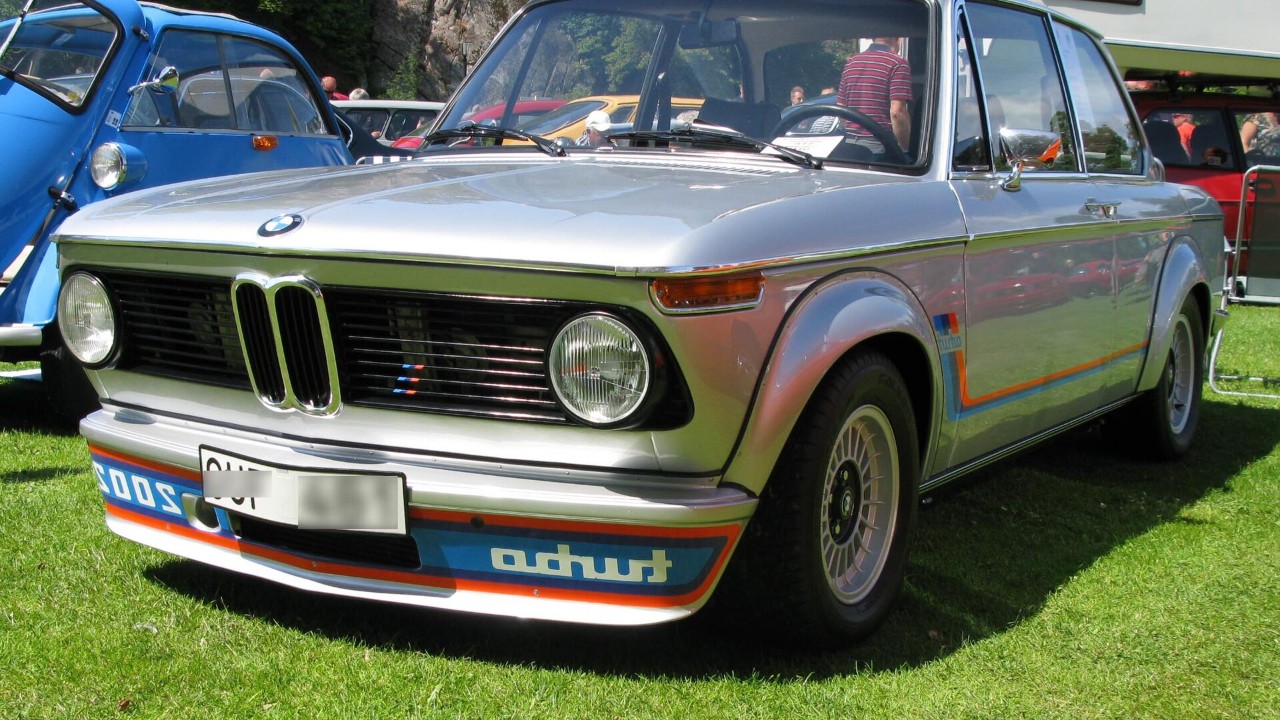
BMW unveiled the 2002 Turbo at the Frankfurt show in September 1973. According to BMW Group Classic, its turbocharger was the first in a European production car. BMW then bolted it to the fuel-injected tii’s 1,990 cc four. Output rose by 40 horsepower to 170 bhp at 5,800 rpm.
Top speed was 211 km/h, about 131 mph, from a small two-door sedan. It also cost DM 18,720. However, the timing was terrible. The car launched right into the oil crisis, which left it, in BMW’s own words, “rather marginal.” Production ran only from October 1973 to June 1975.
We’d argue the 2002 Turbo never got the credit it earned because the world wasn’t in the mood for speed. It proved turbocharging belonged on the road, years before it became common. If you’re shopping, verify that the car is a genuine Turbo before you pay Turbo money.
3. 1997 Audi S6 Plus Avant
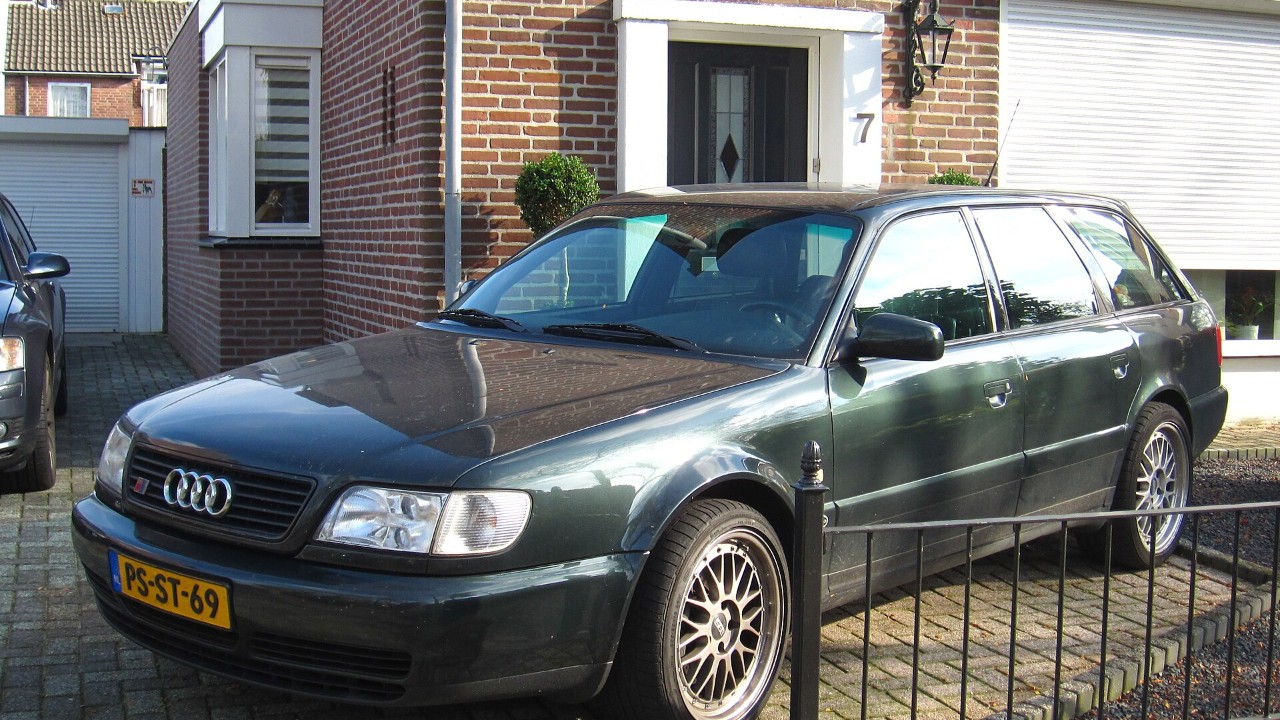
In 1996, quattro GmbH became a carmaker in its own right, and its first high-performance model was the S6 Plus. It debuted at the Geneva show that spring, before going on sale. Audi built it as a sedan and as an Avant wagon. Under the hood was the 4.2-liter V8 from the S6, pushed from 290 to 326 horsepower.
According to Audi, the S6 Plus ran from 0 to 100 km/h in 5.6 seconds. Audi also capped its top speed electronically at 250 km/h, or 155 mph. Permanent quattro all-wheel drive came standard, as it did on every quattro GmbH car.
Our take: a 326-horsepower family wagon was a strange idea in 1996. As a result, the S6 Plus Avant flew under the radar, and it paved the way for the RS wagons that followed. We’d hunt for a clean, well-documented car rather than a cheap one.
4. 1975 Porsche 930 Turbo
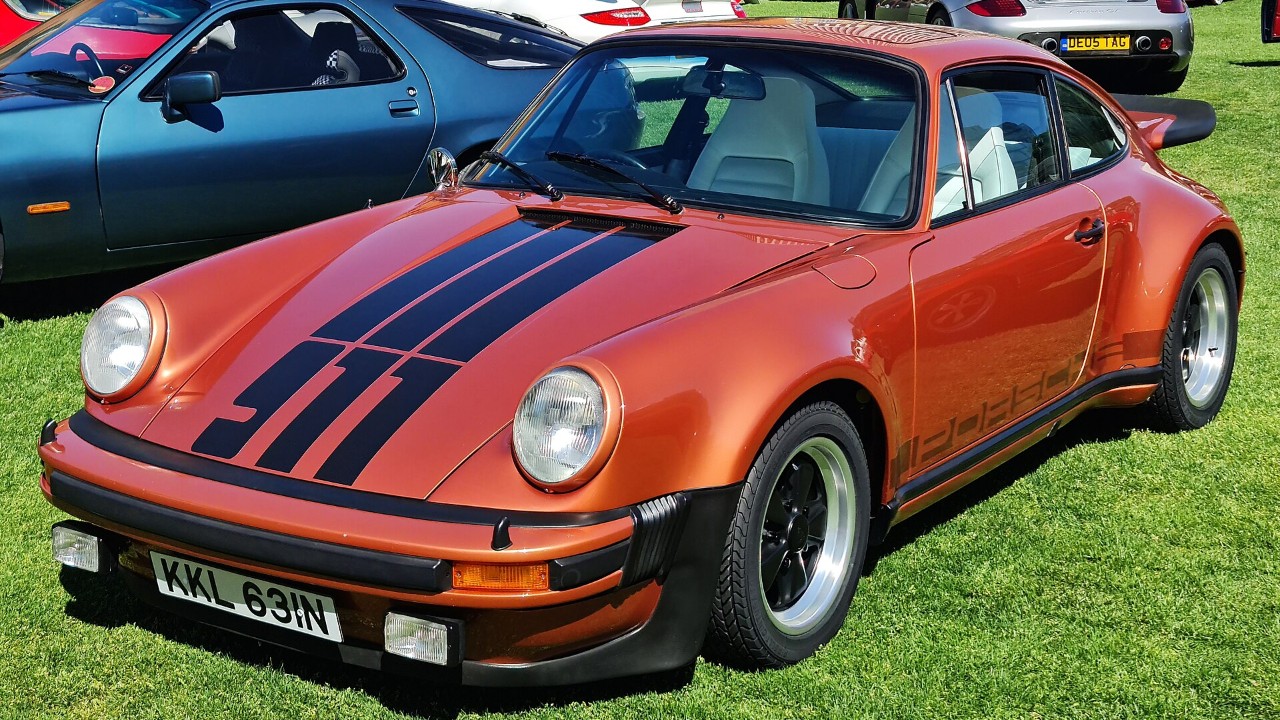
Porsche’s first turbocharged 911 went on sale for 1975. It used a 2,993 cc air-cooled flat-six with a single KKK turbocharger. RM Sotheby’s lists output at 260 bhp. It also came with a four-speed manual.
Its top speed approached 160 mph, and 0 to 60 mph took about six seconds. In fact, Porsche built just 284 cars for that first year. The car RM sold in New York in 2015 was number 163 of them, and it fetched $330,000. Still, the 930’s reputation was mostly about its wild handling. If you want that side of the story, read why drivers called the 930 the widowmaker.
We think the early 930 is a performance car that people underrate because they fixate on its tricky handling. In a straight line, a six-second sprint to 60 mph was serious speed in 1975. That’s why a first-year car with matching numbers is the one we’d want.
5. 1978 BMW M1
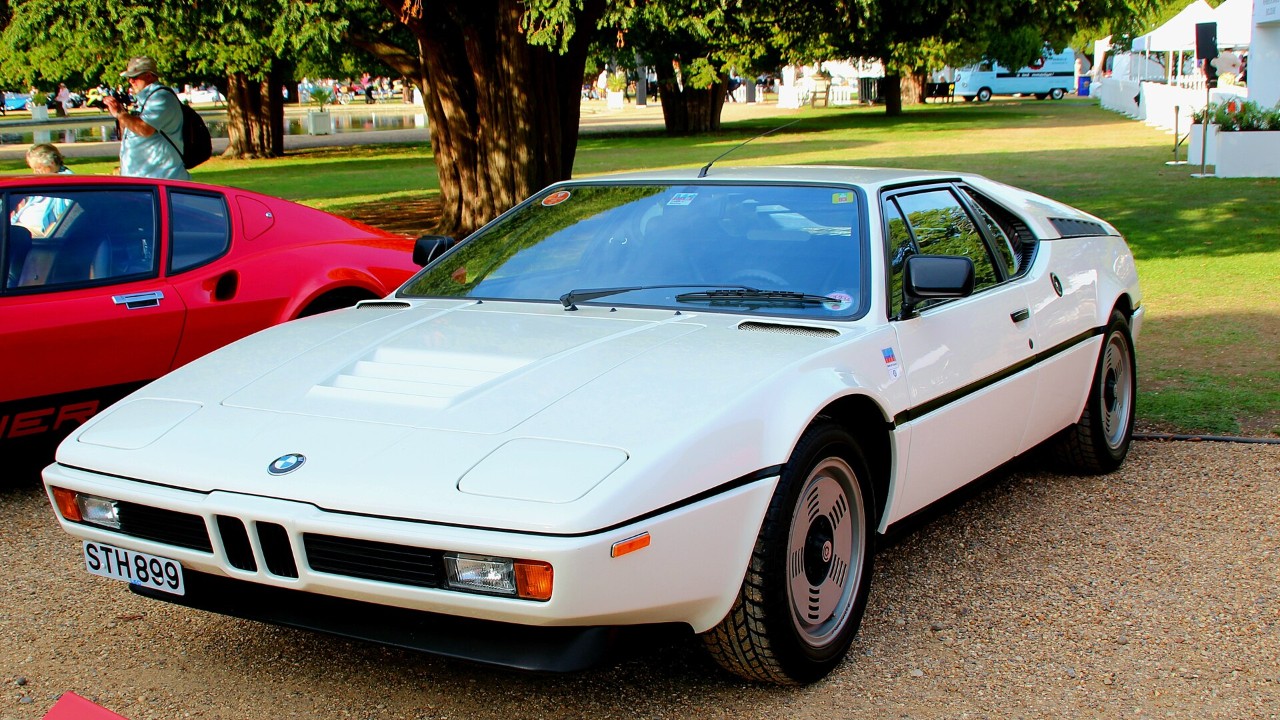
The M1 was BMW’s only mid-engine supercar of its era. Giorgetto Giugiaro designed its fiberglass body at Italdesign. Gianpaolo Dallara created the tubular steel chassis, and BMW hired Lamborghini to build the cars. However, Lamborghini’s finances collapsed, and BMW took back control in April 1978.
The road car’s 3,453 cc M88/1 straight-six made 277 PS, or 273 horsepower, at 6,500 rpm. Meanwhile, top speed was 165 mph. BMW built 453 M1s, including 399 road cars. To get more racing out of the program, BMW then created the Procar series, a one-make championship that supported Formula 1. Niki Lauda won it in 1979, and Nelson Piquet won in 1980.
Our take: delays and a tiny production run kept the M1 in the shadows. That’s a shame, because it was a true supercar. We’d put a well-documented road car near the top of any German wish list.
6. 1988 Porsche 959 Komfort

The 959 started life in 1981 as a Group B project. Group B ended before the car earned homologation, but Porsche took the hardware rallying anyway. In 1986, 959s finished first, second and sixth at the Paris-Dakar Rally. The road car came in two versions: the plush Komfort and the stripped-down Sport.
Its 2,849 cc twin-turbo flat-six made 450 PS, or 444 horsepower. As a result, top speed reached 197 mph. Porsche built 337 cars, including 37 prototypes and pre-production cars. At launch, a 959 cost DM 431,550, or about $225,000. We’ve covered how Ruf’s Yellowbird took on supercars too, and the 959 was one of its targets.
We think the Komfort is the smarter 959. After all, it paired comfort-focused trim with a 197-mph top speed. That combination of comfort and speed was rare in 1988.
7. 1987 Ruf CTR Yellowbird
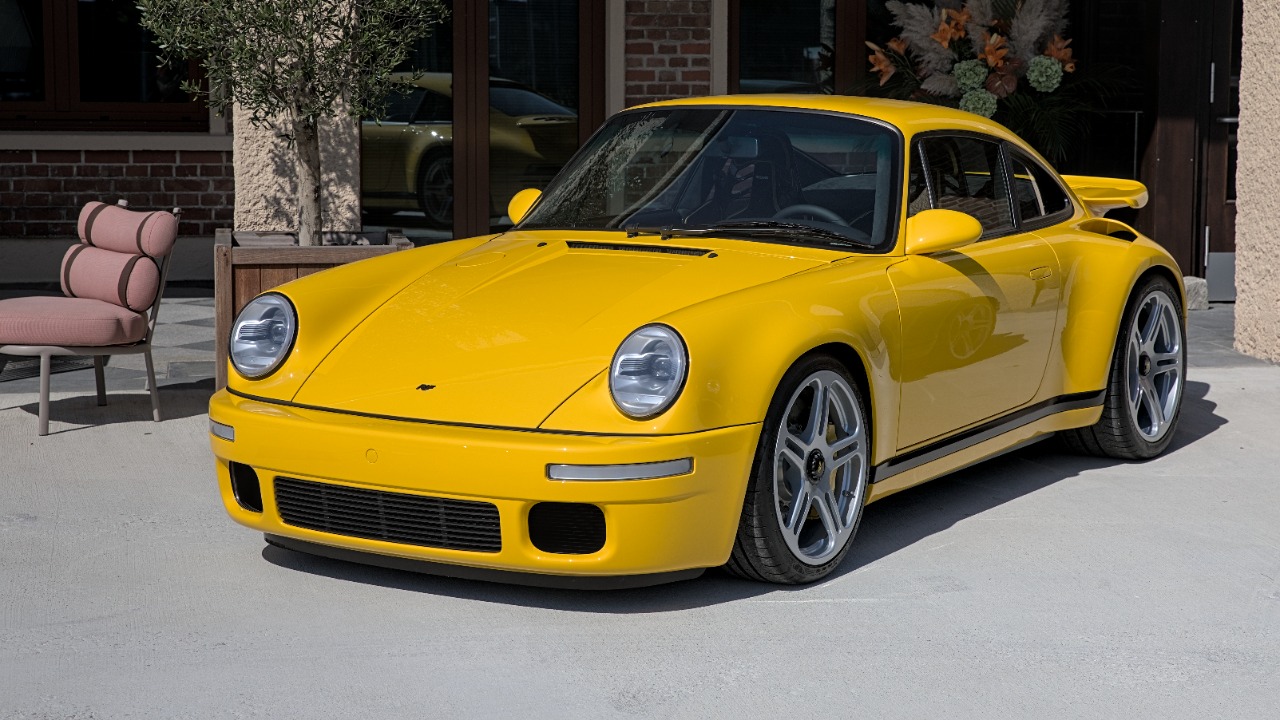
Ruf started with a 911 Carrera 3.2, not a 930 Turbo. It fitted twin turbochargers to a 3,367 cc flat-six and rated it at 469 PS, or 463 horsepower. Ruf’s official figure was reportedly the lowest dyno reading among the CTR engines tested, which suggests many made even more.
Road & Track tested the car in 1987 and measured 211 mph. Then, in 1988, Auto Motor und Sport recorded 213 mph at Nardò. Road & Track staff also gave the car its nickname. The yellow paint stood out so clearly against the gray sky that they called it the Yellowbird.
Our take: the CTR is the textbook example of a car that was faster than its maker admitted. Yet it looked almost like a stock 911. Ruf built only 29 cars from new Porsche bodies, plus about 20 to 30 conversions, so an original is a serious prize.
8. 1989 Alpina B10 BiTurbo
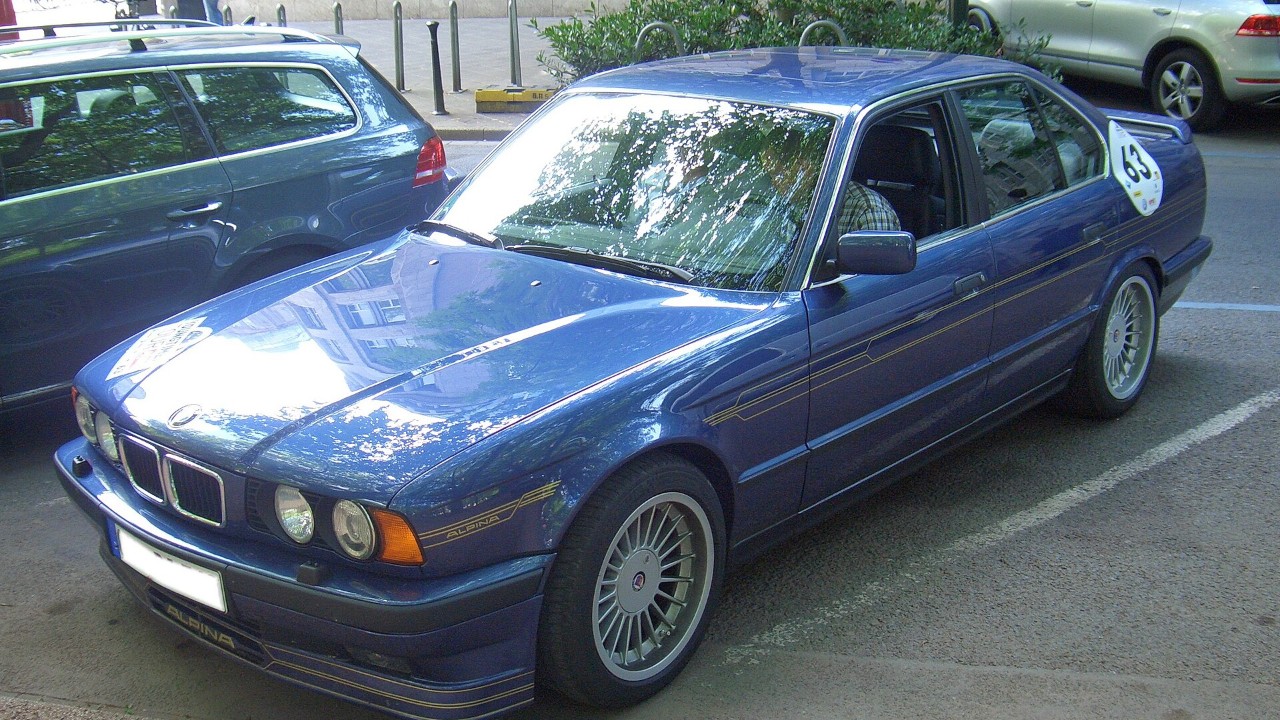
Alpina based the B10 BiTurbo on the E34 BMW 535i. Then it added two turbochargers to the 3.4-liter M30 inline-six. Output rose to 360 PS, or 355 horsepower, at 6,000 rpm. Alpina claimed a top speed over 290 km/h, about 180 mph.
Later, Road & Track measured 179.2 mph, close to the claim. That figure made the Alpina B10 the fastest production sedan in the world when it was introduced. Alpina built 507 cars between 1989 and August 1994.
Our take: the B10 BiTurbo is the definitive sleeper sedan. It looked like a well-optioned 5 Series, yet it topped 179 mph in Road & Track’s hands. With only 507 built, finding one with its original Alpina parts is the challenge. Even so, we’d take that car over almost any exotic from the same era.
9. 1990 Opel Lotus Omega
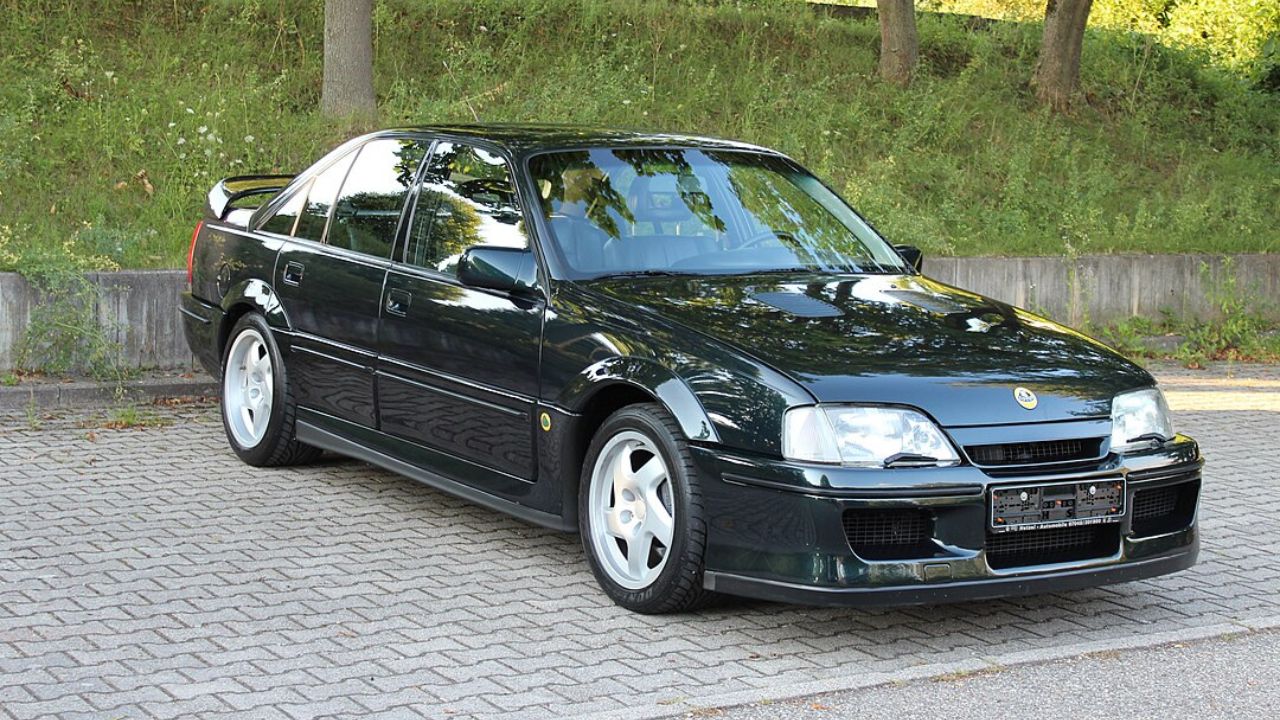
Lotus turned Opel’s Omega sedan into a super-sedan under the project name Type 104. Lotus fitted a 3.6-liter twin-turbocharged inline-six that made 382 PS, or 377 horsepower. Because of that engine, top speed was over 176 mph.
Britain didn’t know what to do with it. In Britain, it wore the Lotus Carlton name, and the Daily Mail and the Association of Chief Police Officers campaigned to ban it. In the end, that campaign failed. Lotus built 950 cars in all, 630 Omegas and 320 Carltons, short of Opel’s target of 1,100. There, it cost £48,000.
We think the Lotus Omega deserves its spot because it was a family sedan fast enough that police chiefs wanted it banned. It’s also one of the few cars on this list whose speed everyone admitted, and then argued about in public. A left-hand-drive Omega is the more common of the two, so start your search there.
10. 1992 BMW M5 Touring E34

BMW M had never built a wagon until the E34 M5 Touring. According to BMWBlog, there was no assembly line available. So BMW M assembled most of the cars by hand at its Garching factory near Munich.
Power came from the 3,795 cc S38B38 inline-six, rated at 340 horsepower at 6,900 rpm and 400 Nm of torque. As a result, it reached 155 mph and ran 0 to 60 mph in about 5.9 seconds. BMW built only 891 between 1992 and 1995.
Our take: few buyers in 1992 expected a BMW family wagon to carry a 340-horsepower six. That’s exactly why we love it. Buyer advice: look for documented service on the S38 engine, because it is a high-revving, hand-built six.
11. 1989 Volkswagen Golf Rallye G60

Volkswagen built the Golf Rallye to compete in Group A rallying against the Lancia Delta Integrale. Racing rules forced some odd math. According to Carscoops, engineers shrank the GTI’s 1.8-liter engine by 18 cc. With the FIA’s 1.7 multiplier for forced induction, that kept it under the 3.0-liter limit.
A G-Lader supercharger brought output to 158 horsepower and 166 lb-ft of torque. Meanwhile, all-wheel drive came from the Golf Syncro. VW built 5,000 to meet the FIA homologation rule. However, the car was heavier than a GTI, and its 0 to 60 mph time landed in the eight-second range.
In our view, the Rallye’s numbers undersell it. Supercharger torque and all-wheel drive make it far quicker on a wet back road than a spec sheet suggests. It’s the forerunner of the modern Golf R, and it deserves more respect.
12. 1973 BMW 3.0 CSL
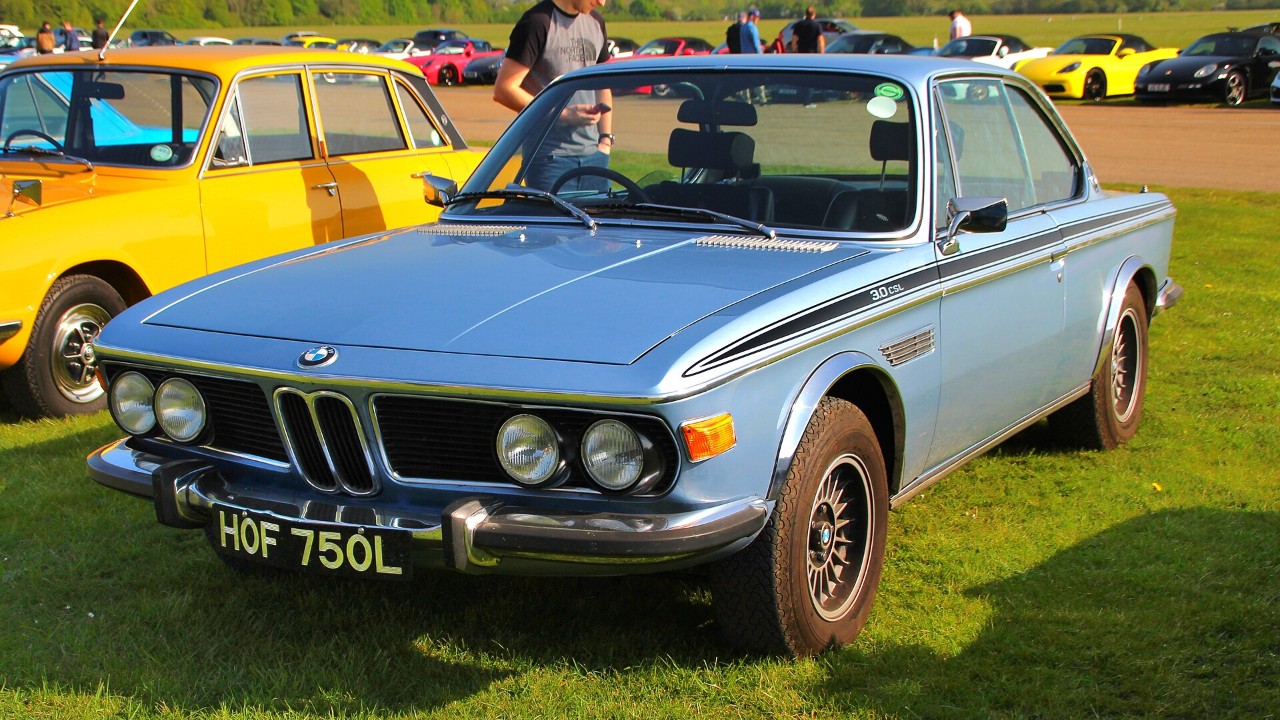
The CSL was BMW’s lightweight coupe, built to go racing. According to BMW Classic, the doors, hood and trunk lid were aluminum, and the rear windows were Plexiglas. As a result, the road car weighed just 1,062 kg. BMW built 1,006 of these lightweight road coupes to meet Group 2 homologation.
The famous “Batmobile” aero kit added big spoilers, arch extensions and fins. Because inspectors restricted the rear wing on road cars, buyers could order the full kit to carry in the trunk. In 1973, the CSL won the European Touring Car Championship, the first of six titles. For more on that era, see our story on how the 3.0 CSL went racing for credibility.
Our take: the CSL hid its race-car purpose behind a handsome coupe body. Its racing record, however, shows how fast it really was. BMW’s own archive credits the CSL with six European touring car titles, starting in 1973.
More from Fast Lane Only