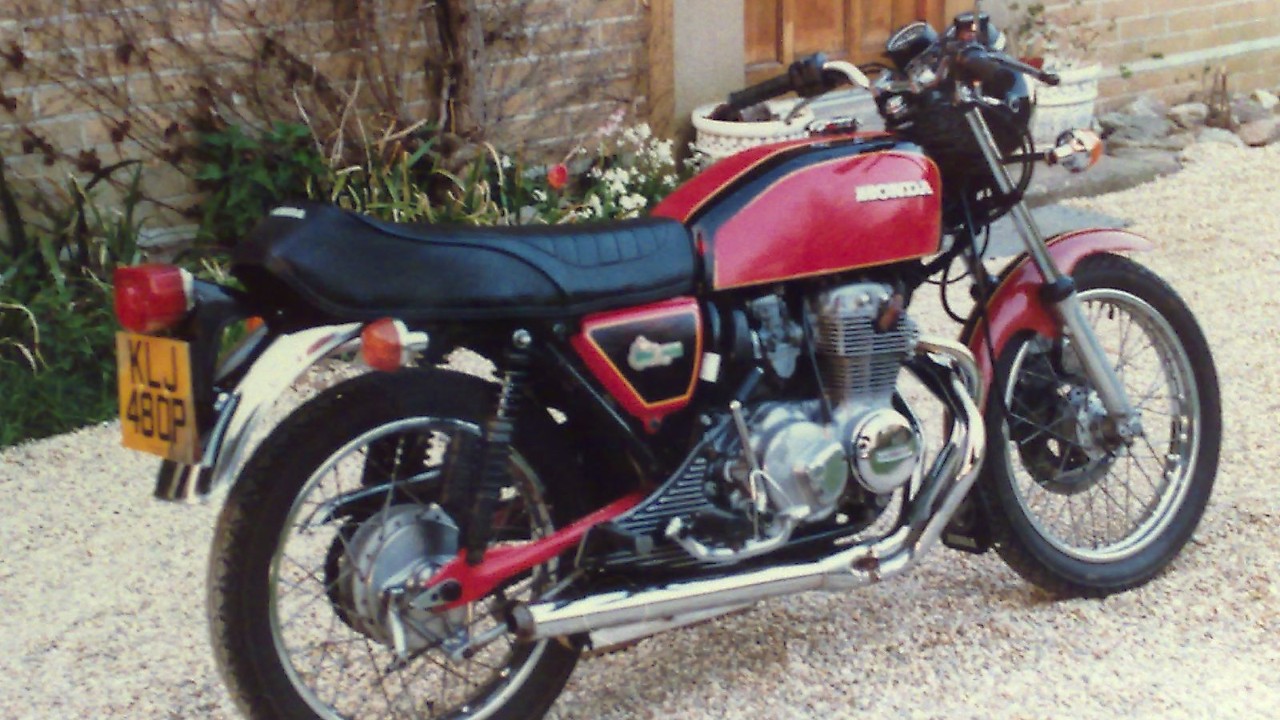
Honda CB motorcycles have carried the same two letters since 1959, from a 125cc twin to a four-cylinder that stayed on sale for three decades. Some became famous overnight. Others, however, earned their reputation slowly, on club racetracks, in riding schools and in Japan’s licensing rules.
The seven below follow the line in order. Each comes with its displacement, output or production run from Honda’s own history pages or a second reference.
1. 1959 Honda Benly CB92 Super Sport, first of the Honda CB motorcycles
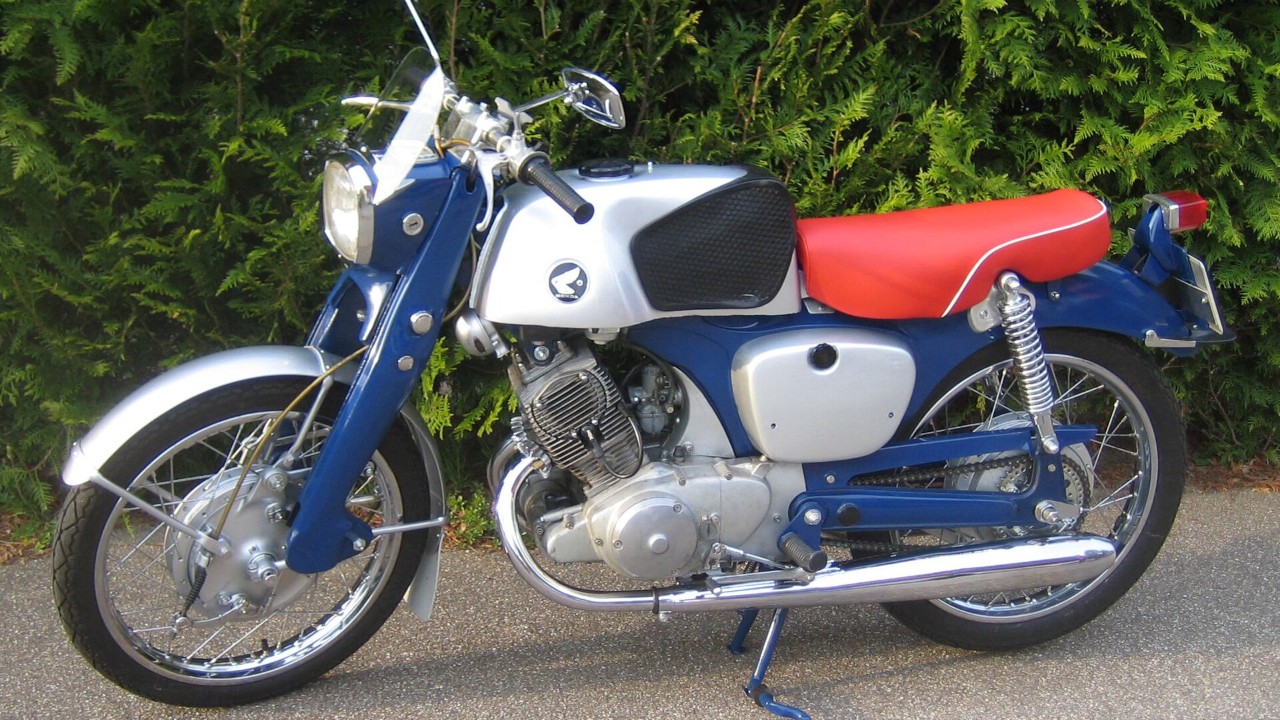
Honda calls the CB92 the first mass-produced model to carry the CB name. Its air-cooled 124cc overhead-cam twin sat in a backbone frame. According to Honda’s CB history, it made 15 PS at 10,500 rpm, which Honda describes as a high engine speed.
Still, racing made its name. In August 1959, rider Kitano won the 125cc class of the 2nd All-Japan Motorcycle Clubman Race near Mount Asama on a CB92. Then he won the 3rd All-Japan Motorcycle Endurance Road Race against factory riders. That result, Honda’s CB92 story says, set the bike’s high-performance reputation.
2. 1960 Honda Dream CB72 Super Sport
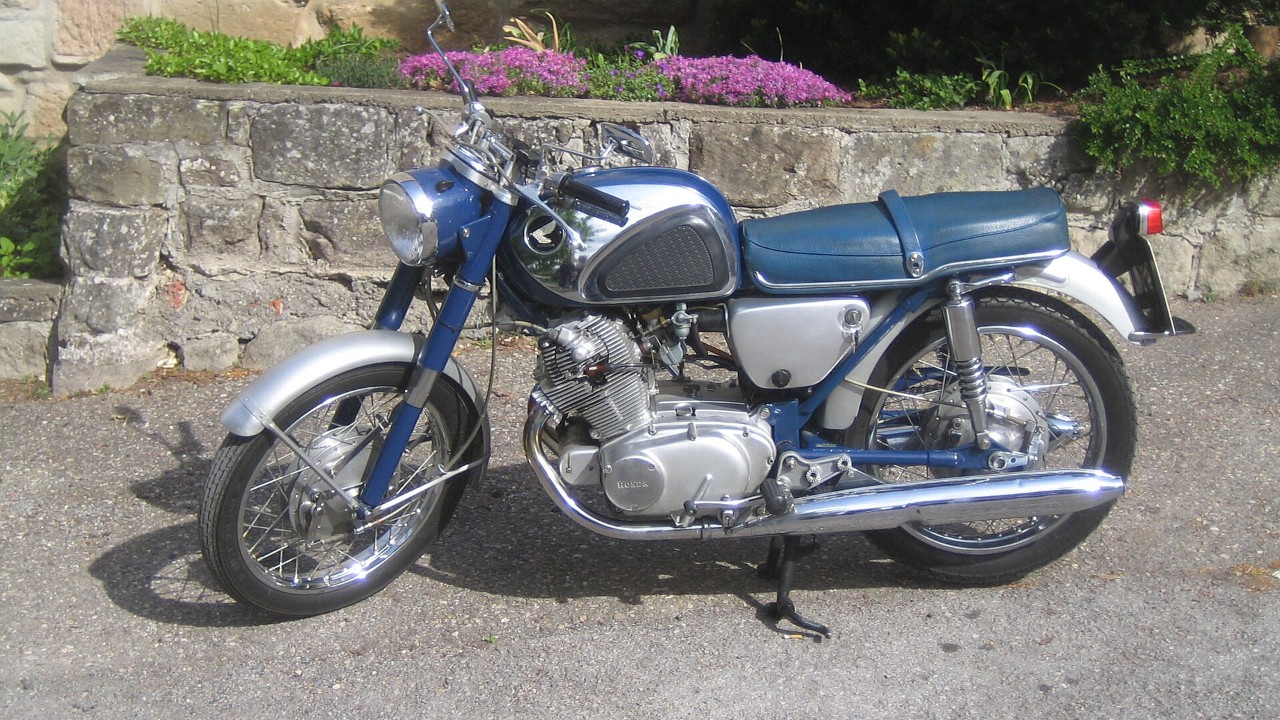
The CB72 was Honda’s 250cc answer to an export request. American Honda Motor, founded in Los Angeles in June 1959, asked for it. According to Honda’s account of the CB72, the bike debuted at the 7th All Japan Motor Show in October 1960, and mass production started that November.
Meanwhile, its twin made 24 PS at 9,000 rpm. Interestingly, Honda built two crankshafts for it. Japanese models used a 360-degree crank, while U.S. models got a smoother, higher-revving 180-degree crank. In America, it sold as the CB72 Hawk 250 from 1961 to 1966. Also, its engineers drew on lessons from the Asama races and the Isle of Man TT.
3. 1969 Honda CB750 Four

The CB750 Four gets most of the attention, but its price mattered as much as its engine. Honda’s heritage history says the company announced a retail price of $1,495 at a dealer meeting in Las Vegas. At the time, big bikes cost $2,800 to $4,000. Its four made 67 hp, which Honda notes was one more than Harley-Davidson’s 1300cc engine.
A team of about 20, led by Yoshiro Harada, started work in February 1968. Later, Soichiro Honda himself backed the front disc brake. Demand quickly swamped the plan, as Honda’s early forecast of 1,500 a year turned into a monthly figure. Then, in March 1970, Dick Mann won the Daytona 200 on a CB750 Four.
4. 1971 Honda CB500 Four
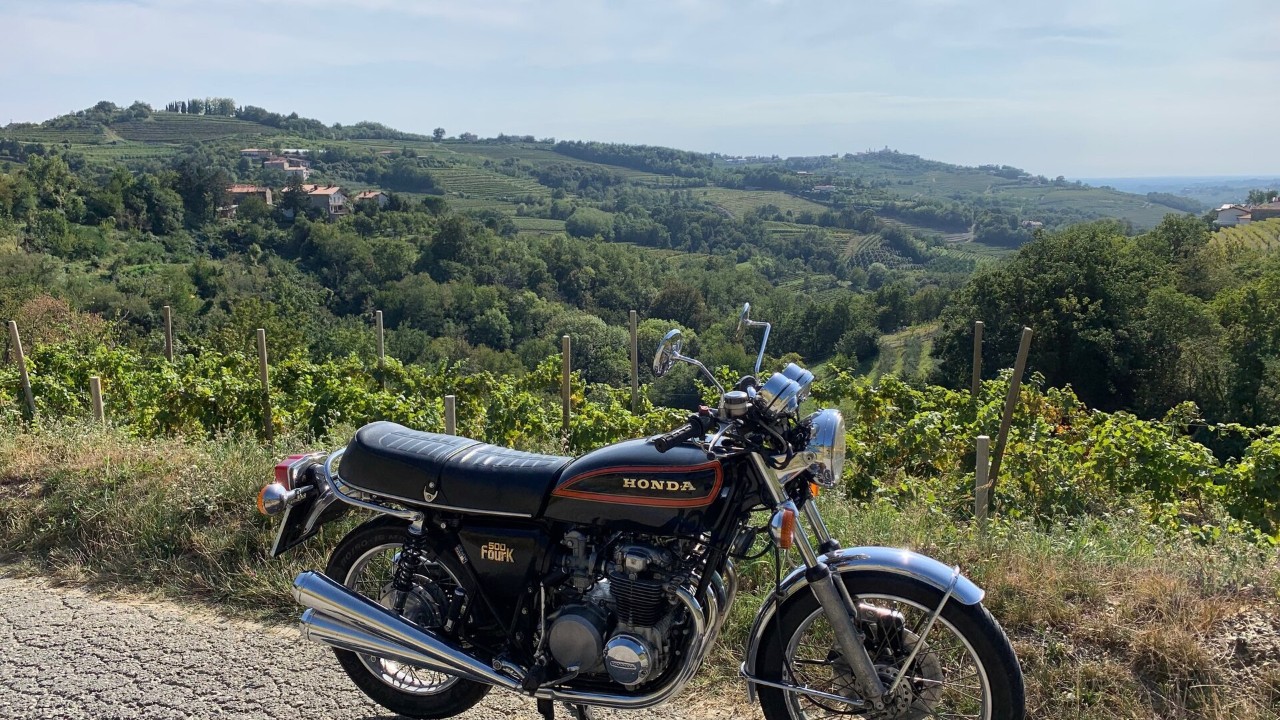
The CB500 Four took the four-cylinder idea to a wider audience. According to Honda’s CB500 Four history, Honda designed it so more people could enjoy the feel of a four-cylinder engine. That’s why its catalog line pitched it as “500 for the Quiet Man.”
The figures were modest but real. WebBikeWorld lists 498cc and 48 hp at 9,000 rpm, and Honda’s own page also gives 48 PS. Honda adds a small first, too: the CB500 Four was the first Honda with a helmet holder. Honda’s line-off photo dates the first production bike at the Hamamatsu factory to about March 1971.
5. 1974 Honda CB400 Four
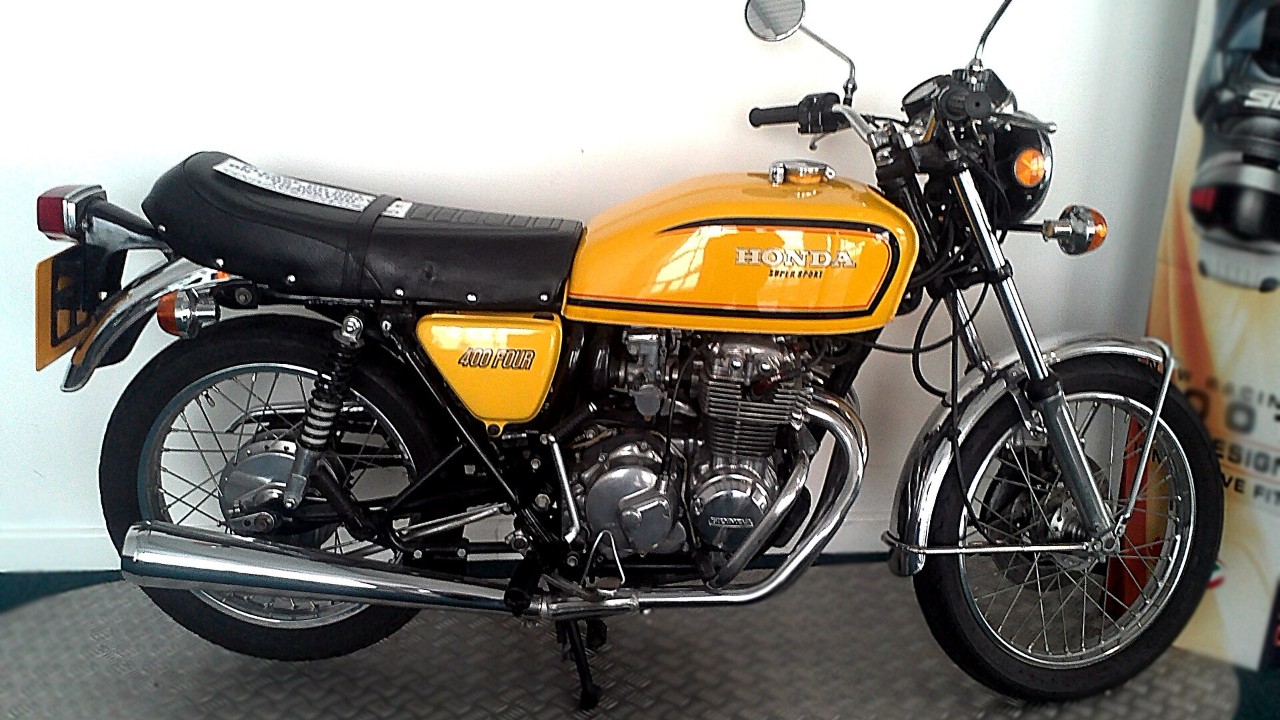
The CB400 Four turned the CB350 Four, which Honda admits sold below plan, into a café racer. Honda’s CB400 Four history says it arrived in December 1974, based on the CB350 Four. Its 408cc engine made 37 PS at 8,500 rpm through a six-speed gearbox. It was also Honda’s first motorcycle with a four-into-one exhaust.
However, Japanese law soon caught up with it. In 1975, Japan split motorcycle licenses by displacement, and bikes over 400cc needed a license few riders could get. As a result, Honda launched a 398cc version in March 1976 at the same 327,000-yen price. Even so, sales stayed difficult, and the 1977 model was the last.
6. 1981 Honda CB1100R
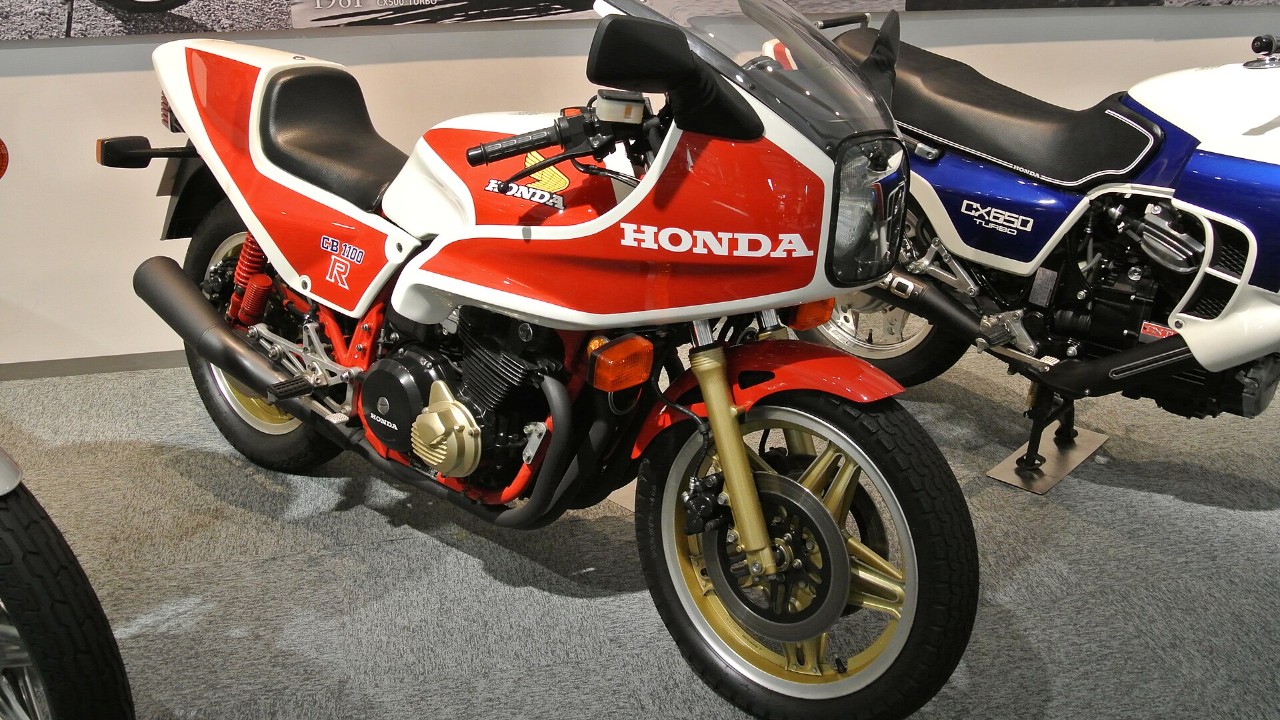
The CB1100R was a racer that happened to be road legal. Honda’s CB1100R model page calls it a street-legal replica of the RS1000 endurance racer. It used a CB900F-based engine enlarged to 1062cc, and it carried a 26-liter aluminum fuel tank.
According to Honda’s CB1100R history, workers built that tank almost entirely by hand. Then production started in August 1980 at Hamamatsu. Two months later, the bike won on its debut at Australia’s Castrol Six Hour. Honda limited the 1981 run to 1,050 bikes and the 1982 run to 1,500, and 1983 was the final year.
7. 1992 Honda CB400 Super Four
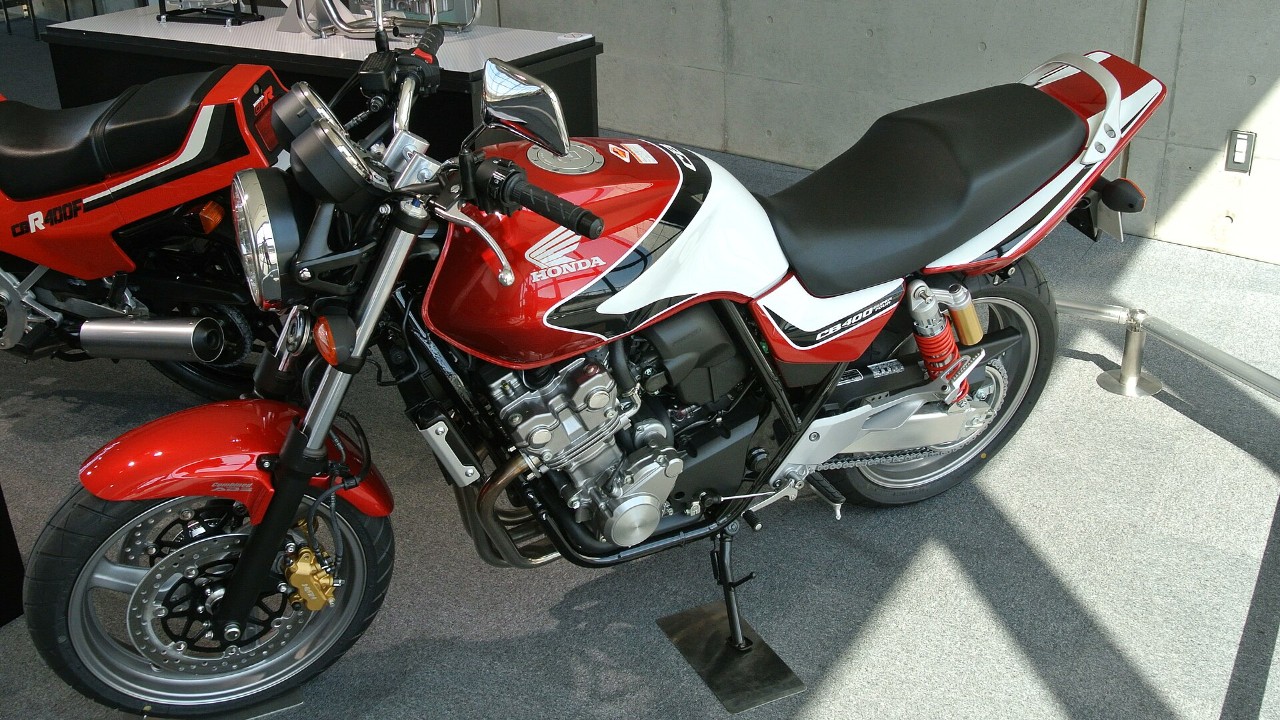
The CB400 Super Four arrived in April 1992 in Japan’s crowded 400cc class. Honda’s CB400 Super Four history says its liquid-cooled DOHC four came from the CB-1. In February 1999, a full revamp added HYPER VTEC, which switched from two to four valves per cylinder above 6,750 rpm.
Thanks to its easy size and handling, it also became a riding school bike. Honda also calls it Japan’s leading naked road sports model. Finally, after 30 years on sale, Honda ended CB400 Super Four production in October 2022.
More from Fast Lane Only