Every Group B homologation special existed because of one rule: to go rallying, a maker had to build 200 road versions. So Lancia, Audi, Peugeot, Ford, Opel, Ferrari and Citroën built street cars around race hardware, then tried to find buyers for them.
These eight are the road cars, not the rally cars. Production counts run from about 110 to 272, and auction results range from an unsold Lancia to a seven-figure one. Here is what each one was, and what the record says about it now.
1. 1982 Lancia 037 Stradale
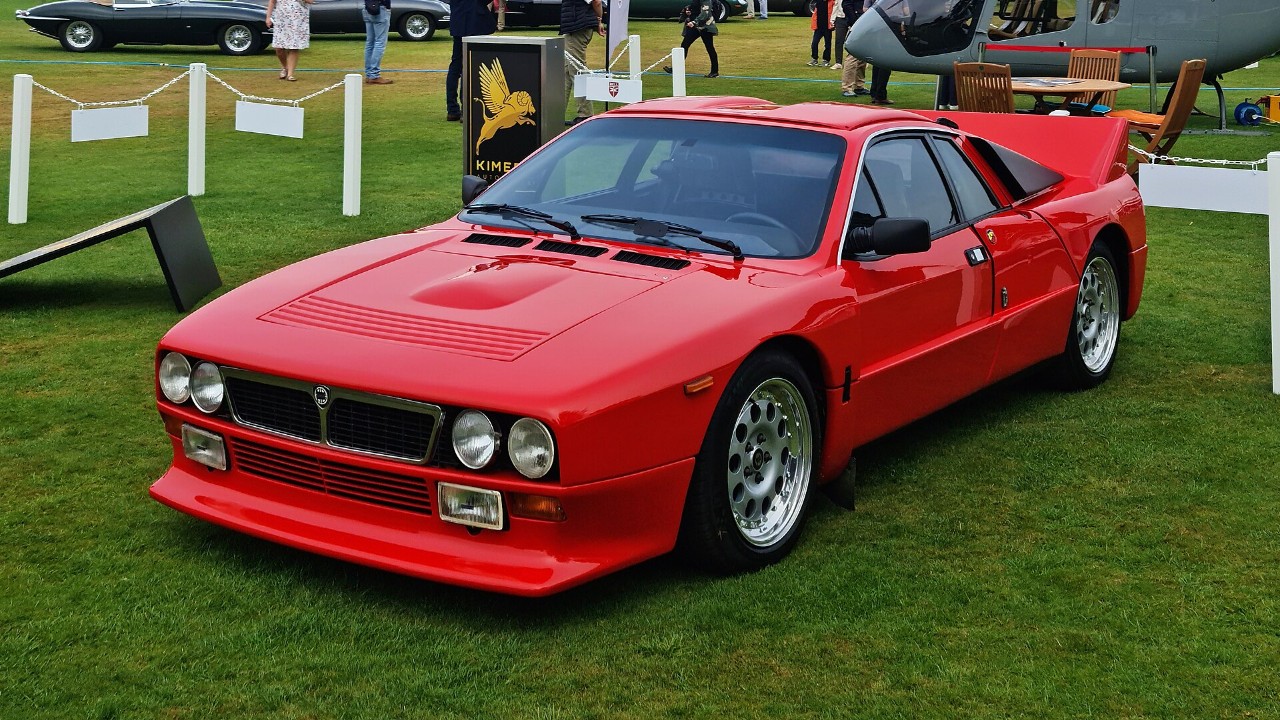
The 037 sent its power to the rear wheels only. Abarth engineered a supercharged 2.0-liter four, and Lancia capped the road version at 205 hp. Pininfarina designed the fiberglass body, with Kevlar-reinforced panels over a custom chassis.
Lancia built just 207 Stradales, according to autoevolution’s look at Group B’s mid-engine homologation specials. On the stages, Lancia then took the 1983 constructors’ title against Audi’s Quattro. Even so, the road car is no sure thing at auction. One 1982 Stradale failed to sell against a €335,000 to €355,000 estimate at RM Sotheby’s Monaco sale in 2016.
2. 1984 Audi Sport Quattro
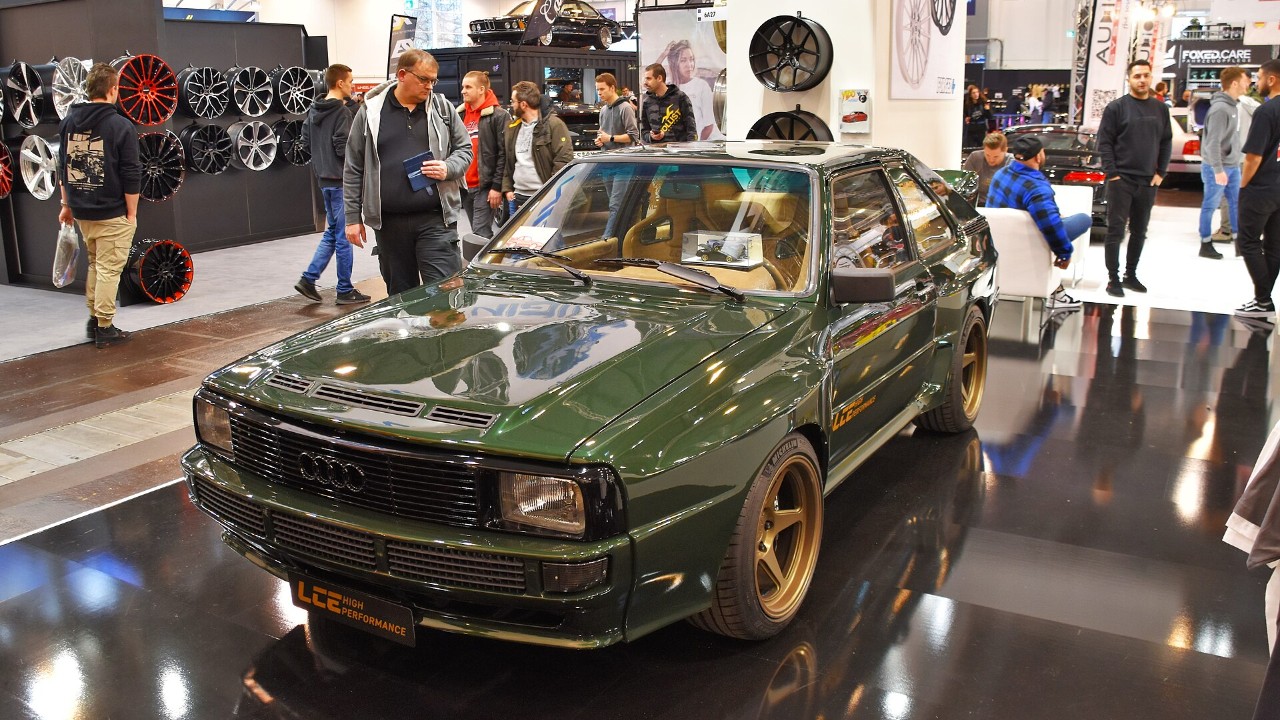
For the Sport Quattro, Audi cut the wheelbase by 32 cm. It also switched the five-cylinder to an aluminum block of 2,133 cc and made most of the body from Kevlar. Of the 214 cars built, only 164 reached customers, says Autozine’s Sport Quattro history.
Audi’s own figures match that 214 count. In a quattro anniversary fact sheet, Audi lists 306 PS and a 1984 launch price of 195,000 German marks. Later, a buyer paid €486,000 for one at a London auction in 2016, Audi adds.
3. 1983 Opel Manta 400
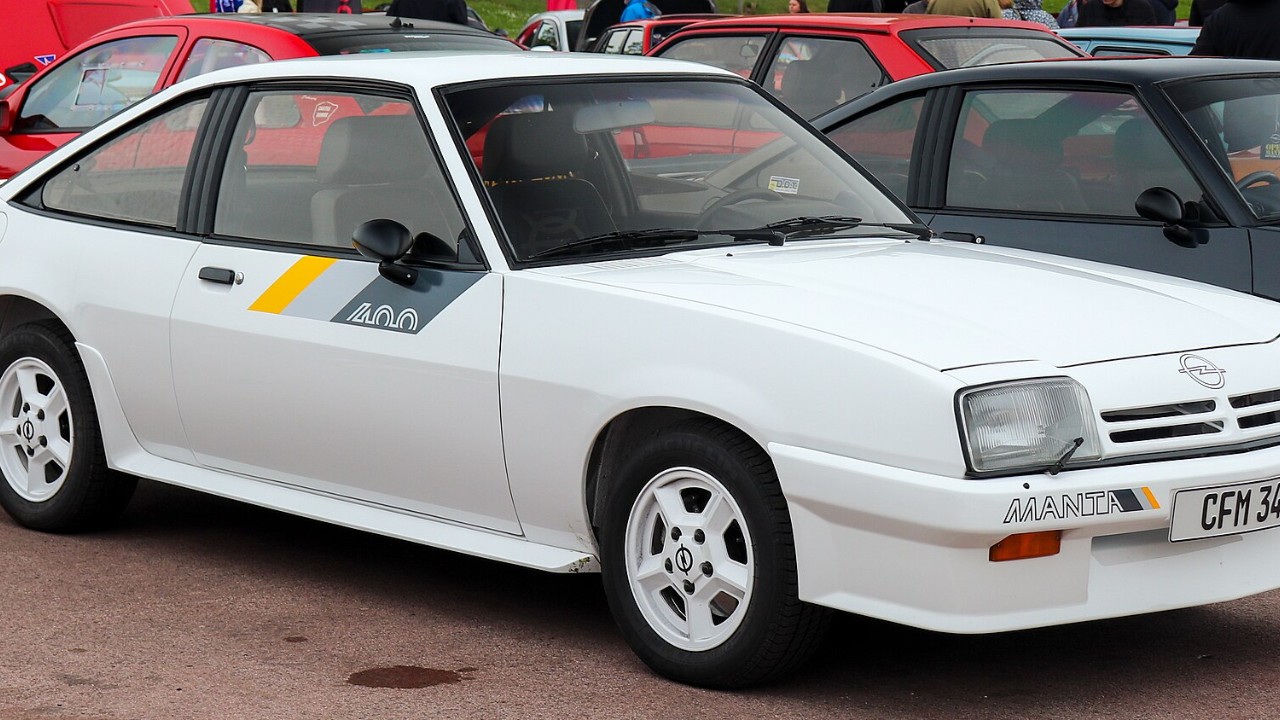
Opel built its Group B car on the Manta coupe. Power came from a Cosworth-developed 2.4-liter, 16-valve four, the same engine as the earlier Ascona 400. In fuel-injected road form, it made a modest 144 hp and weighed 1,128 kg dry.
In total, Opel made 245 Manta 400s, and only 59 had the Irmscher body kit, according to Motoring Research’s Manta 400 feature. Four-wheel-drive rivals soon outclassed the car in competition. By comparison with the Audi and Lancia results here, a 1983 example sold for £57,500 at an online auction in 2021.
4. 1984 Peugeot 205 Turbo 16
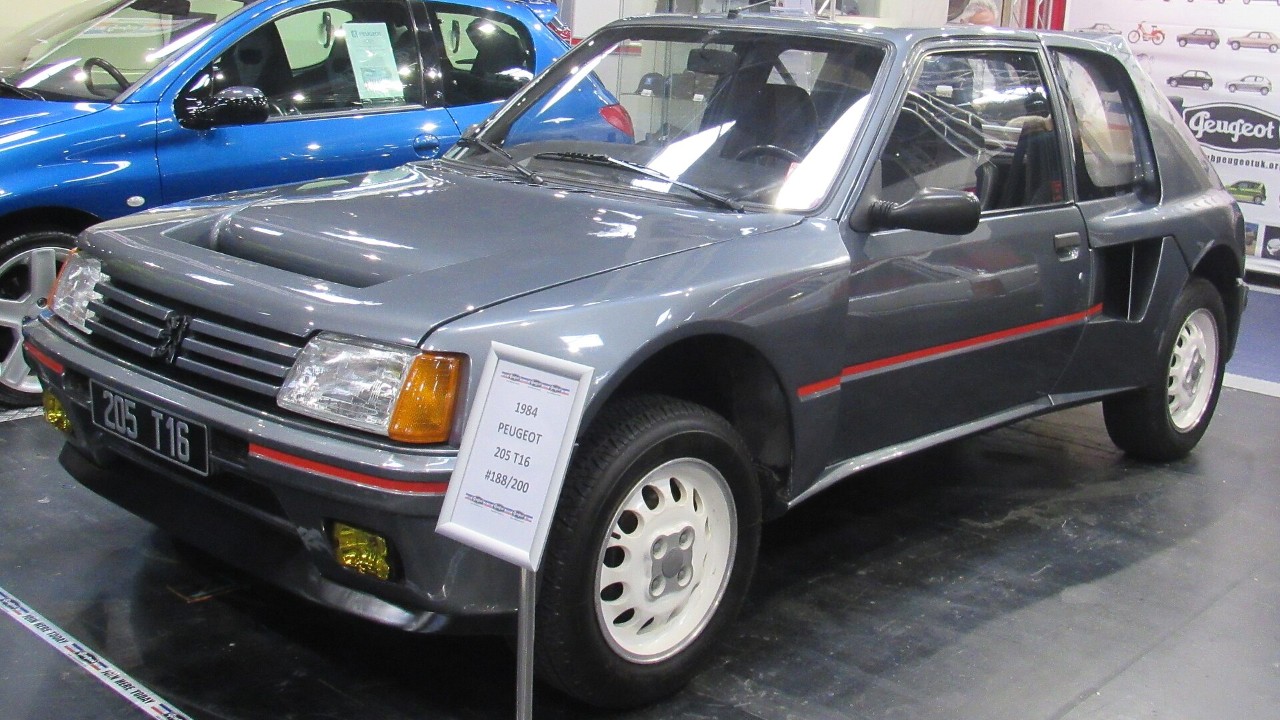
From the outside, the T16 looked like a wide 205 hatchback. Underneath, Peugeot put a turbocharged 1,775 cc four behind the front seats and drove all four wheels. Heuliez modified each standard 205 shell before final assembly, according to RM Sotheby’s.
Peugeot built 200 road cars, rated at 197 hp. For example, the RM Sotheby’s London 2022 catalog for chassis 188 notes that Peugeot first delivered that car in France on November 1, 1984. The same catalog says only five cars left the factory in Pearlescent White. It also quotes 0 to 60 mph in 6.6 seconds and a 137-mph top speed.
5. 1984 Ferrari 288 GTO
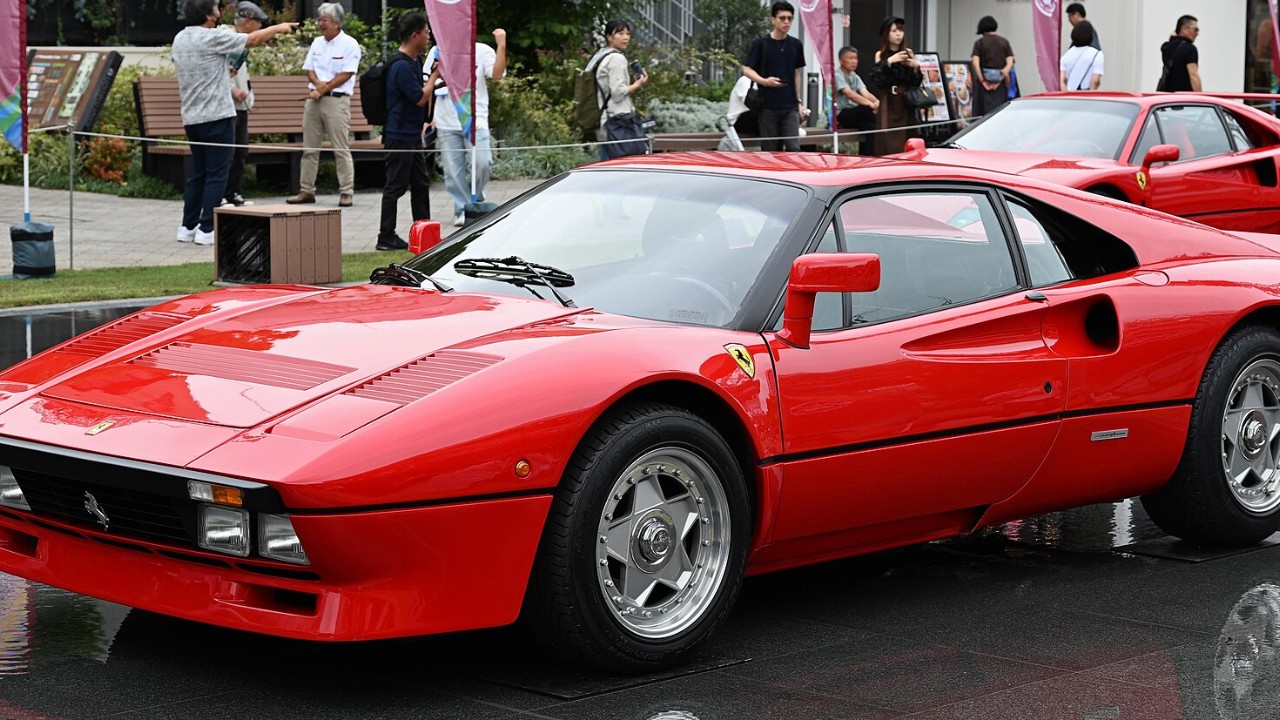
Ferrari built the GTO to qualify for Group B racing. But Group B ended first, so the car never raced in it, says Supercars.net’s 288 GTO profile. Its 2,855 cc V8 used one IHI turbocharger per bank to make 400 bhp. Supercars.net also cites a conservatively rated 189-mph top speed.
Production went past the minimum. Car Bore’s guide to Group B road cars says Ferrari planned 200 examples, but production reached 272. That makes it the largest run on this list.
6. 1985 Lancia Delta S4 Stradale
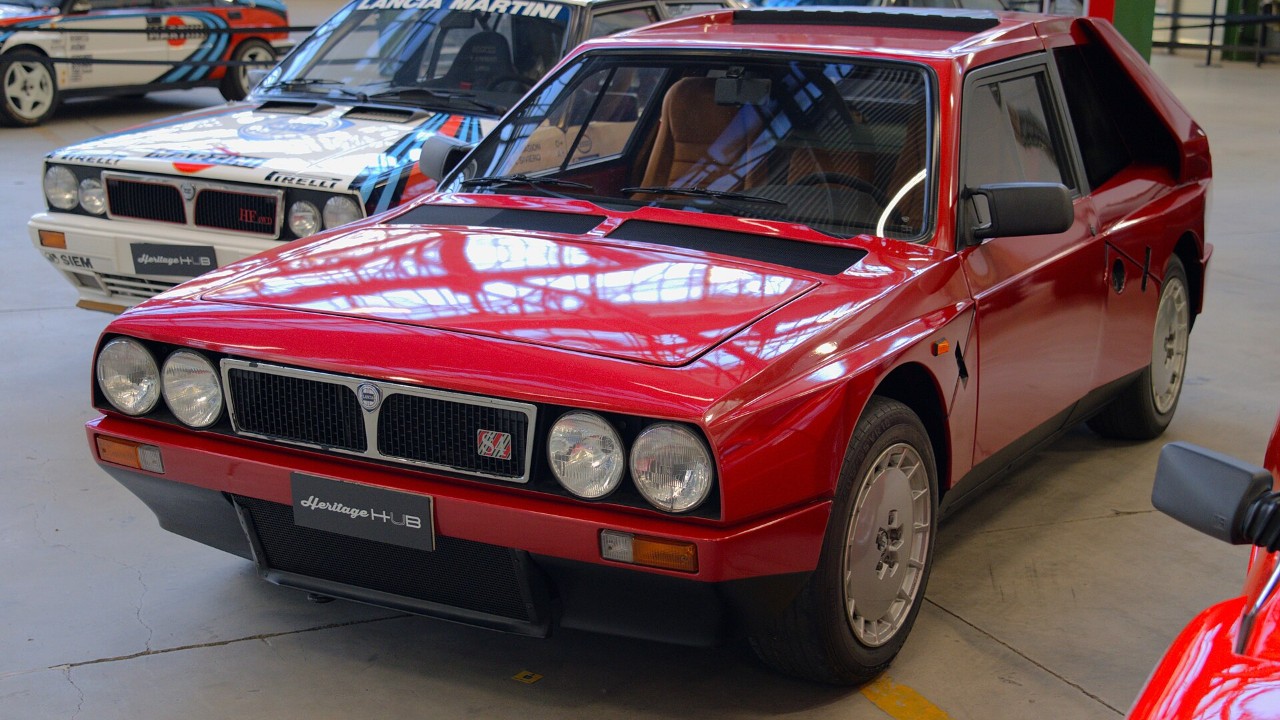
The Delta S4 used both a supercharger and a turbocharger on a 1.8-liter four. In addition, RM Sotheby’s calls it Lancia’s first four-wheel-drive car, with a viscous center differential sending 30% of torque to the front and 70% to the rear. On the road, autoevolution says, Lancia held the engine to 247 hp.
Lancia built 200 Stradales. One rosso car with a tan Alcantara cabin and under 2,200 km from new sold for €1,040,000 at RM Sotheby’s Essen sale in 2019. That result is roughly three times the estimate on the unsold 037 above.
7. 1986 Ford RS200
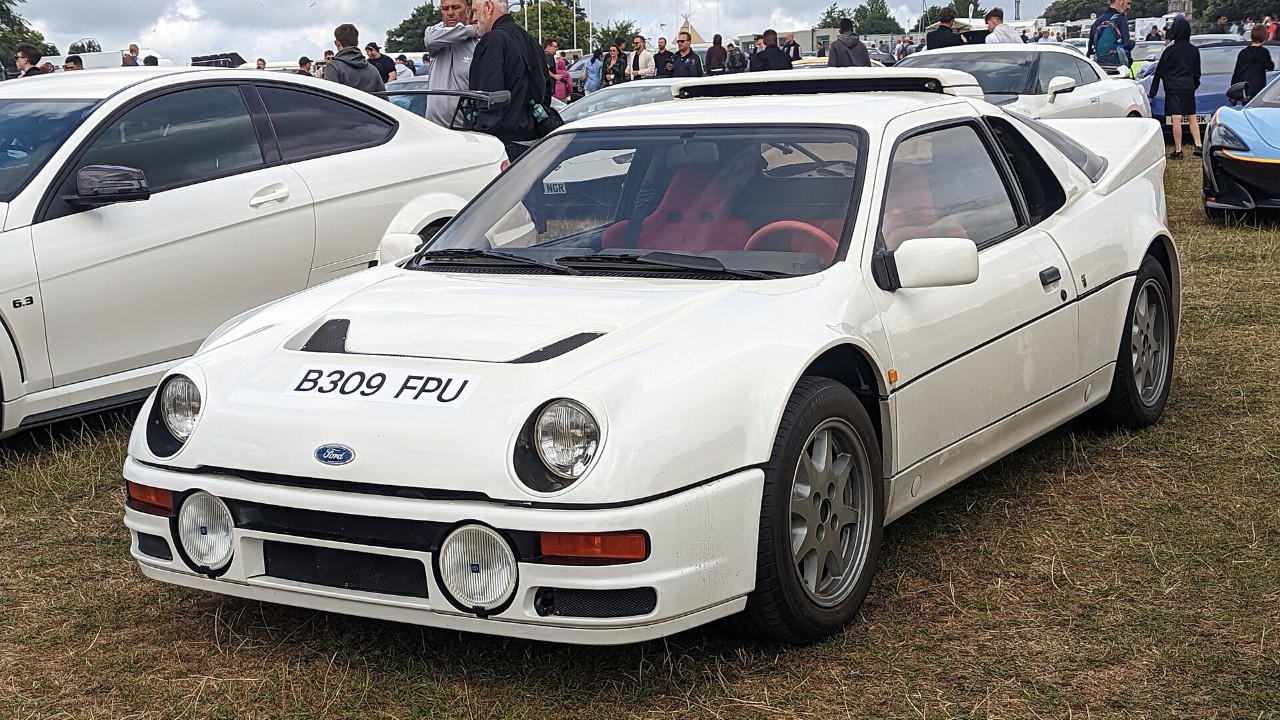
Ford’s car is often described as built by Reliant. In fact, Ford leased an empty ex-Reliant factory at Shenstone and hired some of its former staff. Six prototypes came from Boreham, while workers at Shenstone assembled the other 194, according to Fast Car’s RS200 facts.
Ghia in Turin styled the body, and Reliant’s nearby plant supplied many of the fiberglass panels. The mid-mounted 1,803 cc Cosworth BDT counted as 2,524 cc under the Group B turbo factor. For road use, Ford capped it at 250 hp, says autoevolution. Ford had also planned 20 RS200E evolution cars for 1987 before Group B ended.
8. 1986 Citroën BX 4TC, the Group B homologation special Citroën tried to buy back
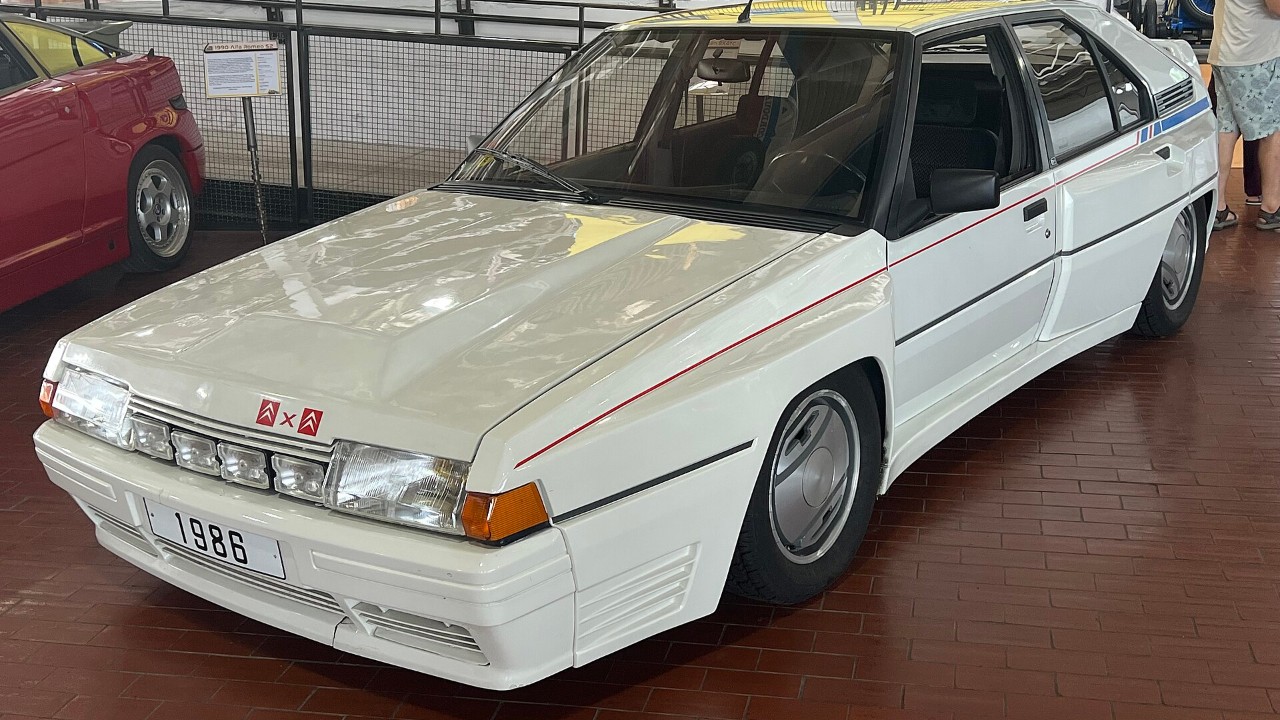
Citroën kept its hydropneumatic suspension and fitted a turbocharged 2.1-liter four rated at 147 kW. However, the rally car entered only three events, with a best finish of sixth, before Group B ended.
The road cars fared worse. WhichCar’s BX 4TC history says Heuliez needed 200 but made only around 110, and just 86 found buyers. Afterward, Citroën offered owners double the original price to buy them back. Then it stripped the cars it recovered and destroyed them.
More from Fast Lane Only