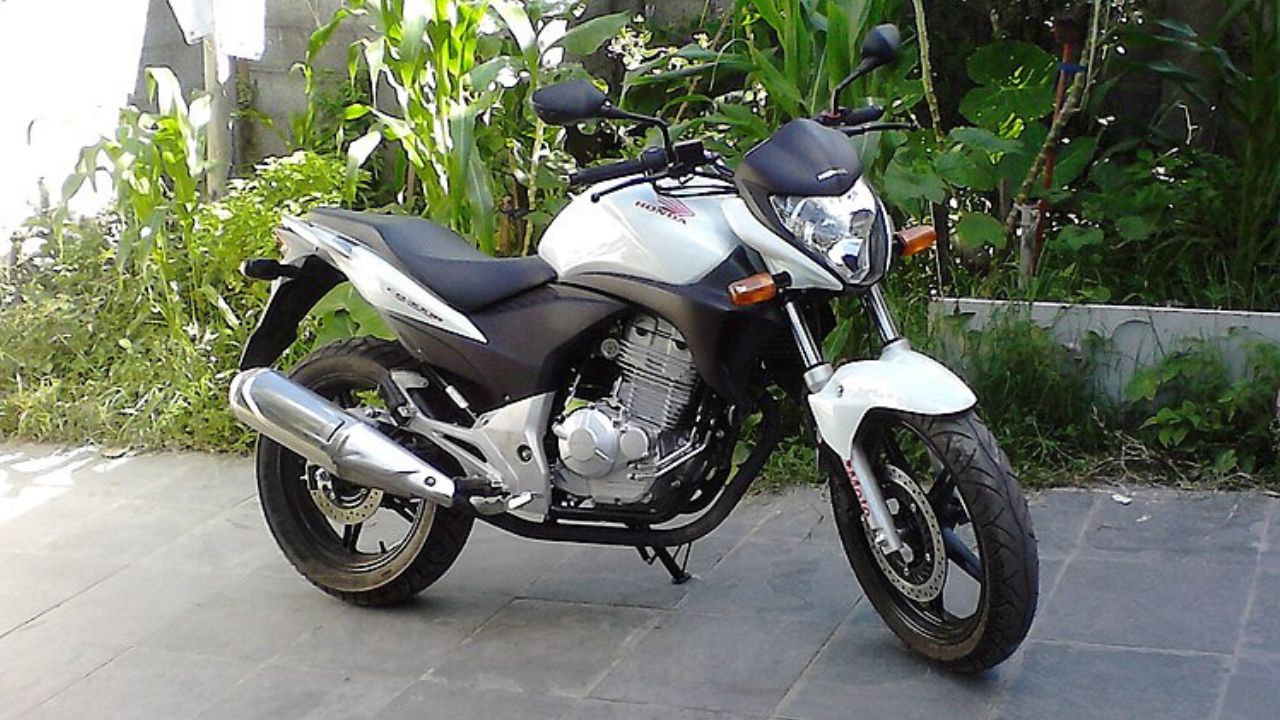
Honda’s CB300R has become a quiet favorite among new riders who want a real motorcycle experience without the weight, complexity, or sticker shock of larger machines. Positioned as a lightweight, budget-friendly naked bike, it aims to bridge the gap between approachable commuter and legitimate enthusiast tool for riders just starting out.
As entry-level motorcycles grow more sophisticated, the CB300R stands out by blending low running costs with modern styling and rider-friendly engineering. For beginners choosing a first bike that can handle both city streets and weekend rides, it offers a mix of usability and character that many small-displacement models struggle to match.
What happened
Honda introduced the CB300R as part of its Neo Sports Café family, a line that reinterprets classic naked standards with sharp, minimalist bodywork and compact proportions. Built around a single-cylinder engine and a slim chassis, the model targets riders who want something more substantial than a scooter but less intimidating than a 600 cc sport bike or large adventure machine.
The CB300R uses a liquid-cooled, single-cylinder engine with a displacement of around 286 cc, paired with a six-speed gearbox. In stock form, it delivers power in a way that favors smooth, predictable response rather than outright speed. Reviewers highlight that the bike’s modest output and linear throttle help new riders focus on core skills such as clutch control, braking, and cornering instead of wrestling with sudden surges of acceleration. Its relatively low curb weight, which sits well below many middleweight motorcycles, further contributes to an easygoing character in slow traffic and tight parking lots.
Honda’s design team built the CB300R on a compact frame that keeps the seat height accessible while still providing enough legroom for average-height riders. A narrow tank and sculpted seat allow shorter riders to reach the ground with more confidence, a key factor for anyone just learning low-speed balance and stop-and-go maneuvers. Combined with upright handlebars, the ergonomics encourage a natural, neutral riding position that works for daily commuting and short highway stretches.
Styling plays a significant role in the CB300R’s appeal. Rather than the plastic-heavy look that often defines entry-level bikes, it adopts a stripped-back aesthetic with exposed frame elements and a distinctive round LED headlight. The design language mirrors larger models in Honda’s lineup, so new riders do not feel like they are on a toy or a temporary machine. The result is a small bike that looks and feels like a scaled-down version of a premium naked rather than a budget compromise.
On the equipment front, the CB300R typically includes features that used to be reserved for more expensive classes. Anti-lock brakes are widely available, and the front brake uses a disc and caliper setup designed to deliver strong but controllable stopping power. The suspension, while simple, is tuned for a balance of comfort and stability, helping absorb rough city streets without feeling vague in corners. A digital instrument cluster provides clear readouts of speed, engine revs, and fuel level, reinforcing the impression that this is a modern, fully formed motorcycle.
Pricing positions the CB300R as an attainable first bike. While exact figures vary by market and year, it generally undercuts many mid-size machines while sitting slightly above ultra-cheap minimalist models. That strategy reflects Honda’s attempt to give beginners an affordable path into motorcycling without stripping away the quality and refinement that the brand’s reputation rests on. For riders comparing options, the CB300R often ends up cross-shopped with other small-displacement nakeds and entry-level sport bikes, but its combination of low weight and premium styling gives it a distinct identity.
Enthusiast coverage has argued that the CB300R deserves a closer look from riders who might otherwise jump straight to larger models. One analysis of the CB300R platform emphasizes how its chassis, engine character, and styling package offer more than the spec sheet suggests, particularly for those who value agility and ease of use over sheer horsepower.
Why it matters
The CB300R’s role in Honda’s lineup matters because the first motorcycle a rider chooses often shapes their long-term relationship with the hobby. A machine that feels intimidating, heavy, or expensive to maintain can push newcomers away after a single season. By contrast, a bike that is forgiving, economical, and fun to ride can turn a tentative experiment into a lasting passion. Honda has a long history of courting beginners with approachable models, and the CB300R represents a modern expression of that strategy.
Weight is one of the most important factors here. Many new riders discover that managing a 400 pound or heavier bike in traffic, on gravel driveways, or during low-speed U-turns can be stressful. The CB300R’s relatively low mass reduces that stress. It is easier to push around a garage, easier to pick up in the event of a tip-over, and more responsive to small steering inputs. That agility translates into greater confidence, which is essential when learning hazard scanning, lane positioning, and emergency maneuvers.
Affordability is the second pillar of the CB300R’s appeal. Entry-level riders often juggle training course fees, safety gear, insurance, and licensing costs. A bike that keeps purchase price and fuel consumption in check makes the total package more realistic. The single-cylinder engine sips fuel compared with larger twins and fours, and routine maintenance tasks such as oil changes, chain adjustments, and basic inspections are straightforward. For riders who commute daily, the running costs can undercut those of a car, especially in urban areas where parking fees and congestion add up.
In the broader beginner segment, Honda has taken a multi-pronged approach. On one end of the spectrum sits the Navi, a tiny, scooter-like motorcycle that blends automatic transmission convenience with playful styling. Coverage of the Honda Navi points out how its step-through ergonomics and simple operation target riders who might otherwise avoid manual-shift motorcycles entirely. The CB300R occupies the next rung up, offering a traditional clutch and gearbox for those ready to learn full motorcycle controls, but in a package that remains unintimidating.
This tiered structure matters because it allows riders to progress at their own pace. Someone might start on a Navi to gain basic road awareness, then move to a CB300R once manual shifting feels less daunting. Others might jump directly to the CB300R if they have prior experience with manual transmissions or if they want a machine capable of highway speeds and longer rides from day one. In both cases, Honda benefits from keeping riders within its ecosystem as their skills and ambitions grow.
From a safety perspective, the CB300R’s modest power output can be an asset. High-performance motorcycles can accelerate to highway speeds in a few seconds, which leaves little room for error when a new rider misjudges throttle input. The CB300R still accelerates briskly enough to keep up with traffic and perform safe passes, yet the engine’s character encourages smooth, measured inputs. Combined with ABS and predictable handling, this reduces the likelihood that a beginner will get overwhelmed by the machine itself while they are still learning to read traffic and road conditions.
The bike’s styling and perceived quality also influence how new riders feel about their choice. Many entry-level models historically signaled their budget status with basic finishes and dated designs. The CB300R breaks from that pattern. By sharing visual cues with larger Neo Sports Café models, it lets a new rider feel like part of the same enthusiast culture as someone on a higher-displacement machine. That emotional connection can matter as much as raw performance when it comes to long-term satisfaction.
There is also an environmental and urban mobility angle. Smaller-displacement motorcycles typically produce lower emissions and consume less fuel than larger bikes and most cars. In congested cities, a light, nimble machine like the CB300R can reduce commute times and parking burdens while using less road space. As municipalities experiment with congestion zones, reduced parking, and other policies to discourage car use, small motorcycles and scooters become more attractive. The CB300R offers an option for those who want that practicality but still value the feel and sound of a traditional motorcycle.
For Honda, the CB300R helps maintain brand loyalty at a moment when younger riders have more alternatives than ever, from electric scooters to app-based mobility services. If a rider’s first positive experience on two wheels comes from a Honda, there is a higher chance that future upgrades, whether to a mid-size CB or a touring machine, will stay within the same brand. Entry-level bikes are not just about immediate sales; they are about planting seeds for a long-term customer base.
The model also illustrates how manufacturers can respond to changing expectations around technology and design. Riders now expect even small bikes to have LED lighting, digital instrumentation, and sharp styling. The CB300R meets those expectations without drifting into excessive complexity that could intimidate beginners or inflate costs. That balance between modern features and mechanical simplicity is likely to influence how other brands update their own starter bikes.
What to watch next
The future of the CB300R and similar models will be shaped by several forces: evolving emissions regulations, the rise of electric motorcycles, and shifting rider demographics. As governments tighten standards for internal combustion engines, manufacturers must either refine small-displacement platforms or pivot toward electrification. The CB300R’s efficient single-cylinder engine is better positioned than larger powerplants to meet stricter rules, but longer-term pressure will still push Honda to consider hybrid or fully electric alternatives in this displacement class.
Electric entry-level bikes are already emerging, offering instant torque and low maintenance at the cost of higher purchase prices and limited range. For new riders, the choice between a small gas bike like the CB300R and an electric equivalent will hinge on charging access, commuting patterns, and upfront budget. Honda’s response in this space will be closely watched. The company has already signaled interest in electric two-wheelers in other markets, and the lessons learned from the CB300R’s success with beginners could inform how it designs an electric counterpart with similarly approachable ergonomics and pricing.
Another trend to monitor is how rider training programs integrate bikes like the CB300R into their fleets. Many schools rely on small, durable motorcycles that can survive repeated drops and hard use. If training providers adopt the CB300R in larger numbers, that would both validate its beginner-friendly reputation and expose more students to the model before they make a purchase. Conversely, if schools favor even smaller or more basic machines, Honda may continue to position the CB300R as a second step after a few months on something like the Navi.
The used market will also shape the CB300R’s role as an entry point. As early production years age, more affordable secondhand examples will appear, making the bike accessible to riders with tighter budgets. A strong supply of used CB300Rs would reinforce its status as a go-to first motorcycle, since beginners often prefer to start on something pre-owned in case of cosmetic damage. Resale values will depend on perceptions of reliability, parts availability, and how well the bike holds up under daily commuting and occasional touring.
More from Fast Lane Only