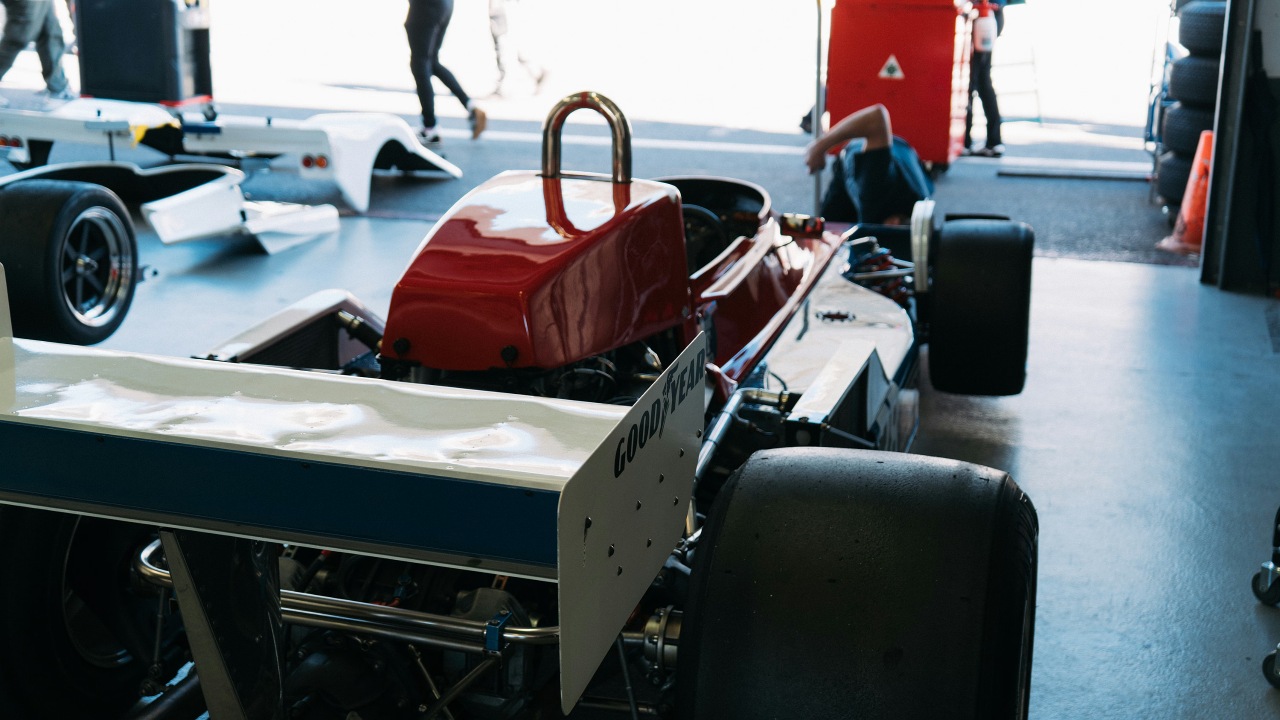
Formula 1 power units sit in a strange sweet spot where race-car engineering, high-end chemistry, and ruthless innovation all collide. Under the carbon fiber bodywork, teams are chasing not just raw horsepower but record-breaking efficiency and reliability, turning every drop of fuel and every degree of heat into lap time. The result is a turbo-hybrid package that behaves less like a traditional engine and more like a rolling energy lab, with combustion science, materials research, and software all pulling in the same direction.
When I look at a modern F1 car, I see a power unit that is as much a chemistry experiment as it is a mechanical masterpiece. The internal combustion engine, electric motors, battery, fuel, and lubricants are tuned together so tightly that a small change in one can ripple through the whole system. That blend of disciplines is exactly what makes these machines such a compelling window into where performance technology is heading next.
The hybrid heart of a modern F1 power unit
At the core of today’s cars is a compact turbo-hybrid system that squeezes astonishing performance out of a tiny footprint. The regulations lock teams into a 1.6-liter V6 internal combustion engine, and that ICE is paired with electric components that harvest and redeploy energy that would otherwise be wasted. Instead of thinking about “an engine,” I think of the power unit as a network of energy flows, with the crankshaft, turbocharger, and battery constantly trading power back and forth to keep the car in its sweet spot.
The hybrid layout is built around two main motor-generator units. One, commonly referred to as the MGU-K, is linked to the crankshaft and recovers kinetic energy under braking before feeding it back into acceleration. The other, described in technical literature as The Motor Generator Unit Heat, sits on the turbocharger shaft and captures exhaust energy that used to disappear out of the tailpipe. In analyses of Current Hybrid Drivetrains in F1, these devices are shown working in concert with the engine, with energy shuttled between the MGU, the battery, and the ICE to keep the turbo spinning and the car on boost even when the driver is off throttle. That is how a relatively small V6 can deliver power levels that used to require far larger engines, while also cutting fuel use.
Thermal efficiency and the materials race
The headline number that always jumps out at me is thermal efficiency. Modern F1 power units convert more than 50% of the fuel’s chemical energy into useful work, a figure that outperforms many combined-cycle power plants. To get there, engineers push combustion temperatures and pressures to extremes that would destroy conventional hardware, then lean on advanced alloys, coatings, and cooling strategies to keep everything alive for a full race distance. The engine is not just burning fuel; it is managing heat as a resource, deciding what to send to the wheels, what to harvest electrically, and what to dump to the atmosphere.
That balancing act only works because the materials and processing behind the scenes are so refined. Teams like Mercedes obsess over every gram and every surface finish, treating the power unit as a stack of interlocking materials problems rather than a single big metal block. In technical breakdowns of Materials and Processing in Mercedes F1 Power Units, the emphasis falls on how Performance is in the Detail, from the way turbine blades are cast to the way cylinder liners are coated. Separate engineering deep dives point out that one big contributor to heat in an engine is friction, and that a lot of effort has gone into optimizing materials, clearances, and lubricants so that friction losses are trimmed by even a few extra percent. When you are chasing tenths of a second, those marginal gains add up fast.
Combustion chemistry, fuels, and lubricants
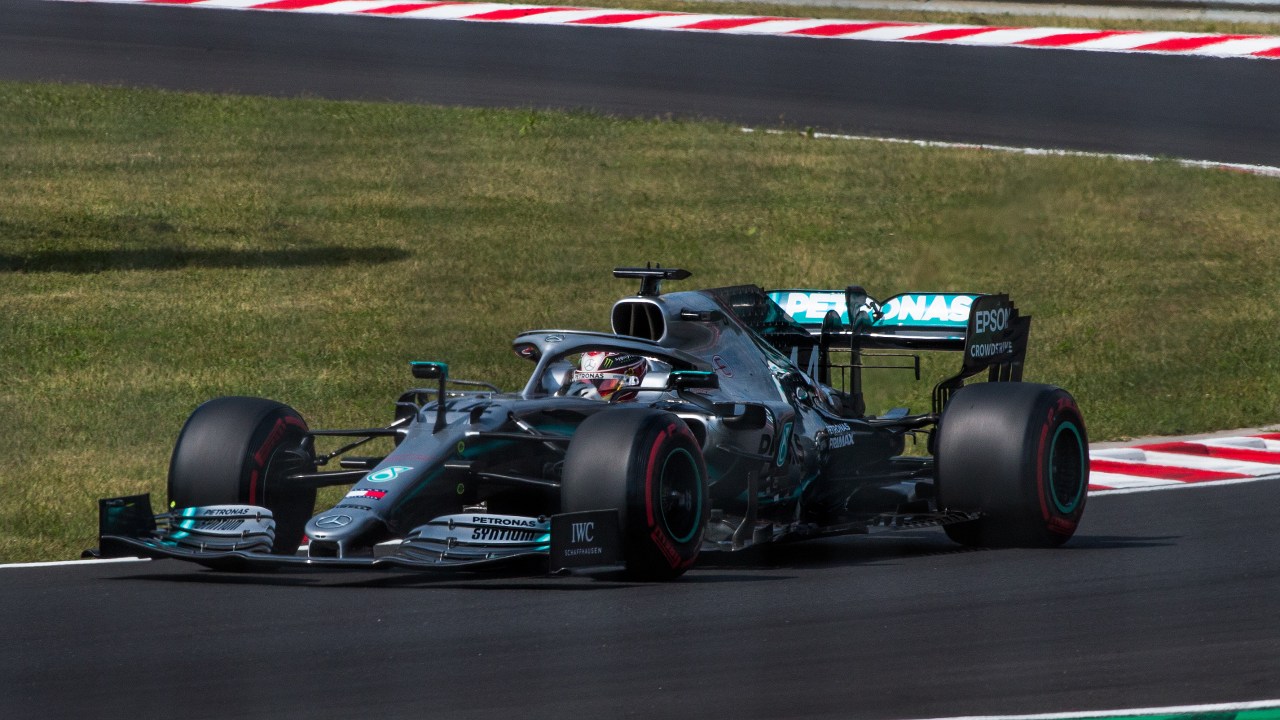
If the hardware is the skeleton of an F1 power unit, the chemistry is its bloodstream. The fuel that goes into the tank has to look a lot like what you can buy at a road pump, because The Formula 1 technical regulations insist that race fuels stay close to commercial gasoline. Inside that tight box, though, fuel chemists play with molecular blends, volatility, and additives to shape how the flame front moves across the combustion chamber. Technical explainers on racing fuel chemistry stress that Understanding the basics of octane, burn speed, and knock resistance is essential for engines that run at extreme compression and boost, because the wrong mixture can turn a power unit into scrap in a fraction of a second.
The same story plays out with lubricants, which quietly do as much performance work as the fuel. In one team’s description of how its oil package works with a Red Bull RB16B, the engineers frame Internal combustion engines as energy conversion devices that need oil not just to reduce friction but to carry heat away and keep surfaces separated under brutal loads. McLaren’s own breakdown of how fuels and lubricants enhance F1 performance notes that the oil cools more than 300 moving components and survives forces more than 8,500 times greater than the force of gravity. That is a chemistry problem as much as a mechanical one, because the base oil and additive package have to maintain viscosity, resist foaming, and avoid breaking down under shear, all while staying compatible with seals, coatings, and fuel.
Smart combustion and energy recovery tricks
Once you have a robust fuel and oil package, the next frontier is how you burn that mixture and what you do with the resulting energy. Some of the most interesting innovations sit inside the combustion chamber itself. One widely discussed Mercedes trick splits the fuel and air mix into two places, with a weak mixture in the main chamber and a richer pocket near the spark plug. That richer zone ignites first, then propagates through the leaner mixture, giving a fast, stable burn without the knock risk that usually comes with high compression and boost. It is a neat example of how combustion chemistry and fluid dynamics get weaponized for lap time.
On the electrical side, the energy recovery system is one of the sport’s most innovative developments, turning the power unit into a hybrid generator under braking and on the straights. Technical explainers on the modern Formula 1 power unit describe how the MGU-K harvests kinetic energy when the driver slows, while the MGU-H on the turbocharger shaft captures exhaust heat and either feeds it to the battery or uses it to keep the turbo spinning. That second path is crucial, because it lets teams run smaller, more efficient turbos without the lag that would normally plague such setups. The result is a car that can deploy electric power strategically out of corners, while also using harvested energy to smooth out the torque curve and keep the ICE in its most efficient operating window.
Data, sensors, and the invisible chemistry lab
From the outside, all of this looks like a driver mashing a throttle pedal and hoping for the best. Inside the garage, it is a constant loop of measurement and analysis. Engineers in F1 teams work across mechanics, electronics, data analysis, and aerodynamics, and the power unit sits at the intersection of all four. Detailed reporting on how these groups operate notes that sensors feed a torrent of data into the garage so that the team can be sure the engine is running at its best. Temperatures, pressures, vibration signatures, and fuel flow are all monitored in real time, then compared against models to spot tiny deviations that might hint at detonation, oil aeration, or a cooling issue.
That sensor network effectively turns the car into a rolling chemistry and physics lab. Discussions among technically minded fans and engineers often highlight how much of the job is about keeping materials and fluids within their safe windows, maintaining integrity and structure throughout a race distance. If a lubricant starts to shear down or a fuel blend behaves slightly differently with track temperature, the data will show it, and the team can adjust engine modes or cooling to compensate. The power unit is no longer a black box; it is a transparent system that can be tuned corner by corner, lap by lap.
From race track innovation to road car tech
For all the exotic acronyms and bespoke parts, the technology inside an F1 power unit does not stay locked in the paddock. The same research that lets a V6 Configuration engine survive a full Grand Prix at sky-high efficiency is already filtering into road-going hybrids and performance cars. Engineering explainers on Formula 1 hardware point out that the V6 layout, turbocharging strategies, and energy recovery concepts are directly relevant to how modern plug-in hybrids and downsized turbo engines are designed. When a manufacturer learns how to convert exhaust heat into electrical energy efficiently in a race car, it is only a matter of time before that know-how shows up in a high-end sedan or SUV.
The broader evolution of F1 powertrains also mirrors the industry’s push toward lower emissions and smarter energy use. Comparative studies of Tradit combustion engines and modern hybrid power units in the sport underline how far things have shifted, from simple fuel-hungry V10s to tightly integrated hybrid systems that treat every joule of energy as something to be captured and reused. Academic work on the Pro-Ecological Evolution of Powertrains and Fuels in Formula 1 tracks how the interplay between the MGU-K, the MGU-H, and the ICE has become a template for efficient high-performance drivetrains Up Until the current rules cycle. When I watch a car streak down a straight now, I am not just seeing speed; I am seeing a live demonstration of how engineering, chemistry, and innovation can be fused into a single, brutally effective machine.
More from Fast Lane Only: