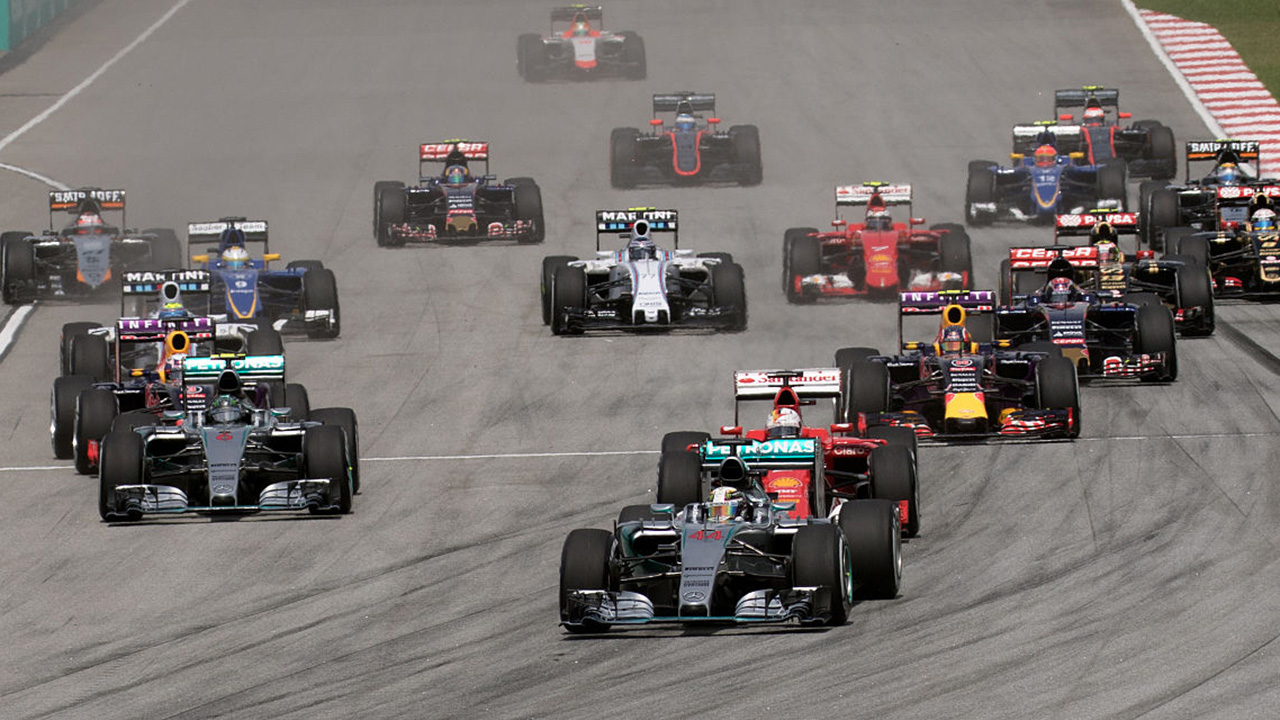
Formula One’s cameras may obsess over the leaders, but the real chaos, creativity and occasional existential crisis usually happens a little further back. The fight in the middle of the pack is where strategies collide, egos bruise and a single point can feel like a championship. That is why the scrap in the heart of the grid so often produces the sharpest, most unpredictable racing on any given Sunday.
While the frontrunners chase titles, the midfield turns every lap into a job interview, a science experiment and a bar fight, all at once. The gaps are tiny, the budgets are tighter and the stakes are weirdly personal, which is exactly what makes those battles so compelling to watch.
The midfield is closer, hungrier and permanently offended
From my seat on the sofa, the first reason the midfield delivers such good racing is brutally simple: the cars are closer in performance, so the drivers are forced to actually race each other. At the front, a dominant package can turn a grand prix into a high-speed parade, but further back the spread between teams is often measured in a couple of tenths, not half a second. Reporting on the current competitive picture notes that the central pack is bunched more tightly than in previous seasons, with several teams separated by tiny margins in qualifying and race trim, which naturally breeds overtakes, defensive heroics and the occasional divebomb that should probably come with a legal disclaimer.
That compressed performance window also means the midfield is stacked with storylines. Analyses of recent seasons highlight how outfits like Haas, Alpine and Aston Martin have traded blows for points, prize money and, frankly, pride, with each weekend reshuffling who looks like a future giant and who looks like a future PowerPoint slide in a restructuring meeting. When the difference between eighth and twelfth is a single bold move into Turn 1, drivers fight as if their careers depend on it, because in that part of the grid, they often do.
Every upgrade is a plot twist, not a footnote
If the front of the field is about perfection, the midfield is about improvisation. Teams in this zone live in a permanent development sprint, chasing a “key couple of tenths” that can flip their entire season. Reporting on the current technical arms race describes how these squads arrive at each race with new floors, wings or sidepod tweaks, all in the hope of jumping two or three rivals in one go. When the pack is this tight, a successful update is not just a marginal gain, it is a new chapter in the championship’s B‑story.
That frantic upgrade culture turns every weekend into a live A/B test. One detailed look at the midfield notes how even small changes can move a team from clinging to the back of the points to sniffing around the podium places, especially when development momentum snowballs across several events. I see that play out as sudden surges in form, like a car that was anonymous in the early rounds suddenly muscling into Q3 and bullying its way into sixth place. The front of the grid might be locked in by the time the season settles, but in the middle, the technical order is constantly shuffling, which keeps the racing fresh and the narrative deliciously unstable.
Strategy roulette turns ordinary laps into knife fights
Then there is the strategic chaos, which is where the midfield really earns its popcorn. When you are not blessed with the fastest car, you have to be braver with pit calls, tyre choices and undercuts that border on reckless optimism. Coverage of recent races at high-wear circuits like Silverstone points out how teams in this bracket can win their private war through smart timing alone, using aggressive stops and opportunistic tyre switches to vault several rivals in one swoop. With Silverstone’s combination of heavy degradation and unpredictable weather, for example, midfield squads have turned bold strategy into their main weapon, gambling on safety cars or rain clouds while the frontrunners play it safe.
That willingness to roll the dice is not just tactical flair, it is survival instinct. Analyses of the current competitive landscape describe how these teams know that a conservative call usually means finishing exactly where they started, which is not great news when you begin the day in thirteenth. So they stretch stints, split strategies between their drivers and occasionally bolt on a tyre compound that looks like a dare. The result is a constant churn of undercuts, overcuts and “what on earth are they doing” moments that only make sense ten laps later when the timing screens light up and a car that looked doomed suddenly appears in the points.
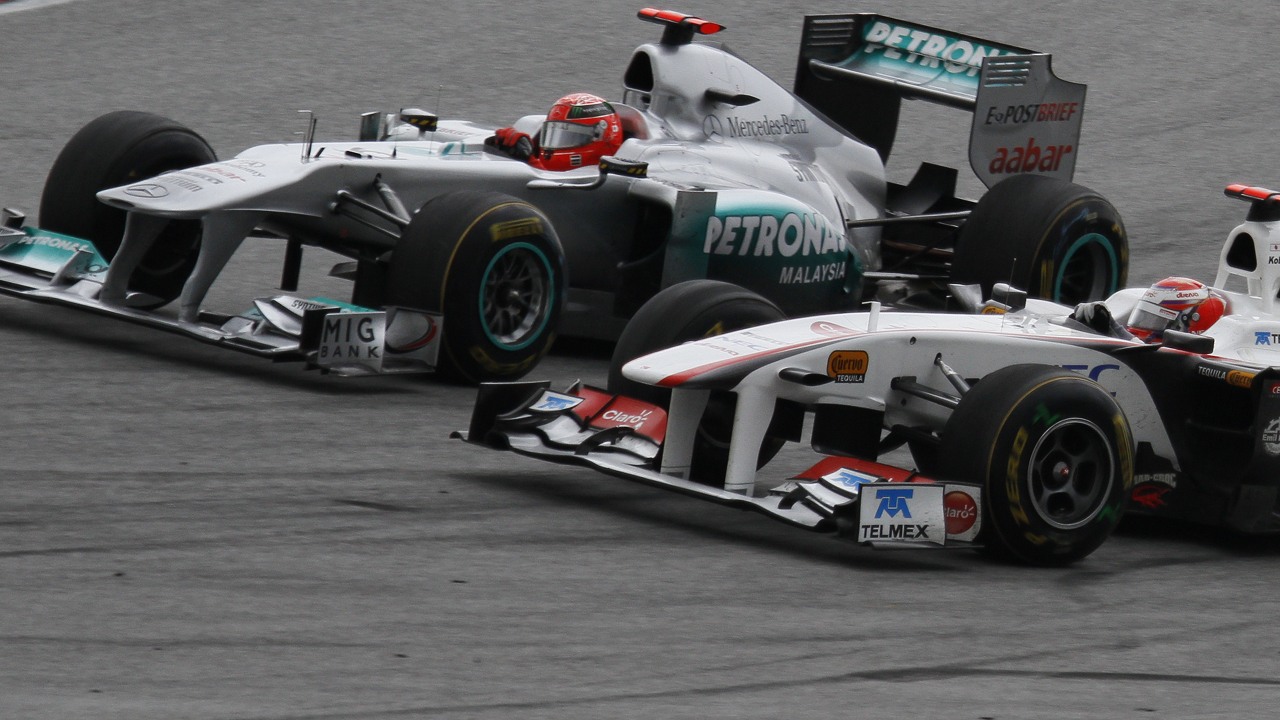
The psychology of the middle makes every point feel like a trophy
What really hooks me, though, is the psychology. Drivers and teams in the midfield live in a strange limbo, too far from the front to fight for titles, yet too good to accept anonymity. A recent deep dive into the mindset of this group describes how Formula One is defined in the public eye by the front-runners, while those in the middle grind away for smaller rewards and even smaller headlines. That creates a constant tension between ambition and reality, a sense that every chance to score must be seized because the next one might not come for several races.
Within that pressure cooker, the emotional stakes of a simple overtake are wildly amplified. The same analysis notes how these teams have to capitalise on every upgrade package and every favourable weekend, because their windows of competitiveness are narrow and unpredictable. When a driver in that situation throws a move down the inside for ninth place, it is not just about ego, it is about validating months of development work and justifying the faith of hundreds of people back at the factory. That is why radio messages from the midfield often sound like a mix of relief, disbelief and mild therapy session when a car drags itself into the top ten.
Fans know where the real chaos lives
There is also a growing recognition among fans that the most entertaining action usually sits a few cars behind the leaders. In community discussions about where the sport’s focus should be, supporters point out that you are bound to get more jostling for positions in the midfield simply because there are more cars, more pace variations and more desperation in play. One widely shared comment summed it up neatly, arguing that while the front of the grid naturally draws attention, the real wheel-to-wheel drama tends to erupt in the thick of the pack, where nobody can afford to back out.
That sentiment lines up neatly with broader analysis of recent seasons, which has argued that even in years dominated by a single team, the scrap behind has kept the spectacle alive. Pieces examining the so‑called “F1.5” era, when the top three were in a different postcode, noted that the actual racing often came from the midfield, where cars were close enough to fight and the hierarchy shifted from track to track. When I watch a race now, I find myself doing what many fans quietly admit they do: glancing at the battle for the lead, then locking my eyes on the timing tower around positions five to fifteen, where the gaps are tiny and the chaos is guaranteed.
Unpredictability is the point, not a bug
All of this adds up to a simple truth: the midfield is where unpredictability is baked into the product. A detailed look at how the current season’s central pack has unfolded describes a constant ebb and flow, with different teams emerging as “best of the rest” depending on circuit layout, temperature and how well their latest upgrades actually work outside the wind tunnel. That volatility means you can tune in with no idea whether a given team will be fighting for fifth or flailing in fifteenth, which is exactly the kind of uncertainty that keeps a long season from feeling like a foregone conclusion.
Even the people inside the paddock acknowledge that this is where the sport’s week-to-week drama lives. Analyses of the ongoing development race highlight how midfield outfits treat every event as a chance to reset the pecking order, knowing that a strong weekend can transform their narrative and their balance sheet. When the front of the grid is locked in by a dominant package, it is this rolling, unpredictable brawl in the middle that keeps the championship emotionally alive. As a viewer, I might tune in for the big names at the front, but I stay for the messy, glorious, point-scrapping theatre that plays out just behind them, lap after lap.
More from Fast Lane Only: