Modern Formula 1 power units turn a brutally strict rulebook into a physics experiment that borders on science fiction. With tiny 1.6‑liter engines, capped fuel flow and tight component limits, teams are still extracting well over 1,000 horsepower while using less fuel than some family hybrids. The secret is not one magic trick, but a layered system of combustion, turbocharging and electric recovery that squeezes usable work out of energy that road cars simply throw away.
The brutal constraints that shape an F1 power unit
When I look at a current Formula One power unit, the first thing that jumps out is how much performance is being forced through a very narrow regulatory pipe. The internal combustion engine is limited to 1.6 liters, fuel flow is tightly controlled and the architecture is locked into a V6 hybrid template, yet teams still hit four‑figure outputs that rival top‑end hypercars. Reporting on modern powertrains notes that contemporary units pair a compact internal combustion engine with electric motors in a single integrated package, a layout that lets engineers chase efficiency and power at the same time rather than trading one for the other in the way older racing engines had to do.
Those constraints are not just about spectacle, they are about efficiency. Technical analysis of current cars points out that Formula 1 power units now reach around 52% thermal efficiency, compared with 40% for a Toyota Prius, which is already considered a benchmark hybrid on the road. That means more than half of the chemical energy in the fuel is turned into useful work at the crank and through the electric systems, a staggering leap from the single‑digit efficiencies of early internal combustion designs like the engine built by Nicolaus Otto, whose pioneering unit operated at a fraction of today’s conversion rates. Over roughly 70 years of Formula One competition, that relentless pressure has turned the rulebook into a forcing function for efficiency.
Combustion at the edge of what metal can survive
To understand how these engines hit such numbers, I start with the internal combustion engine itself, because it is still the beating heart of the system. Technical breakdowns of Formula power units describe a highly boosted V6 that spins to extraordinary speeds, with design choices like compact combustion chambers, ultra‑precise fuel injection and aggressive ignition timing all tuned to extract as much work as possible from each droplet of fuel. Historical context on Formula One engines shows how advances in materials, lubrication and valvetrain design, including pneumatic valve springs, have allowed these engines to operate at extremely high rpm without valve float, keeping airflow and combustion stable even as the crankshaft speed surges and falls lap after lap.
What really excites me is how little energy is allowed to escape unused. Earlier generations of road‑car internal combustion engines relied on wastegates that simply bled off exhaust gas once a target pressure was reached, dumping potential work straight into the atmosphere. By contrast, modern Formula 1 units route that exhaust through a turbocharger that is deeply integrated with the hybrid system, and detailed explanations of the layout describe how the turbocharger uses the engine’s exhaust gases to spin a turbine that can reach up to 125,000 rpm. Instead of treating that spinning mass as a side effect, engineers have turned it into a controllable energy source that feeds both the compressor and the electrical system, tightening the loop between combustion and recovery.
Turbocharging, the MGU‑H and the art of not wasting exhaust
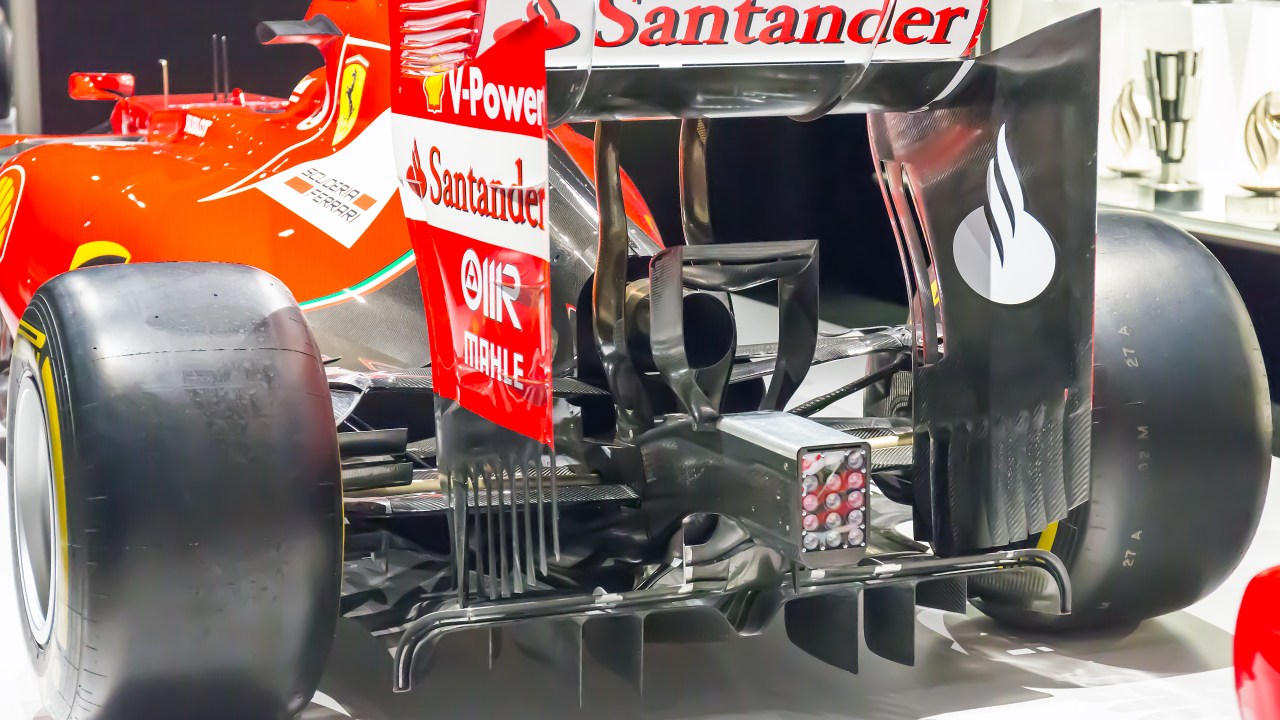
The turbocharger and its companion hybrid hardware are where I see the rulebook’s tightness turning into a creative playground. In a conventional road car, the turbo is mostly a passive device, driven by exhaust flow and kept in check by a wastegate. Technical commentary on everyday internal combustion engines notes that a wastegate valve is installed before the turbine to limit maximum exhaust pressure, which means that once the target is hit, extra energy is simply discarded. In the Formula 1 layout, that is not acceptable. Instead, the turbine is coupled to an electric machine known as the MGU‑H, which can operate as both a generator and a motor, turning the turbocharger into an actively managed energy hub rather than a one‑way pump.
When I follow the energy path through that system, the elegance becomes obvious. Under heavy load, the MGU‑H harvests power from the spinning turbine, converting exhaust energy that would otherwise be wasted into electricity that can be stored or sent directly to the other hybrid components. Under low load or during transient throttle events, the same unit can work as a motor, feeding energy back into the turbocharger to keep it spinning and reduce lag. Technical explainers describe how the MGU‑H can work as an engine, giving energy to the turbocharger so extra air flows into the internal combustion engine and more fuel can be burned efficiently without waiting for exhaust pressure to build. In effect, the car is constantly arbitraging between exhaust flow, boost pressure and electrical demand, using software and mechatronic control to make sure no useful joule slips through the cracks.
MGU‑K, batteries and mechatronic brains
If the MGU‑H is the exhaust whisperer, the MGU‑K is the part of the system that I think of as the car’s kinetic accountant. Mounted on the crankshaft or gearbox, it harvests energy under braking and feeds it into a high‑density battery, then pays that energy back out under acceleration as a powerful electric assist. Analyses of Formula One power units note that the combined output of the internal combustion engine and the electric motors can reach up to and over 1000 hp, with the MGU‑K contributing a significant slice of that total during deployment phases. That electric shove is not just about straight‑line speed, it also lets engineers trim the combustion engine’s workload, keeping it in its most efficient operating window more of the time.
Coordinating all of this in real time is a mechatronic control system that would look at home in an aerospace lab. Engineering overviews of Mechatronic systems in F1 racing describe how integrated electronics, sensors and actuators manage the powertrain and energy management systems, with the hybrid units, turbocharger and internal combustion engine all treated as parts of a single, tightly coupled machine. With the right software, the car can decide corner by corner how much energy to harvest, how much to deploy and where to route it, optimizing power delivery and fuel efficiency simultaneously. That orchestration is what lets a driver lean on full power out of a slow hairpin while still hitting fuel targets over a race distance, a balancing act that would be impossible with mechanical systems alone.
Why this efficiency matters far beyond the grid
For me, the most compelling part of this story is how much of it is already bleeding into the cars we actually drive. Technical features on Formula 1’s broader impact point out that the pursuit of higher thermal efficiency in racing has translated into more frugal road engines, from downsized turbocharged units to smarter hybrid control strategies. When a Formula power unit hits around 52% thermal efficiency compared with 40% for a Toyota Prius, it is not just a bragging right, it is a proof of concept that the same physics can be harnessed in more affordable, mass‑market hardware once costs and durability are brought into line.
That transfer has been happening for roughly 70 years, ever since the earliest days of Formula One pushed teams to experiment with everything from materials to aerodynamics and electronic technology. Today’s hybrid power units sit at the sharpest end of that process, showing how a small, tightly regulated engine can outperform much larger units by treating every part of the energy chain as an opportunity rather than a loss. When I watch a car streak down a straight, I am not just seeing speed, I am seeing a live demonstration of what is possible when combustion, turbocharging, electric recovery and mechatronic control are all tuned to the same goal: extracting the absolute maximum from every drop of fuel without breaking the rules that keep the competition honest.
More from Fast Lane Only: