Formula 1 has always been a sport of fine margins, yet every so often a driver and car combination blows those margins apart and rewrites what dominance looks like. From crushing win percentages to title-clinching streaks that leave rivals fighting for scraps, the most overwhelming campaigns do more than fill record books, they reset expectations for what is even possible in a season.
When I look across eras, from early masters to modern data-driven juggernauts, a clear pattern emerges: the greatest seasons are not just about speed, they are about sustained control over an entire championship. The most dominant years in F1 history bend statistics, warp competitive balance and, for better or worse, define how we remember generations of drivers and cars.
Max Verstappen and the RB19 redefine total control
Max Verstappen’s 2023 campaign is the modern benchmark for domination, a season where the outcome of most Sundays felt inevitable long before the lights went out. Across 22 races, Verstappen won Nineteen of them, a staggering hit rate that turned the championship into a weekly exercise in measuring the gap to second place rather than the gap in points. That run did not just look overwhelming on television, it shattered a 71-year record for single season supremacy, with Verstappen converting an unprecedented share of his starts into Victories and turning the World Championship fight into a formality long before the finale.
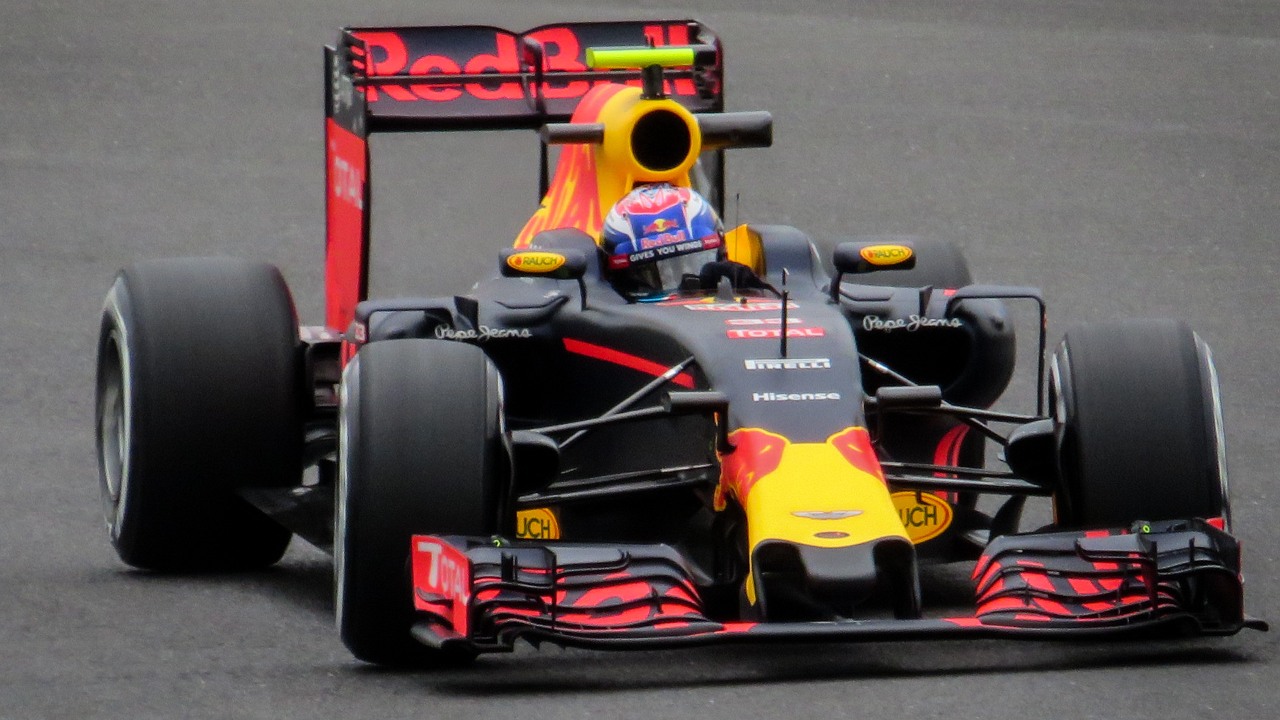
The raw numbers behind that year are almost surreal. In the list of drivers with the most wins in a single season, Verstappen sits on top with 19 wins in 2023, a figure that no one else has matched according to detailed tallies of single-season wins. That dominance was powered by Red Bull’s RB19, a car widely regarded as the most crushingly effective machine the sport has ever seen. Analyses of the greatest F1 cars rank the Red Bull RB19 at number one, crediting it with a sensational haul of victories and describing it as the most dominant F1 car of all time, a verdict echoed in technical breakdowns of How Red Bull built the RB19 and its unmatched Wins across the Races of that season.
Why 2023 stands apart from every other F1 season
Plenty of champions have strung together impressive streaks, but Verstappen’s 2023 season with Red Bull Racing sits in its own category because it combined individual brilliance with a level of team execution that suffocated the rest of the grid. Verstappen arrived as a two-time World Champion, yet the step he took that year turned him from title winner into a driver who effectively controlled the entire competitive landscape. Detailed season retrospectives describe how Verstappen, already a multiple title holder with Red Bull Racing, elevated his game to a level where the only real suspense most weekends was how large the winning margin would be.
The team’s dominance was just as stark. Across the 22 rounds, Red Bull F1 won 21 races, with Verstappen personally taking Nineteen of them, a combination that pushed the boundaries of what a single outfit can achieve in a season. Season reviews underline how those 21 wins in 22 starts for Red Bull and Nineteen for Verstappen, also referenced as Max Verstappen, surpassed all previous benchmarks for a single campaign. When I stack that against historical records for most wins in a season and the percentage of races converted into victories, no other year combines such a high win count with such relentless consistency, which is why 2023 so often tops lists of the most overpowering seasons in Formula 1 history.
Historic juggernauts: from Clark to Schumacher and Hamilton
As overwhelming as the Verstappen and RB19 era feels, it sits on a foundation built by earlier giants who defined what dominance meant in their own time. Jim Clark’s 1963 season, for instance, is frequently cited in historical comparisons as an early gold standard, with Clark winning a huge share of the Grands Prix he entered and setting a template for a driver who could disappear up the road while everyone else fought behind. Modern discussions of the most overpowering campaigns routinely place Clark’s 1963 alongside Verstappen’s 2023 in shortlists of the most untouchable years, with detailed breakdowns of historic seasons highlighting how far ahead of the field Clark operated in that era.
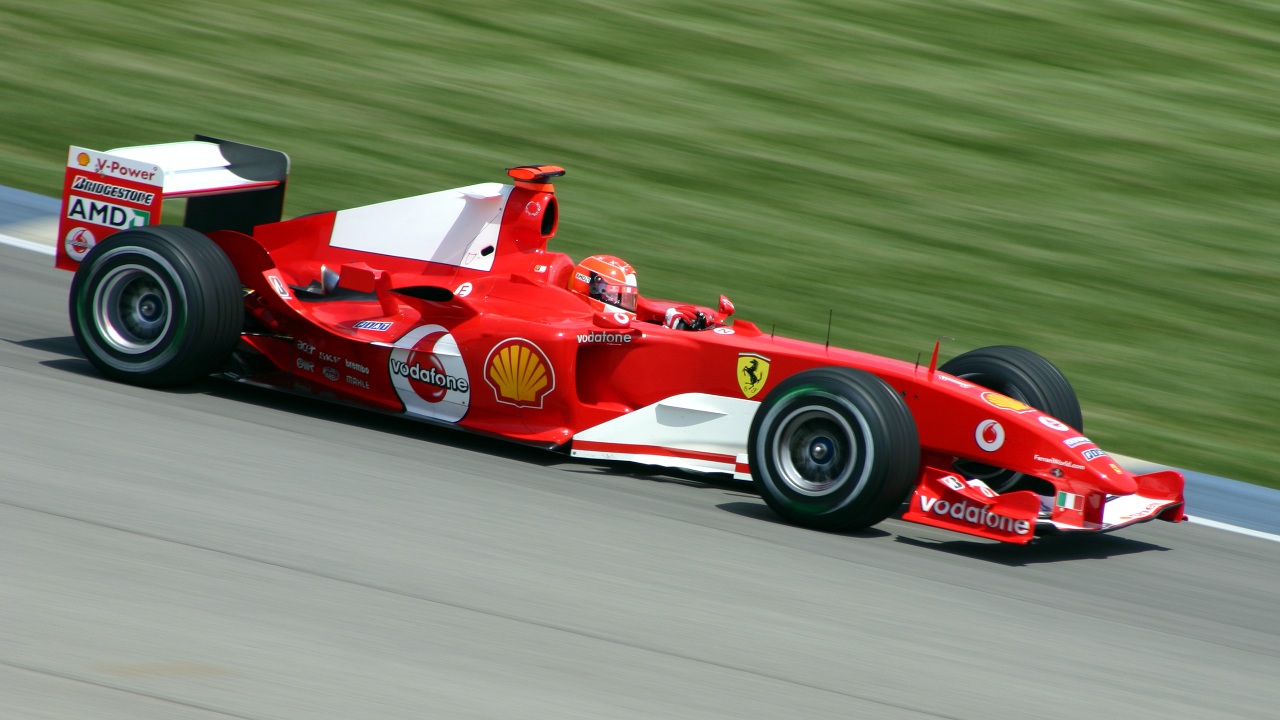
Later, Michael Schumacher and Lewis Hamilton turned dominance into a long-term project, stacking titles and records over extended stretches rather than single outlier years. Both drivers share the record for the most Formula 1 World Championships, with sources listing Lewis Hamilton and Michael Schumacher together at the top of the all-time table. Their best seasons featured towering win totals, relentless podium streaks and title-clinching margins that left rivals demoralized. When I weigh their peak campaigns against Verstappen’s 2023, the difference is not that Schumacher or Hamilton lacked dominance, it is that the statistical ceiling for what a single season can look like has been pushed even higher in the current era.
The cars that made domination possible
Every legendary season is built on a car that gives its driver the platform to turn talent into trophies, and some machines have become as iconic as the champions who drove them. The Red Bull RB19 is the clearest modern example, routinely ranked as the most dominant F1 car of all time after racking up a sensational tally of wins and setting new standards for efficiency, tyre management and straight-line speed. Technical deep dives into How Red Bull engineered the RB19 describe how its Car concept, refined over the Year, translated into Wins across the Races that left competitors scrambling for answers.
Historic rankings of the greatest F1 cars also spotlight earlier machines that underpinned dominant seasons, from turbo-era monsters to ultra-refined hybrids. Lists of the top 10 F1 cars of all time place the Red Bull RB19 at number one, but they also celebrate designs whose Legacy rests on how they crushed championships and reshaped the technical rulebook. Analyses of the most dominant cars and broader rundowns of the 10 Best Cars in F1 History, which explicitly weigh Legacy and how these cars are famed today, show that the sport’s most overpowering seasons are inseparable from the engineering leaps that made them possible.
Dominance by the numbers: win rates, records and margins
Strip away the narratives and the clearest way to compare dominant seasons is through cold, unforgiving numbers. Constructor statistics reveal just how rare it is for a team to win the majority of races in a year, let alone nearly all of them. Tables tracking Percentage wins for each Constructor show how few outfits have ever approached the kind of strike rate Red Bull achieved with the RB19, with historical benchmarks like Brawn in 2009 standing out as rare spikes in an otherwise more balanced competitive landscape. When I line up those Percentage figures against the 21 wins in 22 races for Red Bull in 2023, the scale of that season’s dominance becomes even clearer.
Individual records tell a similar story. Beyond Verstappen’s 19 wins in a single season, F1’s record books are packed with benchmarks that illustrate just how far the limits have been pushed. Lists of the most incredible F1 records highlight everything from the Fastest laps to the most crushing points margins, including a reference to a lap where His time of 1m 18.792s at Monza beat the previous best set by Lewis Hamilton by 0.095s, a reminder of how tiny gains can translate into huge advantages over a season. Compilations of Fastest records and season-long points gaps, along with detailed tables of most wins in a season and Percentage wins for each Constructor, show that while dominance has always existed in Formula 1, the Verstappen and RB19 era has stretched those numbers into territory that would have seemed unthinkable even a decade ago.
More from Fast Lane Only: