Federal rules did not just clean up American air and save lives in the 1970s, they also rewrote what a Chevrolet Camaro could be. As safety, emissions and fuel economy standards tightened, the car that had launched as a raw pony car was quietly reengineered into something heavier, cleaner and often slower, even as its basic silhouette stayed familiar to buyers.
I see the second-generation Camaro as a case study in how regulation can redirect a performance icon without killing it outright. From bumper mandates to the Clean Air Act and Corporate Average Fuel Economy targets, the Camaro’s evolution across that decade shows how engineers, insurers and lawmakers ended up sharing the driver’s seat.
From freewheeling pony car to regulated product
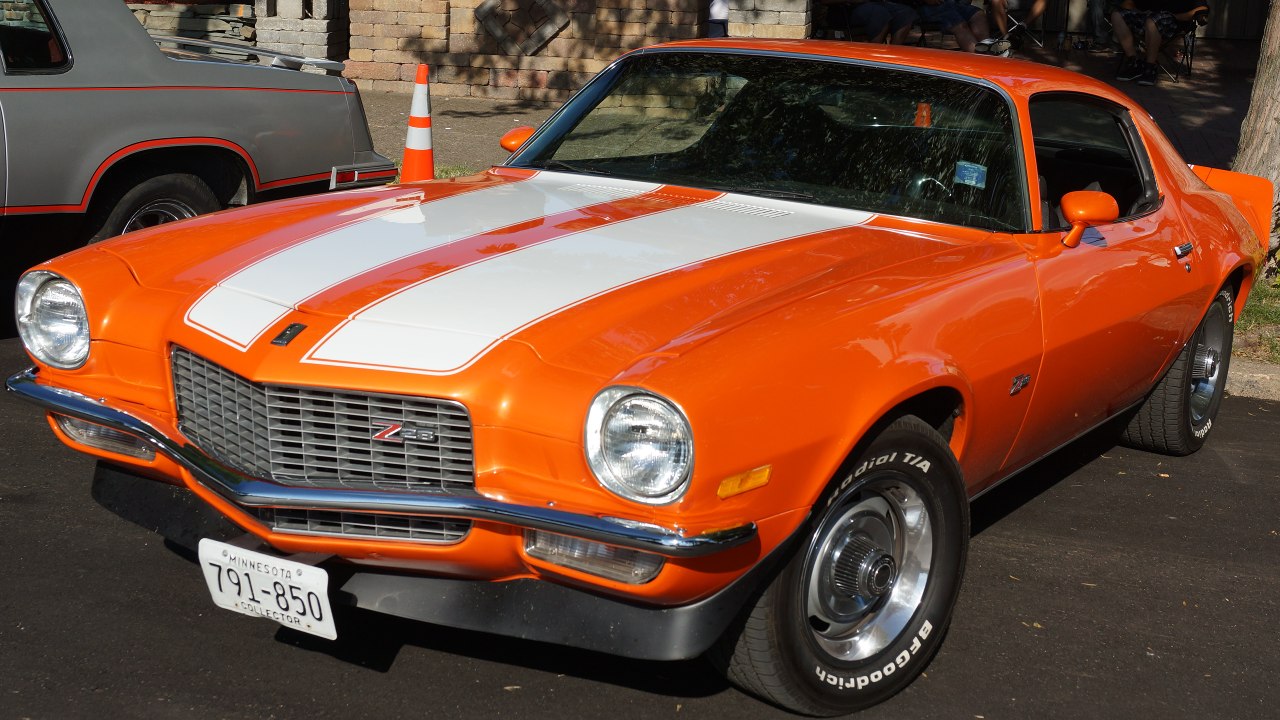
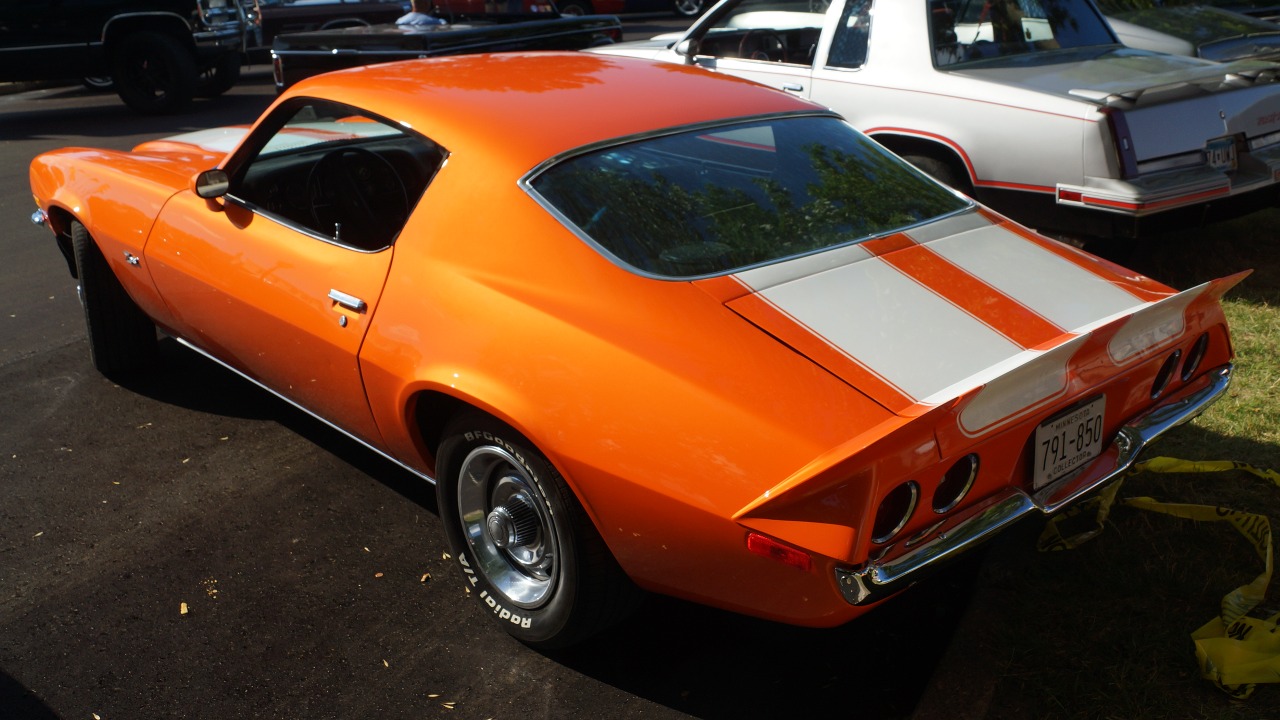
When the second generation of The Camaro arrived for the 1970 model year, it still carried the swagger of late‑1960s muscle, but it was already entering a very different policy climate. The car’s basic run from 1970 to 81 unfolded during what one detailed engine history describes as a “tumultuous time” for the industry, with performance models squeezed between new rules and shifting consumer expectations. That context matters, because it explains why the same nameplate that had just introduced a celebrated 360-hp Z28 could look and feel so different only a few years later.
Early in that run, the 1970 Z28’s 360-hp LT‑1 V8 signaled that Chevrolet still saw The Chevy Camaro as a track‑ready street car, not a compliance exercise. Contemporary design leaders like Ken Parkinson of Chevrolet Trucks and Global Architecture have described the 1970 Camaro as a “pure expression” of the design team’s freedom, a reminder that the car initially launched with relatively few external constraints. Yet even as that car hit showrooms, Congress was moving toward the Clean Air Act of 1970 and other measures that would soon dictate how much fuel the Camaro could burn and how much pollution it could emit, setting up a collision between regulatory goals and the muscle‑car formula.
Safety rules and the end of the clean, chrome Camaro
Safety regulation was the first force to literally reshape the Camaro’s bodywork. New Safety Regulations in the early 1970s, pushed in part by insurance company lobbying, led the National Highway and Traffic Safety authorities to demand stronger bumpers and better crash protection. For a low‑slung coupe that had traded heavily on its sleek proportions, those requirements meant more metal, more structure and styling compromises that designers of the first generation had never faced.
By the middle of the decade, new laws required stronger bumpers that could withstand low‑speed impacts without expensive damage, a change that one Camaro history notes as a turning point in the car’s appearance. The impact‑absorbing systems and extended bumper bars added visual bulk to both ends of the Chevrolet Camaro, and period commentary has not been kind to the way those pieces disrupted the original lines. A retrospective on how regulators tried to reshape American cars points out that The Firebird’s Camaro cousin “wasn’t quite so lucky,” suggesting that Maybe Chevy engineers struggled more than some rivals to integrate the mandated bumpers without making the car look awkward.
Clean Air Act pressure and the war on horsepower
If safety rules changed how the Camaro looked, emissions law changed what it could do. About nine months after the Camaro’s belated second‑generation debut, Congress unanimously passed the Clean Air Act of 1970, a sweeping law that targeted pollutants from cars and other sources. Later Clean Air Act Amendments required a 90% reduction in tailpipe emissions compared with uncontrolled engines, a target that forced automakers to rethink compression ratios, fuel delivery and exhaust treatment on performance models.
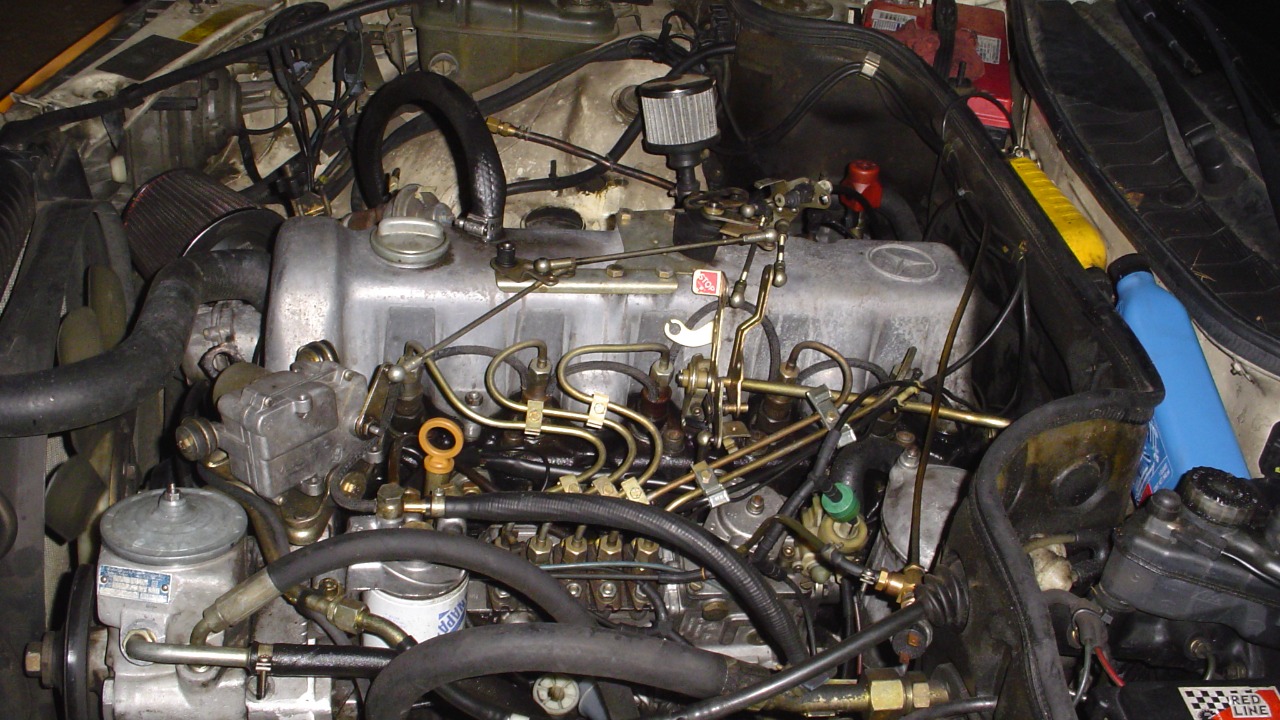
For American muscle cars, including the Camaro, that shift felt like a “first beatdown,” as one analysis of American performance culture puts it. Everyone wanted cleaner air, but the practical result was that high‑compression big blocks and aggressive cam profiles suddenly became liabilities rather than selling points. A detailed history of the 1970‑1981 Camaro notes how the Clean Air Act of requirements pushed Chevrolet to detune engines, lower compression and eventually embrace catalytic converters, all of which cut peak output even as curb weights climbed with added safety gear.
Inside General Motors, the transition was not smooth. Reporting on the company’s internal battles describes how some mechanical engineers mocked an emissions specialist nicknamed Captain Catalyst before they eventually helped develop the catalytic hardware that allowed engines to run cleaner and on less fuel. That culture clash captures the broader tension of the era: engineers who had built their careers on raw power now had to prioritize chemistry and compliance, and the Camaro’s shrinking horsepower ratings in the mid‑1970s reflect that pivot.
Fuel economy standards and the squeeze on performance
Emissions rules were only part of the regulatory vise closing around the Camaro. The History of US fuel policy shows that Congress also created Corporate Average Fuel Economy, or CAFE, standards in the 1970s, forcing automakers to hit fleet‑wide mileage targets. For a rear‑drive coupe with a big‑displacement V8, that meant its thirst for fuel could no longer be treated as a niche concern, it now threatened the company’s compliance across all models.
As CAFE took hold, the Camaro’s powertrains shifted toward smaller, less potent engines and taller gearing that favored highway mileage over quarter‑mile times. A survey of Camaro engines across the Second Generation, 1970‑81, underscores how the early high‑output options gave way to more modest V8s and even six‑cylinder choices as the decade wore on. At the same time, broader New Federal Standards on safety and emissions pushed manufacturers to adopt Catalytic converters and other hardware that added cost and complexity, encouraging Chevrolet to rationalize its lineup and steer some buyers toward more economical configurations.
Sales resilience and the long shadow of regulation
Despite all of these pressures, the Camaro did not vanish, and that resilience is part of what makes its 1970s story so revealing. Recovering from an early‑decade strike, Camaro sales climbed to 96,751 units in one record year for the industry, a sign that buyers were still willing to embrace the car even as its bumpers grew and its engines lost some of their bite. That performance suggests that styling tweaks, marketing and the enduring appeal of a sporty two‑door could offset some of the disappointment enthusiasts felt about falling horsepower numbers.
At the same time, enthusiasts and some commentators have argued that New Safety Regulations and emissions rules “killed the passion” behind car making in that era, pointing to the way once‑distinctive models began to converge in shape and specification. A broader look at 1970s brands notes that New Federal Standards on safety and emissions forced companies to cut horsepower and adjust designs, which helps explain why so many cars from different makers ended up with similar ride heights, bumper treatments and power figures. In that light, the Camaro’s evolution in the 1970s reads less like a unique fall from grace and more like a template for how American performance cars would survive in a world where regulators, not just designers and engineers, defined the limits of what a muscle coupe could be.
More from Fast Lane Only: