The 1973 Camaro arrived heavier and more regulated than the fire-breathing pony cars that had defined the early muscle era, yet it managed to sharpen its character instead of dulling it. As safety rules, emissions limits, and changing buyer expectations closed in, Chevrolet used the second-generation platform to refine the car’s structure, cabin, and image rather than simply detune it into irrelevance. The result was a model year that gained weight on paper but kept its edge where it mattered to drivers.
From lean street fighter to heavier, safer F-body
By the early 1970s, the Camaro was already evolving away from its bare-knuckle first-generation roots, and the 1973 cars made that shift impossible to ignore. Under the skin, the second-generation F-body was about 2 inches longer and slightly wider than before, a change that reflected both styling ambition and the need to accommodate a more substantial structure. One detailed technical history notes that the new layout was “about 2 inches (51 mm) longer, slightly wider,” a seemingly modest stretch that helped support the Camaro’s curvier shape and more planted stance while setting the stage for additional safety hardware that would add mass.
That extra size was not just for show, it was tied directly to new federal expectations for crash performance and occupant protection. The same analysis points out that the Camaro was almost 200 pounds (90 kg) heavier than the previous design, with the added weight attributed to side-guard door beams and other structural reinforcements that were becoming nonnegotiable. In other words, the Camaro did not simply bloat for comfort, it bulked up to survive tougher impact standards, and that heavier shell would define how the 1973 model felt on the road and how it responded to the era’s tightening rules.
How Chevy’s bumper strategy blunted the safety backlash
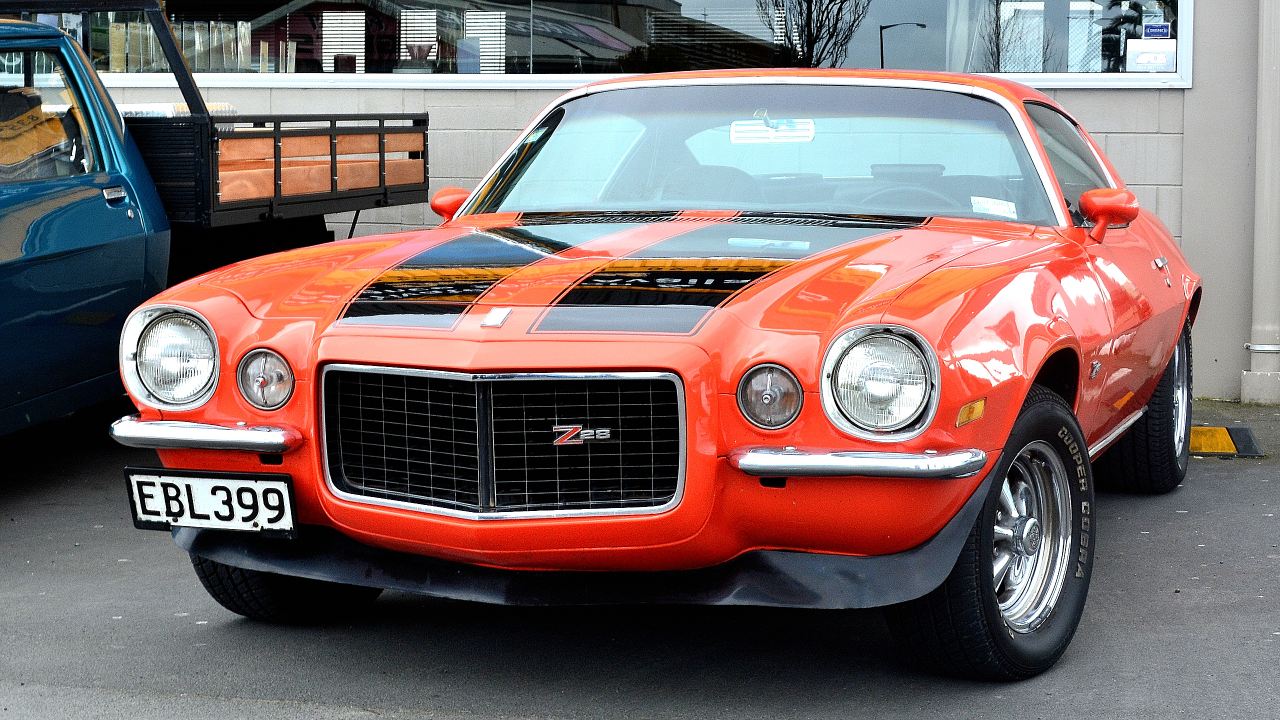
Where many rivals stumbled in the early 1970s was in the rush to comply with bumper regulations, often bolting on ungainly chrome battering rams that ruined proportions and did little for sales. Chevy took a more calculated approach with the Camaro, engineering its bumper system so that the car could meet the new standards without looking like an afterthought. One restoration guide notes that Sales actually ticked up slightly from the previous year, and credits Chevy’s engineering of the Camaro’s bumper at a time when the rest of the industry was struggling with awkward solutions. That detail matters, because it shows that buyers were willing to accept a heavier, safer car if it still looked cohesive and purposeful.
While the broader market was reacting to safety rules with panic and compromise, the Camaro’s relatively clean front and rear treatments helped preserve its sporty image. The same restoration-focused reporting emphasizes that, while the rest of the industry wrestled with ungainly bumper designs, Chevy managed to integrate the hardware in a way that did not betray the car’s lines. I see that as a key reason the 1973 Camaro could gain weight yet keep its edge: the visual message still said performance coupe, not regulatory casualty, and that perception helped sustain demand even as the spec sheet grew more complicated.
Power down, personality up: the Z/28 and performance image
Under the hood, the 1973 Camaro could not escape the reality of tightening emissions rules and the shift to net horsepower ratings, which made the numbers look softer even when real-world performance remained respectable. A valuation-focused model description notes that, even as production rebounded, net horsepower continued to decrease for the 1973 Camaro, a reminder that the raw output figures were moving in the wrong direction for traditional muscle fans. Yet that same source records total production of 96,751 Camar, a figure that underscores how resilient demand remained despite the power slide and the added mass.
The Z/28 sat at the center of that balancing act, carrying the performance flag in a year when the broader lineup was being civilised. While the detailed valuation entry focuses on the 1973 Chevrolet Camaro Z/28 as a Model within the larger range, it also makes clear that Even as the numbers on paper softened, the car retained the hardware and image that enthusiasts wanted. I read that as evidence that Chevy understood the importance of keeping a halo variant in the catalog: the Z/28 gave the heavier, more regulated Camaro a clear performance identity, helping the entire range feel more purposeful than the raw horsepower figures alone would suggest.
Comfort, refinement, and the rise of the Type LT
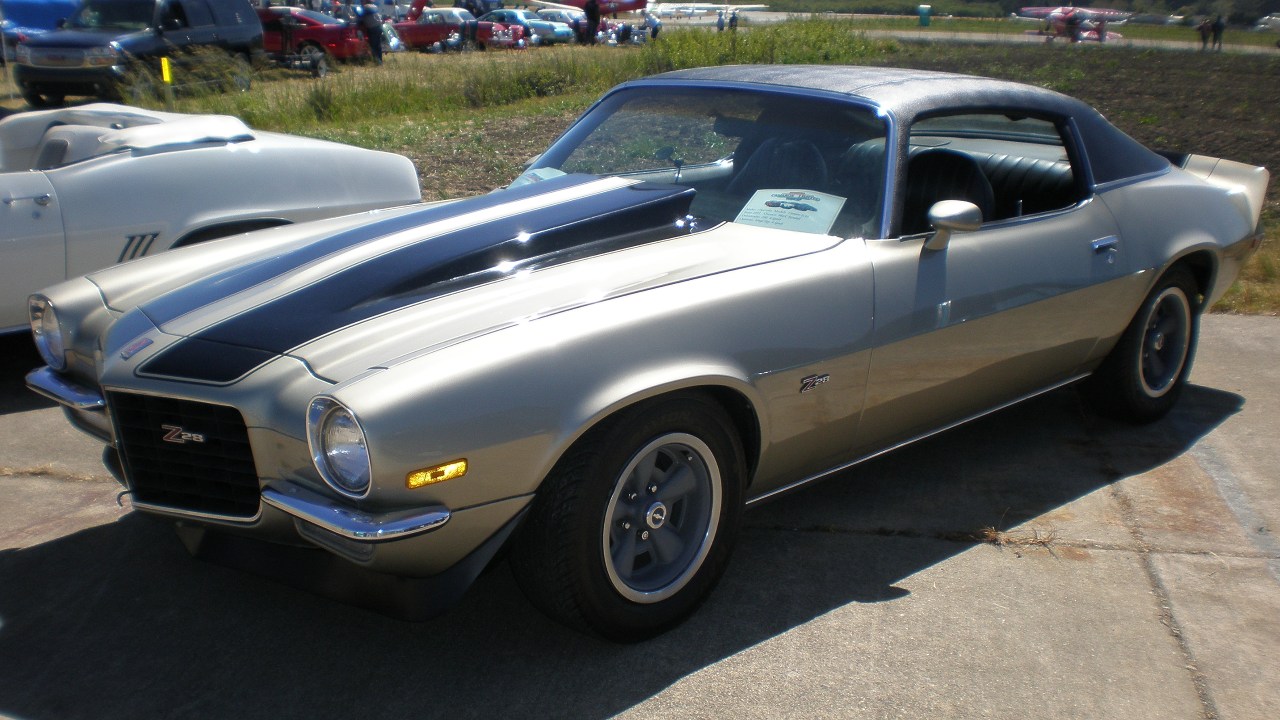
Performance was only part of the 1973 story, because Chevy was also repositioning the Camaro as a more refined personal coupe. A key move was the introduction of the Type LT model, which targeted buyers who wanted style and comfort as much as straight-line speed. Contemporary documentation of the second generation notes that the Type LT arrived with a quieter and better-appointed interior, full instrumentation, and Rally-style wheels, all of which signaled a shift toward grand touring character. That package did not make the car any lighter, but it did make the added weight feel like an investment in substance rather than dead mass.
The Type LT also showed how Chevy could broaden the Camaro’s appeal without abandoning its core. By pairing the sport coupe and LT models in the same lineup, the company effectively acknowledged that some customers wanted a sharper, more focused driving experience while others prioritized comfort and amenities. The reporting on the second-generation range makes clear that the 1973 model year incorporated these trim distinctions in a way that elevated the entire family, not just the luxury-leaning variant. In my view, that strategy helped the Camaro keep its edge in a different sense: it remained a car with a clear point of view, even as it became more versatile and better equipped.
Inside the cabin: small changes, bigger expectations
Weight gain in 1973 was not only about structure and safety, it was also about the creeping expectations for what a sporty coupe’s interior should offer. One detailed restoration guide for the 1973 Camaro points out that formerly optional features, such as a specific steering wheel identified as NK4, were being normalized as part of a more complete equipment set. That same guide highlights how Chevy refined controls and trim pieces, small touches that collectively added a few pounds but, more importantly, made the car feel more modern and cohesive to live with every day.
Those incremental upgrades mattered because they aligned the Camaro with the broader shift from bare-bones muscle to more polished personal cars. The restoration-focused reporting describes how switches migrated into the console and how trim and instrumentation evolved, details that show Chevy was not content to let the cabin stagnate while regulations reshaped the chassis. I see that as another way the 1973 Camaro kept its edge: it traded some rawness for usability, giving owners a car that still looked and felt like a performance machine but could also satisfy the growing demand for comfort and convenience in a daily driver.
Why the heavier 1973 Camaro still resonates
Looking back, the 1973 Camaro sits at a crossroads between the freewheeling muscle era and the more constrained, efficiency-minded years that followed. The technical histories that track the second-generation F-body’s growth, from being about 2 inches (51 mm) longer to carrying almost 200 pounds (90 kg) of additional structure, make clear that the car was adapting to forces outside Chevrolet’s control. Yet the sales and production data, including the 96,751 Camar built that year and the slight uptick in Sales tied to smart bumper engineering, show that buyers did not abandon the car simply because it got heavier.
What keeps the 1973 Camaro compelling to me is how deliberately Chevy managed that transition. By integrating safety hardware cleanly, maintaining a credible performance flagship in the Z/28, and introducing the Type LT with its quieter and better-appointed interior and Rally-style wheels, the company turned regulatory pressure into an opportunity to mature the car’s character. The result was a Camaro that carried more weight in every sense, yet still felt sharp, desirable, and relevant, a reminder that edge is about intent and execution as much as it is about curb weight and horsepower figures.
More from Fast Lane Only: