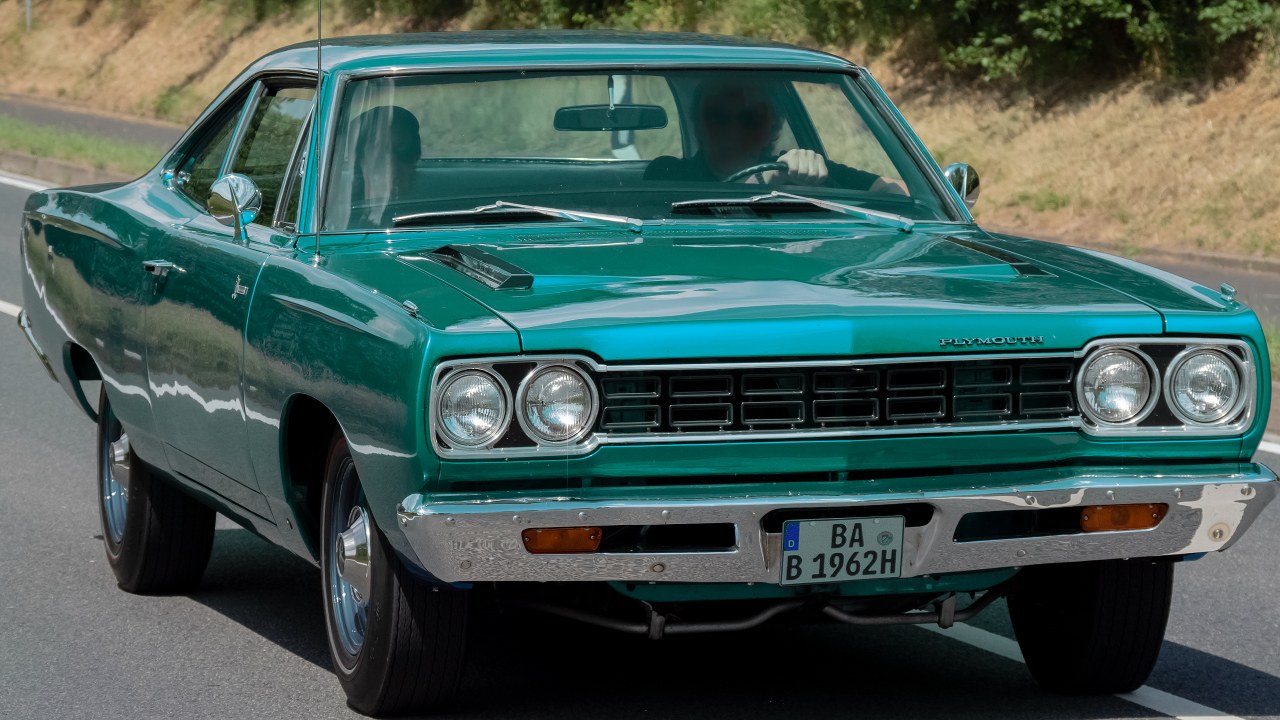
The Plymouth Road Runner has traveled a long way from budget street bruiser to serious collectible, and its price tags now reflect that journey. Values range from project cars that trade hands for used-compact money to headline-grabbing Hemi and Superbird variants that command sums once reserved for blue-chip exotics. Understanding how much a Plymouth Road Runner is worth today means looking beyond a single number and examining the specific year, specification, and story behind each car.
Across the market, prices have climbed sharply as collectors reassess the model’s role in muscle car history and chase the rarest configurations. Early cars that once sat unloved in back lots now sell for multiples of their original sticker, while later versions with more modest performance remain relatively attainable. The spread between those extremes explains why asking prices can differ by hundreds of thousands of dollars for cars that share the same nameplate.
What Road Runners cost when new and how that frames today’s market
The Road Runner was conceived as Plymouth’s mid-size, B-body muscle car, a stripped-back alternative that focused on performance rather than luxury. According to valuation data, Plymouth launched the Road Runner in 1968 and the first generation ran until 1970, with the car Based on the Belv platform that also underpinned other Chrysler products. Period pricing reflected its no-frills mission, with the 1971 Road Runner debuting at roughly $3,100, a figure that positioned it below more lavishly trimmed siblings while still offering serious power.
Those modest window stickers are crucial context for modern values. A car that cost just over three thousand dollars new now trades for many times that amount, particularly in desirable specifications. Reporting on first-generation models notes that Today, early Road Runners have nearly doubled, tripled, or even quadrupled in value compared with earlier market lows, depending on configuration and condition. That historical baseline helps explain why even driver-quality examples now sit firmly in classic-car territory rather than entry-level hobbyist pricing.
Current price ranges, from driver cars to record-setting Hemi sales
At the broad market level, recent sales data show that the typical Plymouth Road Runner now sits firmly in five-figure territory. One market overview pegs the average transaction price for a Plymouth Road Runner at $73,594, reflecting a mix of years, engines, and body styles. That same dataset identifies the top sale price as $500,000 for a 1971 Plymouth Hemi Road Runner, a figure that underscores how rare, high-spec cars have broken away from the rest of the pack.
Individual auction and private-sale stories reinforce that split. A separate report on a record-setting Hemi transaction notes that the priciest Road Runner sold at auction was a 1971 Hemi version that crossed the block for exactly $500,000, matching the broader market’s top-sale figure. At the extreme end of the aero-car spectrum, coverage of the Plymouth Superbird highlights that Notably, an example of the Plymouth Superbird managed to fetch over $600,000 at auction, more than three times what an average example might bring. These headline numbers coexist with more modest listings, such as a New Listing1970 Plymouth Road Runner, Pre-Owned, Plymouth, advertised at $89,500.00 in a Secure Purchase format on a major online marketplace, illustrating how even strong cars can sit far below the rarest Hemi and Superbird outliers.
Why some Road Runners are worth six figures and others are not
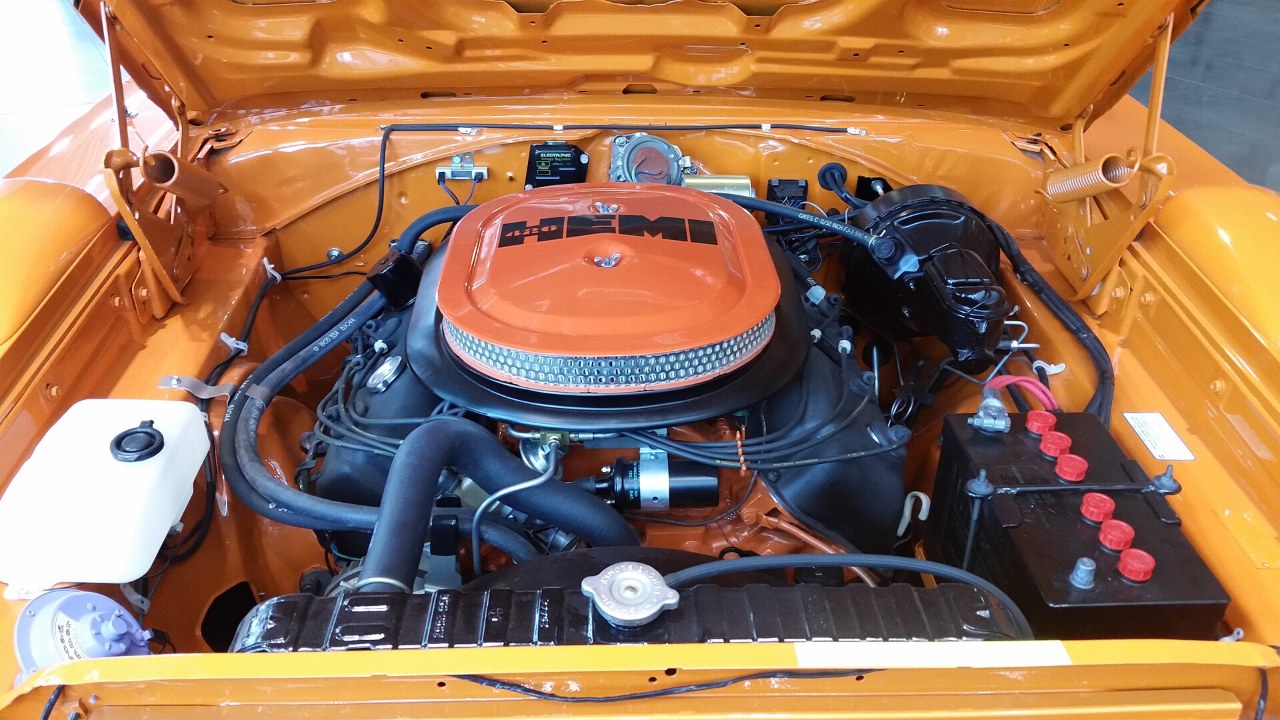
The enormous spread in Road Runner values is rooted in specification, rarity, and originality. The Plymouth Hemi Road Runner sits at the top of the hierarchy, combining the legendary 426 Hemi engine with limited production, which is why a 1971 Plymouth Hemi Road Runner has reached $500,000 and why a separate auction clip of a SOLD Plymouth Hemi Road Runner at Mecum Indy references the same $500,000 watermark. Another report on a Plymouth Hemi Road Runner convertible from 1970 describes it as the very definition of a rare bird, noting that even the regular hardtop is scarce, which helps explain why open-top Hemi cars are treated as near-unobtainable artifacts.
Body style and special equipment also play decisive roles. A 1969 Plymouth Road Runner 2 Door Convertible (383) is tracked in formal Pricing and Values guides, which emphasize that Prices shown are what buyers can expect to pay for a 1969 Plymouth Road Runn in various conditions. Convertibles, particularly with big-block engines, tend to command premiums over coupes and sedans. At the same time, community discussions around a 1969 Plymouth Roadrunner restoration project show how missing components can drag values down, with enthusiasts warning that no engine or transmission is definitely a major hit and suggesting that incomplete cars might range from 5–7k on up depending on documentation such as the fender tag and build sheet. In other words, the difference between a six-figure showpiece and a five-thousand-dollar project often comes down to how complete, correct, and rare the car is.
Generational differences: early muscle, later survivors, and the Superbird factor
Not every Road Runner sits on the same value curve, and the generation gap is central to understanding why. The Plymouth Road Runner that debuted in 1968, described as Plymouth’s mid-size, B-body muscle car, has become the most coveted era, with the first generation running until 1970. Reporting on 1968 models notes that Today, these early cars have nearly doubled, tripled, or even quadrupled in value compared with earlier years, depending on configuration, with some examples cited as trading for as little as $42,500 while better-spec cars climb far higher. A separate analysis of the 70 Plymouth Road Runner market explains that a car in fair condition will sit at the lower end of the spectrum, while well-preserved or restored examples with strong options can move into significantly higher price brackets.
Later cars, particularly those from the mid-1970s, generally remain more affordable, though they are gaining attention as survivors. Valuation tools for a 1975 Plymouth Road Runner emphasize in their Common Questions section that the value of a 1975 Plymouth Road Runner can vary greatly depending on its condition, mileage, options, and history, but that a car in good condition with average spec will sit at a more accessible level than a comparable first-generation Hemi. Overlaying all of this is the Plymouth Superbird, a highly modified 1970 offshoot that has effectively become its own submarket. Auction coverage notes that Notably, a Plymouth Superbird has sold for over $600,000, a figure that dwarfs most standard Road Runner sales and reflects the car’s NASCAR pedigree, extreme aerodynamics, and limited production.
How buyers and sellers can gauge a specific car’s worth today
For anyone trying to pin down what a particular Plymouth Road Runner is worth, the first step is to identify the exact year, engine, and body style, then compare it with recent sales of similar cars. Market trackers that aggregate Plymouth Road Runner transactions provide a starting point, showing an average sale price of $73,594 and highlighting that the top sale price of a Plymouth Road Runner is $500,000 for a 1971 Plymouth Hemi Road Runner. From there, more granular tools, such as model-year valuation pages and past-sales databases that allow users to apply Filters, set a Min and Max price, Clear price filters, and Choose a Value condition and sales region, help narrow the range based on condition and originality.
Real-world listings and community input add further nuance. The presence of a New Listing1970 Plymouth Road Runner, Pre-Owned, Plymouth, at $89,500.00 on a major marketplace shows what sellers believe a strong driver or lightly restored car can command, while enthusiast discussions about restoration projects stress the importance of documentation and completeness, particularly when a car lacks its original drivetrain. Formal guides for specific variants, such as the 1969 Plymouth Road Runner 2 Door Convertible (383) with its structured Pricing and Values, and the 1975 Plymouth Road Runner valuation tools that answer Common Questions about condition and options, give buyers and sellers a framework to adjust for mileage, modifications, and provenance. Taken together, these resources explain why two Road Runners parked side by side can carry dramatically different price tags, and why careful research is essential before money changes hands.
More from Fast Lane Only