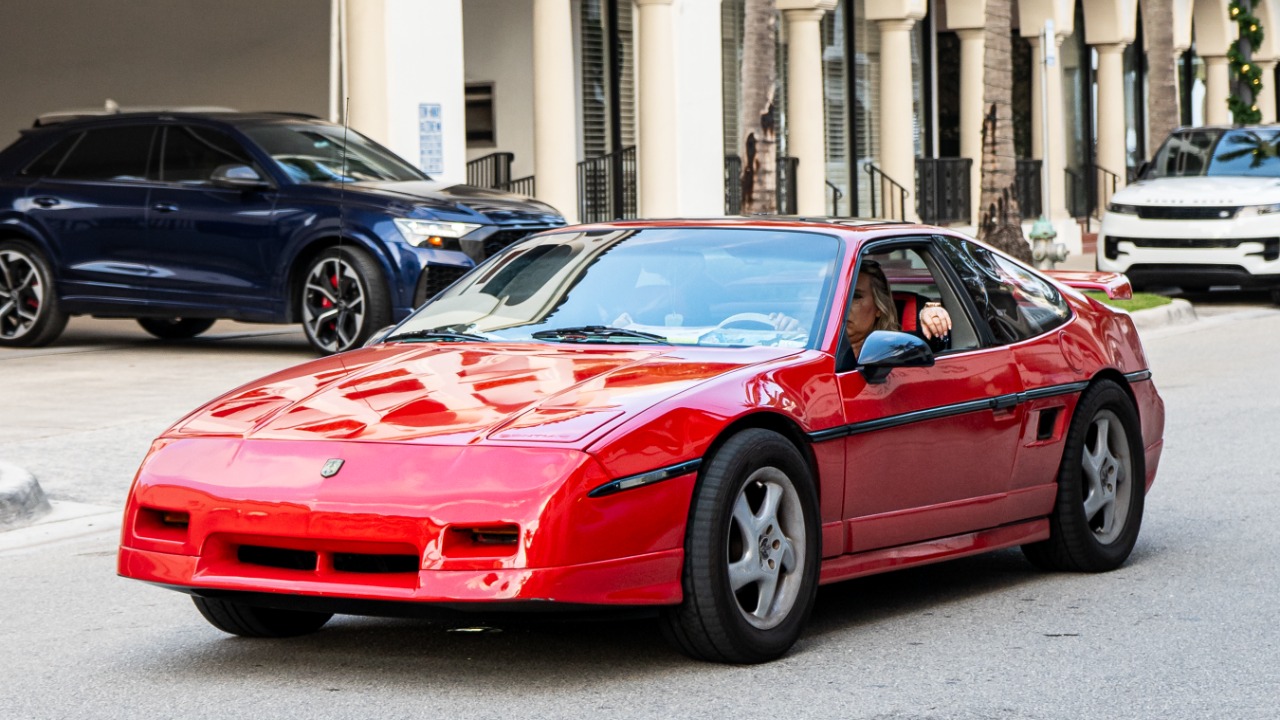
The automotive industry is often seen as a realm of innovation and cutting-edge technology, but some vehicles leave a lasting impact in more subtle ways. One such vehicle, often overlooked in the annals of automotive history, has quietly influenced modern design principles and aesthetics in the automotive world and beyond. By examining its unique features and the legacy it has forged, we can appreciate how this car has shaped our expectations and experiences in design.
The Unsung Hero: Introduction to the Car That Changed Everything
At the heart of this narrative is the Pontiac Fiero, a compact sports car that debuted in 1984. Initially celebrated for its mid-engine layout and sleek design, the Fiero was a radical departure from the traditional American automobile paradigm. Despite its innovative features, it fell victim to criticisms regarding quality and performance, which ultimately overshadowed its groundbreaking design. Over time, however, its influence has seeped into the automotive industry, shaping vehicles in ways that many may not realize.
When the Fiero was launched, it was met with a mix of excitement and skepticism. The idea of a lightweight, fuel-efficient sports car was novel for American manufacturers, who were traditionally focused on larger, more powerful vehicles. The Fiero’s design elements, such as its aerodynamic shape, were groundbreaking at the time, and they would later serve as a blueprint for numerous modern vehicles. The Fiero’s modest success may have led it to be overlooked, but its design principles resonate in today’s automotive landscape.
Design Features That Set It Apart
The Fiero’s aerodynamic shape was one of its standout features, significantly impacting fuel efficiency and performance. With a drag coefficient that was impressively low for its time, the Fiero demonstrated how design could optimize not just style but functionality. This emphasis on aerodynamics paved the way for modern vehicles that prioritize efficiency alongside aesthetic appeal. Contemporary models like the Tesla Model 3 have embraced similar principles, demonstrating that sleek design can coexist with high performance and lower environmental impact.
Interior design innovations were another area where the Fiero excelled. The car featured a driver-focused cockpit, emphasizing user experience and comfort. The layout of the controls and the use of high-quality materials set a precedent for future vehicles that would incorporate ergonomic design as a core value. Automakers today are increasingly investing in user-centered designs, with companies like BMW and Audi taking note of the Fiero’s emphasis on the driver experience, making it a key aspect of their modern vehicle offerings.
Legacy and Impact on Modern Automobiles
The design elements of the Fiero are undeniably visible in many of today’s popular models. For instance, the mid-engine layout has resurfaced in various supercars, including the Chevrolet Corvette C8. While the Corvette has evolved significantly since the days of the Fiero, the influence of that original layout can be traced back to the mid-1980s. The Fiero’s emphasis on lightweight construction and balance has encouraged manufacturers to rethink how they design performance vehicles.
Moreover, the Fiero has left an indelible mark on automotive brands that champion similar design philosophies. Manufacturers like Mazda, with its MX-5 Miata, have adopted the principles of lightweight design and driving enjoyment, echoing the ethos of the Fiero. The legacy of this car has encouraged a wave of automakers to prioritize not just the aesthetics of their vehicles, but the overall driving experience, shaping consumer expectations around vehicle design in the process.
Cross-Industry Influence: Beyond Automobiles
The design principles established by the Fiero have permeated other industries, influencing everything from furniture to product design. The car’s sleek lines and minimalist aesthetic resonate with contemporary furniture designs that prioritize form and function. Brands like Muji and IKEA have adopted similar design cues, emphasizing simplicity and practicality, reminiscent of the Fiero’s user-centric approach.
Furthermore, the cultural significance of the Fiero’s design extends into the realms of art and architecture. The principles of balance and proportion that were hallmarks of the Fiero can be seen in contemporary architectural designs that favor open spaces and clean lines. This influence illustrates how the car has not only changed the automotive landscape but has also contributed to broader design trends that value minimalism and functionality.
The Role of Nostalgia and Vintage Appeal in Modern Design
As we navigate the complexities of modern design, nostalgia plays a pivotal role in shaping trends within the automotive industry. The resurgence of retro design trends can be traced back to vehicles like the Fiero, which have been reimagined in various forms in today’s market. Manufacturers are increasingly looking back at classic designs and incorporating vintage aesthetics into modern vehicles, creating a sense of familiarity and emotional connection with consumers.
The aesthetics of the Fiero have been immortalized in popular media and culture, making it a symbol of a bygone era. Its appearances in films and television shows have kept the spirit of the car alive, and its design continues to inspire a new generation of car enthusiasts and designers alike. The psychological impact of nostalgia is potent; it influences consumer preferences and design choices, encouraging brands to tap into this sentiment to forge deeper connections with their audiences.
Current Perspectives: The Future of Automotive Design
Today’s designers are increasingly looking back at the Fiero for inspiration, blending its innovative features with modern technology. As the automotive landscape shifts toward electric and hybrid vehicles, the principles of lightweight construction and efficient aerodynamics are more relevant than ever. The Fiero’s legacy serves as a reminder that great design can lead to sustainable innovations, encouraging manufacturers to rethink how they approach vehicle development.
Sustainability is a critical focus for the future of automotive design, and past designs can inform eco-friendly innovations. The Fiero’s lightweight materials and efficient design principles can provide valuable insights for contemporary engineers seeking to reduce the carbon footprint of new vehicles. As we look ahead, the next wave of automotive design is likely to be influenced by the same principles that guided the Fiero, blending aesthetics with functionality and sustainability.
More from Fast Lane Only
- Unboxing the WWII Jeep in a Crate
- 15 rare Chevys collectors are quietly buying
- 10 underrated V8s still worth hunting down
- Police notice this before you even roll window down
*Research for this article included AI assistance, with all final content reviewed by human editors.