Sports car enthusiasts often seek performance upgrades to enhance speed, power, and overall driving experience. However, these modifications can impact the vehicle’s reliability, potentially leading to increased maintenance costs and decreased longevity. Exploring the effects of performance upgrades on sports car reliability provides valuable insights for car owners and enthusiasts.
Understanding Performance Upgrades
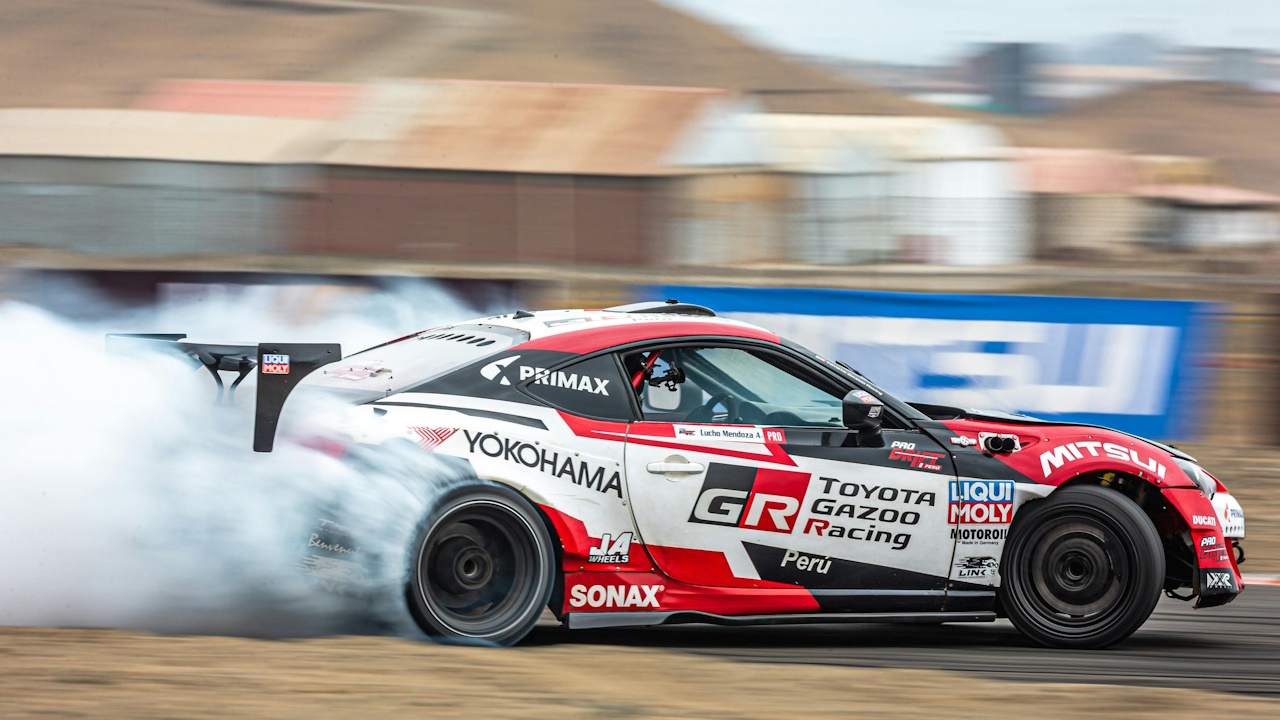
Performance upgrades come in various forms, each targeting different aspects of a vehicle’s performance. Engine tuning, for instance, is a popular modification among sports car owners. By altering the engine’s control unit (ECU), vehicles like the 2020 Ford Mustang GT can experience significant boosts in horsepower and torque. Exhaust modifications, such as installing a high-flow exhaust system, are also common and can improve engine efficiency while enhancing the car’s sound profile. Suspension enhancements, including coilovers and anti-roll bars, are sought after for their ability to improve handling and cornering performance.
The primary objectives of these upgrades are to increase horsepower, improve handling, and enhance acceleration. For example, a 2019 Chevrolet Camaro SS might undergo upgrades to achieve quicker 0-60 mph times, making it more competitive on the track. Improved handling is often a goal for owners of cars like the 2021 BMW M3, where better suspension components can make a noticeable difference in driving dynamics. Ultimately, the aim is to create a more exhilarating driving experience, but it’s crucial to consider the trade-offs involved.
Impact on Engine Reliability

Increasing a vehicle’s power output can inadvertently strain engine components. In the case of the 2022 Porsche 911 Turbo, pushing the engine beyond factory settings may lead to increased wear and tear on parts like pistons, bearings, and the crankshaft. This strain can result in premature engine failure if not managed appropriately. High-performance engines are designed to handle more power, but exceeding these limits without appropriate upgrades can compromise reliability.
Cooling systems often need to be enhanced to cope with the additional heat generated by performance upgrades. For example, a 2018 Nissan GT-R with an upgraded turbocharger may require a more efficient intercooler or radiator to maintain optimal engine temperatures. Failure to address cooling can lead to overheating, which is a common cause of engine damage. Ensuring that the cooling system can handle the increased thermal load is essential for maintaining engine reliability.
Effects on Transmission and Drivetrain
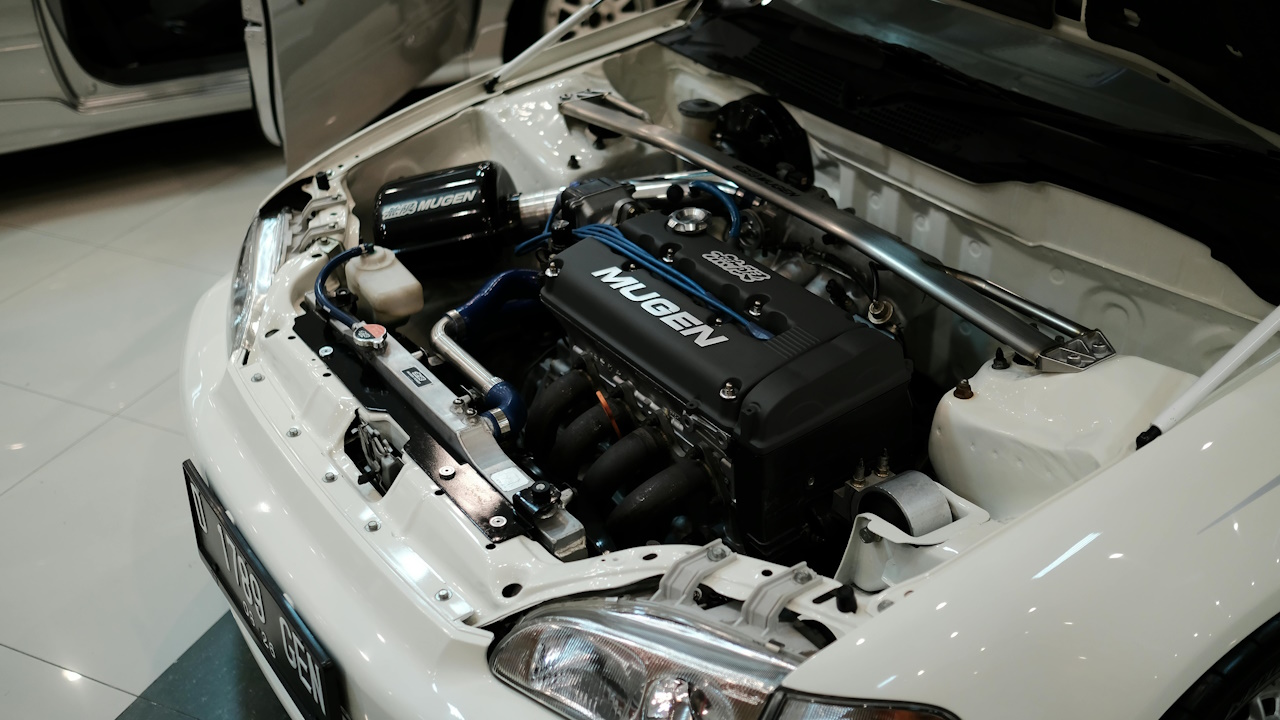
Performance upgrades can accelerate wear and tear on transmission components and the drivetrain. The 2023 Toyota Supra, for instance, might experience increased stress on its transmission if the power output is significantly increased without corresponding upgrades to the transmission system. Clutch and gear components are particularly susceptible to damage when handling more power than they were originally designed for, potentially leading to costly repairs or replacements.
Compatibility between upgraded parts and existing systems is crucial to avoid reliability issues. For example, fitting a high-performance clutch into a 2021 Audi RS5 without ensuring compatibility with the existing drivetrain can lead to misalignment and premature component failure. It’s essential to consult with experts and ensure that all parts work harmoniously to maintain the vehicle’s reliability and performance.
Suspension and Braking System Considerations
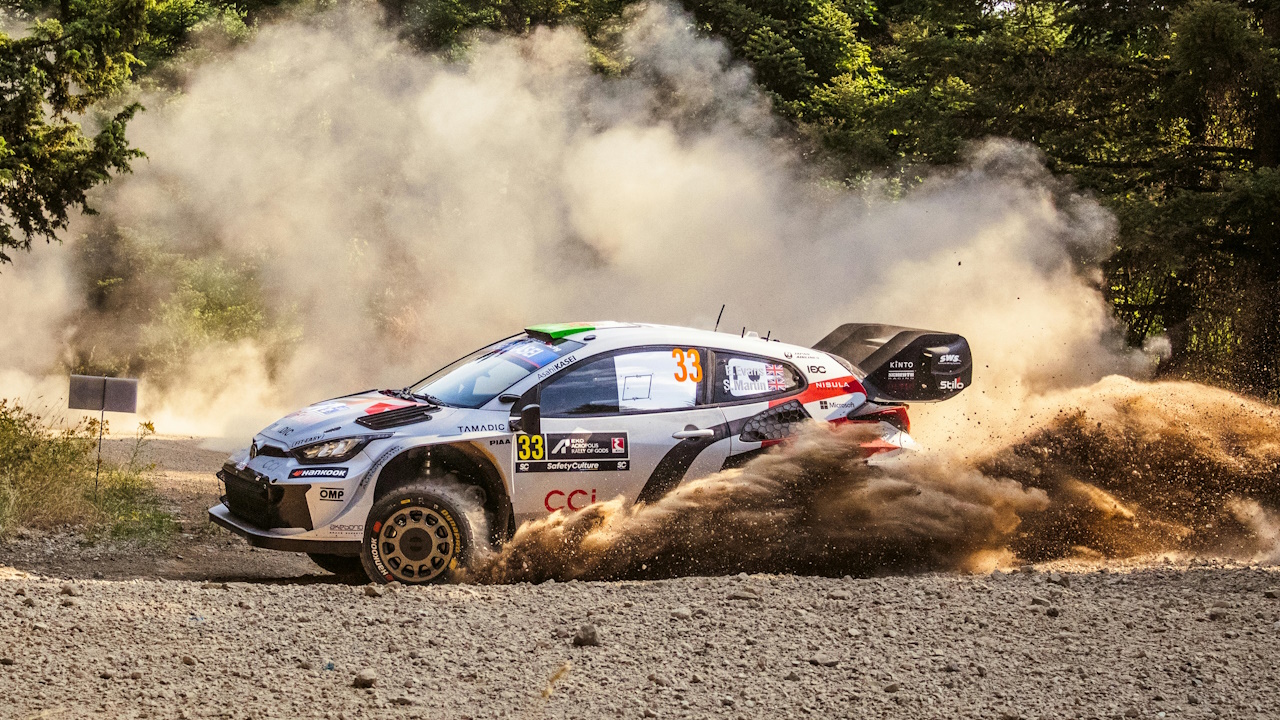
While performance upgrades often improve handling, they can also reduce the lifespan of suspension components. A 2024 Dodge Challenger SRT Hellcat with upgraded suspension may corner better at high speeds, but the increased stiffness can lead to faster wear on bushings, shocks, and struts. Owners must weigh the benefits of improved handling against the potential decrease in component longevity.
Enhanced performance can also strain braking systems, affecting their reliability. For instance, upgrading a 2025 Mercedes-AMG C63’s engine and suspension without addressing the braking system can lead to brake fade during aggressive driving. Upgrading to performance brake pads and rotors can help mitigate these issues, ensuring that the braking system remains effective under the increased demands of the upgraded vehicle.
Maintenance and Longevity
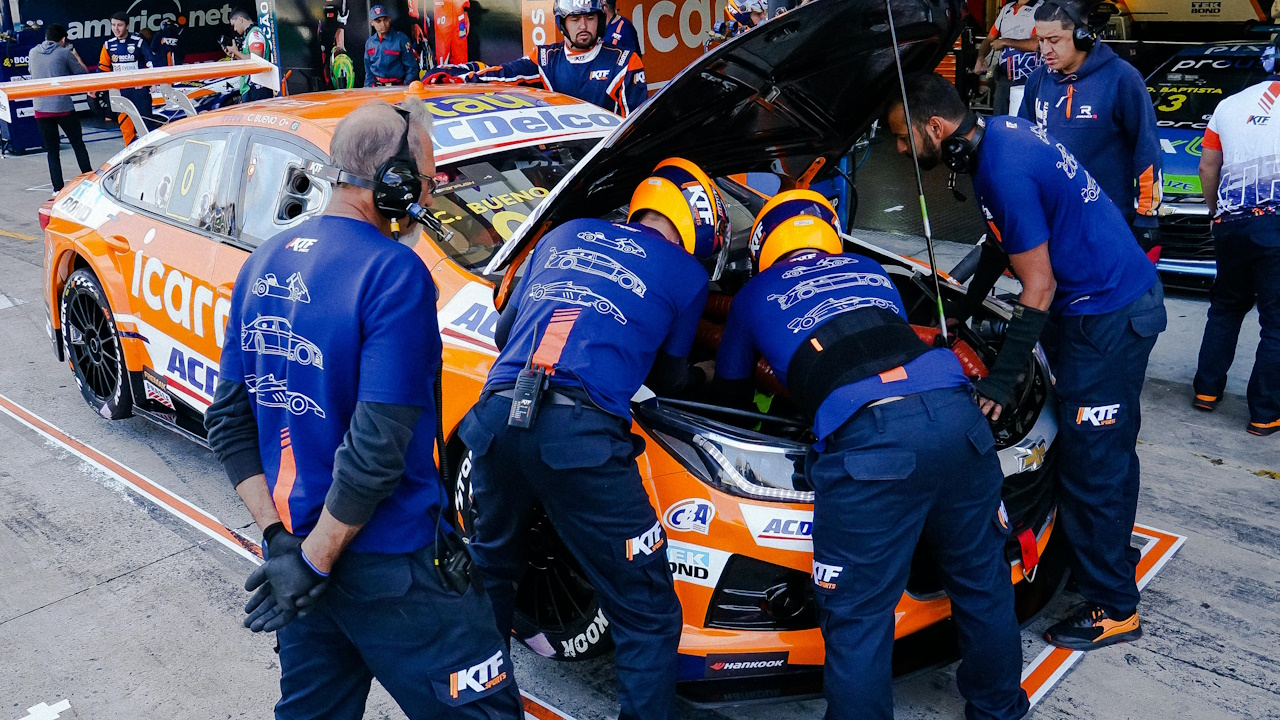
Performance upgrades often come with increased maintenance needs. A Tesla Model S Plaid with aftermarket enhancements may require more frequent servicing to ensure that all components are functioning correctly. Regular inspections and maintenance of upgraded parts are crucial for identifying potential issues before they lead to significant problems. Ignoring these needs can result in reduced vehicle reliability and increased long-term costs.
Balancing performance and durability is key for sports car enthusiasts. Achieving this balance requires a thoughtful approach to upgrades, considering both immediate performance gains and long-term reliability. Consulting with experienced professionals and selecting high-quality parts can help ensure that the vehicle remains reliable while delivering the desired performance enhancements. By carefully planning and executing upgrades, owners can enjoy enhanced performance without compromising their vehicle’s longevity.