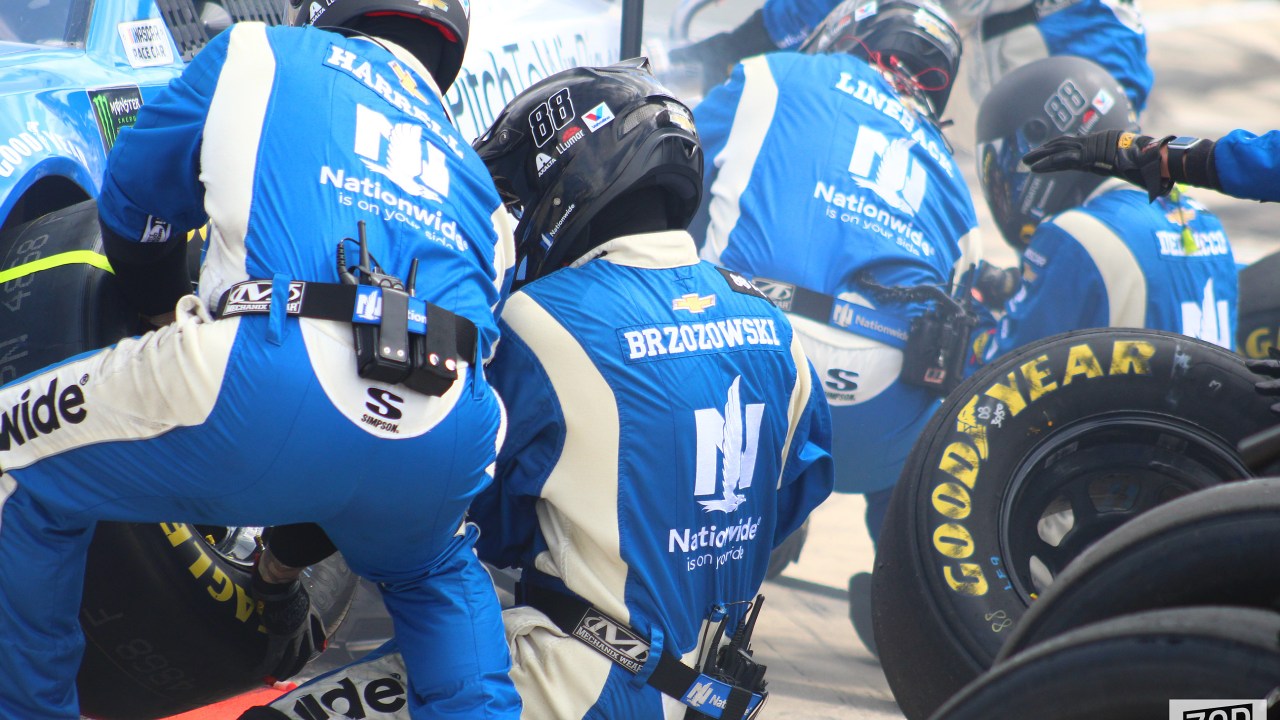
In modern motorsport, the stopwatch does not tell the whole story. Races are increasingly decided by how intelligently teams manage pit stops, tyres and traffic, not just by who has the fastest car over a single lap. When strategy departments get those calls right, they can turn a marginal package into a race winner and leave quicker rivals wondering how they were beaten.
At the heart of that shift is a simple reality: the rules, tyres and data tools of today reward brains as much as outright pace. I see the most successful teams treating pit stops as a dynamic chess match, using tyre degradation models, live timing and predictive analysis to engineer track position at the exact moment it matters most.
Why the fastest car is no longer guaranteed to win
Raw speed still sets the stage, but it rarely decides the final act. In any series that uses pit stops, the winner is usually the driver who spends the least total time completing race distance, including every crawl down the pit lane and every lap on worn tyres. As one technical breakdown of race tactics puts it, the core of strategy is minimising overall time rather than maximising peak speed, which is why a slightly slower car can prevail if it spends more laps on the right tyre at the right moment.
That logic is visible from grassroots racing to Formula 1. A short video aimed at young drivers spells it out bluntly: Even the FASTEST car can lose if the strategy is wrong. Longer pit lane transits, extra tyre changes or a mistimed stop behind traffic can easily cost more than the few tenths per lap a quicker chassis might gain. That is why top teams invest heavily in strategy groups and simulation tools, treating every race as a complex optimisation problem rather than a flat-out sprint.
The pit lane as a second racetrack
To understand how strategy beats speed, it helps to see the pit lane as a second racetrack with its own time losses and performance gains. A detailed overview of pit work notes that in any series that allows refuelling or tyre changes, teams must stop at least once to avoid running out of fuel or suffering tyre failures, and those visits can involve changing tyres, adjusting wings or repairing damage inside a few seconds. As one technical explainer on pit stops makes clear, the need to manage fuel and tyre life is what forces teams to trade track position for fresh performance.
That trade is where strategy departments earn their keep. A deep dive into Formula 1 tactics from Sep, titled How Pit Stop Strategy Leads To Victories In Formula, describes how teams model the time lost in the pit lane against the lap time gain from new tyres, while also predicting the behaviour of rival crews. The pit wall is constantly weighing whether to stop early and attack, stay out and defend, or react to a competitor’s move, turning the lane between garages into a battleground as decisive as any corner on the circuit.
Tyre degradation: the invisible clock behind every call
Tyres are the hidden clock that governs every pit decision. As rubber wears, grip falls away, braking distances grow and lap times drift upward, which is why one technical analysis of tyre wear notes that degradation shortens stints and leads to slower laps as the race goes on. That same breakdown explains that this degradation in tyre performance is central to strategy, because teams must constantly balance the speed of fresh rubber against the time cost of stopping.
Top outfits now treat tyre life as a data science problem. A specialist engineering guide notes that Strategically planning pit stops can reduce deterioration and improve overall performance, with Teams using real-time telemetry to identify the ideal moment for a stop. They monitor surface temperatures, slip angles and lap time deltas to decide whether a driver should push harder and accept a shorter stint or back off slightly to stretch the tyres and avoid an extra visit to the pits.
Undercuts, overcuts and the art of track position
Once tyre behaviour is understood, teams can weaponise it through aggressive or defensive pit timing. The classic example is the undercut, where a driver pits earlier than a rival, bolts on fresh tyres and uses the extra grip to set faster laps while the opponent struggles on worn rubber. A detailed strategy explainer describes the Undercut as a move that relies on the performance and speed of new tyres to overturn a deficit once the rival finally stops and rejoins behind.
The opposite play, the overcut, can be just as powerful in the right conditions. The same analysis of pit tactics explains that when tyre wear is low or traffic is heavy, staying out longer on a clear track can allow a driver to set competitive times while a rival on new tyres is bottled up behind slower cars. That breakdown of overcut tactics shows how teams weigh tyre age, fuel load and traffic patterns to decide whether to attack with an early stop or defend by extending the stint, often making the call within a lap as gaps open or close.
Data, machine learning and the rise of the strategy department
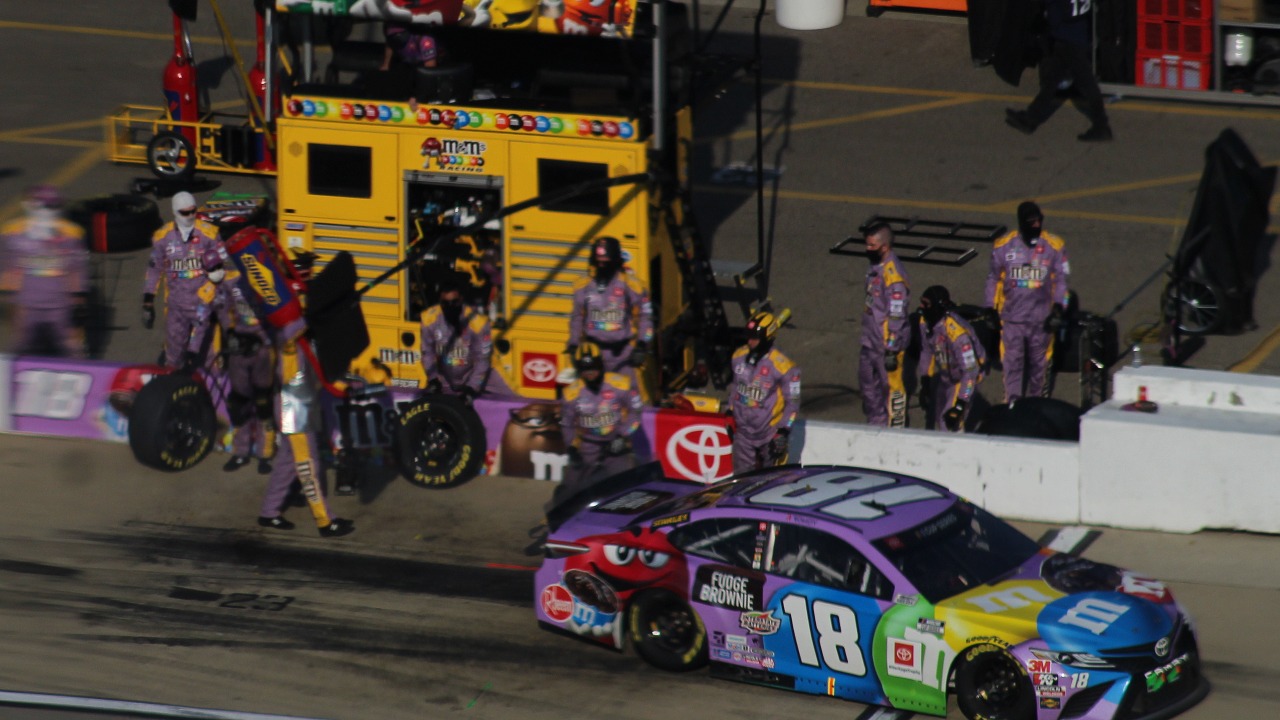
What used to be a gut-feel decision from a race engineer is now a data-driven operation involving dozens of specialists. A detailed look at how analytics is reshaping Formula 1 notes that race strategy covers everything from car design choices to selecting the optimal lap for a pit stop, with teams using vast data sets to model tyre behaviour, fuel usage and track evolution. That overview of Race strategy explains that the goal is not just outright speed but stability and positioning, which is why simulation tools now run thousands of virtual races before a car even turns a wheel.
Machine learning is pushing that trend even further. A broader sports analytics report notes that advanced analysis helps teams make strategic decisions on the fly, such as adjusting tyre strategies or modifying pit stop timing based on evolving conditions. In Formula 1, that means feeding live timing, weather data and tyre wear metrics into predictive models that can suggest whether an undercut will succeed, how long a safety car window might stay open, or whether a late switch to a softer compound could gain enough positions to justify the risk.
Execution: milliseconds, choreography and human error
Even the smartest strategy collapses if the stop itself is slow or sloppy. A technical breakdown of pit work in Formula 1 highlights how crews rehearse thousands of times to change four tyres, adjust front wings and sometimes clear brake ducts in around two seconds. A more recent performance-focused analysis, titled The Science of Pit Stops, explains that Teams Optimize Speed and Efficiency by choreographing every movement, from the jack operator’s timing to the wheel gunner’s angle, because a single fumbled nut can turn a winning strategy into a lost podium.
Those same insights show how pit stops are used for more than tyre changes. In Formula 1, crews routinely tweak front wing angles to rebalance the car as fuel burns off, clear debris from brake ducts or radiators, and even adjust tyre pressures within the rules to prepare for a cooler or hotter phase of the race. That analysis of In Formula racing notes that some teams will even accept a slightly slower stop to make a set-up tweak that pays off over a long stint, another example of sacrificing a moment of speed for a larger strategic gain.
Why strategy will only grow more decisive
As regulations tighten and performance gaps shrink, the room to win on pure pace alone is getting smaller. A detailed look at Formula 1 tactics from Sep argues that pit stop strategy revolves around anticipating rivals and exploiting tyre behaviour, a trend that will intensify as standardised parts and cost caps compress the field. That analysis of How Pit Stop Strategy Leads To Victories In Formula makes clear that the teams who best understand degradation curves, pit lane losses and traffic patterns will keep finding ways to outfox faster cars.
At the same time, the tools available to strategy groups are becoming more sophisticated. From tyre degradation models that predict when performance will cliff, to machine learning systems that update pit windows in real time, the competitive edge is shifting toward those who can interpret and act on data under pressure. As long as races require at least one stop and tyres continue to fade, the sport will reward those who treat the pit wall as a command centre, not a support act, and who understand that the surest path to victory is not always the one taken at full throttle.