Modern Formula One has been defined by long stretches of near-total control from a handful of teams, each building a dynasty on a different blend of engineering, culture, and strategy. Red Bull, Ferrari, and Mercedes have all turned raw speed into sustained eras of dominance, yet the paths they followed reveal sharply contrasting philosophies. By tracing how each of these giants constructed its winning machine, on and off the track, I can see how contemporary F1 success is as much about identity and systems as it is about lap time.
What unites these three powerhouses is not a single design trick or superstar driver, but an ability to align technical innovation, organizational culture, and long-term planning around a clear competitive edge. Their dynasties were not accidents of regulation or luck; they were the product of deliberate choices that shaped how they hired, how they spent, and how they responded when rivals finally caught up.
Ferrari’s transformation from racing squad to industrial powerhouse
Ferrari’s modern dominance was built on foundations laid decades before its most famous title streak, beginning when Enzo Ferrari created Scuderia Ferrari in 1929 as a team that initially raced cars produced by Alfa Romeo. That origin as a pure racing outfit, competing before it even built its own road cars, hardwired competition into the company’s identity long before the scarlet machines became global luxury symbols. By 1947, Ferrari had begun constructing its own cars, and the team’s evolution from Alfa Romeo customer to full constructor set the template for a vertically integrated operation that could align chassis, engine, and brand under one vision.
That early history matters because it explains why Ferrari’s later success was not just about a fast car, but about a culture that treated racing as the company’s central purpose. Strategic analyses of Ferrari’s business model describe how the brand “Started as a racing team” and was “Founded in 1929” as Scuderia Ferra, then expanded into manufacturing without losing that competitive core. The racing team and the road-car division reinforced each other, with Formula One results feeding the myth that allowed Ferrari to sell exclusivity at a premium. When the team eventually built a dynasty on track, it did so with an institutional memory that stretched back to Enzo Ferrari and Alfa Romeo, and with tifosi who saw the team as a national project rather than just another entrant on the grid.
Schumacher-era Ferrari and the blueprint for a modern dynasty
The clearest expression of Ferrari’s dynasty-building came in the 2000s, when the team turned its heritage and resources into a ruthlessly efficient winning machine. With Michael Schumacher leading the driver lineup, Ferrari captured five consecutive drivers’ titles and a matching run of constructors’ crowns, a level of sustained success that defined that decade. Those championships were not isolated peaks; they were the product of a system that combined a star driver, a cohesive technical group, and a factory willing to invest heavily in continuous development.
What I find striking is how that era anticipated the playbook later used by Red Bull and Mercedes. Ferrari’s dominance relied on a tightly integrated structure where the race team, engine department, and broader company were aligned around performance, echoing the way the brand had grown from Scuderia Ferrari into a manufacturing powerhouse. Strategic studies of Ferrari’s rise emphasize how working “alongside” partners while maintaining control of quality became a hallmark of the company’s approach, and that mindset translated directly into Formula One. The Schumacher years showed that a modern dynasty is not just about a genius designer or a single regulation window, but about building an organization that can exploit stability in the rules for as long as it lasts.
Red Bull’s culture of innovation and the RB19 benchmark
Red Bull’s ascent followed a very different route, starting not from a historic manufacturer but from an energy drink company that bought a struggling team and reimagined what an F1 outfit could look like. Red Bull Racing came into the sport as a young team in every sense, with figures such as David Coulthard giving the project early credibility in British Formula One circles while the organization experimented with a more informal, creative culture. That outsider status allowed Red Bull to challenge conventions, treating the team as a high-performance laboratory rather than a traditional carmaker’s racing arm.
Over time, that attitude hardened into a deliberate philosophy in which “Innovation as a Core Value” and a willingness “to venture into the unknown” were described as part of Red Bull Racing’s DNA. The team embedded experimentation into its processes, from aggressive aerodynamic concepts to bold strategic calls, and that mindset paid off in multiple eras of success. Earlier in the 2010s, Red Bull, powered by Renault, won four consecutive titles between 2010 and 2013, a run that established it as a reference point for modern dominance. Even when that first cycle ended and the team slipped behind Mercedes, Ferrari, and Mercedes-powered Williams in the standings, the underlying culture of innovation remained intact and ready to exploit the next regulatory shift.
From early titles to the RB19’s crushing advantage
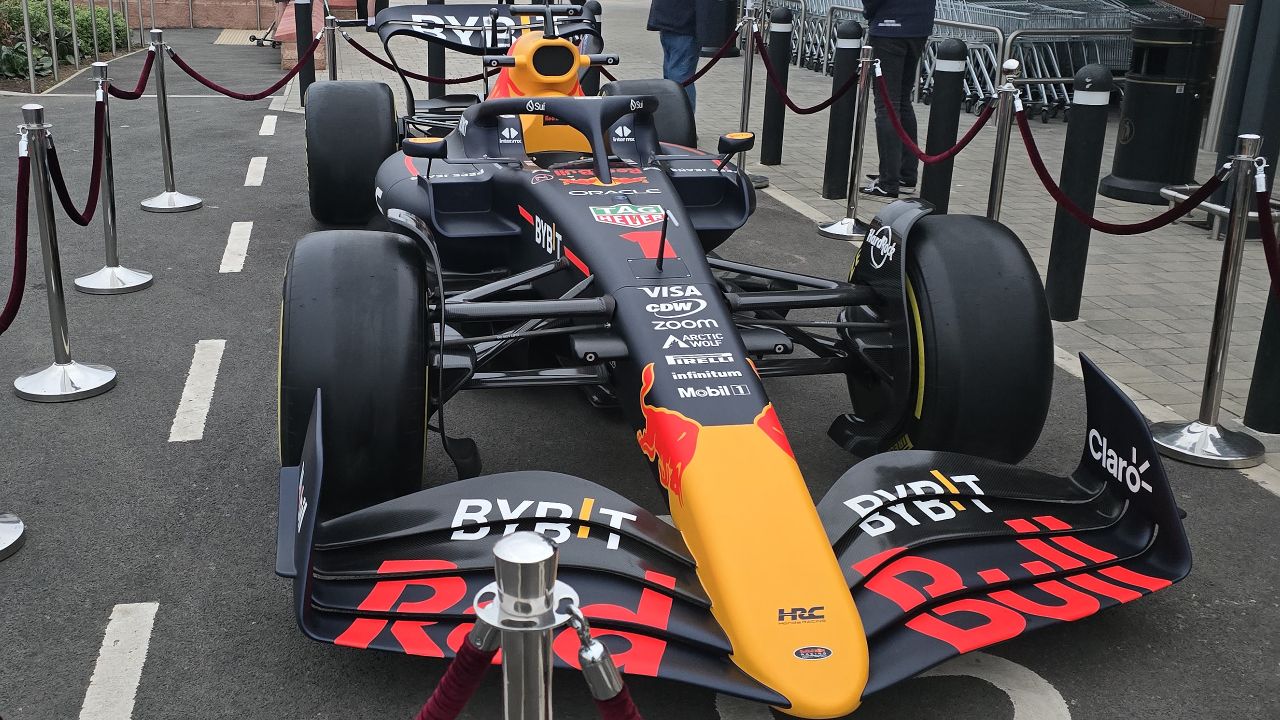
The full maturity of Red Bull’s dynasty-building became clear with the ground-effect regulations and the emergence of the RB19 as one of the most dominant Formula One cars ever produced. Technical analysis of that car highlights how the team “were able to create a floor that runs very, very low and flat up against the track,” extracting more downforce and efficiency from the new rules than any rival. That advantage was not a lucky guess; it was the culmination of years of aerodynamic expertise and a culture that encouraged engineers to push the boundaries of what was possible under the regulations.
What I see in the RB19 is the logical endpoint of Red Bull’s long-standing commitment to innovation as a core value. The same organizational DNA that once made the team a disruptive newcomer now underpins a sustained era of control, with the car’s performance echoing earlier periods when Red Bull’s supremacy was mentioned alongside other “Impressive” examples of dominance in Formula 1 such as peak Mercedes. The team’s ability to translate its culture into a technical package that maximizes a new rule set shows how a modern dynasty is less about reacting to changes and more about building an organization that expects and thrives on them.
Mercedes and the architecture of the hybrid-era juggernaut
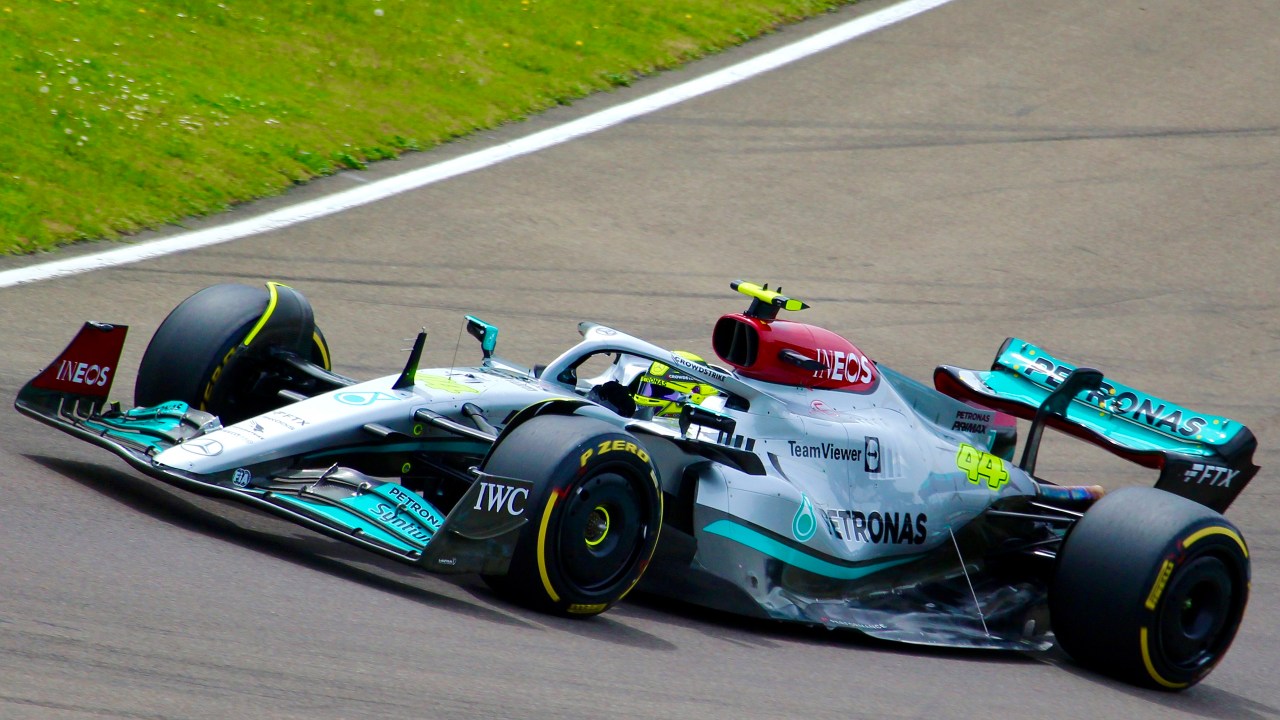
Mercedes approached its own dynasty from yet another angle, constructing a technical empire around the hybrid power unit regulations that reshaped Formula One. The roots of that success lie in the early development of energy recovery systems, when the beginnings of the hybrid era in Formula One were traced back to experiments with harvesting and redeploying energy from braking and exhaust heat. Mercedes engineers recognized that the new rules would reward not just peak power, but the seamless integration of internal combustion, turbocharging, and electric machines into a single, efficient package.
By the time the current hybrid formula arrived, Mercedes had already invested heavily in the architecture that would define its dominance. Technical explainers from the team describe how both electric machines in the power unit are connected within a compact layout that maximizes performance while fitting within the tight constraints of an F1 chassis. Behind that hardware sat Mercedes-AMG HPP in Brixworth, where, since 2010, engineers have developed powertrains that not only win races but also inform the company’s broader electrification strategy. The hybrid success on track became a proof of concept for technology transfer, with the same group in Brixworth shaping both Formula One engines and advanced road-car systems.
Leadership, culture, and the Mercedes winning machine
What turned Mercedes’ technical strength into a dynasty was the way leadership and culture were aligned with that engineering edge. Internal accounts of the team’s identity describe a spirit of dedication in which everyone feels “All in” on success, a mindset tied directly to the leadership story of the Team Principal. That sense of shared purpose created an environment where the chassis group, power unit division, and race operations worked as a single organism, able to respond quickly to regulation tweaks and competitive threats without losing cohesion.
The origin story of the Mercedes F1 era reinforces how deliberate that construction was, with engineers recalling how they adapted early single-cylinder test units and refined their concepts until they were confident the “ingredients were in our hands.” That combination of technical foresight and cultural clarity allowed Mercedes to dominate the early hybrid years to such an extent that later analyses of modern F1 supremacy routinely bracket peak Mercedes alongside the most “Impressive” periods of control by Red Bull. In my view, the team’s real achievement was not just building a fast car for one season, but creating a structure in which innovation, leadership, and long-term planning were mutually reinforcing rather than competing priorities.
Dynasties in context and the shifting competitive horizon
Looking across these three teams, I am struck by how each dynasty reflects a different answer to the same question: how do you turn a fast car into a sustained competitive era. Ferrari leveraged its deep roots, from Enzo Ferrari’s original Scuderia Ferrari racing Alfa Romeo machinery to the later integration of racing and manufacturing, to build a system that could support a run of titles with Michael Schumacher at the center. Red Bull, starting as an upstart with David Coulthard as an early standard-bearer, used a culture that treated “Innovation” as a “Core Value” to first conquer the blown-diffuser era with Renault power and then to produce the RB19 benchmark under ground-effect rules. Mercedes, anchored by Mercedes-AMG HPP in Brixworth and a leadership ethos that kept everyone “All in,” turned mastery of hybrid technology into a decade-defining run.
Those dynasties also shape how I interpret the current and future competitive landscape. Commentators now routinely compare any emerging run of form to what Red Bull achieved in 2023 or what Mercedes did in 2014, using those seasons as shorthand for total supremacy. As teams weigh how much focus to shift from the present campaign to the next set of regulations, the lessons from Ferrari, Red Bull, and Mercedes are clear. The teams that will build the next great era are not simply the ones that find a clever interpretation of the rules, but those that, like these three, align culture, technology, and long-term strategy so completely that dominance becomes a habit rather than a surprise.
More from Fast Lane Only: