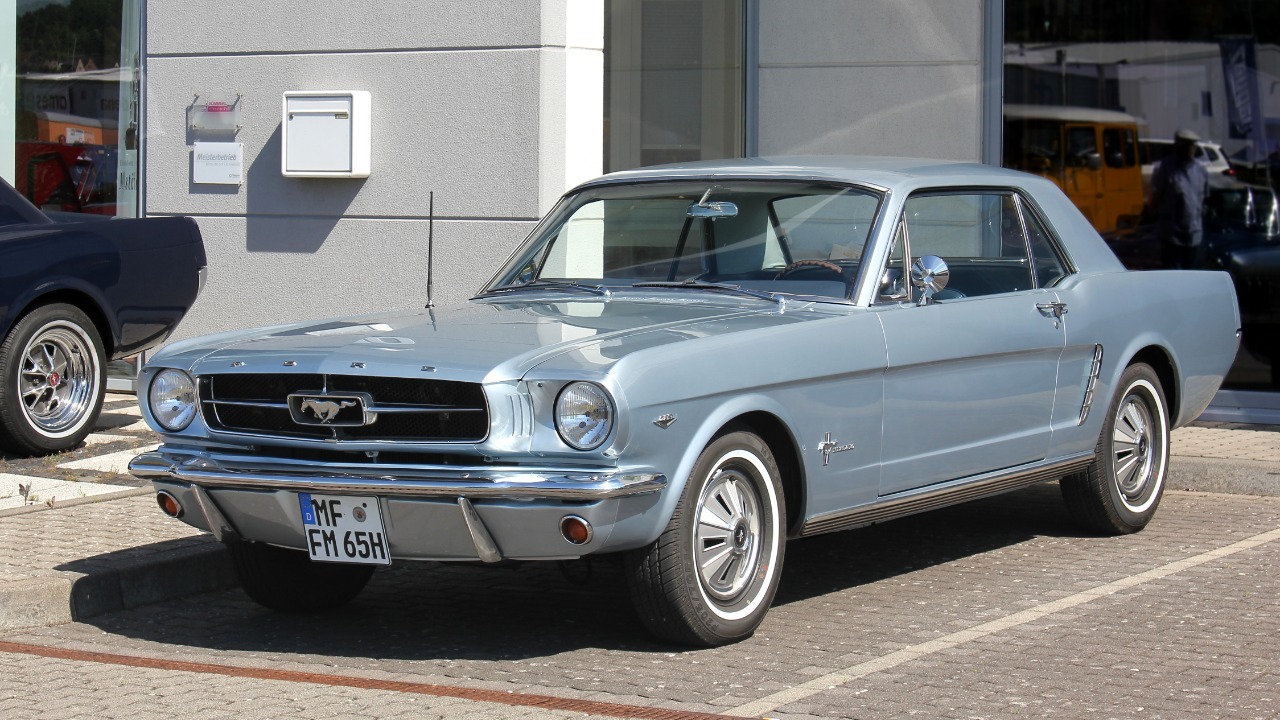
The 1965 Ford Mustang burst onto the automotive scene with a revolutionary design and marketing strategy that captivated the American public, reshaping the auto industry almost overnight. This iconic vehicle not only created a new class of cars known as “pony cars” but also set the stage for a cultural phenomenon that would influence generations.
The Birth of the Mustang
The development of the Ford Mustang was a culmination of visionary leadership and innovative engineering. In the early 1960s, Lee Iacocca, then vice president of Ford, recognized a gap in the market for a sporty yet affordable car that appealed to a younger demographic. This insight led to the Mustang’s creation, which was designed to evoke a sense of excitement and adventure. The development team focused on creating a car that combined performance with style, resulting in a sleek, elongated body and a powerful engine.
Key figures, including designers like Joe Oros and engineers who collaborated closely with Iacocca, played a pivotal role in bringing the Mustang to life. Their vision was not only to create a new vehicle but to establish a new segment within the automotive market. Strategic decisions such as introducing a variety of options for customization—ranging from engine choices to interior features—allowed buyers to personalize their Mustangs, thus enhancing their appeal.
Marketing Mastery
Ford’s marketing strategy for the Mustang was groundbreaking and set a new standard for the automotive industry. The company leveraged innovative advertising techniques, including television commercials that showcased the Mustang’s sporty design and thrilling performance. The Mustang’s debut at the 1964 New York World’s Fair was particularly significant, as it captured the attention of thousands of visitors and generated immense media buzz. This event served as a launch pad for the vehicle, positioning it as a cultural icon.
Targeted advertising that specifically appealed to the youth market transformed the car-buying demographic, with slogans like “The Mustang is the car for the young at heart.” This approach resonated with a generation eager for freedom and self-expression, fostering a sense of ownership and community among Mustang enthusiasts. The Mustang’s marketing campaign was so effective that it quickly became synonymous with youthful rebellion, further solidifying its status in American culture.
The Mustang’s Impact on Automotive Design
The introduction of the Mustang marked a significant shift in automotive design. Its sporty lines and aggressive stance set a new benchmark for aesthetics that competitors soon sought to emulate. The Mustang’s design elements, such as the long hood and short rear deck, became standard features in many subsequent models, influencing not just pony cars but the broader landscape of automotive design.
As the Mustang gained popularity, it spurred the creation of rival vehicles like the Chevrolet Camaro and Pontiac Firebird, which aimed to capture a slice of the burgeoning pony car market. This competition fostered a culture of performance and style, pushing automakers to innovate and develop more powerful engines while keeping prices accessible. The balance of performance and affordability established by the Mustang became a new standard, transforming consumer expectations and shaping industry practices.
Sales Success and Market Response
The Mustang’s sales figures during its first year were nothing short of phenomenal. In the first 12 months after its launch, Ford sold over 400,000 units, a staggering figure that exceeded all expectations. The overwhelming initial demand for the Mustang not only contributed to Ford’s financial success but also bolstered its overall brand image, reinforcing the notion that Ford was a leader in automotive innovation.
This unprecedented sales performance prompted Ford to rethink its production strategies, leading to increased investment in assembly lines and a focus on meeting consumer demand. The success of the Mustang also encouraged other manufacturers to explore new markets and designs, igniting a wave of creativity and competition in the auto industry that would last for decades.
Cultural Significance
The Mustang’s influence extended beyond the automotive world; it became a symbol of freedom and rebellion during the 1960s counterculture. Its sleek design and powerful performance made it a popular choice among young drivers and a fixture in films and music of the era. From the iconic car chase in “Bullitt” to its appearances in songs by artists like The Beach Boys, the Mustang became intrinsically linked to the spirit of the time.
This cultural significance also fostered a strong community among Mustang enthusiasts. Clubs and events dedicated to celebrating the Mustang culture emerged, allowing fans to connect and share their passion for the car. The Mustang’s presence at car shows and racing events solidified its status as more than just a vehicle; it became a cherished part of American automotive history.
Competition and Industry Changes
In response to the Mustang’s runaway success, competitors began to develop their own pony cars, with the Chevrolet Camaro and Pontiac Firebird quickly emerging as notable challengers. The Mustang’s popularity not only spurred the creation of these vehicles but also led to a broader shift in the auto industry towards performance-oriented vehicles. Manufacturers recognized the potential of the pony car segment and began to invest in technologies and designs that catered to a performance-hungry audience.
This competitive landscape fostered an environment of innovation, as automakers strived to offer features that would differentiate their models from the Mustang. As a result, the pony car segment blossomed, and the market saw a surge in performance-oriented vehicles that catered to consumers’ desires for speed and style. The Mustang’s impact on the industry was profound, laying the groundwork for a new era of automotive design and engineering.
Technological Innovations
The Ford Mustang was not only a stylistic revolution but also a technological one. When it first launched, it offered a range of engine options—from a modest inline-six to a powerful V8—that appealed to various buyers. This flexibility allowed customers to choose a model that matched their performance desires and budgets. Over the years, the Mustang continued to evolve, integrating technological advancements that improved performance, safety, and fuel efficiency.
Consumer feedback played a crucial role in shaping subsequent Mustang models. Ford actively listened to its customers, leading to enhancements in design and technology that kept the Mustang relevant in an ever-changing market. Innovations such as electronic fuel injection and improved handling systems were introduced in later models, which not only improved the driving experience but also set new standards in automotive engineering.
Legacy and Continued Evolution
The legacy of the Ford Mustang is a testament to its ability to adapt and remain relevant through the decades. As consumer preferences shifted towards more environmentally friendly vehicles, Ford responded by introducing hybrid and electric versions of the Mustang. The Mustang Mach-E, an all-electric SUV, is a prime example of how the brand has embraced innovation while staying true to its roots.
Despite the changes, the Mustang has maintained its status as an automotive icon, consistently capturing the imagination of new generations. The ongoing cultural impact of the Mustang can be seen in various forms, from nostalgic car shows to modern-day media portrayals. Its legacy is not just about being a car; it’s about being a symbol of American spirit and ingenuity that continues to resonate with enthusiasts and casual drivers alike.
The Mustang’s significance in shaping the auto industry landscape cannot be overstated. It paved the way for future automotive designs and marketing strategies, establishing a benchmark that many have sought to replicate. As a cornerstone of American automotive history, the Mustang represents more than just a vehicle; it embodies the dreams and aspirations of generations of car lovers.
More from Fast Lane Only