In an automotive landscape often characterized by conventional solutions, certain vehicles have successfully carved out their own unique paths. These innovators not only address the needs of their drivers but also challenge the status quo, providing fresh perspectives on design, technology, and sustainability. Here are eight vehicles that have tackled problems differently than everyone else.
Tesla Model S: Reinventing Electric Performance

The Tesla Model S has become synonymous with electric performance since its debut in 2012. Unlike traditional electric vehicles that prioritize efficiency over speed, the Model S redefined expectations by offering exhilarating acceleration and impressive range. With a 0-60 mph time of just 1.99 seconds for the Plaid variant, it has outpaced many high-performance gas-powered cars. The integration of cutting-edge technology, such as over-the-air updates and Autopilot, showcases Tesla’s commitment to continuous improvement and innovation.
Furthermore, the Model S has helped to shift public perception of electric vehicles from niche products to desirable consumer options. By addressing the concerns around range anxiety and performance, Tesla has opened the door for more mainstream adoption of electric vehicles. This transformation is evident as many major manufacturers now strive to create competitive electric cars, emulating the game-changing approach initiated by Tesla.
Mercedes-Benz G-Class: The Luxury Off-Roader
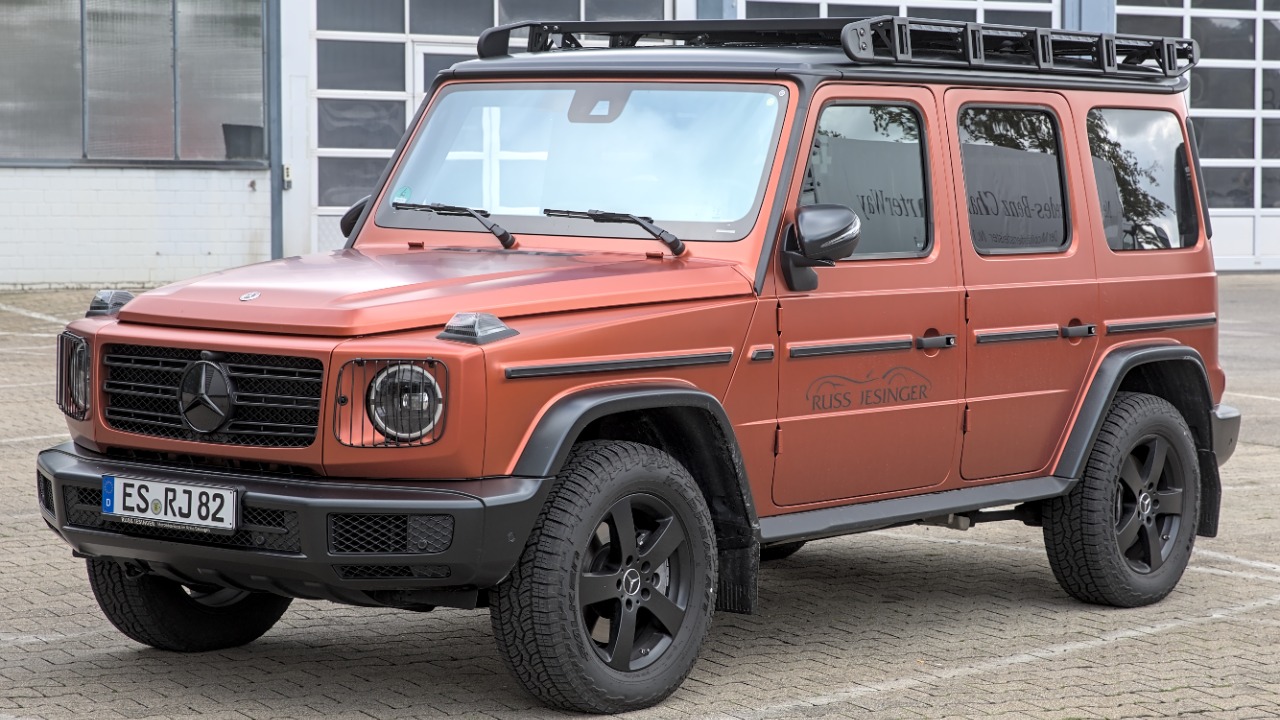
The Mercedes-Benz G-Class stands out in the luxury SUV segment by combining rugged off-road capabilities with upscale features. Initially designed as a military vehicle in the late 1970s, the G-Class has evolved into a symbol of luxury, boasting opulent interiors and advanced technology. Its boxy design, while not aerodynamically efficient, has become iconic, appealing to those who value both style and functionality.
Equipped with state-of-the-art technology, the G-Class offers features like a digital cockpit and advanced driver assistance systems, which enhance both on-road and off-road experiences. Its ability to traverse difficult terrains without compromising on comfort and luxury is a testament to how Mercedes-Benz has redefined the luxury SUV category. The G-Class remains a prime example of how a vehicle can deliver both adventure and elegance.
Toyota Prius: Mainstreaming Hybrid Technology
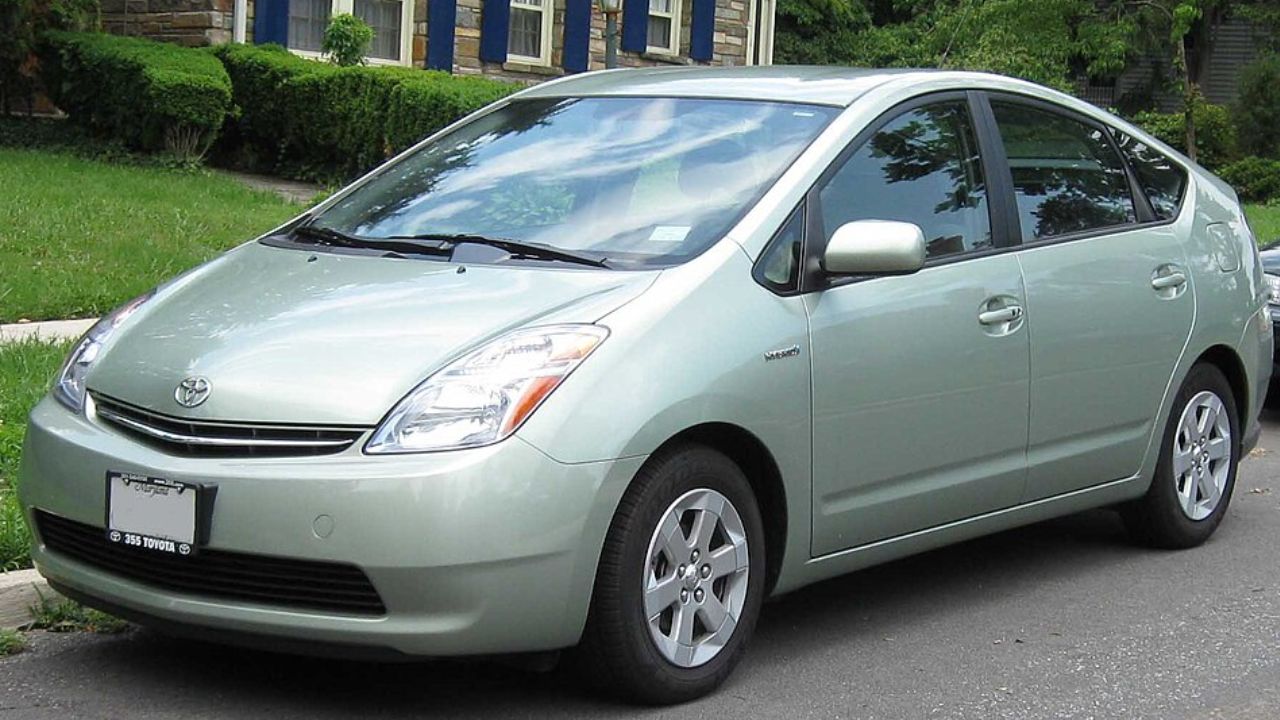
The Toyota Prius, launched in 1997, has played a pivotal role in bringing hybrid technology into the mainstream. As one of the first mass-produced hybrids, it addressed environmental concerns while providing a practical solution for everyday driving. The Prius’s distinctive design and fuel efficiency made it an instant hit among eco-conscious consumers, proving that sustainable driving could be accessible and stylish.
By prioritizing fuel efficiency and low emissions, the Prius has paved the way for other automakers to develop their own hybrid and electric models. Its success has influenced industry standards, prompting a shift towards greener technologies across the automotive landscape. Today, the Prius remains a symbol of how hybrid vehicles can solve ecological issues without sacrificing performance or comfort.
Land Rover Defender: Combining Classic Design with Modern Tech

The Land Rover Defender has long been revered for its rugged capability and classic design. The latest iteration, reintroduced in 2020, successfully marries traditional aesthetics with cutting-edge technology. It offers impressive off-road capabilities, including advanced traction control and customizable driving modes, making it suitable for both urban and rural environments.
Land Rover’s approach to the Defender exemplifies how a brand can honor its heritage while innovating for modern needs. The new model includes features such as a touchscreen infotainment system and driver assistance technologies, which enhance safety and convenience. By staying true to its roots while embracing modern advancements, the Defender continues to be a favorite among adventurers and luxury SUV enthusiasts alike.
Honda Ridgeline: The Unconventional Pickup
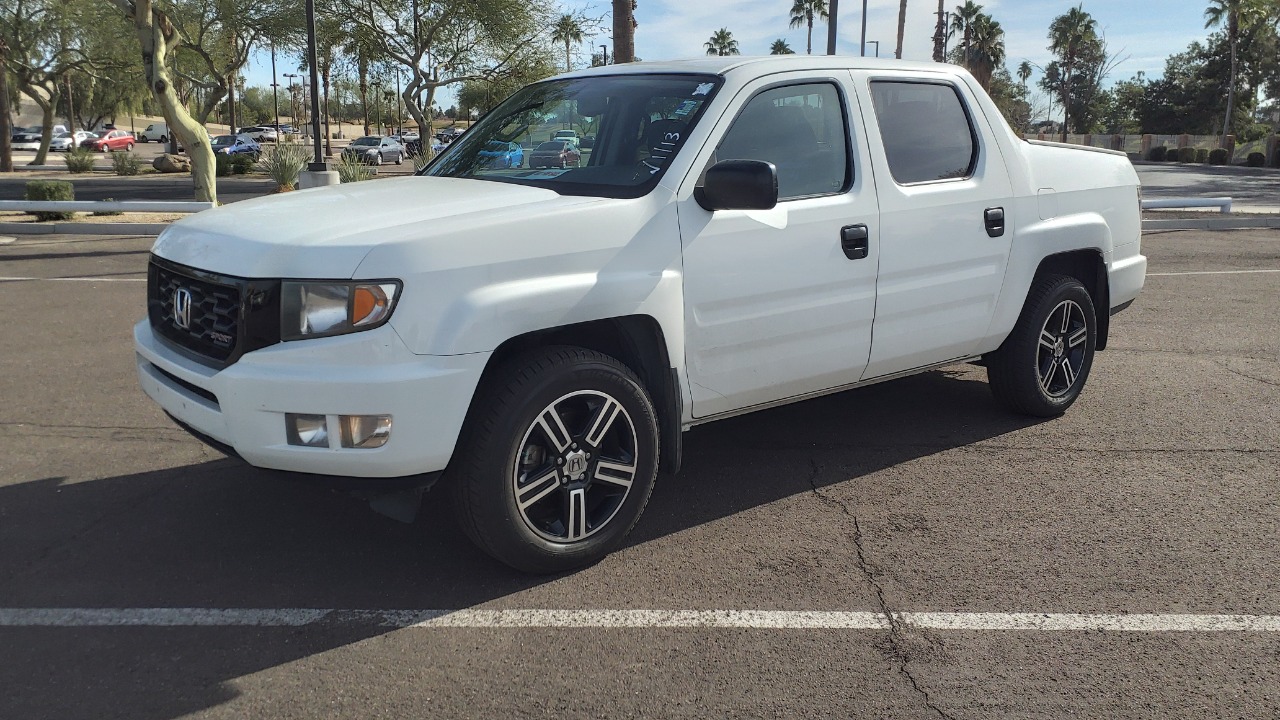
The Honda Ridgeline stands apart from traditional pickups by offering a unibody design that enhances comfort and ride quality. While many trucks prioritize ruggedness and towing capacity, the Ridgeline focuses on versatility and practicality. Its innovative features, such as an in-bed trunk and a dual-action tailgate, cater to the needs of everyday users, making it more than just a workhorse.
This approach has allowed Honda to attract a different kind of truck buyer—one who values daily usability over sheer power. The Ridgeline’s emphasis on comfort and technology, including a user-friendly infotainment system, sets it apart from competitors. In a market dominated by conventional pickups, the Ridgeline proves that there’s room for a more innovative, user-centric approach.
BMW i3: Urban Mobility with a Sustainable Twist
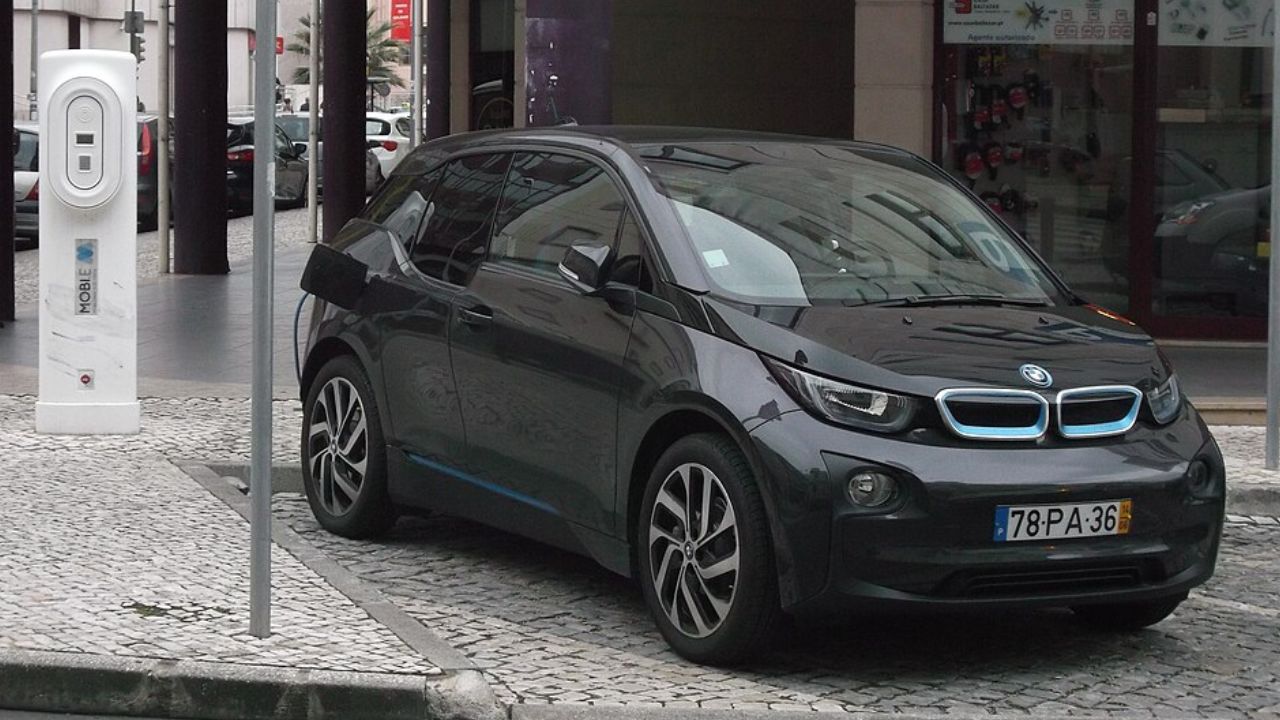
The BMW i3 represents a bold step into the future of urban mobility. Launched in 2013, it was one of the first fully electric vehicles designed specifically for city driving. With its compact size and nimble handling, the i3 tackles urban congestion while offering zero emissions. What sets it apart is its unique materials, including a carbon-fiber-reinforced plastic body and sustainable interior choices, showcasing BMW’s commitment to eco-friendly practices.
Moreover, the i3’s innovative design pushes the envelope of conventional vehicle aesthetics, making it an eye-catching option on the road. While it may not have the range of larger electric vehicles, its efficiency and practicality for city dwellers demonstrate a different approach to sustainable transportation. The i3 has inspired other automakers to think creatively about urban vehicle design and functionality.
Ford F-150 Lightning: Electric Power Meets Workhorse Capability
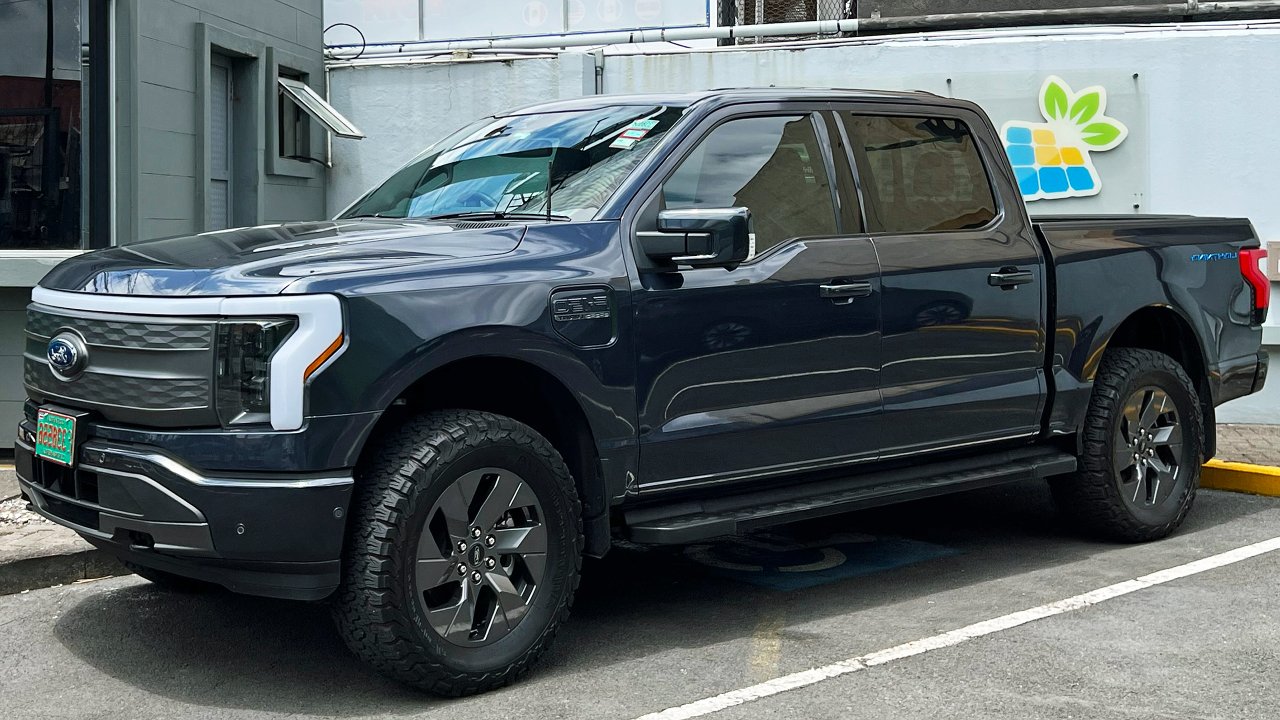
The Ford F-150 Lightning marks a significant shift in the pickup truck market by offering an all-electric version of the best-selling F-150. Launched in 2021, it combines the traditional ruggedness of the F-Series with the benefits of electric power. With impressive torque and payload capacity, the Lightning is designed for both work and play, making it an attractive option for traditional truck enthusiasts.
Ford’s innovative use of technology, such as bidirectional charging, allows the Lightning to power homes during outages, further enhancing its practicality. This forward-thinking approach not only addresses the growing demand for electric vehicles but also retains the functionality that truck owners expect. The F-150 Lightning serves as a prime example of how manufacturers can adapt existing models to meet the evolving needs of consumers.
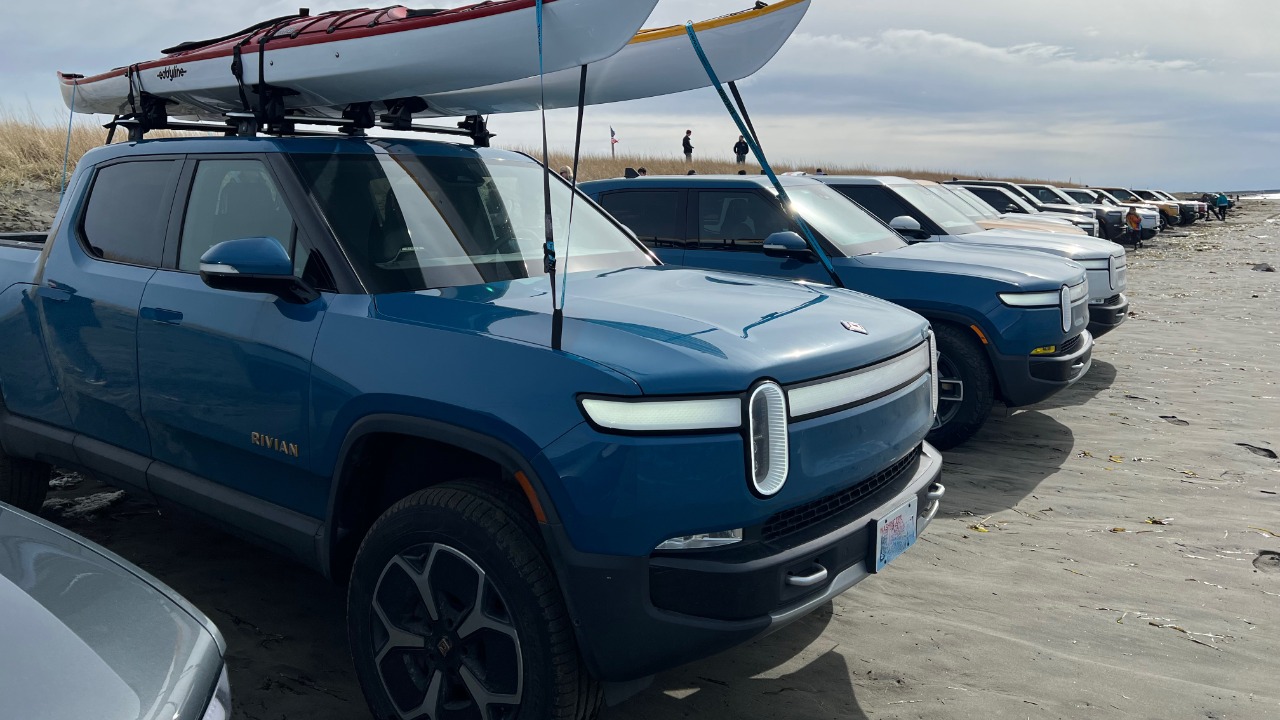
Rivian R1T: Adventure-Ready Electric Truck

The Rivian R1T has emerged as a game-changer in the electric vehicle landscape by combining adventure-ready features with sustainability. Launched in 2021, this electric truck is designed for off-road enthusiasts who seek both performance and eco-friendliness. Its quad-motor system provides exceptional torque and traction, making it capable of tackling various terrains.
Rivian’s focus on outdoor exploration is evident in features like the gear tunnel for storage and built-in camp kitchen options. By addressing the needs of adventure seekers, Rivian has carved a niche in the competitive electric truck segment. The R1T represents a unique approach to electric mobility, proving that electric vehicles can also cater to an adventurous lifestyle.
More from Fast Lane Only
- Unboxing the WWII Jeep in a Crate
- 15 rare Chevys collectors are quietly buying
- 10 underrated V8s still worth hunting down
- Police notice this before you even roll window down
*Research for this article included AI assistance, with all final content reviewed by human editors.