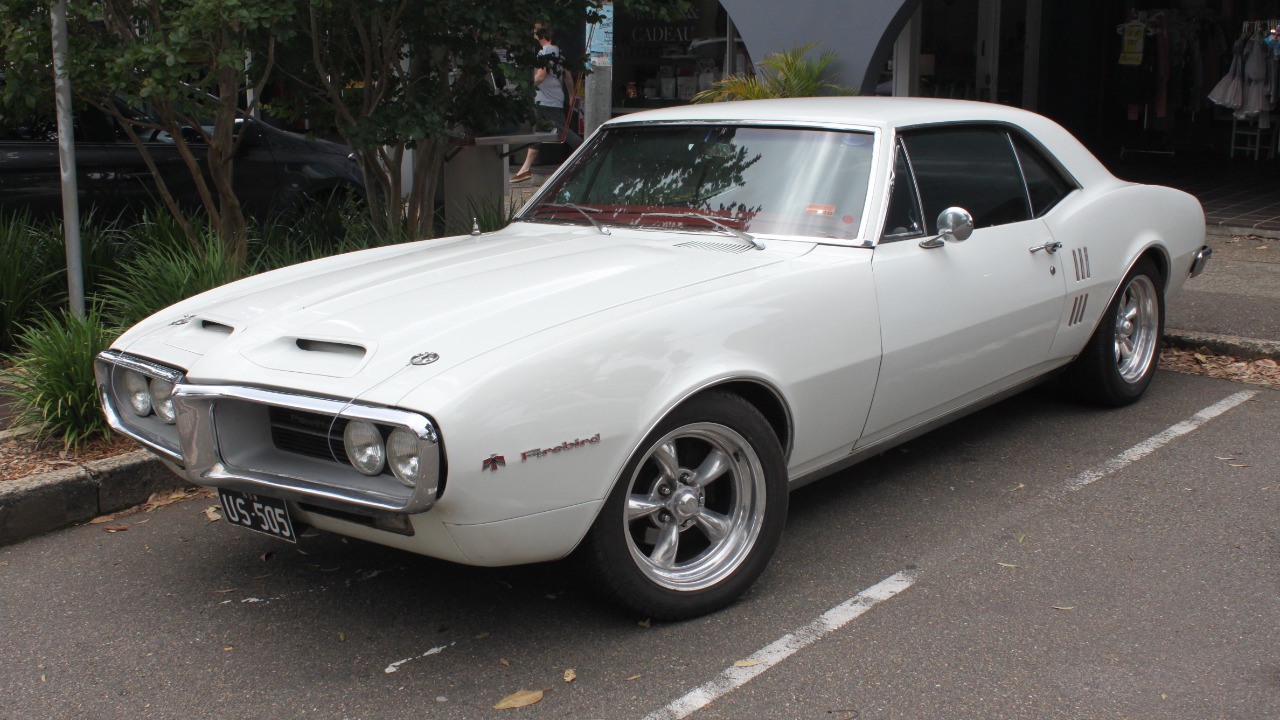
The 1967 Pontiac Firebird and the first-year Chevrolet Camaro arrived as corporate cousins that chased the same buyers but spoke different design languages. Both cars helped General Motors answer the pony car wave, yet each model carved out a distinct identity in performance, styling, and image that still shapes collector debates today.
Enthusiasts now look back at that first model year as a fork in the road for GM’s sporty coupes, with the Firebird leaning toward refinement and the Camaro leaning toward raw aggression. The comparison between those debut versions reveals how two cars could share hardware yet deliver very different experiences behind the wheel and at the curb.
Shared mission, different personalities
General Motors positioned the 1967 Firebird and Camaro as a direct response to the Ford Mustang and the wider pony car market. The company used a common F-body platform so the Pontiac Firebird and Chevrolet Camaro could reach showrooms quickly while still offering distinct flavors for buyers who wanted style and muscle right from the start. Enthusiasts note that the Pontiac Firebird and Chevrolet Camaro debuted together as GM’s answer to the Ford Mustang, and they highlight how both cars delivered serious performance from day one, a point reinforced in one detailed discussion of the Pontiac Firebird and its sibling.
GM engineers treated the pair like siblings that shared DNA but grew into different personalities. One video breakdown notes that Camaro and Firebird, cousins from GM, share some DNA yet present contrasting characters, with the Camaro described as more racy while the Firebird comes across as more refined and stylish. That framing captures how the Camaro chased a harder edged image, while the Firebird leaned into a slightly upscale feel, a contrast that still defines how fans talk about Camaro and Firebird today.
How Pontiac positioned the Firebird
Pontiac did not simply clone the Camaro, it pitched the Firebird as a slightly more mature choice. One comparison from Aug 30, 2021 describes how Pontiac marketed the 1967 Firebird as another “Junior Corvette” that appealed to family men who wanted a sporty feel with practical four seat usability. That same analysis notes that the car also attracted people with more money who wanted something a bit more polished than a basic Camaro, a positioning that helped the Junior Corvette label stick.
The Pontiac Firebird also carried the weight of brand identity inside General Motors. The Pontiac Firebird was a performance oriented car produced by Pontiac, a division of General Motors, from 1967, and it joined a lineup that already leaned heavily on speed and style. That heritage mattered because Pontiac wanted the Firebird to stand with rivals like the Ford Mustang while still feeling like a Pontiac, a goal that shaped everything from the split grille to the available performance packages on The Pontiac Firebird.
Camaro’s harder edge and shared platform
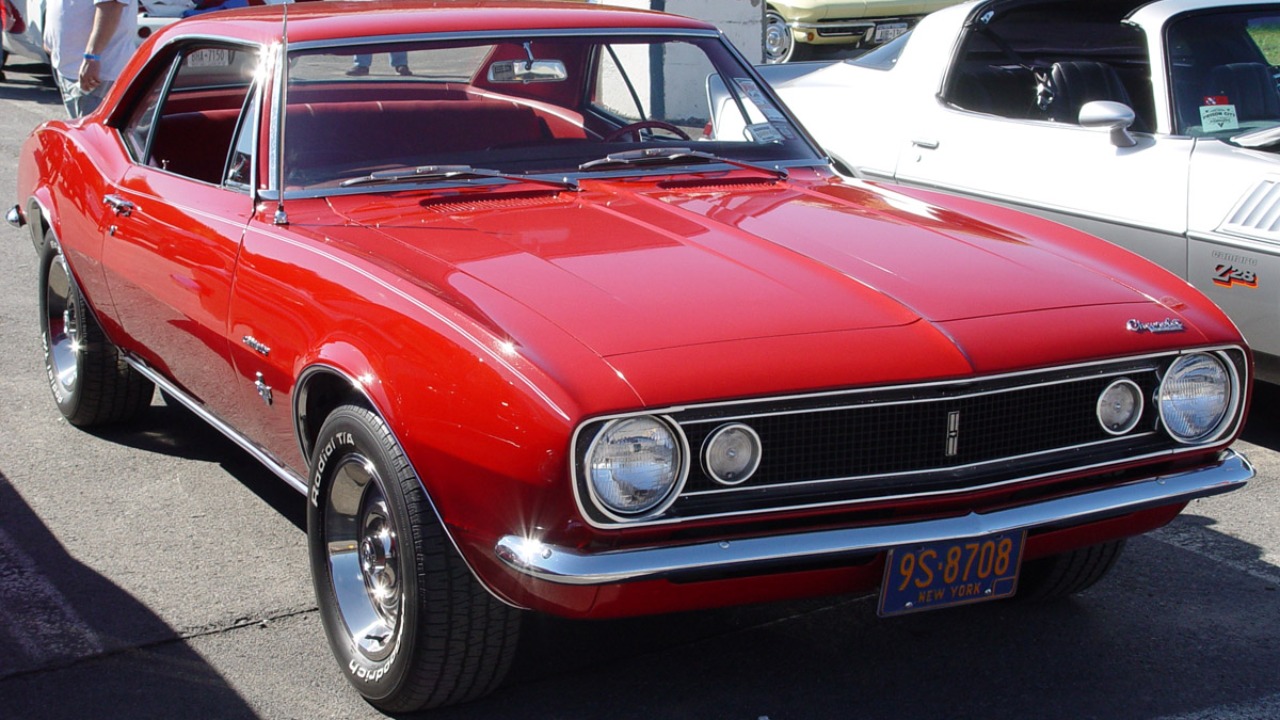
Chevrolet aimed the first-year Camaro at buyers who wanted a more aggressive pony car. Enthusiasts often describe the Camaro as the brawler of the pair, with sharper lines and a more overt performance posture that contrasted with the Firebird’s slightly dressier look. One enthusiast post from Nov 28, 2024 calls the 1967 Chevrolet Camaro the Firebird’s “sister car” and stresses that The Firebird and The Camaro shared basic bones but diverged through distinctive Pontiac styling cues and Chevrolet details, a distinction that still shapes how fans choose between Chevrolet Camaro and its sibling.
Under the skin, the two cars shared a platform that let GM spread development costs while still tailoring each model. One detailed overview notes that it shared its platform with the Camaro but had a more unique look, often featuring split grilles and distinct body lines that set the Firebird apart. That same discussion highlights how this shared architecture helped GM compete in the pony car market and maintain a rivalry with the Mustang, even as Pontiac and Chevrolet tuned their cars differently on the common F-body Camaro chassis.
Engines, specifications, and performance character
Powertrain choices helped separate the 1967 Firebird from the first-year Camaro even when the two cars shared some mechanical pieces. Pontiac offered a wide range of engines, including a notable overhead cam six that gave the Firebird a technical talking point. Specifications for the 1967 Firebird list Engines that include a sohc I-6 with 230 cubic inches, with bore and stroke figures of 3.88 by 3.26 inches and output ratings of 165 and 215 brake horsepower, details that underline how Pontiac tried to blend innovation with traditional V8 muscle in the Specifications.
Camaro buyers saw a similar spread of sixes and V8s, but Chevrolet leaned harder on the image of small block power and track ready options. Enthusiasts often recall that the Camaro felt more raw and racy, while the Firebird delivered a smoother, more refined experience even when both cars used comparable engines. One enthusiast group post that references Edmunds notes that the First Generation, covering 1967 through 1969, required Pontiac to move quickly to get the Firebird into production, and that urgency shaped how the Firebird lineup evolved from the initial 1967 launch. That same discussion highlights how Here, fans still debate how the Firebird stacked up against the Camaro in that First Generation, with Edmunds and others pointing to the Firebird’s engineering choices as a key part of the First Generation story.
Styling cues and interior feel
Design details did as much as horsepower to separate the 1967 Firebird from the first-year Camaro. Pontiac designers gave the Firebird a more ornate front end, with split grilles and unique body lines that signaled a premium intent. One enthusiast summary from Aug 19, 2025 notes that the Firebird shared its platform with the Camaro but had a more unique look, often featuring split grilles and distinct body lines that reinforced Pontiac’s identity, a contrast that helped the car stand out even when parked next to a Aug built Chevrolet.
Chevrolet stylists pushed the Camaro toward a leaner, more aggressive face that matched its racier reputation. Later F-body generations kept that split, with one technical overview explaining that The Camaro and Firebird were still produced with different front end styling, where The Camaro featured a front bumper and grille that created a more modern look and improved ergonomics. That analysis underscores how GM treated styling as a key differentiator between The Camaro and Firebird from the start, a strategy that began with the 1967 models and continued through later The Camaro and Firebird updates.
Legacy of the first-year matchup
Collectors now view the 1967 Firebird and first-year Camaro as foundational cars that set the tone for decades of rivalry. Enthusiasts on social platforms often celebrate both models in the same breath, noting how the Pontiac Firebird and Chevrolet Camaro debuted as GM’s answer to the Ford Mustang and delivered muscle right from the start. One discussion thread from Aug 1, 2025 revisits that launch moment and frames both cars as too nice to pass up, a sentiment that captures how fans still struggle to choose between Chevrolet Camaro and Firebird.
Fans also continue to debate which car better captured the spirit of the era. Some point to the Camaro’s racier edge and track ready image, while others favor the Firebird’s refined styling and unique engineering touches. One enthusiast reflection from Apr 6, 2025 recalls the first car that made a fan say, oh yeah, and then cites Edmunds on how the First Generation Firebird, covering 1967 through 1969, came together quickly to meet market demand. That same post underscores how the Firebird, Here presented as a standout among early pony cars, still inspires strong reactions from people who weigh it against the Camaro and the Firebird rivals of its day.