Serious buyers treat a 1968 Pontiac GTO like a blue chip stock, and the option sheet often decides the final price. Certain drivetrains, body styles, and comfort features now separate investment grade cars from nice drivers, so understanding which boxes matter can protect a budget and unlock upside.
Body style, rarity and the value of documentation
Collectors usually start with body style, because scarcity and desirability move the needle before any other option. Hardtops remain more common, while convertibles sit in a smaller pool that often commands a premium when condition and equipment line up. One detailed breakdown of rare GTO production notes that Pontiac built a large number of 1968 cars, however only about 9,000 used the convertible body style, and digging into that figure reveals that just 22 GTOs combined a convertible shell with a specific high end configuration, which now ranks among the rarest of the 68 GTOs and illustrates how quickly value climbs when low volume options stack together, as shown in this analysis of 10 rarest Pontiac GTO muscle cars.
Paperwork then turns a desirable configuration into a proven asset, because buyers pay more when they can verify what the car carried from new. One California example shows how Pontiac Historical documentation, a matching VIN, and original drivetrain components support a strong asking price, since the seller highlights a Pontiac Historical verified GTO, a matching VIN number, and a California history to reassure shoppers that the car still matches its build record, as seen in this walk around of a 1968 GTO at Volo Auto Museum.
Drivetrain choices that move the market
Engine and transmission choices usually deliver the biggest jumps in value, because they define performance and rarity in one stroke. Enthusiasts chase high output and Ram Air combinations, and they often pay a premium for four speed cars that still retain their original components. A detailed feature on a high specification 1968 GTO notes that the first owner did not spare any expenses and ordered a car with HO muscle and a long list of extras, and the coverage explains that these power focused options now sit at the core of the car’s appeal, since they combine strong performance with period correct specification, as described in this report on an all original 1968 GTO with HO muscle.
Special engines like Ram Air II sit even higher on the ladder, because they pair low production with documented provenance. One detailed video profile shows Steve Magnante walking through a 1968 Pontiac GTO Ram Air 2 and stressing that the car gained extra credibility when Jim Madison at PHS Pont Pontiac Historical Services verified its configuration, and that combination of a rare Ram Air 2 drivetrain with PHS backed paperwork now places the car in a top tier bracket for collectors, as seen in this feature where Steve Magnante talks about a 1968 Pontiac GTO Ram Air 2.
Transmissions, front end parts and project car math
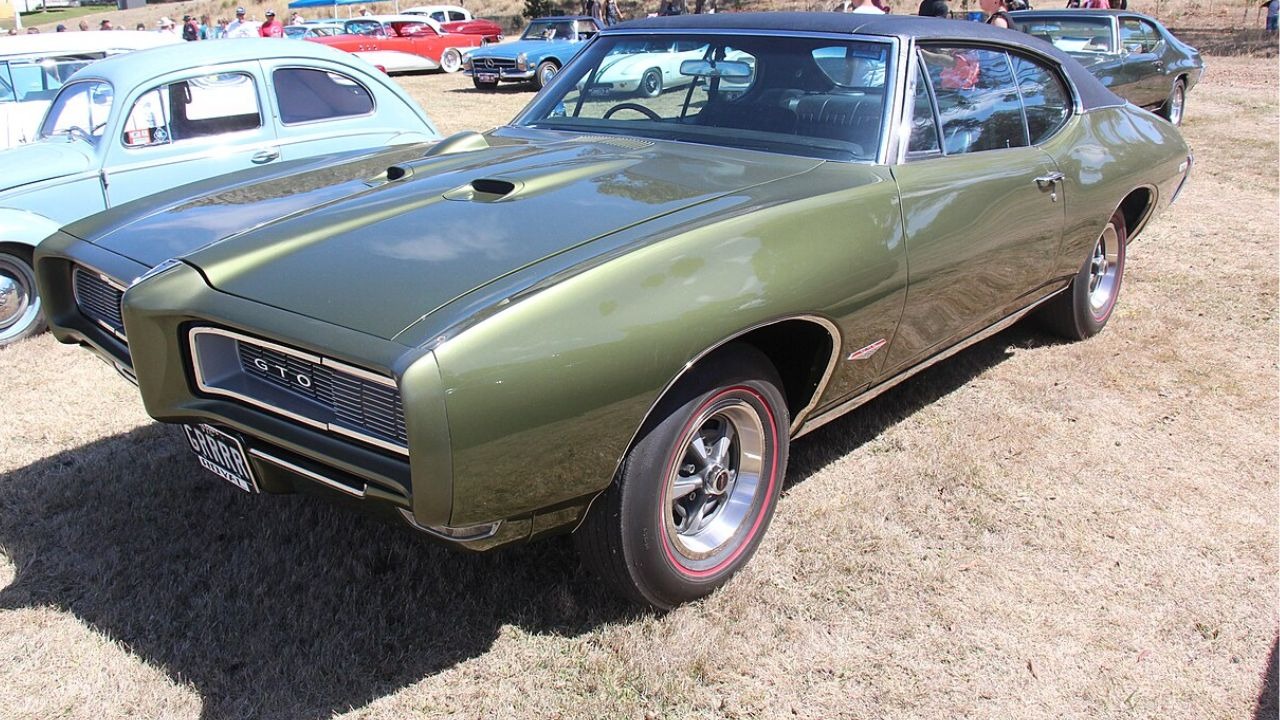
Transmission choice can add value even before a car reaches show quality, because buyers often pay more for a four speed shell that needs work than for an automatic driver. A lively discussion among owners about a rough 1968 GTO priced at 4,000 dollars shows this logic in real time, where one participant states that the Front Nose is worth that by itself and another notes that with it being a 4 speed Car they would say it is Worth it, while others warn that the Just understand that Car needs a lot of money line reflects the reality that a buyer will need another 50 to 100 g to restore it, and several voices urge the shopper to run from the deal, as captured in this debate over whether a 1968 GTO is worth 4,000 dollars.
That exchange underlines two key lessons for buyers who chase value rather than headaches. First, rare drivetrain parts and unique front end components can justify a higher entry price, but only when the total restoration budget still makes sense against finished values. Second, shoppers should treat project cars like spreadsheets, because a cheap four speed shell that needs 50,000 to 100,000 dollars in metal work, paint, and mechanical parts can quickly outstrip the value of a finished driver that already carries the right options and documentation.
Comfort, luxury and air conditioning premiums
Performance options grab headlines, but luxury features now play a growing role in how buyers rank 1968 GTOs. Power accessories, upgraded interiors, and factory air conditioning often separate top tier cars from otherwise similar builds, especially when they remain intact and functional. One in depth story on a highly optioned 1968 GTO explains that the first owner did not spare any expenses and ordered power everything, including windows and other comfort features that were borderline opulence back then, and that lavish specification now helps the car stand out in a crowded market of more basic builds, as detailed in the coverage of an all original 1968 GTO with super expensive options.
Factory installed air conditioning has become especially important, because it blends comfort with originality in a way that modern buyers appreciate. A feature on a numbers matching 1968 Pontiac GTO notes that under the hood the car sports chrome valve covers and factory installed air conditioning, and the piece highlights that this system now ranks as a sought after option that boosts desirability for drivers who want period correct hardware with real world usability, as shown in the profile of a numbers matching 1968 Pontiac GTO with factory air.
Color, presentation and the appeal of turnkey cars
Color combinations and overall presentation also shape value, because buyers often pay more for cars that look ready for a show field or a weekend cruise. Triple black convertibles, for example, sit near the top of many wish lists, since they combine a dramatic appearance with the inherent appeal of an open top GTO. A detailed video tour by Tony Fleming shows a 1968 Pontiac GTO Convertible finished in triple black, and Tony Fleming explains that Fleming’s Ultimate Garage treats the car as a showcase example, which underlines how a striking color scheme and clean detailing can elevate a well optioned convertible into a premium priced piece, as seen in this walk around of a 1968 Pontiac GTO Convertible.
Turnkey presentation also reduces risk for buyers who lack the time or budget for a full restoration. The California car with Pontiac Historical documentation and a matching VIN shows how a clean, finished GTO can attract attention as a ready to enjoy package, especially when the seller highlights that the car already carries a documented history and a presentable finish, as demonstrated in the video tour of the 1968 GTO at Volo Auto Museum.