Pontiac’s 1968 Firebird Ram Air I and Ram Air II engines sit at the heart of one of muscle history’s sharpest debates. Both packages turned a stylish pony car into a serious street and strip weapon, yet they delivered that performance in very different ways. Understanding how Pontiac evolved from Ram Air I to Ram Air II helps explain why collectors and racers still separate these engines into distinct performance tiers.
The two options shared the same basic 400 cubic inch foundation, but Pontiac engineers treated the Ram Air II as a focused upgrade rather than a simple revision. Changes in heads, camshaft, compression, and supporting hardware pushed the later package into a more aggressive, high rpm personality. Those differences now drive major gaps in value, rarity, and reputation among 1968 Firebird fans.
Factory context and availability for Ram Air I and Ram Air II
Pontiac introduced the Ram Air I package as a way to give the Firebird 400 a factory sanctioned performance edge. Engineers kept the basic 400 block but added specific heads, a hotter cam, and functional cold air induction. Production numbers for Ram Air I Firebirds stayed low, which reflected the niche appeal of a higher priced performance option in a crowded muscle market, as documented in detailed Ram Air I breakdowns.
The Ram Air II package arrived later in the 1968 model year and targeted buyers who wanted a more competition oriented engine. Pontiac limited Ram Air II availability and built far fewer cars, which created a second, even smaller performance subset within the Firebird lineup. Surviving records and enthusiast research show that Ram Air II Firebirds carried unique engine codes and components that distinguish them from earlier Ram Air I cars, as outlined in Ram Air II production data.
Core engine architecture and internal component changes
Both Ram Air I and Ram Air II engines used Pontiac’s 400 cubic inch V8 architecture, but the internal details diverged. The Ram Air I relied on a forged bottom end and performance oriented camshaft that balanced street manners with strong midrange torque. Pontiac rated the Ram Air I at 335 horsepower in Firebird trim, with a focus on usable power rather than extreme rpm capability, as noted in period style engine specifications.
The Ram Air II kept the same displacement but adopted more aggressive internals that favored high rpm breathing. Pontiac engineers specified a hotter cam profile, revised valve train components, and stronger rotating parts to support sustained high speed operation. Factory literature and enthusiast documentation list the Ram Air II at 340 horsepower, but many tuners and historians consider that rating conservative based on the upgraded hardware described in factory style specs.
Cylinder heads, compression, and airflow differences
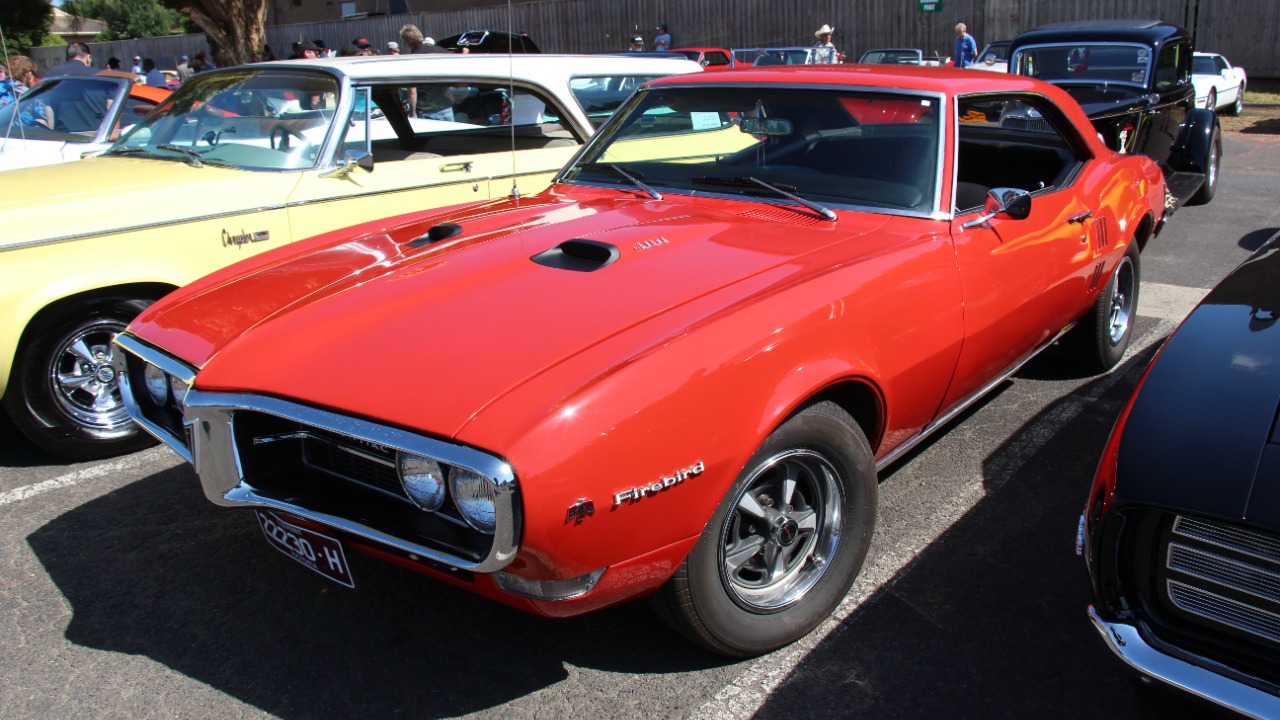
The most important separation between Ram Air I and Ram Air II engines came from their cylinder heads. Ram Air I Firebirds used high performance castings that improved flow over standard 400 heads but still favored a broad torque curve. These heads carried specific casting numbers and valve sizes that matched the engine’s moderate compression and cam profile, as detailed in head casting references.
Pontiac treated the Ram Air II heads as a major step forward in airflow and high rpm efficiency. Engineers used revised port shapes, larger valves, and different combustion chamber details to support higher compression and better breathing at elevated engine speeds. Documentation from enthusiasts and restorers highlights the unique Ram Air II casting numbers and flow characteristics, which separate these heads from earlier Ram Air I pieces in both performance and collector value, as shown in head and port data.
Induction, exhaust, and supporting hardware
Both Ram Air packages relied on functional cold air induction, but the supporting hardware evolved between the two. Ram Air I Firebirds used a specific hood scoop setup, air cleaner assembly, and under hood ducting that fed cooler outside air to the carburetor. Pontiac paired this system with a performance calibrated carb and cast iron exhaust manifolds that improved flow over base 400 parts, as described in induction component lists.
The Ram Air II package refined that approach with additional attention to breathing on both the intake and exhaust sides. Pontiac specified different exhaust manifolds and tuned the carburetor and distributor to match the more aggressive cam and heads. Enthusiast research notes that Ram Air II cars carried unique part numbers for several under hood components, including manifolds and air cleaner pieces, which help restorers verify authenticity using factory style part references.
Drivetrain, gearing, and real world performance
Pontiac matched the Ram Air I engine with driveline choices that kept the Firebird usable as a daily driver. Buyers could order manual or automatic transmissions, and rear axle ratios favored a blend of acceleration and highway comfort. Period style performance figures and modern recreations show Ram Air I Firebirds running strong quarter mile times while still tolerating regular street use, as reflected in performance summaries.
The Ram Air II package leaned harder into drag strip oriented gearing and transmission choices. Pontiac often paired the hotter engine with closer ratio manual gearboxes and steeper rear axle ratios that kept the engine in its power band. Enthusiast testing and historical accounts credit Ram Air II Firebirds with quicker elapsed times and higher trap speeds than comparable Ram Air I cars, even when factory horsepower ratings appeared similar, as supported by quarter mile reports.
Rarity, identification, and collector implications
Production numbers for both Ram Air packages stayed low, but Ram Air II Firebirds reached a different level of scarcity. Researchers who track Pontiac records and surviving cars report that Ram Air I Firebirds already qualify as rare, with limited documented builds. These cars carry specific engine codes, block stampings, and option combinations that help owners confirm authenticity using identification guides.
Ram Air II Firebirds appear in far smaller quantities, which magnifies the importance of correct documentation and matching components. Collectors look for unique engine codes, head castings, and drivetrain tags that tie a car to the factory Ram Air II package. Detailed registries and decoding charts show how these clues separate genuine Ram Air II cars from clones or converted Ram Air I examples, and they highlight why verified Ram Air II Firebirds command a premium in the market, as outlined in collector focused research.