The 1970 Camaro RS did more than introduce a new face to Chevrolet’s pony car. It reset the visual language of the Camaro line, trading the upright, first‑generation look for a sleeker, more European‑influenced profile that would echo through every later generation. By separating style from pure performance and making the RS package a design statement in its own right, Chevrolet created a template for how the Camaro would balance aggression and elegance for decades.
The leap from first generation to a new design language
The shift from the original Camaro to the 1970 model was not a gentle evolution, it was a clean break that signaled a new design philosophy. Where the first generation leaned on simple, upright lines and a conventional pony‑car stance, the second generation stretched the proportions, lowered the roofline, and emphasized curves over angles. Contemporary retrospectives describe how the second‑generation Camaro kept the earlier car’s “clean lines and distinctive character traits,” but wrapped them in a body that looked longer, lower, and more sophisticated, with the visual promise of the V‑8 power underneath. That combination of familiar cues and dramatically different surfacing is what made the 1970 car feel like a reboot rather than a facelift, and it set the stage for the RS package to become the focal point of the new look.
Design historians often point out that the 1970 Camaro did not even reach showrooms until partway through the model year, which only heightened the sense that this was a fresh start rather than a routine update. Rankings of Every 1970s Chevrolet Camaro Model Year, Ranked consistently place the 1970 version at the top, underscoring how influential that first second‑generation design really was. The car’s stance, with its long hood and short rear deck, sharpened the classic pony‑car formula, while the more sculpted body sides and tapered greenhouse hinted at European grand touring cars. Within that broader redesign, the RS front end became the signature that enthusiasts still associate with the era, and it is the element that most clearly changed Camaro styling going forward.
How the RS front end redefined the Camaro face
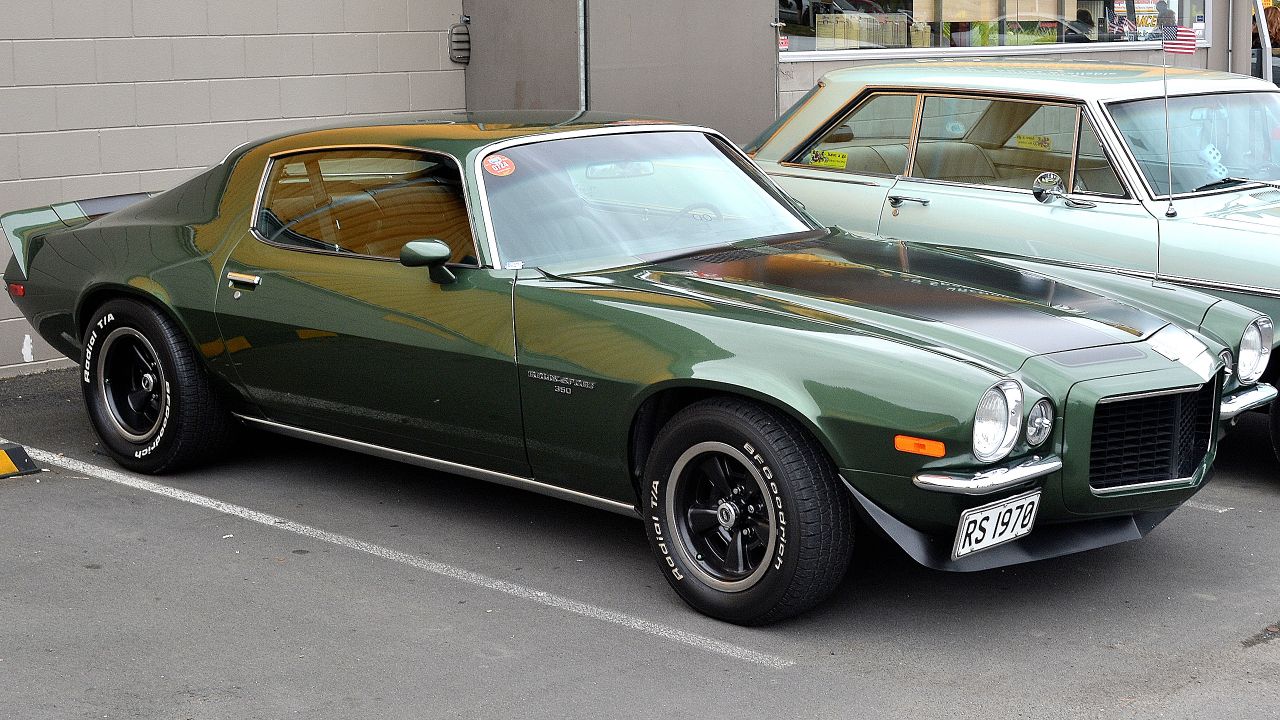
At the heart of the 1970 transformation was the RS package, which turned the Camaro’s nose into a piece of industrial sculpture. The standard second‑generation car carried a thin, full‑width chrome bumper that traced the leading edge of the front fascia. The Camaro with the optional RS package replaced that single bar with a split‑bumper layout that framed a recessed grille and relocated the headlights into round units set farther outboard. Period descriptions of a genuine RS Z28 from 1970 emphasize that the base car was “standard with a thin full length front chrome bumper,” while the RS option swapped it for two shorter bumpers and round lamps that were “more stylish.” That change did not alter the car’s mechanicals, but it completely changed how the Camaro met the air, turning the front end into a layered, almost architectural composition.
The RS treatment also introduced a visual rhythm that later Camaros would keep returning to: a strong central opening, flanked by distinct lighting elements and framed by brightwork that reads as jewelry rather than armor. Later second‑generation cars, such as a 1972 Camaro RS with the same package, carried forward the idea of “two front bumpers flanking the grille opening” as a deliberate departure from the typical full‑width bumper. The RS nose made the Camaro look more agile and more upscale at the same time, and that dual character became a core part of the brand’s identity. Even when Chevrolet moved away from literal split bumpers in later generations, the idea of a sculpted, recessed grille with separate, emphasized lighting signatures remained a Camaro hallmark that traces directly back to the 1970 RS.
European inspiration with unmistakably American attitude
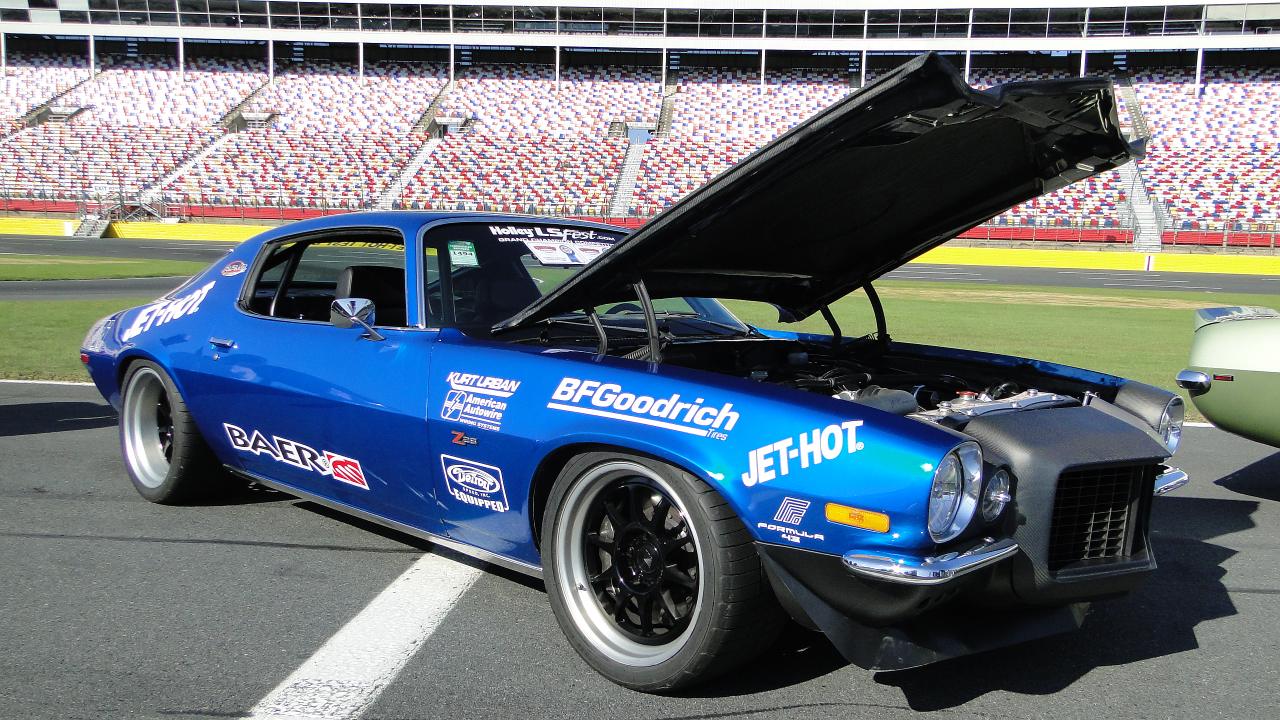
What made the 1970 Camaro RS so influential was not just that it looked different from the first generation, but that it blended design cues in a way that felt global without losing its American swagger. Commentators have long compared the second‑generation Camaro to Italian grand tourers, noting how its flowing fender lines and fastback roofline echo cars like the Lusso. One detailed look at the 1970 to 1981 models describes the second‑generation Camaro as a “European/American styling tour de force,” pointing out that the Lusso appears purely Italian and European, while the Camaro still somehow has an Amer character even with similar proportions. The RS front end, with its delicate split bumpers and round headlights, amplified that effect by giving the car a face that would not have looked out of place on a European coupe, yet remained bolder and more muscular.
That balance mattered because it allowed Chevrolet to move the Camaro away from being just a Mustang rival and toward being a style leader in its own right. Analyses of the second‑generation car note that the Camaro outsold the Mustang during parts of this era, and the more sophisticated styling is consistently cited as a factor. The RS package in particular signaled that buyers could choose a Camaro that looked almost exotic without stepping into a different brand or price class. By integrating European‑influenced curves with a wide, planted stance and the visual promise of big‑block power, the 1970 RS created a design vocabulary that later Camaros would keep referencing, even when the details changed. The idea that a Camaro could be both refined and aggressive, with a nose that looked as carefully sculpted as its quarter panels, starts with this car.
The RS as a styling package, not just a trim level
Another way the 1970 Camaro RS changed the styling story is by proving that a visual package could carry as much cultural weight as a performance badge. In the first generation, buyers tended to focus on engine codes and performance options, while styling differences were relatively modest. With the second generation, Chevrolet made the RS a clear cosmetic statement that could be layered on top of other configurations, including the Z28. Listings for a “Chevy Camaro (GENUINE) RS Z28 1970” highlight that the RS was ordered as an optional package on top of the performance‑oriented Z28, underscoring that the split bumpers and round headlights were a deliberate aesthetic choice rather than a byproduct of the engine or suspension. That separation of style and speed allowed the RS look to stand on its own, and it encouraged buyers to think of Camaro identity in visual terms as much as mechanical ones.
The RS concept proved durable across the second generation, showing up on later cars like a 1972 Chevrolet Camaro where The RS package again added “iconic cosmetic elements,” including the unique front‑end design with two front bumpers and a distinct grille opening. By keeping the RS focused on appearance, Chevrolet created a modular design language that could be applied across different trims and powertrains. That approach foreshadowed how later Camaros would use appearance packages, from heritage‑inspired noses to blackout treatments, to signal identity without necessarily changing what was under the hood. The 1970 RS was the first time that strategy truly crystallized on the Camaro, and it set a precedent for styling‑led variants that continues to shape how the car is marketed and customized.
Legacy across later generations and enthusiast culture
The influence of the 1970 RS front end is easy to see in how enthusiasts and historians rank and remember Camaro model years. Surveys that list Every Chevrolet Camaro Model Year, Ranked from the 1970s routinely put the 1970 car at the top, not only for its performance potential but for its styling, which is often described as the high point of the decade. Broader retrospectives on the evolution of the Camaro emphasize that the second generation’s clean lines and distinctive traits became a reference point for later designers, even when the car’s size and proportions changed. The recessed grille, the emphasis on a strong central opening, and the idea of visually separating the bumper elements from the body all echo in later generations, including modern reinterpretations that nod back to the early 1970s cars.
Enthusiast culture has reinforced that legacy by treating the RS look as a kind of visual shorthand for the “pure” second‑generation Camaro. Features on cars like the so‑called “70.5” Camaro, discussed in classic‑car circles, often highlight how surprising the styling shift was when it arrived, with observers noting that “Gone was the” boxier, first‑generation shape in favor of the new, more sculpted body. Even when writers focus on unusual configurations, such as a 1970 Chevrolet Camaro with Turbo Thrift six‑cylinder power, the conversation inevitably returns to the bodywork and the RS‑inspired nose as the elements that make the car special. That ongoing fascination has helped keep the 1970 RS front end in the spotlight, influencing restorations, restomods, and even modern factory design choices that continue to borrow from its proportions and details.
The broader design context of the era also underscores how radical the 1970 Camaro RS looked. Across the industry, new styling for 1970 brought longer, sculpted hoods, pronounced fender lines, and what one comparison of a 1970 Ford Ranchero and a 1970 Chevrolet El Camino described as a “Coke bottle” profile that pinched in at the doors and flared at the wheels. The Camaro fit within that trend but pushed it further, especially in RS form, where the split bumpers and recessed grille made the front end appear even more tapered and athletic. By embracing that sculpted, Coke bottle‑influenced shape and pairing it with a distinctive, European‑tinged face, the 1970 Camaro RS did not just update the car’s appearance for a new decade. It created a styling blueprint that would define what a Camaro should look like, in the eyes of designers and fans alike, for generations.