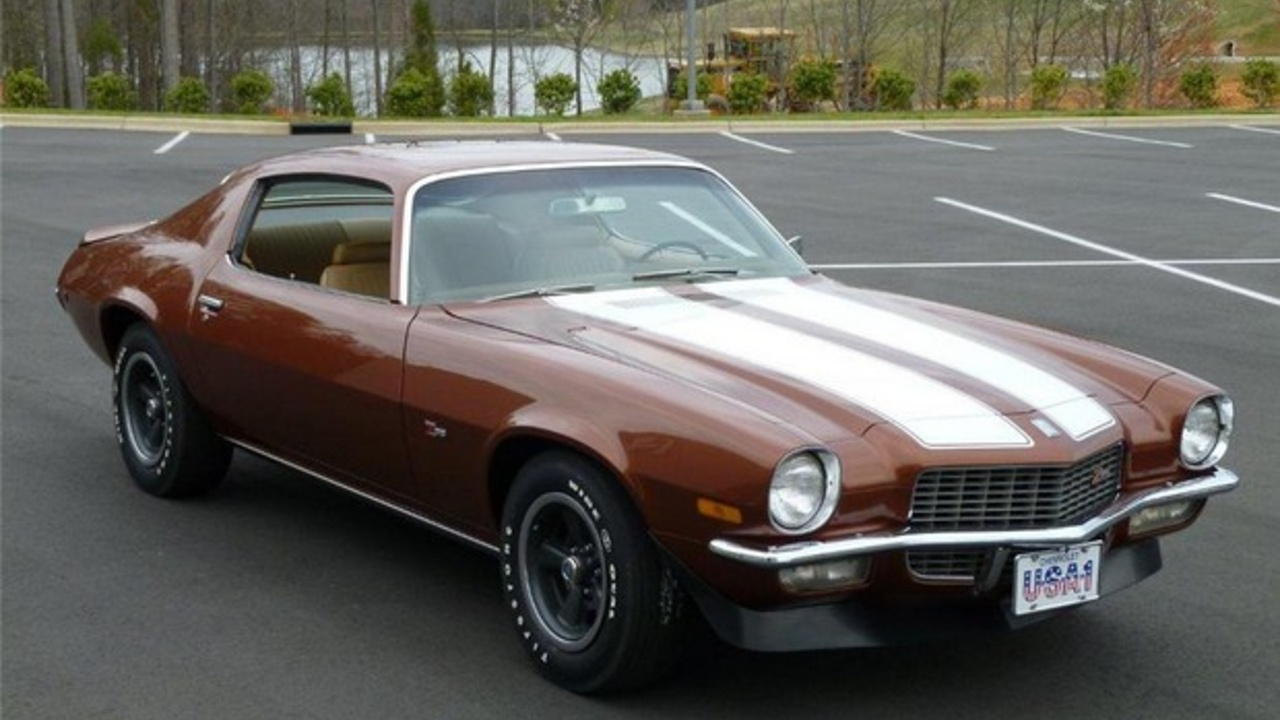
The 1970 Camaro Z/28 arrived as the second-generation Camaro’s sharpest statement of intent, trading first-gen boxiness for a sleeker body and a more sophisticated performance mission. It did not just update a popular pony car, it reset what a factory small-block could do on road courses and back roads while still living a believable street life. In the process, it turned the early second-gen Camaro from a styling exercise into a benchmark driver’s car that enthusiasts still argue is the greatest Z/28 of them all.
Looking back at that first year of the redesigned platform, I see a car that fused race-bred hardware with a more refined chassis and cabin, then wrapped it in proportions that still define the model in the minds of many fans. The 1970 Z/28 became the template for a more balanced kind of American performance, one that prioritized grip, steering feel, and composure as much as straight-line speed.
The second-gen reset: a new Camaro with bigger ambitions
When Chevrolet launched the second-generation Camaro for the 1970 model year, it was not a mild refresh of the original pony car, it was a ground-up rethink of what the nameplate should be. The new body was lower and wider, with a long hood, short deck, and more European-influenced curves that pushed the car away from its compact origins and closer to a true grand touring profile. According to period specifications for the Chevrolet Camaro, the second generation ran through the 1981 model year, which underscores how right the basic proportions and structure were from the start.
Under that new skin, Chevrolet aimed the Camaro at a more demanding driver, improving structural rigidity, noise isolation, and road holding compared with the first generation. The chassis was tuned to deliver better balance and grip, which gave the performance models real credibility on twisty pavement rather than just at the dragstrip. That broader mission created the perfect stage for the 1970 Z/28, which took full advantage of the stiffer platform and more sophisticated suspension geometry to become a far more capable all-around performer than its predecessor.
Why the 1970 Z/28 became the purist’s choice
The 1970 Z/28 quickly earned a reputation among enthusiasts as the driver’s Camaro, a car that favored precision and balance over brute force. Instead of chasing the biggest displacement or the wildest straight-line numbers, the Z/28 package focused on a high-winding small-block, aggressive suspension tuning, and serious braking hardware. Reporting on the model’s legacy notes that the Z/28 badge has always been about creating a well-rounded athlete rather than just another dragstrip speedster, and the 1970 version crystallized that philosophy in a way later cars would keep referencing. That intent is clear in testing histories that describe the Z/28 as a car engineered for lap times and confidence at the limit, not only quarter-mile slips, a point reinforced in coverage of the fastest Camaros.
Over time, that focus has fueled a persistent debate among fans about whether the 1970 Z/28 is the greatest Camaro to wear the badge. Video analysis of surviving cars frames the question directly, asking if this is the greatest Z/28 ever built and pointing to the way the first-year second-gen car blends race-bred hardware with real-world usability. In that discussion, the 1970 model’s combination of a rev-happy small-block, close-ratio gearing, and track-ready suspension is held up as a kind of sweet spot that later, heavier or more complex versions struggled to match, a theme that runs through enthusiast breakdowns of the 1970 Camaro Z/28.
Firsts, lasts, and the significance of a single model year
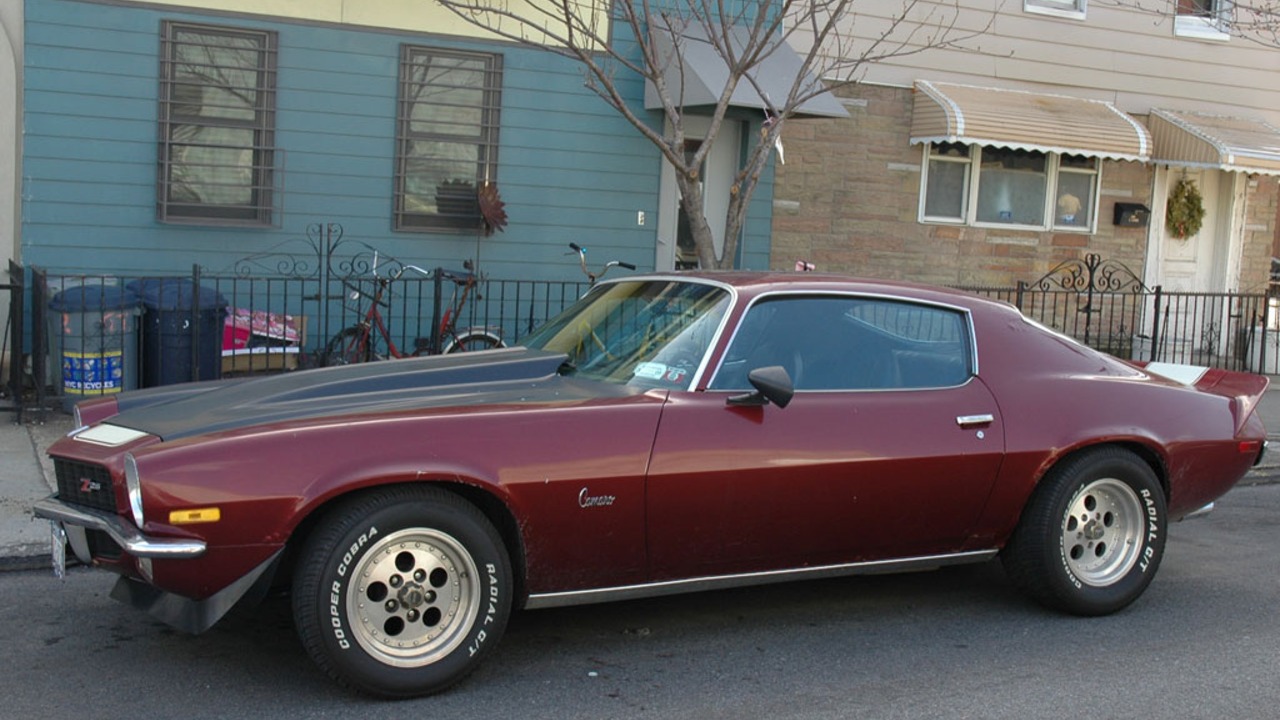
Part of what makes the 1970 Z/28 so compelling is how many turning points in Camaro history converge in that single model year. It was the First Year Second Gen performance flagship, the car that had to prove the new platform could carry the Z/28 name with the same credibility it had in the late 1960s. Coverage of a restored example that earned a Finalist Spot for the Snap Muscle Car of the Year highlights how that first-year status still carries weight, with judges and fans responding to the way the car represents both a fresh start and a last stand for a certain kind of analog performance. The story of that build underscores how the 1970 Z/28 bridged the rawness of the first generation with the more refined, emissions-constrained cars that would follow, a tension captured in detailed features on the 1970 Z/28 Camaro.
Those same reports point out that the 1970 Z/28 also marked the beginning of a long second-gen run that would stretch through the 1981 model year, which means it set the template for more than a decade of Camaro performance. At the same time, it represented the last moment before tightening regulations and shifting market tastes began to blunt the edges of factory muscle. That dual identity, as both a first and a last, gives the 1970 car an outsized symbolic role in Camaro history, and helps explain why it continues to be singled out in awards conversations and enthusiast rankings decades after it left showrooms.
How the 1970 Z/28 sharpened the second-gen chassis
The second-generation Camaro platform gave engineers a stronger, more refined foundation, but it was the Z/28 package that really exploited its potential. With firmer springs and shocks, upgraded sway bars, and performance-oriented alignment settings, the 1970 Z/28 turned the new chassis into a tool that could handle serious track work. Contemporary and retrospective testing of high-performance Camaros repeatedly notes how the Z/28 variants, starting with this early second-gen example, were tuned to deliver neutral handling and high cornering limits rather than just straight-line fireworks, a pattern that shows up clearly in data-driven comparisons of the fastest Chevy Camaros.
That focus on chassis tuning worked hand in hand with the second-gen car’s improved structure and road isolation. Specifications for the 1970 Chevrolet Camaro emphasize better road holding and reduced noise and vibration, which meant the Z/28 could be both sharper and more livable than the first-gen equivalent. In practice, that translated into a car that felt planted and composed at speed, with steering and braking that encouraged drivers to push harder without the sense that the chassis was out of its depth. It is that blend of precision and everyday usability that still leads many owners to describe the 1970 Z/28 as the most rewarding second-gen Camaro to drive hard.
Legacy, myth, and the ongoing Z/28 debate
More than five decades after it launched, the 1970 Z/28 sits at the center of a lively debate about which Camaro generation got the formula most right. Enthusiast deep dives into the model’s history often frame it as a benchmark, comparing later Z/28s and other performance trims back to this first-year second-gen car. Video features that revisit original or restored examples ask whether the 1970 Z/28 is the greatest of them all, pointing to its combination of race-derived engineering, relatively low weight, and unfiltered driving experience as evidence. Those arguments draw heavily on the way the car feels from behind the wheel, but they are grounded in the same hardware and tuning priorities that period engineers baked into the package, as highlighted in modern breakdowns of the 1970 Camaro Z/28.
At the same time, broader surveys of Camaro performance history remind me that the Z/28 story is one of evolution rather than a single peak. Analyses of the fastest Camaros ever tested show how later generations, including heavily updated second-gen models, delivered more power, better tires, and quicker lap times, while still tracing their philosophy back to the 1970 car’s emphasis on balance and control. Those reports describe the Z/28 badge as shorthand for a well-rounded athlete, a description that fits the 1970 version perfectly and helps explain why it continues to loom so large in the model’s mythology. In that sense, the first-year second-gen Z/28 did more than redefine muscle for its own era, it set expectations for what a serious Camaro should be that still shape the conversation today.