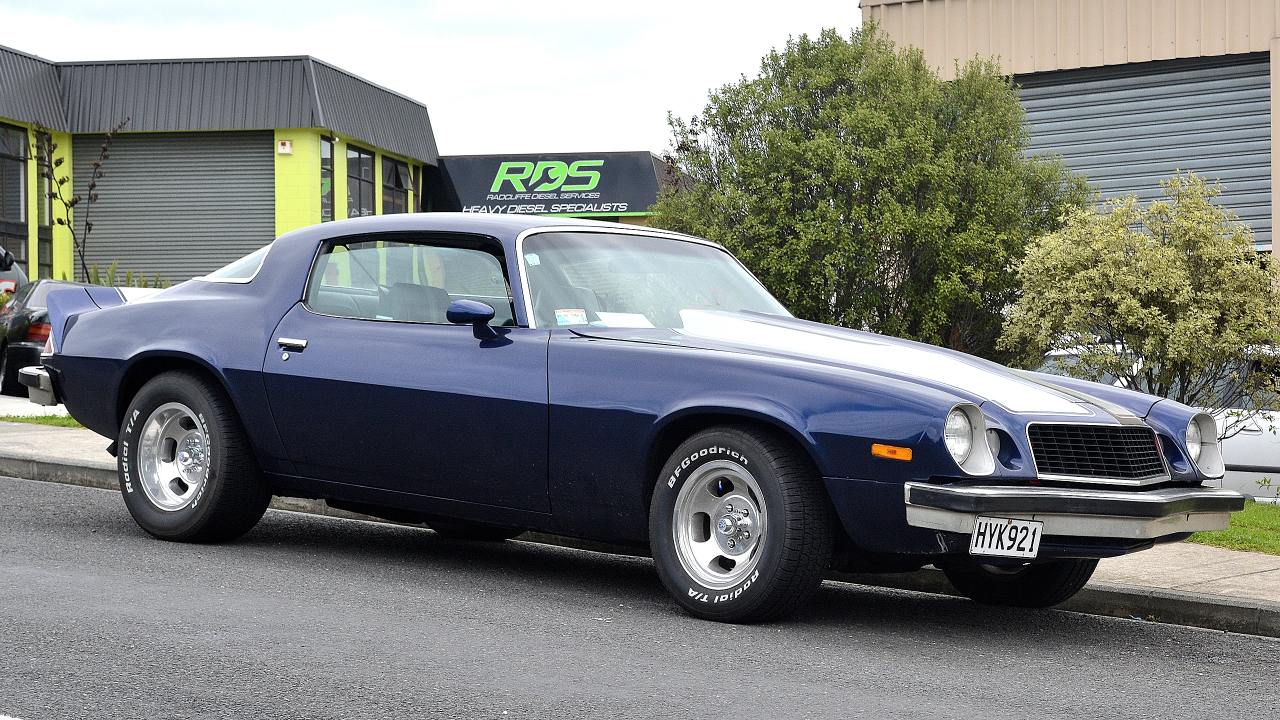
The 1975 Camaro arrived just as the classic muscle car formula was collapsing under new rules, new math, and new economics. Instead of roaring past the wreckage, it survived by quietly reshaping itself into a different kind of performance car, one that traded peak horsepower for style, comfort, and just enough speed to keep enthusiasts interested. That pivot, more than any single option code, explains how Chevrolet kept its pony car alive while rivals faded.
The forces that killed peak muscle, and what the Camaro was up against
By the mid 1970s, the original muscle car recipe was in trouble, and the Camaro was not immune. Big displacement V8s that had defined the early part of the decade were being replaced with smaller, more efficient engines as automakers scrambled to meet new realities. One detailed look at the period notes that the big V8 engines of the early 1970s were replaced with smaller, more efficient engines and that cars which had once offered 375 horsepower suddenly faced a very different market, with performance options disappearing as priorities shifted to fuel economy and emissions compliance.
Those pressures did not come from horsepower charts alone. The 1973 oil crisis triggered fuel rationing and sustained higher prices that made thirsty muscle cars expensive and impractical for many people, a shift that hit every performance nameplate. At the same time, tightening emissions rules and new safety standards forced manufacturers to add weight and complexity while cutting compression and power, a combination that dulled acceleration even as cars grew bulkier. In that broader context, the Camaro was fighting not just rival coupes but a structural “Decline of the” muscle segment itself, as once iconic models such as the Plymouth Barracuda Closed Out Mopar and other E Body Muscle Car Era The favorites ended their original runs rather than adapt.
From street brawler to stylish survivor
Against that backdrop, the 1975 Camaro marked a clear pivot from raw performance to a more rounded, style led package. Buyers could no longer purchase a Z/28 option in 1975, as Camaro dropped it despite its promising sales the year before, a decision that signaled how far the market had moved away from homologation style street racers. Instead, the lineup leaned on milder V8s that produced either 145 horsepower or 155 horsepower, a far cry from the peak years when Camaro output peaked in 1970 with 375 hp and 415 lb-ft and the most powerful V 8 model offered only 155 hp by 1975.
Styling and comfort picked up the slack. A new wraparound rear window was introduced for 1975 and the Camaro emblem moved from the center of the grille to above the grille, subtle but visible changes that made the car look more modern and upscale. Safety rules forced Chevrolet to add big and bulky bumpers to the car, while emissions regulations neutered the Camaro (Chevrolet) under the hood, so designers leaned on details like revised rear glass, updated scripts on the front fenders, and more plush interiors to keep the car desirable. In effect, Chevrolet repositioned the Camaro as a sporty personal coupe rather than a pure muscle car, a move that kept it relevant even as traditional performance metrics slid.
How much performance really disappeared?
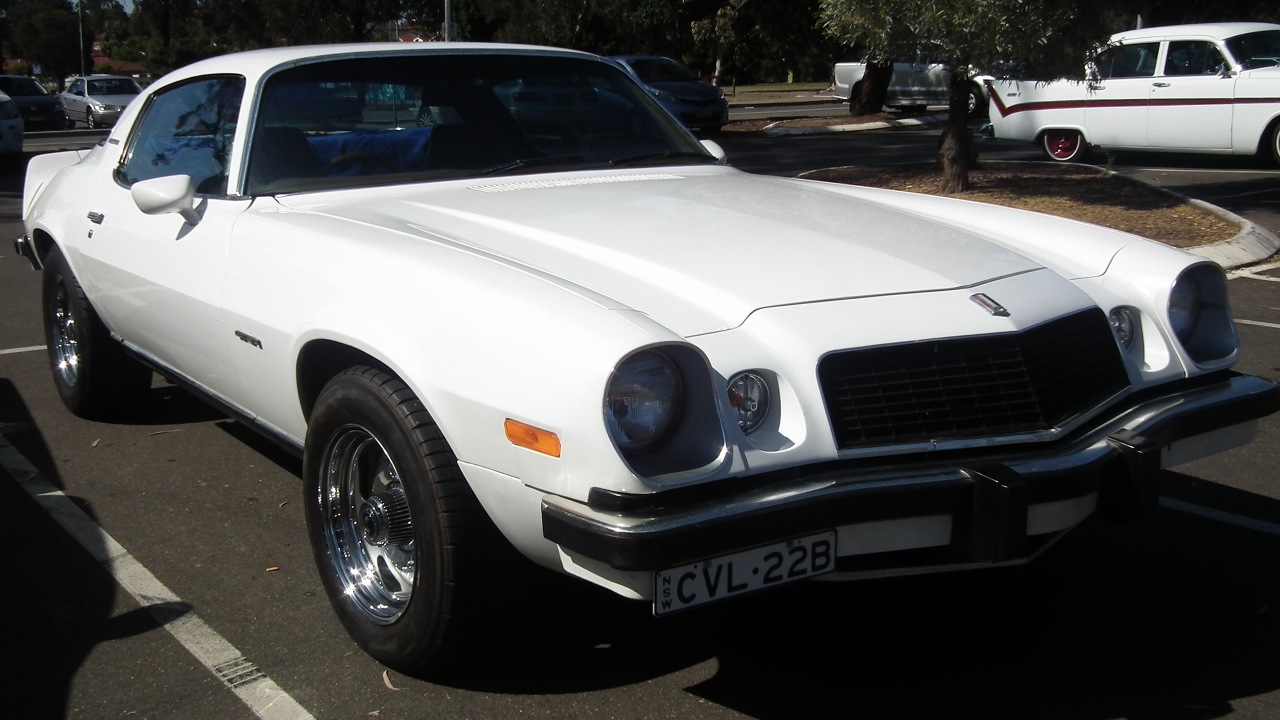
The numbers tell a stark story, but they also show why the 1975 Camaro still mattered. Camaro output peaked in 1970, with 375 hp and 415 lb-ft, but by 1975 the most powerful V-8 model offered only 155 hp, a drop that would have been unthinkable just a few years earlier. Earlier second generation cars had already started down this path, with one 350 V 8 under the hood rated at only 245 horsepower, prompting the aside “Hmm? Maybe the Z/28 needed to be gone. And by 1975, it wa” as enthusiasts watched the legendary option disappear.
Yet the Camaro did not become irrelevant, in part because the entire segment was sliding at the same time. Some observers of 1970s performance point out that the way horsepower is rated now with Gross vs. net makes period numbers look even worse on paper, and that context matters when comparing early 1970s figures to mid decade ratings. When every manufacturer was recalibrating from gross to net horsepower and choking engines with emissions equipment, a 1975 Camaro that still offered a V8, rear wheel drive, and a sporty chassis remained one of the few accessible performance flavored cars left, even if its spec sheet no longer intimidated anyone.
Design, options, and image: the quiet weapons
With brute force off the table, Chevrolet leaned into design and packaging to keep the Camaro attractive. A new wraparound rear window and relocated Camaro emblem gave the 1975 model a sleeker profile and better visibility, while scripts on the front fenders reinforced its identity at a glance. Safety rules forced Chevrolet to add big and bulky bumpers to the car, but the brand worked to integrate those pieces into the overall shape so the coupe still looked low and aggressive compared with boxier sedans of the era.
Trim strategy also shifted. With the Z/28 option gone, most Camaros in “75” had a plain-Jane look and feel to them, but the RS option offered a slick appearance package that helped the car stand out even without headline power. Enthusiasts and tuners took notice of the underlying platform as well. They (Mitchell and Donohue) started with the highest-spec Camaro available in 1975, an LT with the Rally Sport Packa, to create the Racemark GT, an example of how the chassis and styling still inspired specialty builds even in a low horsepower year. That kind of halo effect helped keep the Camaro’s image alive as a car worth modifying and personalizing, not just commuting in.
From collapse to classic: how the 1975 Camaro is valued now
Time has been kinder to the 1975 Camaro than period road tests might suggest. Typically, you can expect to pay around $11,300 for a 1975 Chevrolet Camaro in good condition with average spec, a valuation that reflects steady interest in these mid decade cars. The highest selling 1975 Chevrolet Camaro recorded over the last three years was $22,000, a figure that would have surprised buyers who once dismissed these models as the low point of the nameplate. That market performance suggests collectors now see value in the car’s design, rarity of certain trims, and its role as a bridge between the original muscle era and the later performance revival.
Part of that appeal comes from the broader story of how the Camaro navigated the 1970s. Sales declined, and General Motors responded with changes to the Camaro’s design, focusing on fuel efficiency rather than performance, a strategy that kept the car in showrooms when some rivals disappeared entirely. Safety rules forced Chevrolet to add big and bulky bumpers, emissions regulations neutered the Camaro (Chevrolet), and yet the coupe retained rear wheel drive, V8 availability, and a recognizable silhouette. In hindsight, the 1975 model represents the moment when the Camaro stopped trying to win the old muscle car war and instead learned how to survive in a new automotive world, a compromise that ultimately allowed later generations to chase big power again once the regulations and technology caught up.
More from Fast Lane Only: