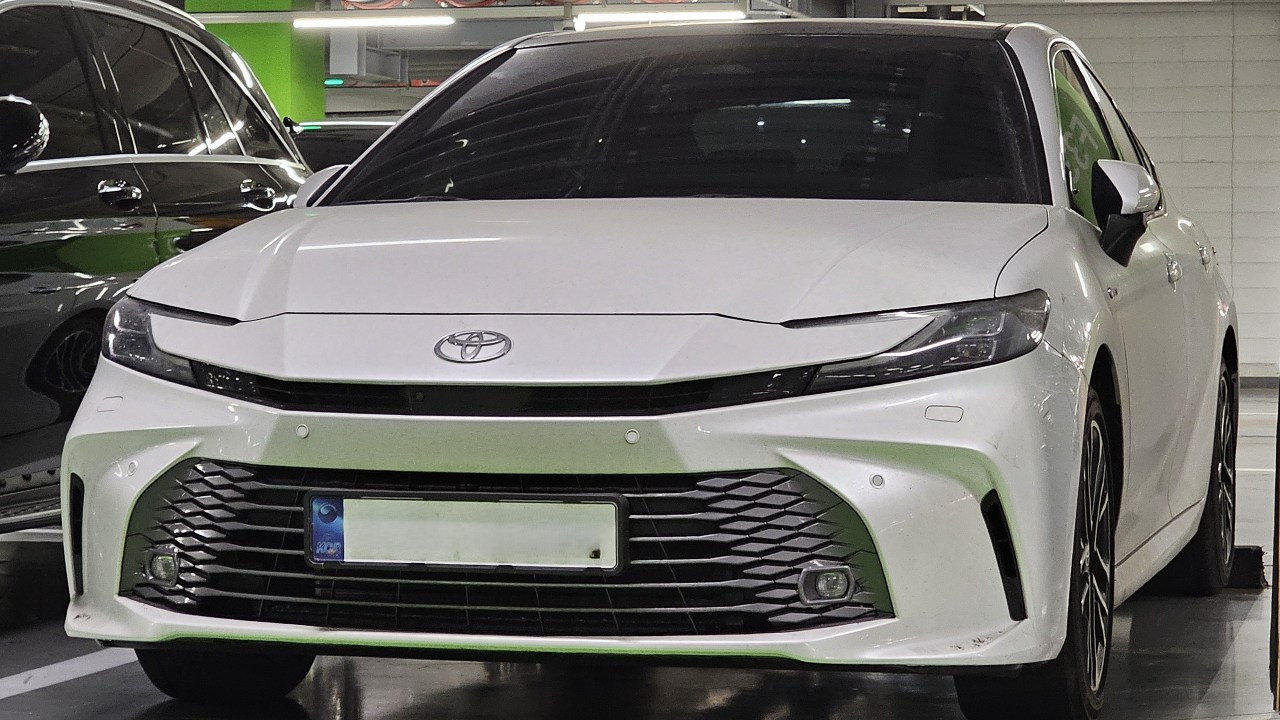
A potential power loss problem in Toyota’s popular midsize sedan has triggered a sweeping safety campaign, with the company recalling tens of thousands of hybrid Camrys in the United States. The move centers on a defect that can abruptly cut engine power and push the car into a limited-output mode, raising the risk of a crash if it happens at highway speeds or in heavy traffic. The recall underscores how even well regarded hybrids can harbor complex vulnerabilities when software, electronics, and mechanical systems intersect.
What prompted Toyota’s latest Camry hybrid recall
Toyota is pulling back a large batch of its newest hybrid sedans after identifying a fault that can cause sudden loss of propulsion. According to company information and federal filings, the recall covers 51,644 Camry hybrid vehicles in the United States, all of them recent model years built with the latest hybrid powertrain configuration. The core issue involves the way the system responds when certain components overheat or detect an internal fault, which can trigger a protective “fail-safe” mode that sharply limits power output instead of maintaining normal acceleration. In practical terms, that means a driver could be cruising at speed and suddenly find the car struggling to keep up with traffic.
In technical language, the hybrid control system is designed to protect itself by cutting back power when it senses trouble, but in these Camrys the transition can be abrupt enough to create a safety hazard. Reporting on the recall notes that the affected sedans can unexpectedly drop into reduced-power operation, which is especially risky during passing maneuvers or while merging. Toyota has acknowledged the defect and is working with regulators through the National Highway Traffic Safety Administration’s recall process, which is documented on the agency’s central recall portal at nhtsa.gov. The company’s own statements describe a plan to update software and, where needed, repair hardware so the vehicles either avoid the fault condition or handle it more gracefully if it occurs.
How the defect shows up on the road
From a driver’s perspective, the most alarming part of this defect is not a warning light on the dash, it is the sudden feeling that the car no longer responds when the accelerator is pressed. The reports describe scenarios where the hybrid system detects an internal issue and then sharply restricts power, leaving the Camry struggling to maintain speed. In some cases, the vehicle may still move under its own power but with such limited output that climbing a hill or overtaking another car becomes difficult. That kind of behavior is very different from the gradual loss of performance a driver might expect from a traditional mechanical failure, and it can catch people off guard.
Safety regulators treat that kind of surprise as a serious risk because it can force drivers to improvise in dangerous situations. If a Camry hybrid drops into fail-safe mode while its driver is crossing an intersection or merging onto a freeway, the gap they thought they had may suddenly vanish. The recall documentation and coverage of the issue emphasize that the defect can increase the likelihood of a crash, even if the brakes and steering remain functional. That is why Toyota is not simply issuing a service bulletin or extended warranty but is instead conducting a formal safety recall for all 51,644 affected vehicles, as detailed in reports on the Camry hybrid power loss issue and in coverage that notes Toyota is recalling 51,644 Camrys that could lose power.
Where this fits in Toyota’s broader hybrid safety problems
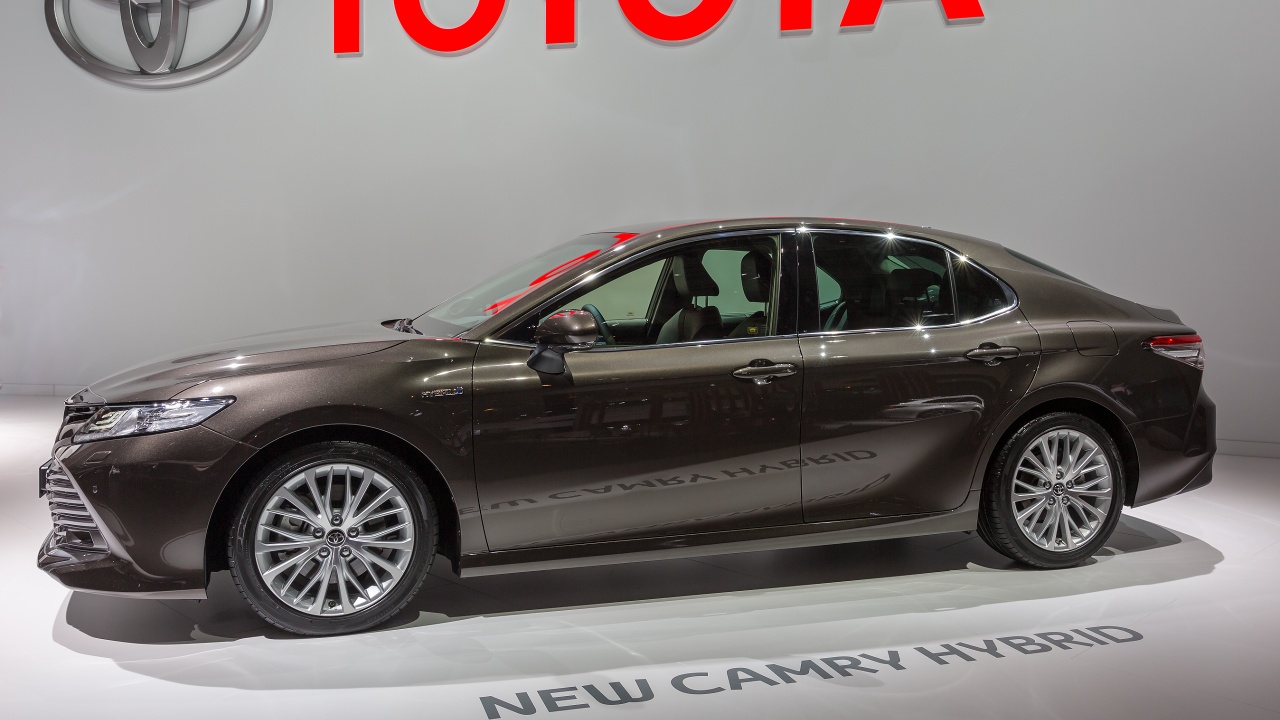
This is not an isolated blemish on an otherwise spotless record. The Camry hybrid power loss campaign arrives alongside a separate safety recall that affects a similar number of Toyota hybrids for a very different reason, a potential fire risk. In that case, Toyota is recalling roughly 55,000 vehicles in the United States, including certain Camry and Corolla Cross hybrids, because an internal engine component can detach and fall into the assembly. If that happens, the loose part can damage surrounding hardware, potentially puncture components, and in the worst case create conditions that could lead to a fire. Company statements from PLANO, Texas, describe this as an internal engine issue that required immediate action.
Coverage of that fire risk recall notes that about 55,000 vehicles are involved, with Toyota acknowledging that the defect could cause engine damage and, in rare circumstances, a vehicle fire. One detailed report on the problem, titled “Toyota Recalls 55,000 Camry, Corolla Cross Hybrids For Fire Risk, By Christopher Smith,” explains that the recall applies to specific model year 2025 and 2026 hybrids and that the issue stems from a component that can break free and drop into the engine. Another account from PLANO, Texas, describes Toyota’s announcement on a Tuesday that roughly 55,000 vehicles in the United States would be inspected and repaired. When I put those numbers next to the 51,644 Camry hybrids facing potential power loss, I see a pattern of multiple, distinct safety campaigns converging on the same family of vehicles, which raises understandable questions about quality control in Toyota’s latest hybrid designs.
What owners should do now
For owners, the most important step is to confirm whether their car is covered and then schedule the free repair as soon as possible. Toyota has said it will notify affected drivers by mail, but people do not have to wait for a letter to act. The National Highway Traffic Safety Administration’s recall lookup tool at nhtsa.gov lets anyone enter a Vehicle Identification Number and see open safety campaigns tied to that specific car. Toyota’s own recall site offers a similar VIN-based search, and the company’s statements about the Camry and Corolla Cross hybrid recalls from PLANO, Texas, encourage owners to use either that online tool or call the customer service line for help.
Once a vehicle is confirmed as affected, the fix will be handled by authorized Toyota dealers at no cost to the owner. For the Camry hybrid power loss issue, that is expected to involve updated software for the hybrid control system and, if necessary, replacement of related components so the car does not abruptly drop into limited-power operation. For the separate fire risk recall covering about 55,000 Camry and Corolla Cross hybrids, technicians will inspect the engine for signs of the internal component problem and repair or replace parts as needed. Reports on these campaigns note that dealers will begin performing the work once Toyota finalizes the remedy, with some coverage explaining that owners will be contacted again when parts and procedures are fully in place. Until then, I would advise drivers who suspect their car is affected to avoid aggressive passing and to seek service promptly if they notice warning lights or unusual performance.
Why hybrid recalls like this matter beyond Toyota
These recalls highlight a broader reality about modern vehicles, especially hybrids and electrified models, that their safety depends as much on software logic as on mechanical robustness. In the Camry hybrid case, the underlying problem is not simply that a part can fail, it is that the system’s response to that failure can create a new hazard by cutting power too abruptly. That is a different kind of risk than a traditional engine stall, and it requires automakers and regulators to think carefully about how fail-safe modes are programmed. The fact that 51,644 Camry hybrids in the United States need a recall for potential power loss, while roughly 55,000 related hybrids face a separate fire risk campaign, shows how multiple layers of design and quality assurance have to work in concert to keep drivers safe.
From my perspective, the way Toyota and regulators handle these issues will set expectations for the entire industry as hybrid and electric powertrains become the norm. The National Highway Traffic Safety Administration’s centralized recall database at nhtsa.gov already makes it easier for drivers to track safety actions, but the volume and complexity of campaigns like these suggest that transparency and rapid response will only grow more important. When a company with Toyota’s reputation has to recall tens of thousands of its flagship hybrids for both power loss and fire risk, it is a reminder that no brand is immune to the challenges of integrating advanced electronics with traditional engines. For owners, the practical takeaway is simple: treat recall notices as urgent, use the available tools to check your VIN, and insist on timely repairs so that the promise of hybrid efficiency does not come at the expense of basic safety.
More from Fast Lane Only: