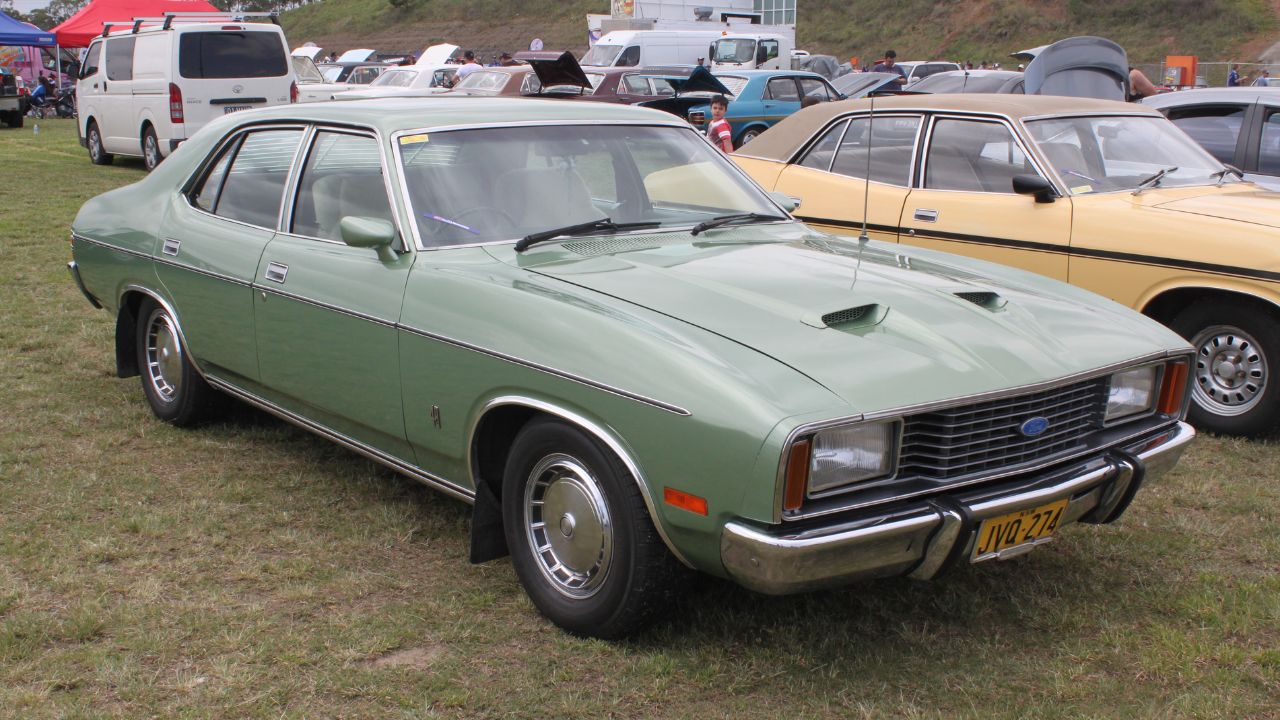
At first glance, the 1978 Ford Fairmont didn’t seem destined for automotive greatness. It lacked the bold styling of the Mustang, the luxury of the Thunderbird, and the muscle of Ford’s high-performance models. It was clean, practical, and designed for everyday transportation.
Yet beneath its conservative appearance was one of the most significant cars Ford ever built.
The Fairmont introduced the all-new Fox platform, a lightweight, versatile architecture that would underpin some of Ford’s most successful vehicles for more than two decades. While few buyers realized it at the time, this unassuming sedan helped shape the company’s future in ways that are still felt today.
A Fresh Start for Ford
By the late 1970s, American automakers were adapting to a changing world. Rising fuel prices, stricter emissions standards, and shifting consumer preferences demanded lighter, more efficient vehicles.
Ford responded by developing the Fox platform from the ground up.
The Fairmont became its first production model, replacing the aging Ford Maverick with a car that was lighter, roomier, and more modern. Thanks to its unibody construction and clever engineering, the Fairmont offered generous interior space without becoming larger or heavier.
It represented a fresh beginning at a time when Ford needed one.
Practicality Took Center Stage
The Fairmont wasn’t designed to grab attention.
Its straight lines, large windows, and uncluttered styling reflected function over fashion. Buyers could choose from two-door and four-door sedans, station wagons, and even a stylish Futura coupe, giving the model broad appeal.
Inside, the cabin emphasized comfort and simplicity. Controls were easy to use, visibility was excellent, and there was enough room for families without making the car feel oversized.
It wasn’t flashy, but it excelled at the everyday tasks most drivers actually cared about.
More Than Just an Economy Car
Although fuel efficiency was an important selling point, the Fairmont wasn’t limited to four-cylinder power.
Ford offered several engine choices, including an inline-six and small-block V8 options, allowing buyers to tailor the car to their needs. The lightweight Fox platform also gave the Fairmont surprisingly balanced handling compared to many midsize American cars of the era.
Enthusiasts soon discovered that the platform responded well to modifications, making the Fairmont an unexpected favorite for drag racers and performance builders.
Its humble appearance often concealed impressive capability.
The Foundation for Future Legends
The Fairmont’s greatest achievement wasn’t its sales numbers—it was the platform beneath it.
The Fox architecture became one of Ford’s most successful engineering projects, supporting an extraordinary variety of vehicles throughout the 1980s and early 1990s. Most famously, it formed the basis of the 1979 Mustang, which went on to become one of the most recognizable performance cars in America.
The platform also served models including the Thunderbird, LTD, Mercury Zephyr, Mercury Capri, and Lincoln Continental, demonstrating its remarkable flexibility.
Without the Fairmont, the story of Ford’s modern lineup would have looked very different.
A Hidden Gem for Enthusiasts
For years, the Fairmont lived in the shadow of the vehicles that shared its platform.
Today, however, enthusiasts have begun to appreciate its importance. Clean, unmodified examples are becoming increasingly rare, while V8-powered cars and Futura coupes have developed a loyal following among collectors and racers alike.
Its understated design and mechanical simplicity also make it an appealing project car for hobbyists looking to build something unique.
The Fairmont may never be the star of every classic car show, but it has earned lasting respect from those who understand its significance.
The Foundation That Changed Everything
The 1978 Ford Fairmont proved that an ordinary-looking car could have an extraordinary impact. It introduced an innovative platform that gave Ford the flexibility to adapt to changing markets while laying the groundwork for some of the company’s most successful vehicles.
Its styling was modest and its mission practical, but the Fairmont’s influence reached far beyond its showroom years. Sometimes the most important cars aren’t remembered for dramatic styling or headline-grabbing performance—they’re remembered because they quietly changed the direction of an entire automaker.
More from Fast Lane Only