Some cars launch a new model line. Others define an entire brand.
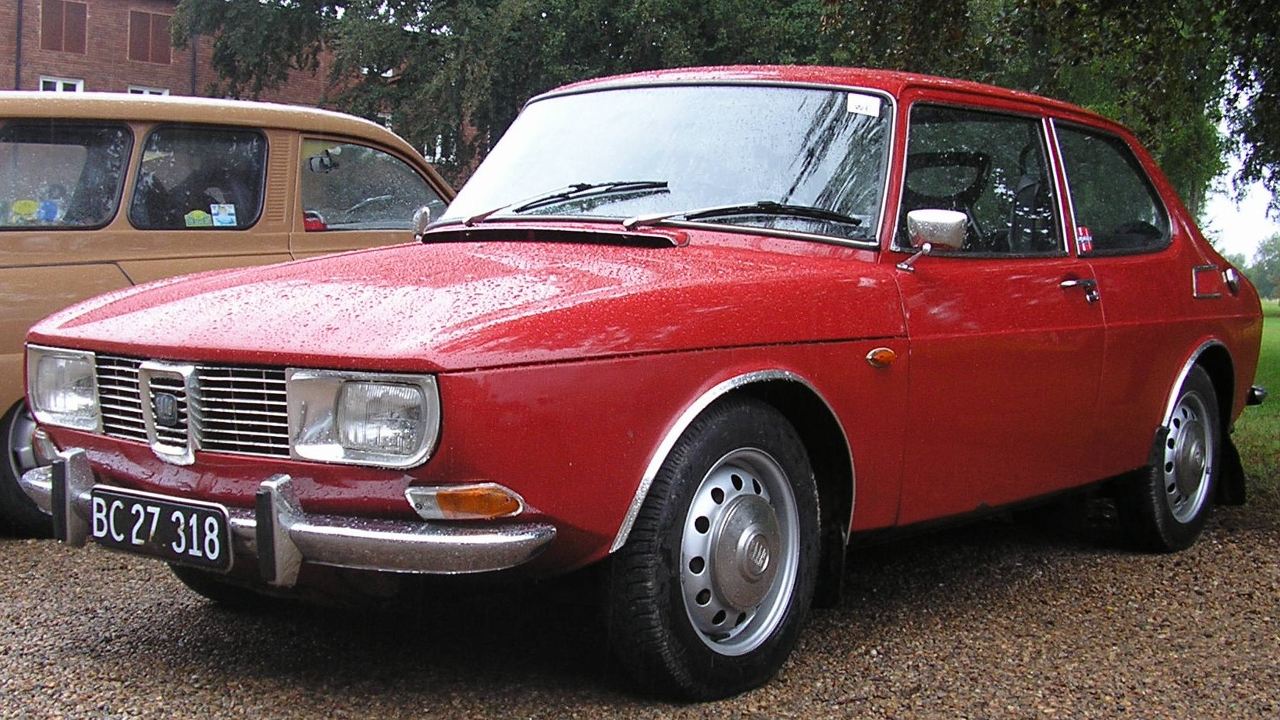
When the Saab 99 debuted for the 1969 model year, it represented far more than a replacement for the aging Saab 96. It introduced a fresh design, modern engineering, and innovative safety features that would become hallmarks of the Swedish automaker for decades to come.
The 1969 Saab 99 wasn’t built to chase horsepower or luxury. Instead, it reflected Saab’s unique philosophy: build practical, durable cars that put drivers first. That approach helped establish an identity unlike any other in the automotive world.
A Clean-Sheet Design
The Saab 99 marked a major departure from the company’s earlier models.
Larger, wider, and more refined than the 96, the 99 featured contemporary styling with a long hood, expansive glass area, and a distinctive wraparound windshield. While its shape was unconventional, every curve served a purpose, improving visibility, aerodynamics, and interior space.
The result was a sedan that looked modern without following automotive trends. It was unmistakably a Saab.
Inside, practicality guided every decision. The dashboard was simple and functional, the seats were engineered for long-distance comfort, and the controls were positioned with the driver in mind.
Engineering with Purpose
Saab approached engineering differently than most manufacturers.
The 99 featured front-wheel drive, a layout that provided confident handling in snow and rain while maximizing interior space. Power came from a water-cooled inline-four engine developed in partnership with Triumph, but Saab heavily re-engineered it to meet its own standards for reliability and durability.
The car’s suspension delivered a comfortable ride without sacrificing stability, making it equally at home on city streets and winding country roads.
Rather than chasing impressive specifications, Saab focused on creating a car that felt reassuring in everyday driving.
Safety Was Never an Afterthought
Long before safety became a major marketing tool, Saab made it a central part of the 99’s design.
The body structure incorporated reinforced passenger protection, while large crumple zones helped absorb impacts. Disc brakes, head restraints, and excellent outward visibility all contributed to a safer driving experience.
Saab engineers also paid close attention to ergonomics. Controls were positioned to minimize distraction, and the seats were designed to reduce fatigue on long journeys.
Many of these ideas would later become standard across the automotive industry.
Built for Drivers, Not Trends
The Saab 99 appealed to buyers who valued intelligence over image.
It wasn’t the fastest car in its class, nor was it the most luxurious. Instead, it earned a loyal following by offering dependable performance, thoughtful engineering, and distinctive Scandinavian character.
That reputation only grew stronger when turbocharged versions arrived later in the decade, further cementing Saab’s image as an innovative manufacturer willing to challenge convention.
The foundation for that success was laid by the original 1969 model.
An Enduring Influence
Today, the Saab 99 is recognized as one of the company’s most important achievements.
It introduced the design language, engineering principles, and safety-first philosophy that would shape iconic models such as the 900 and 9000. Well-preserved examples are increasingly sought after by enthusiasts who appreciate Saab’s unconventional approach to automotive design.
The 99 also serves as a reminder that originality can be a strength, especially in an industry where many manufacturers followed similar formulas.
The Birth of a Saab Tradition
The 1969 Saab 99 did more than expand the company’s lineup—it established the identity that would define Saab for generations. Its combination of innovative engineering, practical design, and unwavering commitment to safety created a blueprint that distinguished the brand from nearly every competitor.
Even after Saab’s departure from the automotive industry, the influence of the 99 lives on. It remains a symbol of independent thinking and thoughtful engineering, proving that sometimes the most influential cars are the ones that confidently take a different road.
More from Fast Lane Only