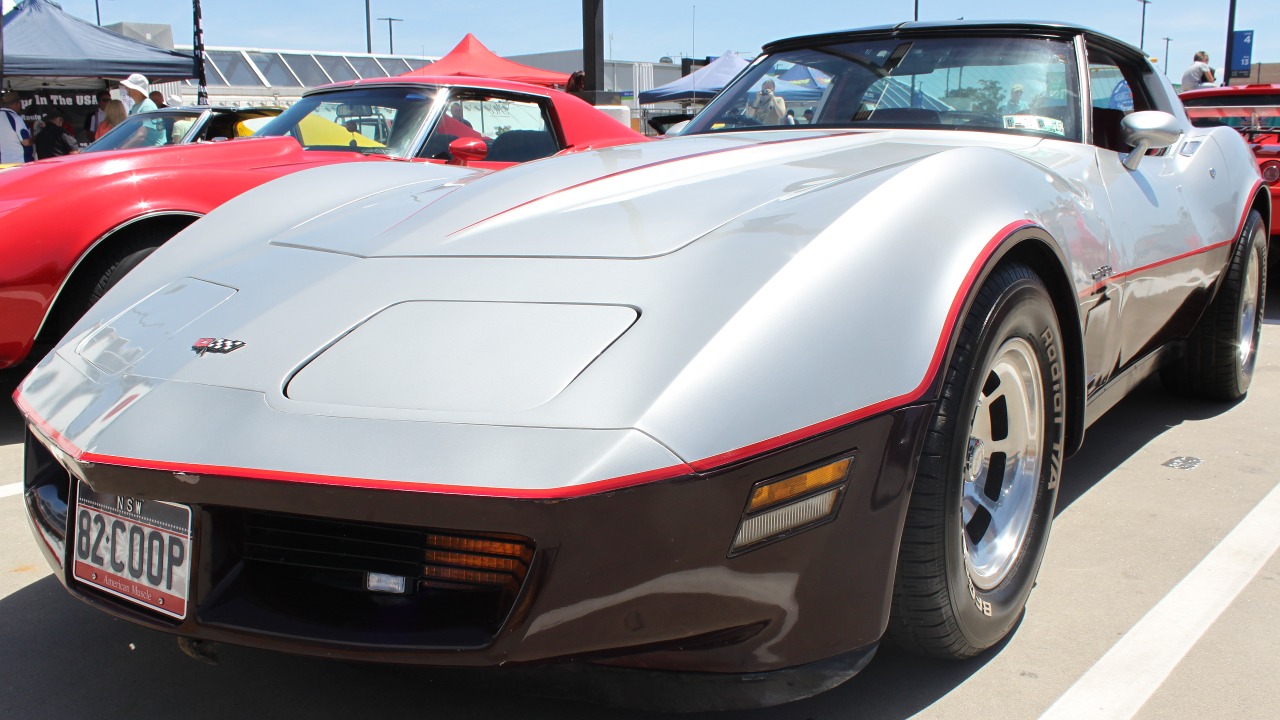
The 1982 Corvette arrived without fanfare, yet it quietly wrapped up one of the longest running chapters in American sports car history. After more than a decade of shark-nosed C3 production, the final model year blended aging styling with late-stage engineering tweaks and a carefully curated special edition to send the shape off with dignity. It was less a grand finale than a controlled landing, but that restraint is exactly what makes the last C3 so revealing.
The long fade of the C3 shape
By the early 1980s, the basic C3 silhouette was already a familiar sight, a design that had first appeared as the 194 Series in the late 1960s and carried the Chevrolet Corvette into a new era of fiberglass curves. That body had evolved through multiple cosmetic overhauls, including the shift to integrated plastic bumpers that eliminated the earlier steel pieces, yet the core proportions remained intact right through 1982. The final-year car therefore looked instantly recognizable, a late Model Ye of a form that had been refined rather than reinvented for more than a decade.
That longevity created a paradox. On one hand, the C3 still projected drama, with its long hood, tight cockpit and flared fenders that enthusiasts associated with the Chevrolet Corvette identity. On the other, the same profile underscored how long the company had stretched a single design generation, especially as rivals moved to crisper, more modern lines. Contemporary commentary on the 1980 to82 period often notes that this chapter in Corvette history is overshadowed by its underwhelming performance, yet it also acknowledges that the basic shape still looked modern and beautiful to many eyes, even as it approached its final model year.
Regulations, fuel economy and shrinking performance
The 1982 Corvette closed the C3 story in an era defined by emissions rules and fuel economy mandates, pressures that had already reshaped the car through the late 1970s. Engineers leaned on tactics like lower compression, revised gearing and weight-conscious component choices to make the car sip fuel more carefully, a shift that affected nearly every American performance model of the time. In layman’s terms, the focus had moved from raw acceleration to survivability in a regulatory environment that punished thirsty engines.
Within that context, the final C3 years tried to claw back some credibility. Performance saw a welcome increase compared with the mid decade slump, with the base L48 engine rated at 195 hp and the optional L82 reaching 225 hp, figures that reflected careful tuning rather than brute displacement. Even so, enthusiasts and later commentators often describe the 1980 to82 cars as boulevard cruisers more than track terrors, a perception echoed in consumer reviews that call the 1982 model a cool car but not too sporty and note that a 60’s hold back was still being sold in 1982. The last C3 therefore carried the weight of expectations shaped by earlier big block monsters, while operating under constraints that made those glory days impossible to repeat.
Inside the 1982 model year: technology and trim
What the 1982 Corvette lacked in headline performance, it tried to make up in refinement and technology, a strategy that helped it serve as a bridge to the coming C4. Under the hood, the car adopted a more advanced fuel delivery system that pointed toward the next generation’s engineering priorities, even if the absolute power numbers remained modest by historic Corvette standards. The drivetrain and chassis tuning leaned toward smoothness and everyday usability, reinforcing the idea that this was a sports car calibrated for real-world roads rather than quarter-mile bragging rights.
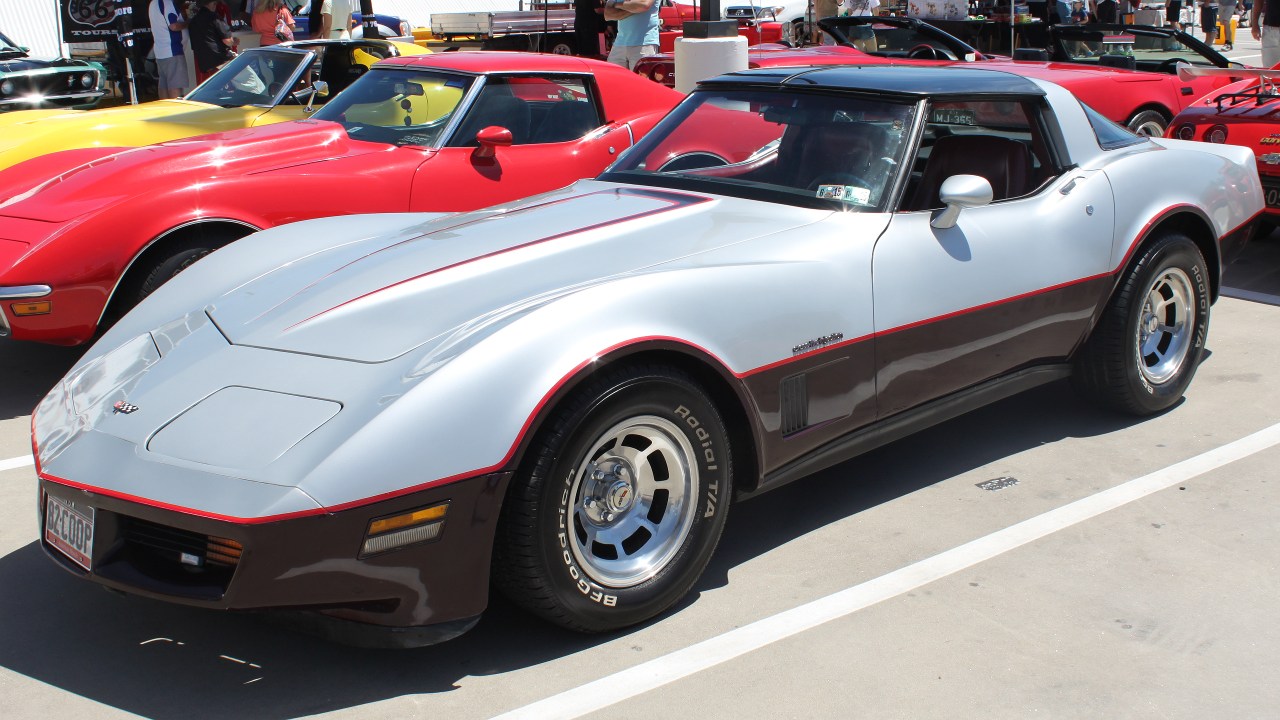
Styling and trim choices also signaled that Chevrolet was preparing to close the book on the C3. The standout was the Collector Edition, an added diligence of design that layered on cosmetic distinction and additional tire technology to mark the end of the line. Finished in Unique silver-beige metallic paint with pin striping and specific wheels, the Collector Edition Corvette Hatchback Coupe turned the familiar C3 shape into a rolling commemorative, a way for buyers to own a piece of the final-year story. Period pricing placed the 1982 Corvette in the $22,000 range, and one contemporary overview notes that for that sum you could own one of 25,47 cars built that year, a production figure that underscores how common the model was even in its swan song.
The last cars off the line and the shadow of the C4
For all the attention paid to the Collector Edition, the most symbolic 1982 Corvette may have been the final car to leave the factory. Enthusiast accounts point to a small picture in the Winter Issue 1982/83 of Corvette News that shows the last 82 coming off the Bowlin Green assembly line, accompanied by a note that the new generation would make its debut in the spring. That image captured a literal handoff, the moment when a long-serving design finally yielded the stage to a successor that promised to reset expectations.
The C4 that followed would be marketed as a clean-sheet effort, and later analysis of Corvette history emphasizes how that generation’s engineering improved faster than its reputation. Fact based retrospectives argue that The Corvette used the mid 1980s to prove it was more than a straight-line muscle car, with chassis and suspension work that genuinely tried to reset the narrative. Seen from that vantage point, the 1982 model becomes a transitional artifact, the last car to wear the shark body while quietly incorporating elements, from fuel delivery to packaging, that would be fully realized in the next chapter.
Why the final C3 still turns heads
Despite its compromises, the 1982 Corvette retains a visual and emotional pull that keeps it relevant in conversations about classic Vettes. Modern write ups note that the 1982 Corvette does not always get top billing when people talk about classic Vettes, yet they also stress that it is still a car that makes people look twice. The combination of sweeping fenders, removable roof panels and that long, tapering tail gives the car presence in traffic that newer, more clinically efficient designs sometimes lack.
Owners and reviewers often describe the 1982 as a good boulevard car, one that rides decently and corners flat enough for spirited street use, even if it will not trouble modern performance benchmarks. That balance helps explain why the car has aged into a more nuanced role, appreciated less for outright speed and more for the way it encapsulates a specific moment in American automotive history. When I look at the final C3s, I see a sports car that had to adapt to changing rules, shifting fuel realities and evolving expectations, and that did so with a mix of stubborn style and incremental engineering. In that sense, the 1982 Corvette did not just close the C3 chapter quietly, it also set the stage for the reinvention that would follow.
More from Fast Lane Only: