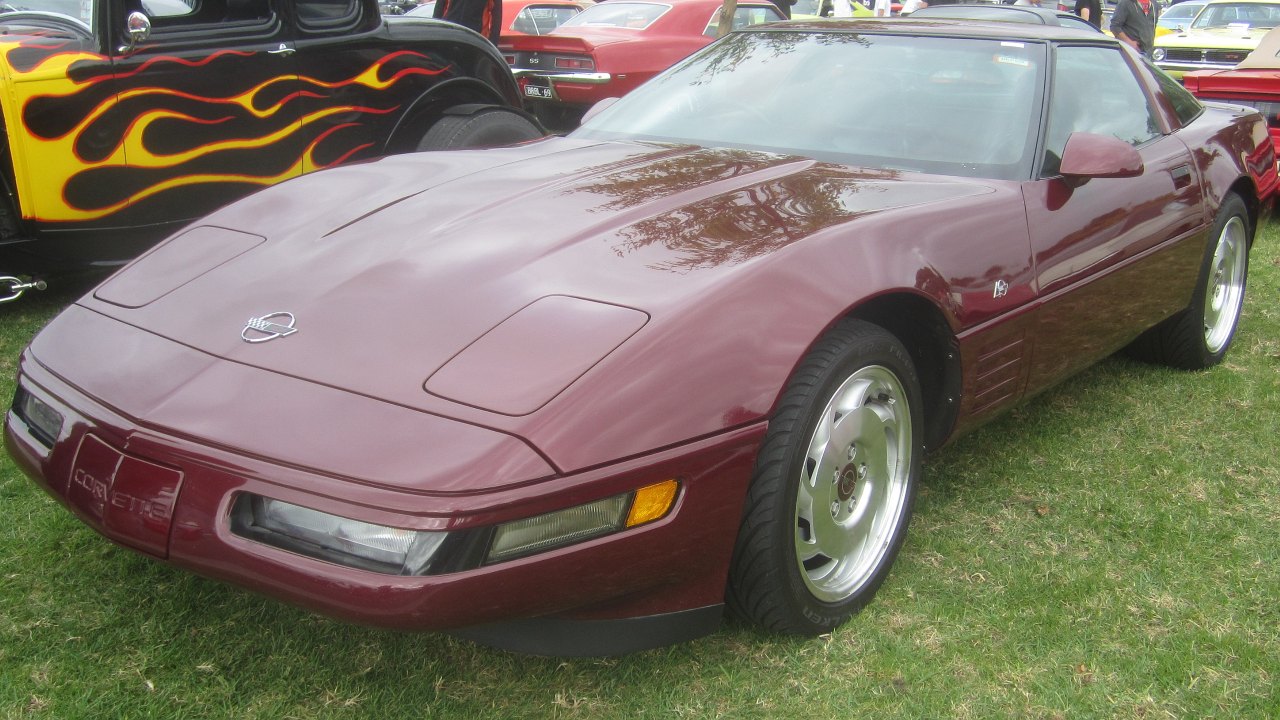
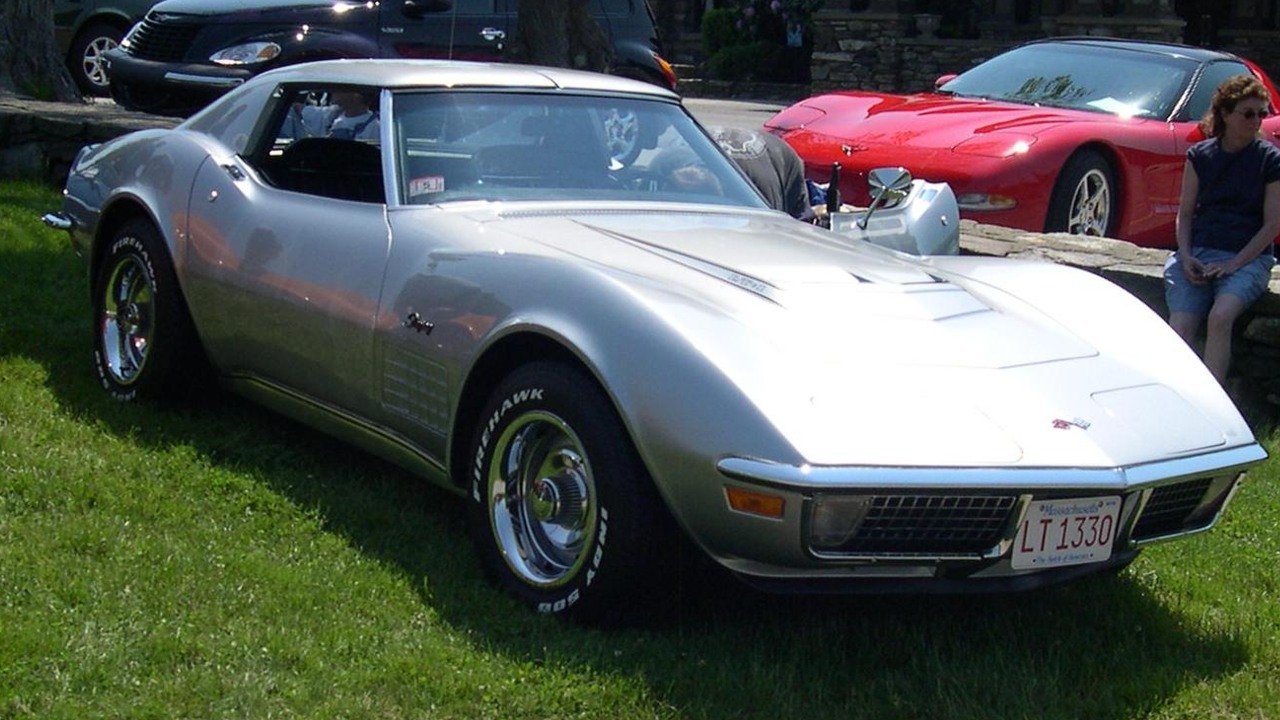
The 1970 Corvette LT-1 arrived at a moment when big-block bragging rights seemed to define American performance, yet it proved that a well engineered small block could still set the tone. By pairing race bred hardware with a relatively modest displacement, Chevrolet showed that finesse, revs, and balance could matter as much as cubic inches. I see that car as the turning point where the small block stopped playing second fiddle and started shaping the future of Corvette performance.
A high winding small block with big block numbers
The core of the 1970 Corvette LT-1’s impact was simple: it delivered big block style power from a compact package. The LT 1 350 CID V-8 was officially rated at 370 horsepower, a figure that put it squarely in the same conversation as larger displacement engines of the era. That output came from just 350 cubic inches, which meant drivers got serious acceleration without the nose heavy feel that often came with big block Corvettes.
Under the surface, the LT 1 350 CID V-8 was built like a competition engine, which is why it could rev hard and survive. It used a mechanical camshaft, a forged steel crankshaft, and a 4 bolt main block, hardware that pointed directly at high rpm durability rather than low stress cruising. Contemporary coverage has described the LT as the king of small block power in the 1970s, a short lived engine that still left a lasting impression on the muscle car era, and that reputation rests on this combination of output and robustness. When I look at those specifications, it is clear that Chevrolet was not just chasing a number on a brochure, it was building a small block that could stand up to track use and still feel livable on the street.
Shared hardware, different character
What made the 1970 Corvette LT 1 so compelling was how it blended big block attitude with small block agility. The car shared the same hood and suspension as the big block Corvette, so visually and mechanically it sat in the same performance tier. Yet the lighter engine over the front axle changed the way the car behaved, giving it a more responsive turn in and a less nose heavy feel when pushed hard. In practice, that meant drivers could enjoy the same aggressive stance and chassis tuning associated with big block models while benefiting from a more balanced weight distribution.
Period descriptions of a Stock 1970 LT-1 Corvette emphasize that this was not a stripped out special but a fully realized performance package. The car combined its high output small block with the same basic underpinnings as the larger engine cars, which reinforced the idea that Chevrolet saw the LT 1 as a peer, not a budget alternative. I read that as a deliberate statement: the company was telling buyers that small block power could deliver the full Corvette experience, from the shared hood bulge to the suspension tuning that made the C3 such a capable high speed machine.
Engineering details that pointed to the future
The LT-1’s significance also lies in how it previewed the technical direction of later small block performance. Its aggressive mechanical camshaft and high flow induction system demanded precise fuel and spark control, and Corvette engineers supported that with a transistorized Delco ignition. That setup, used in conjunction with a massive fuel delivery system on the 1970 C3 Corvette, showed how electronics and robust fueling could work together to keep a high compression V-8 stable at elevated rpm. Even though the LT-1 remained a carbureted engine, the supporting systems hinted at the more sophisticated control strategies that would define later generations.
Decades later, the lineage from that car to modern small block technology is clear. Coverage of the Legend of the LT1, the engine that came Before the LS1 and that This High Tech design Brought the Small Block Chevy into the Modern Era, underscores how Chevrolet kept returning to the same formula: compact displacement, high specific output, and increasingly advanced ignition and fuel systems. When I connect those dots, the 1970 LT-1 looks less like an isolated high watermark and more like the first clear expression of a philosophy that would carry through to the LS and current LT families.
Rarity, restoration, and lasting appeal
The market has not forgotten how special the 1970 LT-1 was. Production was limited, with one detailed look at a 1970 LT1 Corvette noting that it was 1 of 1287 built, a figure that instantly puts the car in rare company among C3s. That scarcity, combined with the engine’s reputation, has made original examples highly sought after. A video walkaround from Apr of a 1970 LT1 Corvette captures the excitement around finding a high performance car that still carries its factory specification small block, and that enthusiasm is echoed in auction listings and enthusiast forums.
Surviving cars often receive careful, sympathetic restoration rather than radical modification, which says a lot about how owners view the LT-1 package. One Super small-block 1970 Corvette LT1 convertible, for example, was described as being in immaculate condition after a frame-on restoration that preserved its essential character. The focus on originality, from the engine components to the suspension and bodywork, reflects a belief that Chevrolet got the formula right the first time. When I see collectors going to such lengths to keep these cars correct, it reinforces the idea that the LT-1 is valued not just as a classic Corvette, but as a benchmark small block.
How the LT-1 shaped Chevrolet’s small block identity
The 1970 LT-1 did more than win stoplight races, it helped define how Chevrolet would talk about small block performance for decades. Modern analysis of the company’s V-8 strategy points out that the small-block LT V8 is Still The Heart Of Chevrolet Performance, even as big-blocks have grown powerful enough to rival some of the most advanced engines. That continuity is not accidental. By proving in 1970 that a 350 cubic inch engine could deliver 370 horsepower and still keep the car balanced and usable, Chevrolet set a template that later small blocks would follow: compact, efficient, and capable of punching above their weight.
When I look at the current landscape, where Chevrolet continues to refine its small block LT architecture, the 1970 Corvette LT-1 stands out as the moment the company fully committed to that path. Earlier small blocks had already earned a reputation for durability and versatility, but the LT-1 wrapped those traits in a halo level performance package that could stand shoulder to shoulder with any big block Corvette. That combination of power, engineering sophistication, and real world drivability is why the 1970 LT-1 still resonates today, and why it remains a touchstone whenever enthusiasts debate whether small blocks really matter.
More from Fast Lane Only: