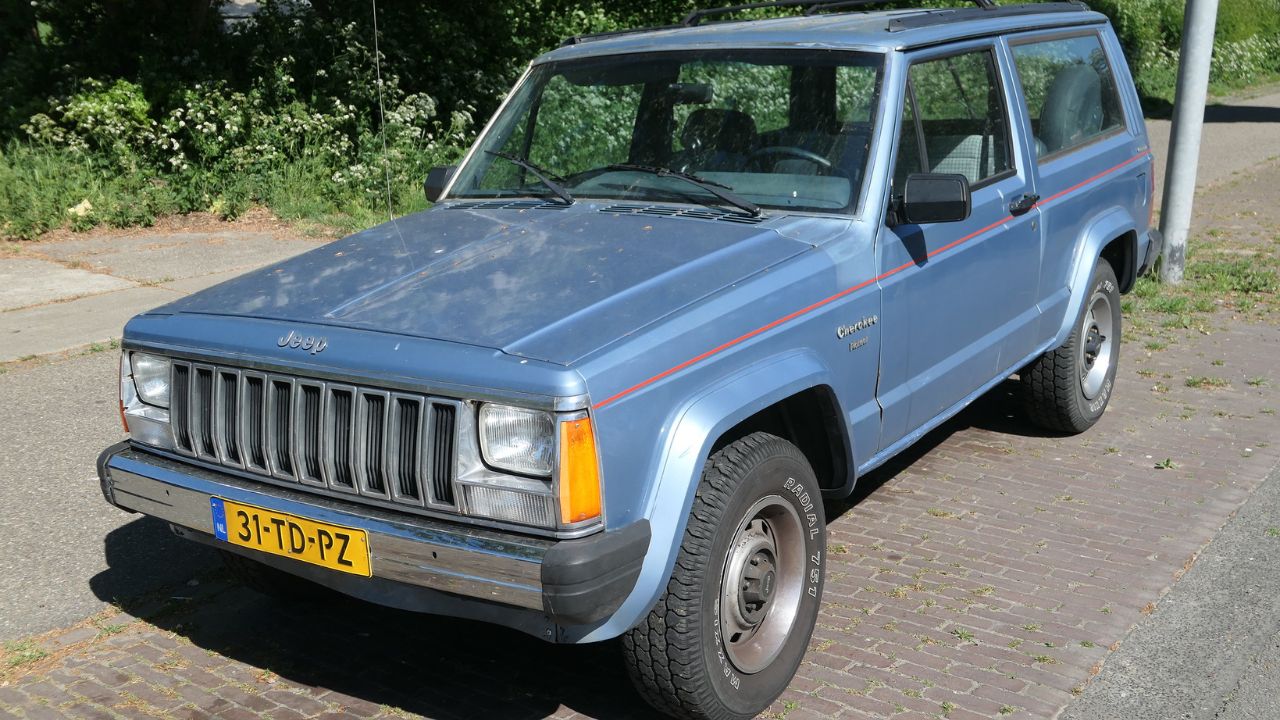
The 1984 Jeep Cherokee marked a pivotal moment in automotive history, transitioning the SUV from a rugged off-road vehicle to a versatile family car. Its innovative design and features not only redefined the SUV category but also influenced consumer expectations for utility and comfort in vehicles.
Historical Context of SUVs Pre-1984
Before the introduction of the 1984 Jeep Cherokee, SUVs were often viewed as utilitarian vehicles primarily designed for off-road adventures. Early models like the Ford Bronco and International Harvester Scout were built for rugged terrains and were generally less accommodating for everyday family use. These vehicles favored durability and off-road capabilities over comfort, often leading to a rough ride and limited interior space.
The 1970s oil crisis began to shift consumer preferences dramatically. As fuel prices soared, buyers sought more fuel-efficient alternatives, which led to a decline in the popularity of large trucks and SUVs. This change, coupled with a growing demand for versatile family vehicles, created an opportunity for manufacturers to rethink the SUV concept. Families began to desire vehicles that were not only capable of handling rough terrains but also comfortable enough for daily commutes and family outings.
The Birth of the 1984 Jeep Cherokee
The 1984 Jeep Cherokee emerged as a response to these evolving consumer needs. Jeep’s design philosophy for the Cherokee aimed to create a “compact SUV” that could provide a balance of performance, comfort, and practicality. The Cherokee was one of the first SUVs to adopt unibody construction, a technique that contributed to its lighter weight and improved fuel efficiency compared to traditional body-on-frame designs. This innovative approach allowed for a more refined driving experience while retaining off-road capabilities.
Another significant feature of the Cherokee was its advanced 4×4 system, which offered both on-road and off-road performance without compromising comfort. With the ability to easily switch between two-wheel and four-wheel drive, the Cherokee catered to a broader audience, making it ideal for urban environments as well as rugged trails. This versatility was a game-changer for the SUV market, paving the way for future models that prioritized comfort alongside capability.
Redefining the SUV Market
The introduction of the Jeep Cherokee played a crucial role in creating a new segment of vehicles that appealed to a wider audience. In the 1980s, SUVs began to attract not just outdoor enthusiasts but also families and urban commuters. The Cherokee set a benchmark for features and performance that competitors soon sought to emulate. Brands like Toyota with the 4Runner and Chevrolet with the Blazer started incorporating similar design elements and features to capture the growing SUV market.
By the end of the 1980s, the popularity of SUVs had surged, with the Cherokee leading the charge. Its success demonstrated that consumers were ready for vehicles that combined the ruggedness of traditional SUVs with the comforts of family cars. This shift laid the foundation for the SUV boom of the 1990s and early 2000s, where models became increasingly diverse, catering to various lifestyles and preferences.
Technology and Features that Shaped Consumer Expectations
The 1984 Jeep Cherokee was ahead of its time in incorporating comfort and convenience features that had not been typical in previous SUV models. It offered an automatic transmission option, which was a significant advancement for off-road vehicles. This feature made driving easier and more accessible to a broader audience, including those who may have been intimidated by manual transmissions. Enhanced interior design, complete with improved seating and sound insulation, also contributed to a more pleasant driving experience.
Safety was another area where the Cherokee set new standards. It introduced features such as crumple zones and a driver-side airbag, which were innovative for SUVs at the time. These advancements not only improved occupant safety but also shifted consumer expectations regarding vehicle safety. As families increasingly sought out SUVs, the Cherokee’s commitment to safety became a key selling point, influencing the design and features of future models across the industry.
Marketing Strategies and Cultural Impact
The marketing strategies employed for the Jeep Cherokee were instrumental in shaping consumer perceptions of SUVs. Jeep’s advertisements often highlighted the Cherokee’s versatility, emphasizing its ability to transition seamlessly from urban environments to outdoor adventures. This messaging resonated with a broad audience, reinforcing the idea that the Cherokee was not just a vehicle but a lifestyle choice.
The vehicle’s cultural impact was further amplified through its appearances in popular media. The Cherokee became a symbol of freedom and adventure, frequently featured in films and television shows. For instance, its notable presence in the 1985 film “The Goonies” helped solidify its status as a vehicle associated with exploration and fun. Such portrayals in pop culture played a significant role in popularizing the SUV segment, further embedding the Cherokee into the American zeitgeist.
The Cherokee’s Influence on Future SUV Designs
The impact of the 1984 Jeep Cherokee on subsequent SUV designs cannot be overstated. Its combination of comfort, safety, and off-road capability set a precedent that many manufacturers would follow. Brands began to incorporate unibody construction and focus on interior quality, recognizing that consumers were seeking more than just utility from their vehicles. The Cherokee’s design philosophy influenced models like the Honda CR-V and Ford Escape, which embraced a lifestyle-oriented approach in their designs.
As the SUV market evolved, the Cherokee’s legacy continued to shape consumer demands for hybrid features in modern vehicles. Today, many consumers expect SUVs to offer advanced technology, fuel efficiency, and a range of lifestyle-oriented amenities. The Cherokee laid the groundwork for these expectations, demonstrating that SUVs could be both practical and enjoyable.
Challenges and Criticisms Faced
Despite its groundbreaking success, the Jeep Cherokee faced challenges in maintaining its legacy amid increasing competition. As more manufacturers entered the SUV market, Jeep had to continuously innovate to keep the Cherokee relevant. Critics began to voice concerns regarding fuel efficiency, especially in later models equipped with larger engines. As environmental awareness grew, these issues became more pronounced, prompting Jeep to reassess its approach to design and engineering.
In response to changing market dynamics, Jeep made efforts to modernize the Cherokee while preserving its core identity. The introduction of more fuel-efficient engines and hybrid options aimed to address environmental concerns while still appealing to the adventurous spirit of its consumers. By adapting to evolving expectations, Jeep has strived to ensure that the Cherokee remains a relevant player in the increasingly competitive SUV segment.
The Cherokee’s Enduring Legacy
Today, the Jeep Cherokee continues to be a relevant vehicle in the automotive landscape, reflecting the ongoing evolution of the Jeep brand. Its influence is evident in modern SUVs, many of which incorporate features that were pioneering at the time of the Cherokee’s launch. The versatility and capability that the Cherokee introduced have become standard expectations for consumers shopping in the SUV market.
As the automotive industry shifts towards electric and hybrid vehicles, the significance of the Cherokee’s legacy is more pronounced than ever. The demand for eco-friendly options is reshaping consumer preferences, and Jeep is taking steps to ensure that the Cherokee remains at the forefront of this transition. The commitment to innovation and adaptability exemplified by the Cherokee serves as a vital lesson for the future of automotive design.
More from Fast Lane Only